
7 Must-See Photo Spots Kona List for Stunning Hawaii Views
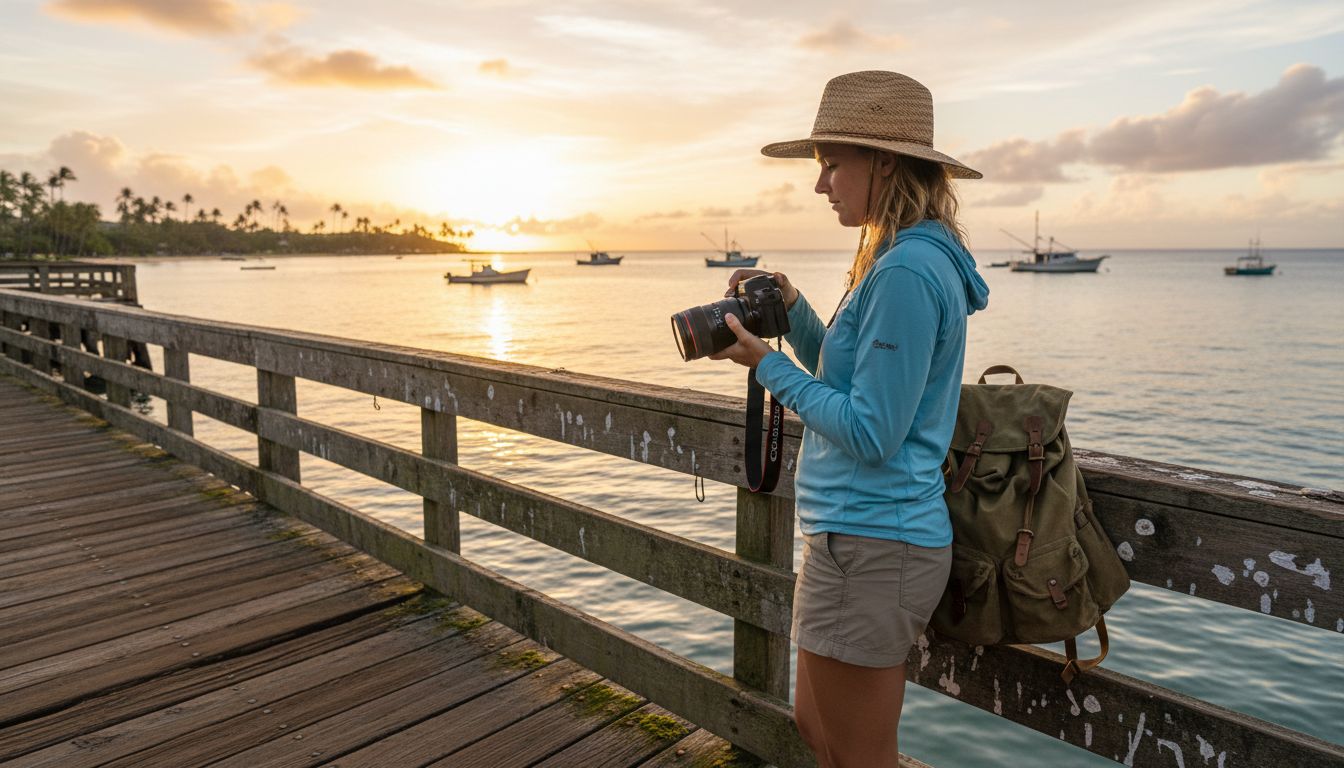
More than 75 million american travelers visit Hawaii every year, yet many miss the most captivating photo opportunities hidden across Kona. Whether you are chasing vibrant sunrises, historical architecture, or dramatic lava fields, the Big Island delivers unforgettable scenery for anyone with a camera. This guide reveals the best local spots and expert tips, helping you capture authentic Hawaiian beauty while making your american adventure truly memorable.
Table of Contents
- 1. Capture Magic at Kailua Pier’s Sunrise
- 2. Explore Historic Mokuaikaua Church Backdrops
- 3. Get Epic Shots at Magic Sands Beach
- 4. Frame Palms and Culture at Hulihe’e Palace
- 5. Snap Dramatic Lava Landscapes at Kaloko-Honokōhau
- 6. Document Kona Coffee Farms’ Scenic Fields
- 7. Experience Flight of Aloha for Unique Aerial Photos
Quick Summary
| Takeaway | Explanation |
|---|---|
| 1. Capture Sunrise at Kailua Pier | Arrive early for optimal lighting and composition. Set up 30 minutes before sunrise to secure the best shots. |
| 2. Photograph Mokuaikaua Church’s Architecture | Visit during soft lighting times to highlight the church’s historical details and architectural beauty. Use a wide-angle lens for expansive shots. |
| 3. Explore Magic Sands Beach for Dynamic Waves | Capture the beach’s changing scenery by timing your visit with wave patterns. Use fast shutter speeds to freeze motion effectively. |
| 4. Discover Hulihe’e Palace for Cultural Context | Utilize palm trees for framing and shoot during golden hours for stunning visuals. Seek permission while photographing this historic site. |
| 5. Document Kona Coffee Farms’ Scenic Rows | Visit during harvest season to capture lush coffee rows and incorporate cultural storytelling elements in your images. Wear comfortable shoes for navigating the fields. |
1. Capture Magic at Kailua Pier’s Sunrise
Welcome to the most photogenic moment in Kona where golden light meets Pacific waters. Kailua Pier offers photographers and sunrise enthusiasts an unparalleled opportunity to capture breathtaking Hawaiian morning scenery with vibrant colors and serene ocean landscapes.
The pier provides an extraordinary vantage point for sunrise photography, featuring unobstructed views of the expansive ocean against the backdrop of Kona’s rugged coastline. Professional and amateur photographers alike will find this location magical for capturing the day’s first light spreading across the Hawaiian horizon.
Best Photography Tips:
- Timing is Everything: Arrive 30 minutes before actual sunrise to set up your equipment
- Camera Settings: Use a tripod for stability and set ISO between 100-400 for crisp images
- Composition: Frame shots that include pier structures, silhouetted boats, or distant mountain ranges
Plan to visit during summer months when sunrise occurs around 5:45 am for the most stunning golden hour lighting. The top attractions in Kailua Kona often recommend this spot as a must visit for visual storytellers and travel enthusiasts seeking authentic Hawaiian moments.
Remember to respect the environment and local fishing community while capturing your images. Wear comfortable shoes, bring a lightweight jacket for early morning temperatures, and prepare your camera gear the night before to maximize your sunrise photography experience.
2. Explore Historic Mokuaikaua Church Backdrops
Standing as the oldest Christian church in the Hawaiian Islands, Mokuaikaua Church offers photographers an extraordinary backdrop steeped in cultural significance and architectural beauty. Located in the heart of Kailua Kona, this historic landmark provides stunning visual storytelling opportunities for both amateur and professional photographers.
Built in 1836, the church represents a remarkable blend of Hawaiian and New England architectural styles, creating a unique visual narrative that captures the island’s complex cultural history. Its white walls, traditional wooden structure, and prominent location make it an exceptional photographic subject that tells a deeper story beyond mere architectural documentation.
Photography Recommendations:
- Golden Hour Lighting: Capture the church during early morning or late afternoon when soft light accentuates architectural details
- Angle Variations: Explore multiple perspectives including wide shots that include surrounding landscape and close ups highlighting intricate architectural elements
- Historical Context: Include surrounding historic elements to provide depth and narrative to your images
The top attractions in Kailua Kona recognize Mokuaikaua Church as a significant cultural landmark that offers visitors an authentic glimpse into Hawaiian historical heritage. Photographers will appreciate the church’s architectural integrity and the way it represents the intersection of missionary influence and Hawaiian cultural traditions.
For optimal photographic results, visit during weekday mornings when the church grounds are typically less crowded. Bring a wide angle lens to capture the full architectural beauty and consider using a tripod to ensure crisp, detailed images that honor this historic site’s visual magnificence.
3. Get Epic Shots at Magic Sands Beach
Known locally as La’aloa Beach, Magic Sands Beach offers photographers a dynamic and dramatic Hawaiian coastal landscape perfect for capturing stunning visual memories. This small white sand beach transforms dramatically with seasonal wave patterns, creating unique photographic opportunities that showcase the raw beauty of Kona’s coastline.
The beach earned its nickname due to an incredible phenomenon where waves can completely wash away the white sandy shoreline during winter months, revealing a rocky substrate before magically returning sand during calmer summer seasons. This dynamic environment provides photographers with constantly changing backdrops and exceptional visual storytelling potential.
Photography Strategy:
- Timing Matters: Visit during early morning or late afternoon for soft golden light
- Wave Dynamics: Capture wave action using fast shutter speeds (1/500 second or faster)
- Composition Techniques: Include volcanic rock formations and ocean horizons for depth
- Equipment Protection: Bring microfiber cloths and consider waterproof camera gear
The top attractions in Kailua Kona highlight Magic Sands Beach as a must visit location for photographers seeking authentic Hawaiian coastal landscapes. Professional photographers recommend bringing neutral density filters to manage bright sunlight and create smooth water motion effects.
Plan your visit during weekdays to avoid crowded weekend scenes and consider exploring different tide levels to capture the beach’s transformative nature. Remember to respect local marine environments and follow beach safety guidelines while pursuing your perfect Hawaiian coastal photograph.
4. Frame Palms and Culture at Hulihe’e Palace
Hulihe’e Palace stands as a magnificent photographic canvas where Hawaiian royal history and lush tropical landscapes converge, offering photographers an extraordinary opportunity to capture the essence of Kona’s cultural heritage. Located in the heart of Kailua Kona, this historic landmark provides an unparalleled backdrop for visual storytellers seeking to document the intersection of architecture, nature, and Hawaiian royal legacy.
Originally constructed in 1838 as a summer residence for Hawaiian royalty, the palace features classic New England style architecture complemented by sweeping palm tree landscapes that create breathtaking visual compositions. Photographers will find multiple compelling angles that showcase both architectural details and the surrounding natural beauty.
Photography Recommendations:
- Composition Techniques: Utilize palm trees as natural framing elements
- Lighting Considerations: Morning and late afternoon provide optimal soft light
- Perspective Variations: Capture wide shots including palace and landscape
- Cultural Respect: Always seek permission and follow photography guidelines
The Hawaiian cultural experiences guide highlights Hulihe’e Palace as a significant site for understanding royal Hawaiian history. Professional photographers recommend using a wide angle lens to capture the full architectural grandeur and surrounding tropical environment.
Visit during weekday mornings for minimal crowds and most authentic photographic opportunities. Bring a tripod to ensure sharp images and consider exploring different perspectives that highlight both the palace’s architectural details and the lush Hawaiian landscape surrounding this historic site.
5. Snap Dramatic Lava Landscapes at Kaloko-Honokōhau
Kaloko-Honokōhau National Historical Park offers photographers an unparalleled opportunity to capture the raw geological drama of Hawaii’s volcanic landscape. This remarkable location provides stunning visual narratives that showcase the Big Island’s powerful geological transformation through intricate lava formations, ancient Hawaiian cultural sites, and breathtaking coastal environments.
The park presents a unique canvas where volcanic rock meets ocean, creating dramatic textures and contrasts that challenge and inspire photographers of all skill levels. Lava fields ranging from jet black recent flows to weathered coral colored ancient surfaces provide multiple visual storytelling opportunities that highlight Hawaii’s dynamic natural environment.
Photography Recommendations:
- Golden Hour Magic: Capture lava landscapes during sunrise or sunset for dramatic lighting
- Lens Choices: Bring wide angle and telephoto lenses to capture diverse perspectives
- Texture Focus: Emphasize intricate lava rock patterns and geological details
- Safety First: Stay on marked trails and respect protected natural areas
The Hawaiian natural wonders attractions guide highlights Kaloko-Honokōhau as a premier destination for understanding Hawaii’s geological evolution. Professional photographers recommend using neutral density filters to manage bright sunlight and capture smooth ocean and lava interactions.
Plan your visit during morning hours when temperatures are cooler and lighting is soft. Wear sturdy walking shoes, bring plenty of water, and pack photography equipment that can withstand potentially harsh volcanic terrain conditions. Remember to respect the ecological and cultural significance of this extraordinary landscape while creating your visual masterpiece.
6. Document Kona Coffee Farms’ Scenic Fields
Kona coffee farms present photographers with an extraordinary landscape of meticulously cultivated hillsides where emerald green coffee plants cascade across volcanic slopes. These picturesque agricultural environments offer more than just visual beauty they represent a profound agricultural heritage that defines Hawaii’s unique cultural landscape.
The rolling terrain of Kona’s coffee belt creates stunning natural compositions where geometric rows of coffee plants interact with volcanic mountain backgrounds. Photographers can capture multiple perspectives ranging from wide angle landscape shots to intimate close ups that showcase the intricate details of coffee plant cultivation and the rich agricultural traditions of the region.
Photography Strategy:
- Lighting Considerations: Morning and late afternoon provide soft golden light
- Composition Techniques: Use leading lines created by coffee plant rows
- Perspective Variations: Capture both wide landscape and detail oriented images
- Seasonal Planning: Visit during harvest season for maximum visual interest
The unique experiences of Kona highlight these coffee farms as more than just agricultural spaces but living cultural landscapes. Professional photographers recommend bringing a versatile lens kit that allows both sweeping landscape and detailed macro photography.
Plan your visit during the growing season between February and April when coffee plants are lush and green. Wear comfortable walking shoes, respect private property boundaries, and consider scheduling a farm tour to gain deeper insights into the photographic opportunities. Remember to capture not just the visual landscape but the story of generations of Hawaiian agricultural tradition embedded in these stunning coffee fields.
7. Experience Flight of Aloha for Unique Aerial Photos
Flight of Aloha transforms traditional photography into an immersive aerial storytelling experience, offering photographers unprecedented opportunities to capture Hawaii’s breathtaking landscapes through advanced 8K visual technology. This innovative attraction provides a revolutionary approach to documenting Hawaii’s stunning geographical diversity without the challenges of actual helicopter tours.
Unlike traditional photography methods, Flight of Aloha combines motion effects, wind simulation, and sensory experiences to create dynamic visual narratives that go beyond standard photographic techniques. Photographers and visual storytellers can capture comprehensive perspectives of Kona’s landscape through meticulously designed ride films that showcase the region’s most spectacular terrains.
Photography Capture Strategies:
- Technology Integration: Utilize high resolution ride visuals for reference images
- Perspective Exploration: Study unique aerial angles during the immersive experience
- Color and Lighting: Analyze 8K visual details for future photography inspiration
- Landscape Understanding: Gain comprehensive geographical insights
The top reasons to experience Flight of Aloha highlight the attraction’s unique ability to provide photographers with unprecedented visual storytelling opportunities. Professional visual artists recommend using the attraction as a comprehensive reconnaissance tool for understanding Hawaii’s complex landscape compositions.
Prepare for your visit by bringing a notebook or digital device to record visual insights, wear comfortable clothing, and approach the experience with an open mind. Flight of Aloha offers photographers a unique blend of technological innovation and cultural storytelling that transforms traditional visual documentation methods.
This table summarizes key photography opportunities and tips for capturing the essence of significant locations in Kailua Kona, Hawaii.
| Location | Photography Tips | Unique Features |
|---|---|---|
| Kailua Pier | Arrive 30 minutes before sunrise; use a tripod; set ISO 100-400. | Breathtaking sunrises and ocean views. |
| Mokuaikaua Church | Capture during golden hour; explore angles; include historic elements. | Blend of Hawaiian and New England architecture. |
| Magic Sands Beach | Visit during soft light; fast shutter for waves; protect gear. | Dynamic sand transformations. |
| Hulihe’e Palace | Frame with palm trees; use soft light; vary perspectives. | Royal Hawaiian and lush landscapes. |
| Kaloko-Honokōhau Park | Photograph lava during golden hour; focus on textures; stay safe. | Dramatic lava landscapes. |
| Kona Coffee Farms | Use golden light; lead lines with rows; visit during harvest. | Scenic coffee landscapes and heritage. |
| Flight of Aloha | Use visuals for reference; explore aerial angles; understand geography. | Advanced 8K visuals of Hawaiian landscapes. |
Elevate Your Kona Photography Adventure with Flight of Aloha
Finding the perfect spots to capture Hawaii’s stunning views can be a challenge. The article highlights iconic photo locations in Kona but capturing them perfectly requires the right perspective and immersive experience to truly feel the island’s spirit. You want breathtaking photos with vibrant colors, dramatic landscapes, and cultural depth without battling crowds or unpredictable lighting.
Flight of Aloha offers a unique solution that transforms your photography journey beyond ground level. This immersive flying theater attraction lets you experience Kona’s top photo spots like Kailua Pier, Magic Sands Beach, and Kaloko-Honokohau from an incredible 8K aerial perspective. With motion effects, scents, and wind, you can discover fresh angles and stunning views that inspire your on-site photography. It blends cultural storytelling rooted in Hawaiian legends providing context that elevates your visual storytelling.

Experience a new way to explore and plan your Kona photo adventure today at Flight of Aloha. Capture unforgettable Hawaiian moments that go beyond typical snapshots and secure your ride tickets now. Discover how this immersive experience complements every must-see Kona spot and enriches your stunning Hawaii views. Don’t just take photos, live the aloha spirit firsthand. Find out why top attractions in Kailua Kona recommend it for photographers and travelers alike.
Frequently Asked Questions
What are the best times to photograph sunrise at Kailua Pier?
To capture stunning sunrise photos at Kailua Pier, arrive 30 minutes before sunrise. This allows time to set up your equipment and get positioned for the golden light.
How can I effectively photograph the architecture of Mokuaikaua Church?
To effectively photograph Mokuaikaua Church, shoot during the golden hours of morning or late afternoon. Use a wide-angle lens to capture both the church’s architectural details and the surrounding landscape for depth.
What photography gear should I bring to Magic Sands Beach?
When visiting Magic Sands Beach, bring a tripod, fast shutter-speed capability for wave action, and microfiber cloths to protect your gear from sand and moisture. Consider bringing a waterproof camera housing if you plan to get close to the water.
How do I capture the best lava landscapes at Kaloko-Honokōhau?
To capture dramatic lava landscapes at Kaloko-Honokōhau, visit during sunrise or sunset for optimal lighting. Use a wide-angle lens to emphasize the unique textures and shapes of the volcanic rocks and stay on marked trails for safety.
What should I consider when photographing Kona coffee farms?
When photographing Kona coffee farms, aim for morning or late afternoon light for the best visuals. Capture both wide landscape shots and detailed close-ups of coffee plants to showcase the agricultural beauty and cultural significance of the area.
How can I prepare for an aerial photography experience at Flight of Aloha?
To prepare for your aerial photography experience at Flight of Aloha, bring a notebook to record insights on landscape composition during the ride. Wear comfortable clothing and keep an open mind, as this immersive experience will provide unique angles and visuals for future photography.