
Role of Authentic Hawaiian Music in Kona Tourism
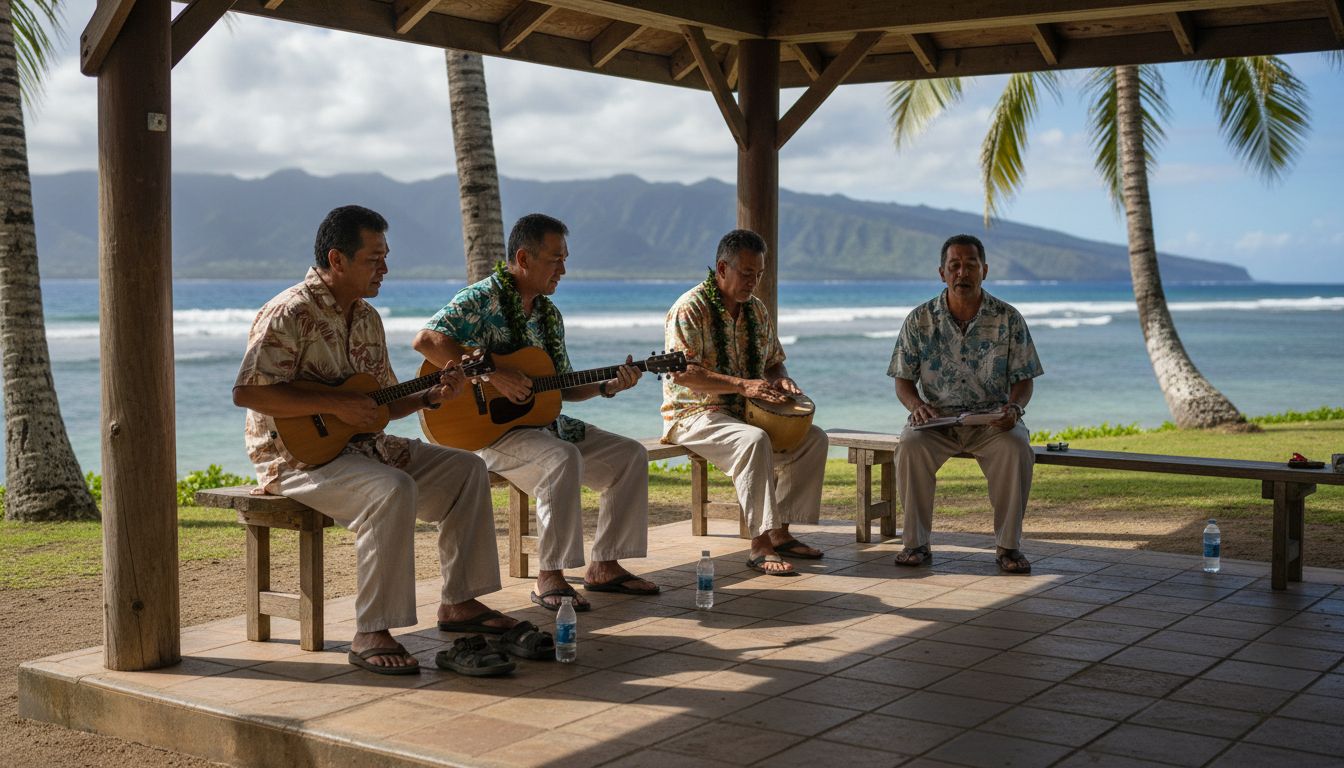
Over half of American tourists say they crave authentic cultural experiences when visiting Hawaii. Genuine Hawaiian music is far more than background entertainment—it is a living link between past and present that shapes how visitors understand the islands. Exploring the layers of traditional mele, chants, and native instruments uncovers the deep stories and connections that have defined Hawaiian identity for generations.
Table of Contents
- Understanding Authentic Hawaiian Music Traditions
- Distinguishing Features and Instruments Used
- Storytelling and Cultural Connection in Music
- Enhancing Immersive Attractions with Music
- Impact on Visitors’ Emotional Experience
Key Takeaways
| Point | Details |
|---|---|
| Cultural Significance of Hawaiian Music | Hawaiian music serves as a profound narrative medium that communicates the history and values of the culture through song and performance. |
| Instruments and Techniques | Unique instruments like the ukulele and slack-key guitar, along with specific performance techniques, embody the intricate storytelling tradition of Hawaiian music. |
| Role of Music in Cultural Tourism | Incorporating authentic Hawaiian music into tourist experiences fosters deep cultural connections and enhances emotional engagement with the heritage. |
| Emotional Impact of Music | Traditional Hawaiian music provides visitors with powerful emotional experiences, transforming them from passive observers into active participants in the cultural narrative. |
Understanding Authentic Hawaiian Music Traditions
Authentic Hawaiian music represents more than just melodic sounds—it is a profound cultural storytelling medium deeply rooted in generations of oral tradition. Mele, the traditional Hawaiian music, serves as a powerful narrative tool that preserves the rich historical and emotional landscape of Hawaiian culture, communicating complex stories through intricate musical expressions.
Traditional Hawaiian musical forms encompass several distinct styles, each serving a unique cultural purpose. Chants (known as “oli”) represent some of the oldest musical traditions, typically performed without instrumental accompaniment and used for ceremonial, historical, and genealogical storytelling. Mele hula connects music with dance, allowing performers to physically interpret musical narratives through choreographed movements that express everything from ancient legends to contemporary experiences. String instruments like the ukulele and steel guitar later became integral to Hawaiian musical expression, blending indigenous musical traditions with external musical influences.
The significance of Hawaiian music extends far beyond entertainment—it functions as a living historical archive. Musicians carefully preserve ancestral knowledge, genealogical histories, and cultural values through carefully crafted musical compositions. By exploring Hawaiian culture through its musical traditions, visitors and cultural enthusiasts can gain profound insights into the islands’ complex social structures, spiritual beliefs, and historical transformations. Each song becomes a nuanced narrative, carrying the voices and experiences of generations, making music an essential component of cultural preservation and understanding.
Distinguishing Features and Instruments Used
Hawaiian musical traditions are characterized by a rich array of unique instruments that reflect the islands’ complex cultural heritage. Traditional Hawaiian music instruments demonstrate a fascinating blend of indigenous craftsmanship and external influences, with key tools like the ukulele and slack-key guitar playing pivotal roles in musical expression. The ukulele, originally introduced by Portuguese immigrants, has become synonymous with Hawaiian musical identity, while the slack-key guitar features distinctive open tunings that create a mesmerizing, fluid sound unique to Hawaiian musical styles.
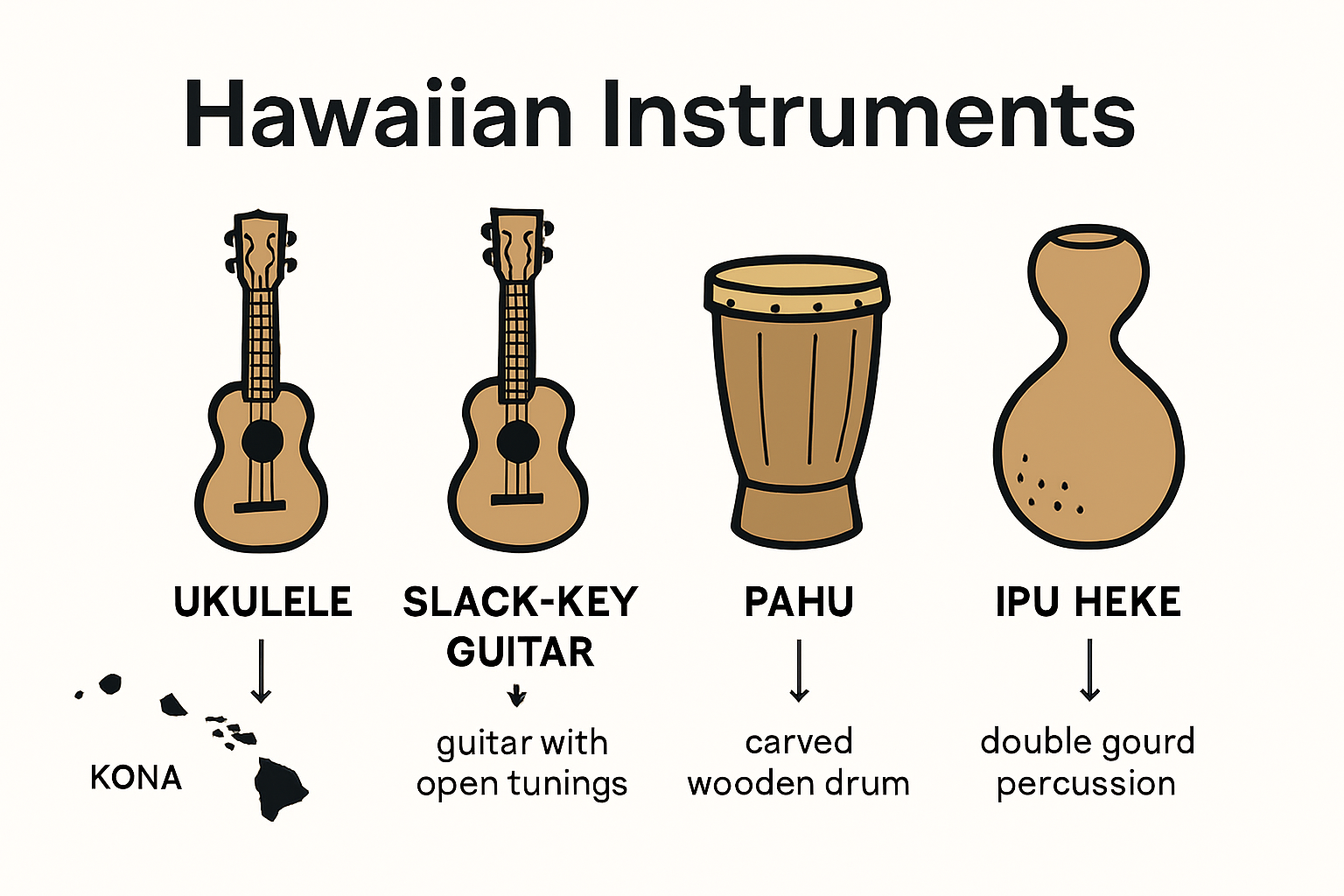
Percussion instruments form the rhythmic backbone of Hawaiian musical traditions. Instruments like the pahu drum and ipu heke are deeply rooted in cultural practices, particularly within hula performances. The pahu drum, crafted from coconut or breadfruit wood and featuring a sharkskin head, produces powerful sounds that connect performers to ancestral traditions. The ipu heke, a double gourd percussion instrument, provides intricate rhythmic patterns that accompany dance and storytelling, serving as more than just a musical tool but as a cultural connector.
Beyond instruments, Hawaiian musical traditions are distinguished by their intricate playing techniques and performance styles. Slack-key guitar techniques involve unique fingerpicking methods that create layered, resonant sounds unlike any other musical tradition. String instruments are often played with a delicate touch that emphasizes melodic nuance, reflecting the Hawaiian cultural values of subtlety and emotional depth. These musical approaches transform simple instruments into complex storytelling devices, allowing musicians to communicate profound cultural narratives through their distinctive sound and performance techniques.
Storytelling and Cultural Connection in Music
Mele, the traditional Hawaiian musical form, represents far more than mere entertainment—it is a profound cultural transmission mechanism that weaves together historical narratives, familial histories, and spiritual connections. Each musical composition serves as a living archive, capturing the essence of Hawaiian experiences through carefully crafted lyrics and melodic expressions that connect contemporary listeners with their ancestral roots.
The storytelling aspect of Hawaiian music goes beyond literal narrative, embodying a complex system of cultural preservation and communication. Oral traditions are intricately encoded within musical performances, with each chant, song, and instrumental piece carrying layers of meaning that speak to genealogical histories, spiritual beliefs, and the deep relationship between Hawaiian people and their natural environment. Musicians act as cultural guardians, using music as a nuanced language that communicates complex emotional and historical experiences that cannot be easily translated into words.
Musical storytelling in Hawaiian culture operates on multiple levels, engaging listeners through sensory and emotional experiences that transcend simple verbal communication. The rhythmic patterns, instrumental techniques, and vocal inflections all contribute to a holistic narrative approach that invites audience members to not just hear a story, but to feel and internalize its deeper cultural significance. By maintaining these musical traditions, Hawaiian musicians ensure that cultural knowledge, values, and historical memories continue to live and breathe, creating an unbroken connection between past, present, and future generations of Hawaiian people.
Enhancing Immersive Attractions with Music
Traditional Hawaiian instruments play a critical role in transforming tourist experiences from passive observation to deep cultural engagement. By strategically incorporating authentic musical elements, attractions can create multisensory environments that transport visitors beyond typical tourist encounters, allowing them to genuinely connect with Hawaiian cultural heritage. The carefully selected sounds of instruments like the ipu, pahu, and ʻuliʻulī serve as auditory bridges between contemporary tourism and ancient cultural practices.
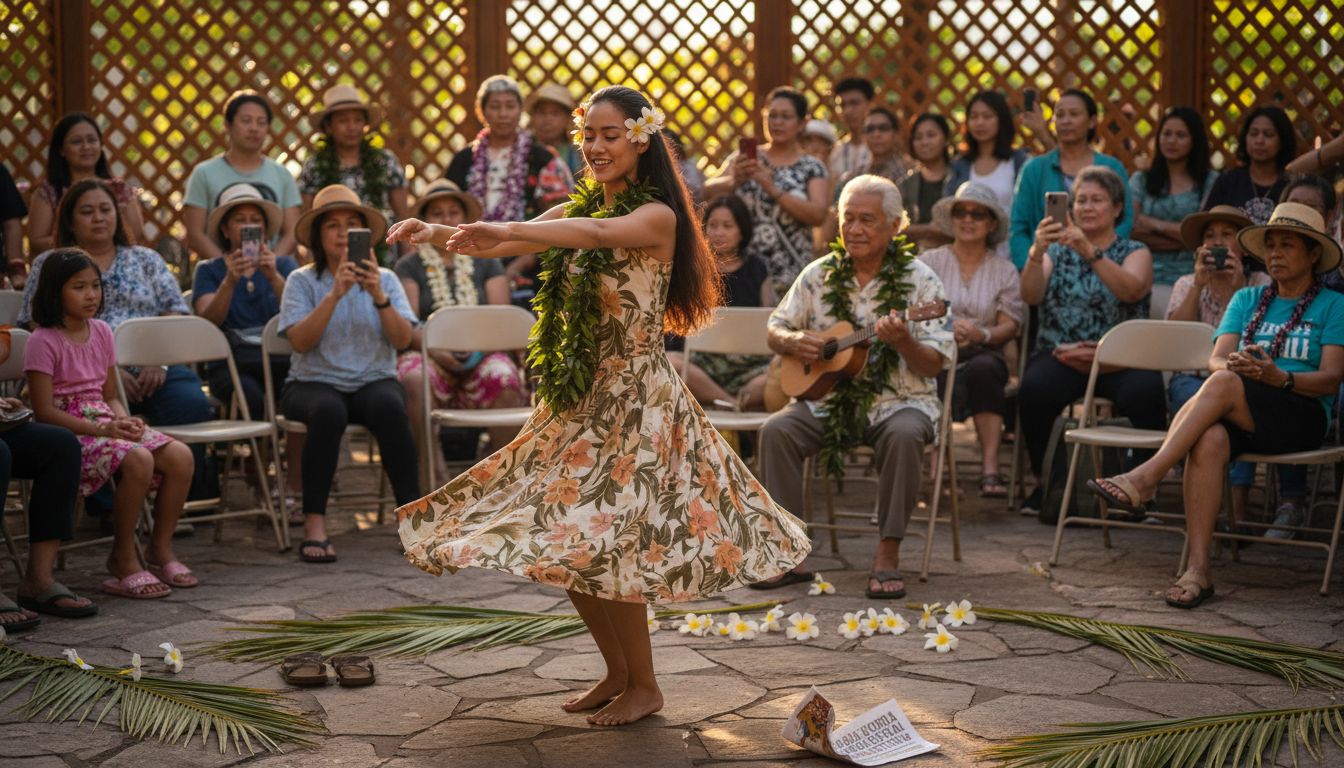
Cultural performances that integrate traditional musical instruments offer more than entertainment—they provide profound educational experiences that reveal the depth of Hawaiian musical traditions. Each rhythm, each instrumental technique tells a story, transforming attractions from mere visual displays into immersive narratives that engage visitors intellectually and emotionally. The strategic use of authentic instruments creates a layered experience where music becomes a powerful interpretive tool, helping tourists understand the nuanced cultural contexts behind Hawaiian artistic expressions.
Musical immersion in tourist attractions goes beyond simple background soundscapes. By presenting traditional instruments and performance styles with contextual storytelling, cultural sites can create transformative experiences that challenge visitors’ preconceptions and foster deeper cross-cultural understanding. The rhythmic patterns, vocal techniques, and instrumental nuances become educational moments that invite tourists to see Hawaiian culture not as a static museum exhibit, but as a living, breathing cultural tradition that continues to evolve and inspire. These musical interventions turn passive tourist interactions into meaningful cultural dialogues, allowing visitors to experience Hawaiian heritage through its most intimate and expressive medium.
Impact on Visitors’ Emotional Experience
Experiencing traditional Hawaiian mele transforms tourists from passive observers into active participants in a profound emotional journey. Music becomes a powerful conduit for cultural connection, allowing visitors to transcend typical tourist experiences and forge deep, visceral links with Hawaiian heritage. The emotional resonance of authentic musical performances creates an immersive landscape where melodies serve as emotional bridges, connecting visitors’ inner experiences with the rich cultural narratives of the Hawaiian Islands.
Traditional Hawaiian music operates on a multilayered emotional spectrum, engaging visitors through sensory and psychological pathways that extend far beyond simple auditory stimulation. Each musical phrase carries intricate emotional nuances, communicating complex feelings of joy, resilience, spiritual connection, and historical depth. Visitors often report experiencing profound moments of unexpected emotional transparency—feeling simultaneously like outsiders witnessing a sacred tradition and intimate participants in a living cultural expression.
The psychological impact of authentic Hawaiian musical experiences goes beyond temporary entertainment, creating lasting emotional memories that fundamentally reshape visitors’ understanding of Hawaiian culture. Through carefully crafted musical narratives, tourists develop empathetic connections that challenge their preconceived notions, encouraging a more nuanced, respectful engagement with indigenous cultural traditions. These musical encounters become transformative moments of cross-cultural understanding, where emotional vulnerability and artistic expression combine to create deeply meaningful tourist experiences that resonate long after the final note has faded.
Experience Authentic Hawaiian Music Like Never Before
The article highlights the powerful role of authentic Hawaiian music in transforming tourist experiences through deep cultural storytelling and emotional connection. Visitors often seek more than just entertainment—they want to engage with the rich traditions, rhythmic patterns, and storytelling depth that Hawaiian music offers. Yet capturing this immersive cultural essence in tourism can be challenging. That is where Flight of Aloha steps in as a unique solution. Our immersive flying theater in Kailua-Kona uses 8K visuals, motion effects, scents, and wind to create a multi-sensory environment that brings Hawaiian legends and music to life.
Discover how authentic music and storytelling merge with breathtaking aerial views of the islands to offer an emotional journey unlike any other. Whether you are fascinated by mele, slack-key guitar, or traditional chants, Flight of Aloha turns these into an unforgettable experience that connects you with Hawaiian heritage in a whole new way.
Enhance your visit to Kona with an immersive cultural adventure that goes beyond typical attractions.
Explore more about our unique offerings and book your experience now at Flight of Aloha.

Dive into the vibrant sounds and stories of Hawaii by reserving your seat today. Discover why guests say that if a helicopter tour and a Disney ride had a baby, it would be Flight of Aloha. Feel the rhythm, see the legends, and create memories rooted in aloha. Visit Flight of Aloha to book your unforgettable cultural flying theater experience now.
Frequently Asked Questions
How does authentic Hawaiian music enhance the tourist experience in Kona?
Authentic Hawaiian music transforms the tourist experience by creating multisensory environments that engage visitors emotionally and intellectually, allowing them to connect deeply with Hawaiian cultural heritage.
What instruments are commonly used in traditional Hawaiian music performances?
Common instruments include the ukulele, slack-key guitar, pahu drum, and ipu heke, each contributing to the unique sound and storytelling aspect of Hawaiian music.
How does Hawaiian music function as a cultural preservation tool?
Hawaiian music serves as a living historical archive that preserves genealogical histories, cultural values, and ancestral knowledge, conveying the rich narratives of Hawaiian culture through its melodies and lyrics.
What is the significance of storytelling in Hawaiian music?
Storytelling in Hawaiian music encapsulates historical narratives, familial histories, and spiritual connections, allowing musicians to communicate complex cultural messages that resonate with contemporary audiences.