
Benefits of Flying Theaters for Hawaii Visitors
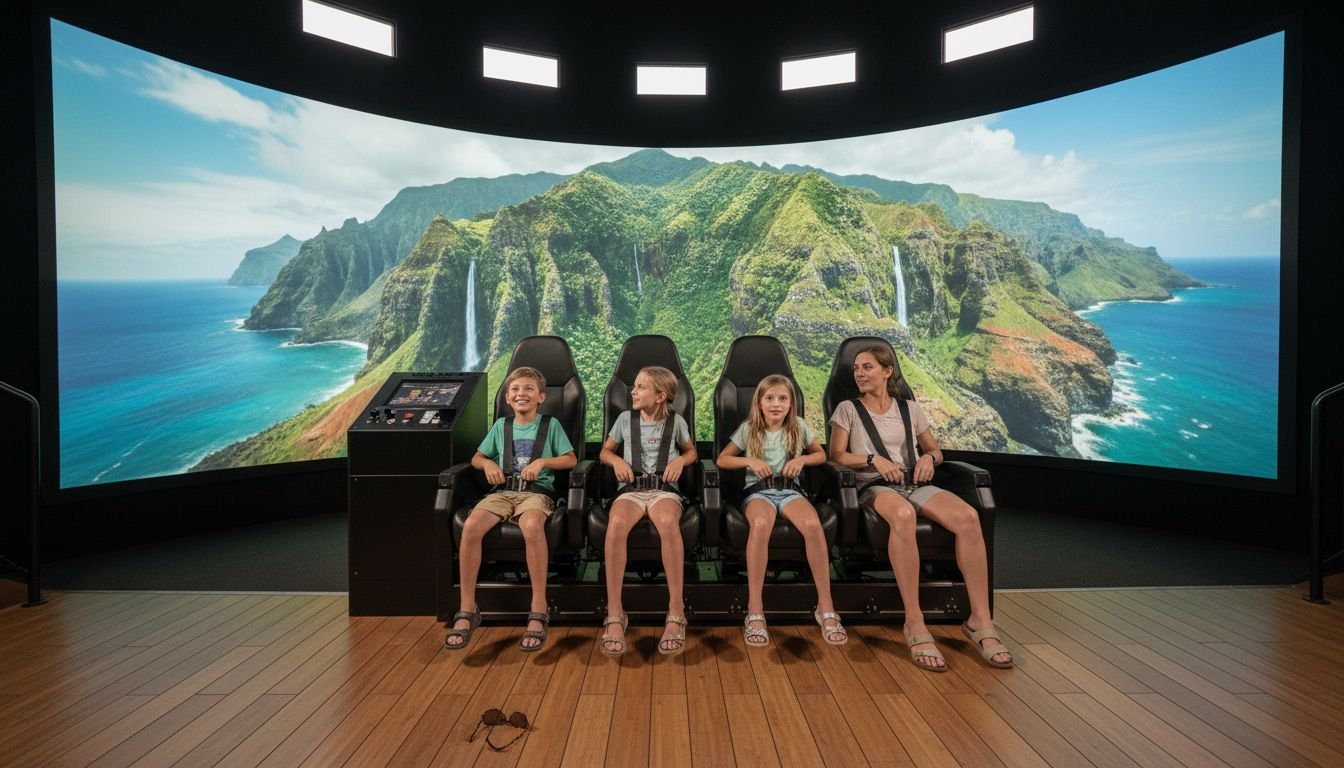
Most American travelers are surprised to learn that flying theaters can simulate flight so convincingly that over 80 percent of riders report feeling airborne. As these attractions redefine entertainment in the United States, they challenge common ideas about what immersive technology can deliver. Whether you are seeking adrenaline or a deeper connection to storytelling, flying theaters promise a multisensory journey that sets them apart from other experiences.
Table of Contents
- Flying Theaters Defined And Common Misconceptions
- Immersive Technology: Visuals, Motion, And Scents
- Cultural Storytelling And Hawaiian Legends Experience
- Comparing Flying Theaters To Traditional Attractions
- Practical Considerations: Access, Packages, And Suitability
Key Takeaways
| Point | Details |
|---|---|
| Flying Theaters vs. Traditional Attractions | Flying theaters provide immersive, multi-sensory experiences, contrasting with the passive nature of traditional rides. |
| Technological Integration | Advanced 8K visuals and multi-sensory elements enhance storytelling, creating emotional connections with audiences. |
| Cultural Significance | Flying theaters offer authentic representations of cultural narratives, allowing for deeper engagement with traditions and histories. |
| Access and Flexibility | Various package options and accessibility features ensure inclusivity for diverse audiences, enhancing enjoyment and participation. |
Flying Theaters Defined and Common Misconceptions
A flying theater represents a cutting-edge entertainment technology that creates an immersive aerial experience unlike any traditional ride or simulator. Flying theaters combine sophisticated motion systems with expansive screens to generate a powerful illusion of flight, transporting audiences through breathtaking landscapes and extraordinary journeys without leaving their seats.
Unlike standard flight simulators designed for professional training, flying theaters focus exclusively on entertainment and storytelling. These attractions suspend audience members in front of massive hemispheric screens, synchronizing complex seat movements with high-definition visual narratives. The technology allows guests to “fly” over stunning environments, feeling every bank, drift, and aerial maneuver as if they were actually soaring through the skies.
Common misconceptions about flying theaters often arise from misunderstanding their core purpose. Many visitors initially assume these attractions are similar to rigid flight training simulators or basic motion rides. However, modern flying theaters like Flight of Aloha represent a profound blend of technology, storytelling, and sensory engagement. Key differences include:
- Designed for emotional storytelling, not technical training
- Uses sophisticated 8K visual technology
- Incorporates multiple sensory elements like wind and scent effects
- Creates narrative-driven aerial experiences
- Provides cultural and geographic exploration
Pro Tip for Optimal Experience: Arrive 15-20 minutes early for your flying theater session to get comfortable with the seating mechanism and understand the safety instructions, ensuring you maximize your immersive adventure.
Understanding these remarkable attractions reveals they are far more than simple rides—they are journeys that transform how we experience visual storytelling and exploration.
Immersive Technology: Visuals, Motion, and Scents
Immersive technology represents a groundbreaking approach to storytelling that transforms passive viewing into an interactive sensory experience. Advanced virtual reality technologies now combine sophisticated visual systems with environmental effects like wind, scents, and motion to create unprecedented levels of engagement and realism.
At the heart of these experiences are three critical technological components: high-resolution visuals, precise motion synchronization, and multi-sensory environmental effects. Modern flying theaters utilize 8K visual systems that render landscapes with stunning clarity, allowing viewers to see intricate details of Hawaiian terrain – from lush rainforests to volcanic landscapes – with unprecedented precision. The motion platforms move in perfect synchronization with on-screen imagery, creating a seamless illusion of actual flight.
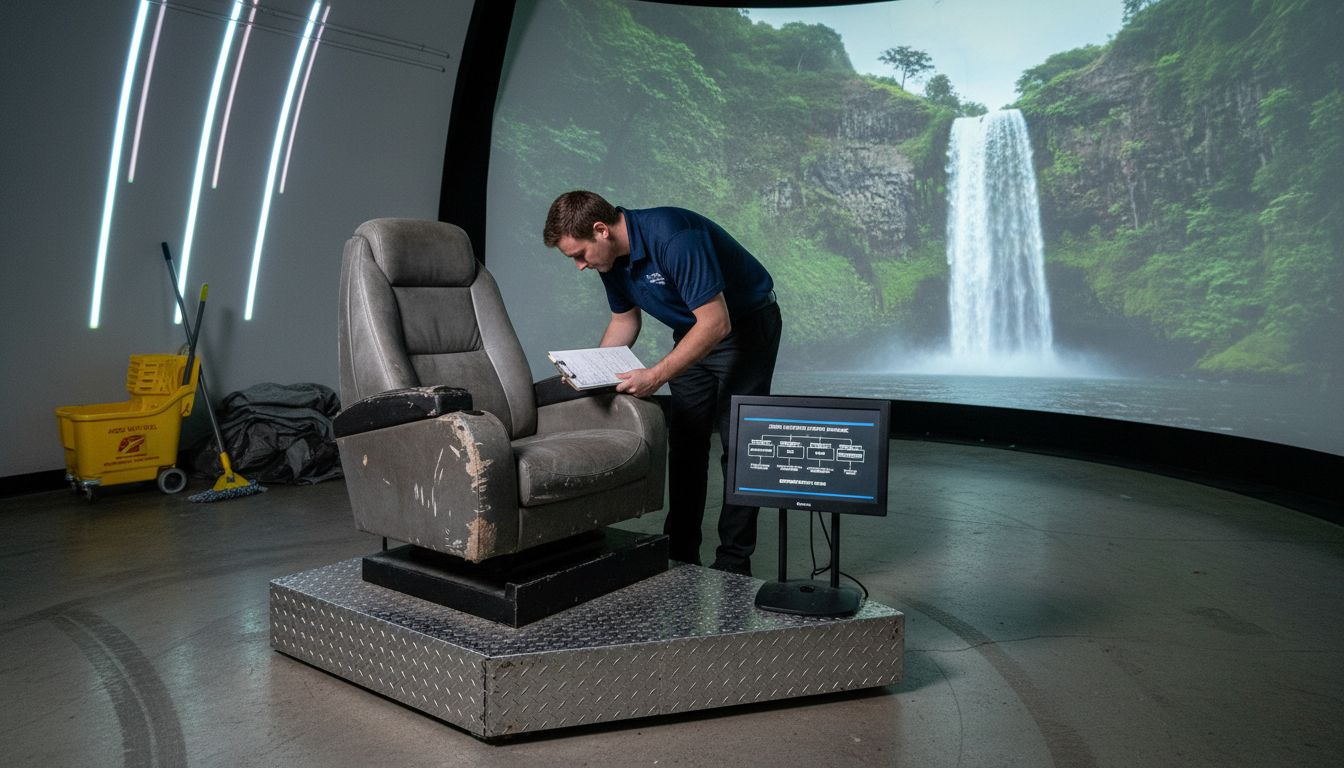
Beyond visual and kinetic elements, olfactory cues play a remarkable role in enhancing immersion. By introducing carefully curated scents that match on-screen environments, flying theaters can trigger deeper emotional and physiological responses. Imagine experiencing the crisp mountain air, the salty ocean breeze, or the earthy fragrance of a tropical forest – these sensory details transform a simple visual experience into a profoundly memorable journey.
Key technological features that enable this immersive experience include:
- Ultra-high-definition 8K visual displays
- Precision motion platforms with multiple axis movement
- Environmental effect generators for wind, mist, and temperature
- Scent distribution systems matching visual narratives
- Synchronized audio environments
Pro Tip for Maximum Immersion: Close your eyes momentarily during the experience to heighten your other sensory perceptions, allowing the wind, scents, and motion to create a more profound emotional connection with the narrative.
Cultural Storytelling and Hawaiian Legends Experience
Hawaiian legends represent far more than simple narratives – they are living cultural tapestries that connect generations, landscape, and spiritual understanding. Multisensory immersive technologies now offer unprecedented opportunities to transform these ancient stories from passive listening experiences into deeply engaging journeys that allow visitors to truly inhabit the mythological worlds of Hawaiian culture.
Traditional storytelling methods often struggle to convey the profound complexity of Hawaiian mythology. Flying theaters bridge this gap by creating interactive narrative landscapes that breathe life into legendary tales. Imagine experiencing the epic story of Pele, the volcano goddess, not just through words, but by feeling the heat of volcanic eruptions, hearing the rumble of shifting earth, and witnessing the dramatic transformations of Hawaiian landscapes through immersive visual storytelling.
Interactive mixed reality experiences provide a revolutionary approach to cultural education, allowing visitors to examine and understand Hawaiian legends from multiple perspectives. These technologies go beyond simple entertainment, serving as powerful tools for cultural preservation and meaningful cross-cultural understanding. By integrating sensory elements that reflect the emotional and spiritual dimensions of Hawaiian storytelling, flying theaters create profound connections between visitors and the rich cultural heritage of the Hawaiian Islands.
Key aspects of this immersive cultural storytelling include:
- Authentic representation of Hawaiian mythological narratives
- Sensory experiences that mirror traditional storytelling techniques
- Emotional engagement through multi-dimensional storytelling
- Preservation and celebration of indigenous cultural knowledge
- Interactive experiences that respect and honor Hawaiian traditions
Pro Tip for Cultural Immersion: Approach Hawaiian legends with genuine curiosity and respect, understanding that these are not just stories, but living cultural expressions that carry deep spiritual and historical significance.
Comparing Flying Theaters to Traditional Attractions
Traditional attractions often leave visitors wanting more – a passive experience that fails to truly engage the imagination. Flying theaters represent a revolutionary departure from static rides and conventional tourist experiences, transforming how visitors interact with storytelling and cultural exploration.
Unlike traditional museum exhibits or standard theme park rides that restrict movement and perspective, flying theaters offer dynamic, multi-sensory experiences that adapt in real-time. Where a typical attraction might show a Hawaiian landscape through a fixed window or static display, flying theaters immerse guests in a 360-degree environment that responds to their movements, creating a sense of genuine exploration. The motion-synchronized platforms move in harmony with high-definition visuals, allowing visitors to feel the landscape’s contours, wind, and atmospheric changes.
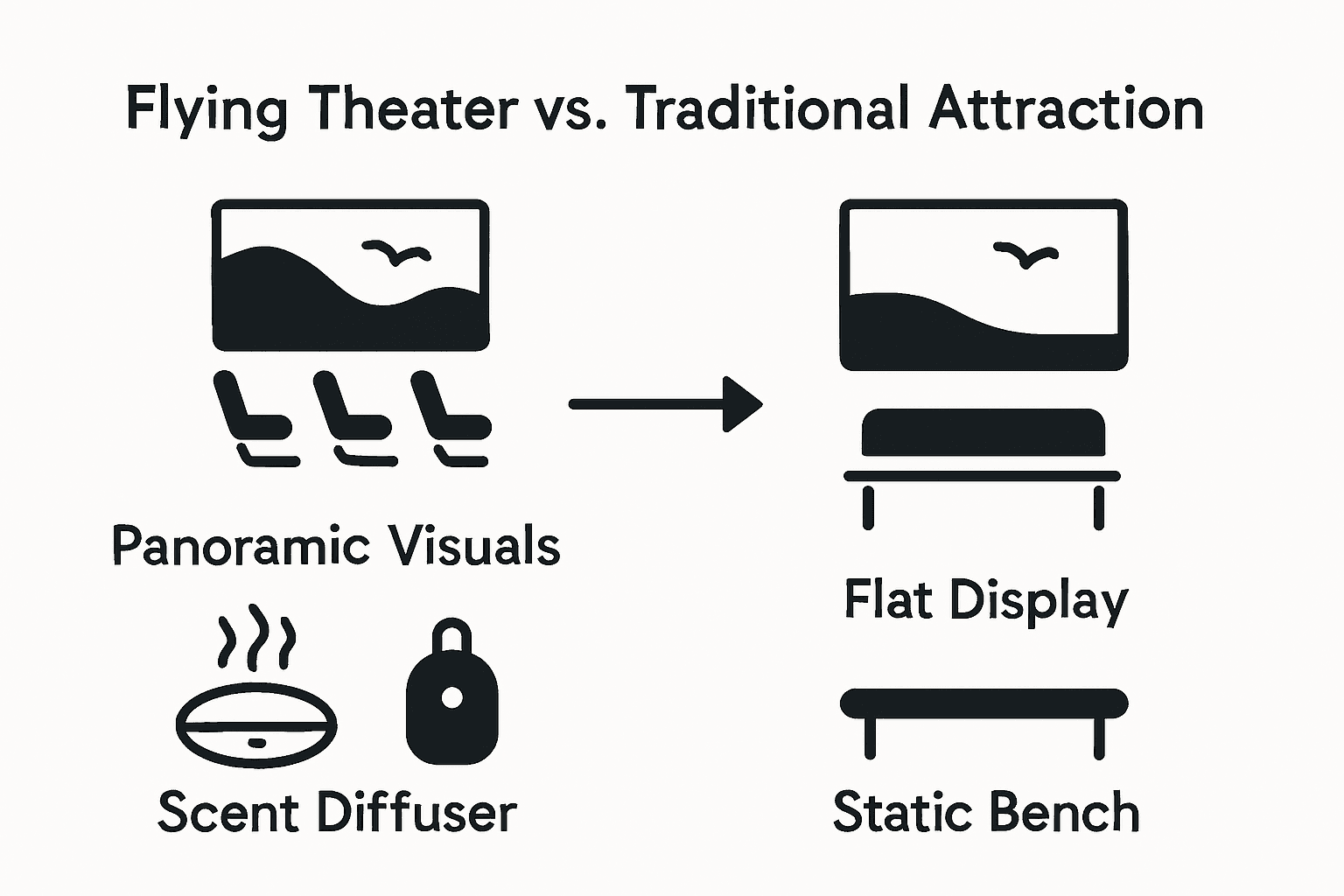
Cinematic virtual reality technologies further distinguish flying theaters from conventional attractions by providing unprecedented levels of audience engagement. Visitors are no longer passive observers but active participants in a narrative journey. Spatialized audio, precise motion effects, and environmental cues like scent and temperature transform the experience from mere entertainment to a profound cultural connection.
Key differences between flying theaters and traditional attractions include:
- Complete 360-degree immersive environments
- Dynamic, responsive storytelling experiences
- Multi-sensory engagement beyond visual stimulation
- Interactive narrative structures
- Personalized exploration of cultural landscapes
- Technologically advanced presentation methods
Pro Tip for Attraction Selection: Choose experiences that engage multiple senses and tell compelling stories, not just those that offer surface-level entertainment.
Here’s a concise comparison of flying theaters versus traditional attractions to help clarify their unique value:
| Aspect | Flying Theaters | Traditional Attractions |
|---|---|---|
| Level of Immersion | Full sensory engagement | Mainly visual or auditory |
| Audience Role | Active participant | Passive observer |
| Cultural Connection | Deep, narrative-driven | Often superficial |
| Adaptability | Technology-driven customization | Fixed experience design |
| Sensory Elements | Includes wind and scents | Rarely used |
Practical Considerations: Access, Packages, and Suitability
Flying theater experiences require thoughtful planning to maximize enjoyment and accessibility. Flexible venue integration means these attractions can accommodate diverse audience needs, from families with young children to seasoned travelers seeking unique cultural experiences.
Understanding the range of available options is crucial for visitors. Different flying theater configurations offer seated and standing versions, ensuring that guests with varying mobility levels can participate. Some experiences provide specialized packages tailored to specific interests – cultural tours, photographic experiences, or family-friendly adventures. Pricing structures typically include options like standard admission, VIP experiences, group rates, and annual passes that provide multiple visit opportunities.
Accessibility goes beyond physical accommodations. Modern flying theaters consider sensory sensitivities, offering adjustable intensity levels for motion and environmental effects. Families with children, seniors, and individuals with specific comfort requirements can often customize their experience. Some venues provide pre-experience briefings, allowing guests to understand exactly what to expect and make informed choices about participation.
Key practical considerations include:
- Multiple package options for different budgets
- Varied seating and standing configurations
- Age and height restrictions
- Sensory intensity level adjustments
- Group and family-friendly experiences
- Options for advance booking and online reservations
- Potential discounts for early or off-peak times
Pro Tip for Optimal Experience: Always check specific attraction requirements beforehand, including age limits, height restrictions, and any special needs accommodations to ensure a smooth and enjoyable visit.
Review the main considerations when choosing a flying theater experience:
| Consideration | Why It Matters | Potential Options |
|---|---|---|
| Package Variety | Fits guest interests and budgets | Standard, VIP, annual pass |
| Accessibility | Ensures all guests can participate | Seated, standing, sensory control |
| Age Suitability | Promotes safety for all visitors | Age/height restrictions |
| Booking Flexibility | Reduces wait times and stress | Online, advance, off-peak discounts |
Discover the Ultimate Hawaiian Flying Theater Experience
If you are eager to move beyond traditional attractions and dive into a fully immersive journey that blends cutting-edge 8K visuals, synchronized motion, and authentic Hawaiian scents, Flight of Aloha offers the perfect solution. The challenge many Hawaii visitors face is finding an experience that not only entertains but also deeply connects them to Hawaii’s rich cultural storytelling and breathtaking landscapes. Our flying theater addresses this by combining advanced immersive technology with genuine Hawaiian legends like those told through our “Naupaka” and “Lahaina” ride films.

Experience the magic of a flying theater designed to engage all your senses while honoring the spirit of Hawaii. Don’t miss out on exclusive packages including VIP access and annual passes to make your visit uniquely memorable. Act now to secure your spot and turn your trip to Kailua-Kona into an unforgettable adventure rooted in aloha. Explore more and book your immersive journey today at Flight of Aloha. Start with our detailed ride descriptions and discover how we bring Hawaiian legends to life unlike anywhere else.
Frequently Asked Questions
What are the primary benefits of flying theaters for visitors?
Flying theaters offer immersive storytelling experiences, allowing guests to engage with Hawaiian culture and landscapes through advanced technology like motion synchronization, high-definition visuals, and multi-sensory effects.
How do flying theaters differ from traditional attractions?
Flying theaters provide full sensory engagement, making visitors active participants in the narrative journey, unlike traditional attractions that typically focus on passive observation and may lack interactive or immersive elements.
What sensory elements enhance the experience in flying theaters?
Flying theaters incorporate wind, scents, and synchronized audio to elevate the storytelling, making the experience more immersive and engaging compared to standard rides and displays.
Are flying theater experiences suitable for all ages and mobility levels?
Yes, many flying theater experiences offer various seating configurations and sensory intensity adjustments to accommodate guests of all ages, including families with young children and individuals with mobility concerns.
Recommended
- How To Combine Flying Theater With Tours In Hawaii | Flight Of Aloha
- What Sets Hawaiian Theater Apart: Complete Guide | Flight Of Aloha
- 7 Ways To Enjoy Year-Round Family Fun In Hawaii | Flight Of Aloha
- What To Look For In A Great Hawaiian Attraction | Flight Of Aloha
- Emirates fairytale: Disney opens theme park in Abu Dhabi – Living on the Côte d’Azur