
Hawaiian Wind Simulation Effects: Enhancing Flight of Aloha
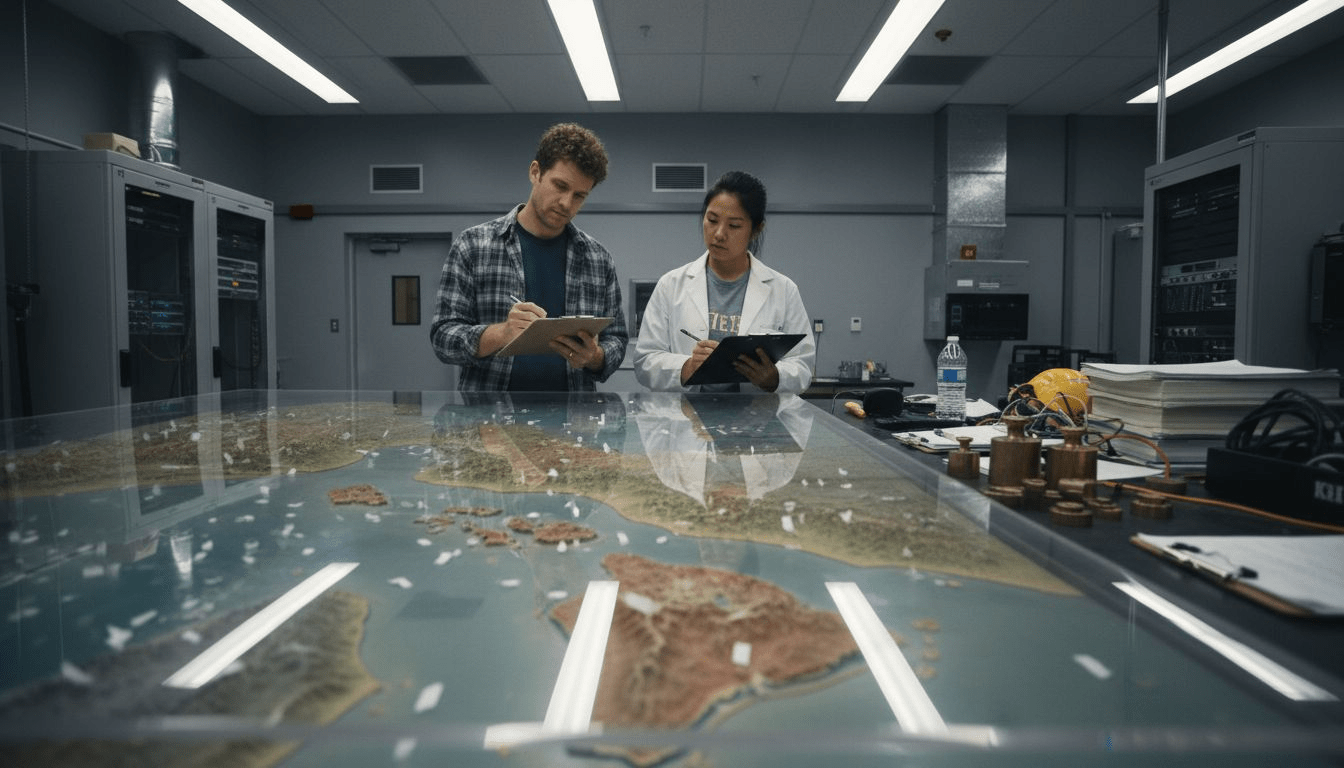
Over eighty percent of American visitors to Hawaii say that the islands’ unique weather creates lasting memories. Authentic wind simulation is more than just a technical marvel—it is a vital bridge to understanding how American innovation can replicate the breathtaking environmental diversity found only on the Hawaiian Islands. Discover how precise technology recreates complex wind patterns, turning scientific research into unforgettable sensory experiences.
Table of Contents
- Defining Hawaiian Wind Simulation Effects
- Replicating Authentic Hawaiian Wind Patterns
- Sensory Immersion In Flying Theater Attractions
- Integrating Wind With Hawaiian Cultural Storytelling
- Safety, Maintenance, And Environmental Impact
Key Takeaways
| Point | Details |
|---|---|
| Hawaiian Wind Dynamics | Understanding wind patterns in Hawaii is essential, as they are influenced by trade winds, topography, and seasonal variations. These factors create unique microclimates across the islands. |
| Immersive Technology in Attractions | Flight of Aloha uses advanced technology to replicate Hawaiian wind patterns, enhancing the visitor experience through multisensory integration. This approach enriches storytelling by making environmental elements active participants. |
| Cultural Integration of Wind | Wind is utilized as a narrative tool to convey Hawaiian mythology and cultural stories. By synchronizing wind dynamics with emotional storytelling, the attraction deepens the cultural experience for visitors. |
| Safety and Environmental Considerations | Flight of Aloha prioritizes safety with real-time monitoring and predictive maintenance. The attraction also emphasizes environmental responsibility through energy-efficient technologies, reflecting a commitment to ecological sustainability. |
Defining Hawaiian Wind Simulation Effects
Hawaiian wind simulation represents a sophisticated approach to understanding atmospheric dynamics specific to the unique topographical landscape of the Hawaiian Islands. Numerical simulations of high-resolution wind patterns reveal complex interactions between wind currents, terrain elevation, and atmospheric conditions that create remarkably intricate environmental phenomena.
The scientific complexity of wind simulation in Hawaii stems from multiple interconnected factors. Trade winds interacting with mountainous island terrain generate distinctive wind corridors characterized by sharp velocity transitions and remarkable temperature gradients. These wind systems demonstrate extraordinary variability, influenced by factors like elevation, coastal proximity, and localized atmospheric inversions. Researchers have discovered that wind patterns can dramatically shift within incredibly short geographical distances, creating microclimates with unique atmospheric characteristics.
Understanding these wind simulation effects requires examining several key components. Wind dynamics in Hawaii are primarily driven by:
- Trade wind consistency and directional stability
- Mountain range topographical interruptions
- Oceanic temperature differential impacts
- Atmospheric boundary layer interactions
- Seasonal meteorological variations
The Flight of Aloha attraction leverages these intricate wind simulation principles to create immersive experiences that authentically reproduce Hawaiian atmospheric conditions. By carefully engineering precise wind effects, visitors can experience the nuanced environmental dynamics that make Hawaii’s landscapes so extraordinary.
To better understand Hawaiian wind simulation, here is a summary of how key environmental factors influence wind dynamics on the islands:
| Environmental Factor | Influence on Wind Simulation | Real-World Effects |
|---|---|---|
| Mountain Terrain | Interrupts wind flow, creates corridors | Sharp wind velocity changes |
| Coastal Proximity | Alters local wind direction and speed | Microclimate formation |
| Ocean Temperature Gradient | Modifies atmospheric instability | Shifts in wind strength and pattern |
| Seasonal Variability | Changes prevailing wind conditions | Dynamic weather, varied wind events |
Pro Tip: Wind Simulation Insight: When exploring Hawaiian wind effects, pay close attention to how terrain elevation dramatically transforms wind patterns, creating microclimates with remarkable atmospheric diversity.
Replicating Authentic Hawaiian Wind Patterns
Replicating authentic Hawaiian wind patterns requires a sophisticated understanding of the unique atmospheric dynamics that define the Hawaiian landscape. Flight of Aloha’s immersive experience goes beyond simple wind simulation by carefully engineering precise environmental effects that capture the nuanced character of island meteorological systems. Top summer attraction experiences demonstrate how technological innovation can transform visitor understanding of complex wind interactions.
The process of authentically reproducing Hawaiian wind patterns involves intricate technological and environmental modeling. Specialized wind simulation systems integrate multiple sensory inputs to recreate the dynamic atmospheric conditions unique to Hawaiian islands. These systems account for critical variables such as trade wind directionality, mountain terrain interruptions, oceanic temperature influences, and seasonal meteorological variations. By strategically positioning high-precision wind generators and environmental control mechanisms, Flight of Aloha creates a multisensory experience that mimics the intricate wind corridors found across different Hawaiian microclimates.
Key components of wind pattern replication include:
- Precise wind speed modulation
- Directional wind current simulation
- Temperature gradient reconstruction
- Terrain-specific wind behavior modeling
- Atmospheric pressure variation recreation
The technological approach goes beyond simple mechanical simulation. Engineers and environmental specialists meticulously analyze wind pattern data to develop immersive experiences that feel genuinely Hawaiian. This commitment to authenticity allows visitors to experience the subtle nuances of island wind dynamics without leaving the attraction.
Pro Tip: Wind Pattern Insight: Pay close attention to how different wind speeds and directions can dramatically transform the sensory experience during your Flight of Aloha journey.
Sensory Immersion in Flying Theater Attractions
Sensory immersion transforms traditional entertainment experiences by engaging multiple human perception channels simultaneously. Flight of Aloha leverages cutting-edge technology to create a multisensory journey that transcends conventional visual storytelling. Immersive flight simulation technologies demonstrate how environmental effects like wind, temperature, and atmospheric conditions can dramatically enhance audience engagement.
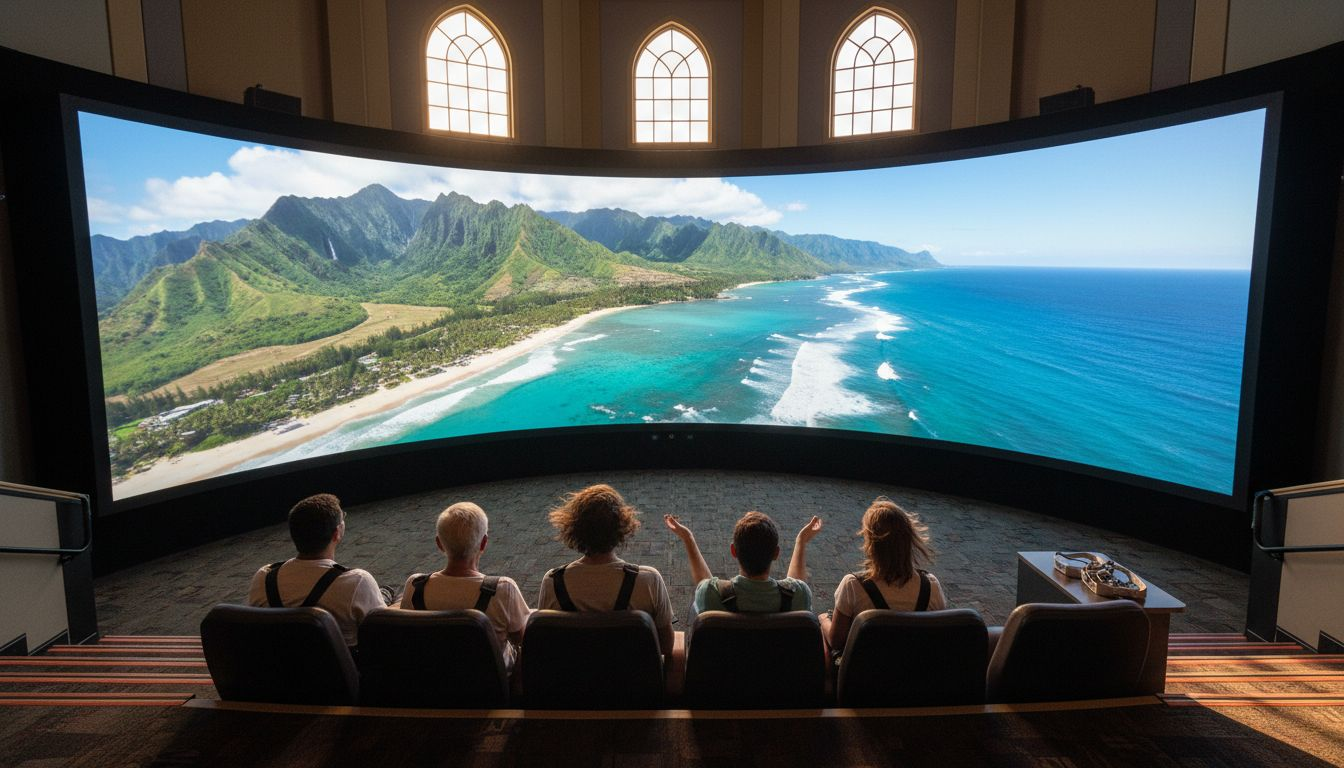
The core of sensory immersion lies in sophisticated technological integration. Advanced flying theater attractions employ complex systems that synchronize high-resolution visual displays with precisely controlled physical movements and environmental stimuli. These systems go beyond traditional motion platforms by incorporating nuanced sensory inputs such as directional wind currents, temperature variations, subtle scent releases, and precisely calibrated seat movements that mimic actual flight dynamics. Each element is meticulously engineered to create a cohesive, believable experience that tricks the human perceptual system into experiencing genuine spatial transportation.
Key components of sensory immersion include:
- High-resolution panoramic visual displays
- Motion-synchronized seating mechanisms
- Directional wind generation systems
- Temperature and humidity control
- Precision audio engineering
- Strategically designed scent distribution
Flight of Aloha’s approach represents a quantum leap in immersive entertainment technology. By integrating complex sensory inputs, the attraction creates an experience that is simultaneously educational, emotional, and profoundly engaging. Visitors don’t just observe a story about Hawaiian landscapes – they become active participants in a multisensory narrative that unfolds around them.
This table compares immersive technology elements used in flying theater attractions and their contributions to guest experience:
| Technology Element | Function in Attraction | Impact on Visitor Experience |
|---|---|---|
| Directional Wind Systems | Simulate natural airflow | Heightened sense of motion |
| Temperature Controls | Adjust ambient air temperature | Increase realism and authenticity |
| Panoramic Visuals | Provide wide, detailed landscapes | Deep immersion into Hawaiian scenes |
| Scent Distribution | Release location-specific aromas | Multi-sensory environmental effects |
Pro Tip: Sensory Experience Insight: Close your eyes periodically during the attraction to heighten your awareness of the intricate environmental effects surrounding you.
Integrating Wind With Hawaiian Cultural Storytelling
Integrating wind with Hawaiian cultural storytelling represents a profound artistic and technological approach to preserving and sharing indigenous narratives. Innovative performance techniques demonstrate how environmental elements can become powerful storytelling vehicles that connect audiences with deep cultural traditions. Flight of Aloha transforms wind from a mere physical phenomenon into a narrative instrument that breathes life into Hawaiian legends.
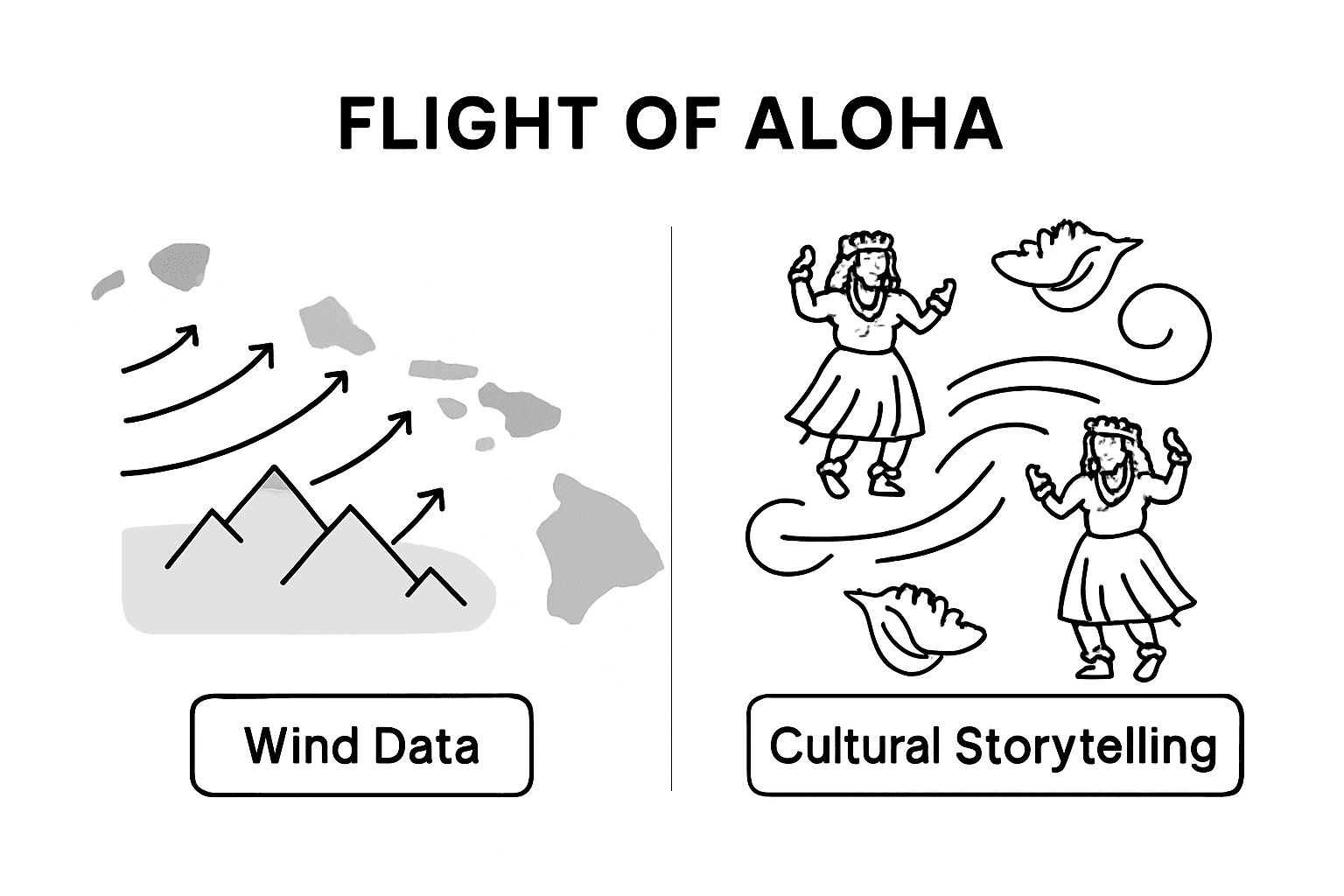
The integration process involves sophisticated technological and cultural choreography. Wind becomes more than an atmospheric condition – it emerges as a character, a metaphor, and a storytelling mechanism that reflects Hawaiian spiritual understanding. Traditional Hawaiian cosmology perceives wind as a living entity with consciousness, intelligence, and emotional depth. By precisely controlling wind speeds, directions, and intensities, Flight of Aloha creates atmospheric conditions that mirror emotional landscapes within Hawaiian narratives, allowing visitors to experience stories through multiple sensory dimensions.
Key strategies for wind and cultural storytelling integration include:
- Matching wind dynamics with narrative emotional states
- Using wind variations to represent spiritual transformations
- Creating atmospheric metaphors for character journeys
- Synchronizing wind effects with indigenous musical rhythms
- Reflecting traditional Hawaiian wind-related spiritual concepts
Flight of Aloha’s approach transcends traditional entertainment by treating wind as a narrative language. Each gust, breeze, and wind current becomes a storytelling tool that communicates cultural nuances, spiritual concepts, and historical experiences. Visitors don’t simply observe Hawaiian stories – they feel them, breathe them, and become part of an immersive cultural dialogue facilitated by meticulously engineered environmental interactions.
Pro Tip: Storytelling Insight: Listen closely to how wind sounds and feels during the experience, as each variation carries deeper cultural meanings beyond simple atmospheric effects.
Safety, Maintenance, and Environmental Impact
Safety stands as the paramount consideration in any advanced flying theater attraction, particularly one simulating complex wind environments. Advanced airwake hazard modeling techniques demonstrate the critical importance of understanding precise wind dynamics to ensure visitor safety and operational reliability. Flight of Aloha integrates multiple layers of safety protocols that go far beyond standard entertainment attraction requirements.
The attraction’s safety infrastructure encompasses comprehensive systems designed to monitor and control environmental simulation parameters. Sophisticated sensor networks continuously track wind generation equipment, motion platforms, and environmental effect mechanisms. These real-time monitoring systems include multiple redundant checkpoints that can instantly detect and neutralize potential mechanical anomalies. Specialized maintenance teams conduct rigorous daily inspections, ensuring that every wind generation component operates within strict performance and safety tolerances. Advanced diagnostics allow for predictive maintenance, identifying potential equipment stress points before they become operational risks.
Key safety and maintenance considerations include:
- Continuous real-time equipment monitoring
- Daily comprehensive mechanical inspections
- Predictive maintenance algorithms
- Redundant safety control systems
- Precise wind effect calibration protocols
- Environmental impact assessment procedures
Environmental responsibility remains a core philosophy of Flight of Aloha’s operational approach. The attraction employs energy-efficient wind generation technologies that minimize carbon footprint while delivering exceptional sensory experiences. By utilizing precision engineering and sustainable design principles, the attraction demonstrates how immersive entertainment can coexist harmoniously with ecological conservation goals. The wind simulation systems are designed to be both technologically advanced and environmentally conscious, reflecting Hawaii’s deep cultural commitment to preserving natural landscapes.
Pro Tip: Safety Awareness: Always listen to staff instructions and pay attention to safety guidelines before experiencing the attraction, as understanding the protocols enhances your overall experience.
Experience Hawaiian Wind Simulation Like Never Before
The article highlights the challenges of authentically replicating Hawaii’s unique wind dynamics and the intricate environmental factors that shape them. If you have ever wanted to truly feel the magic of Hawaiian trade winds and dramatic mountain breezes while exploring cultural stories, Flight of Aloha delivers exactly that. Our immersive flying theater attraction in Kailua-Kona blends advanced wind simulation with 8K visuals and sensory effects to recreate the sharp velocity changes, temperature gradients, and microclimates discussed in the article.
Feel the precision of terrain-specific wind corridors and seasonal variations as you journey through captivating Hawaiian legends like Naupaka and Lahaina. With careful engineering of wind speeds, directions, and atmospheric sensations, Flight of Aloha turns complex meteorological science into a breathtaking emotional experience that connects you with the islands’ spirit. To fully appreciate how wind becomes a living narrative and elevates storytelling, explore our immersive experiences and VIP packages that put you at the heart of Hawaiian culture.
Ready to immerse yourself in the wonders of Hawaiian wind simulation today?

Discover the attraction that brings the Hawaiian skies to life. Book your ticket now at Flight of Aloha and experience the authentic atmospheric journey of a lifetime. For a deeper dive into our unique ride films and immersive technology, explore the full range of experiences on our main site Flight of Aloha. Don’t miss out on the chance to soar over Hawaii in a way only Flight of Aloha can deliver.
Frequently Asked Questions
How does Hawaiian wind simulation work in the Flight of Aloha attraction?
Hawaiian wind simulation in the Flight of Aloha attraction uses advanced technology to recreate authentic wind patterns based on the unique atmospheric dynamics of the Hawaiian Islands. The system integrates variables such as trade winds, mountain terrain, and ocean temperature to create realistic environmental effects.
What are the key features of the wind simulation technology used in the attraction?
The wind simulation technology includes precise wind speed modulation, directional wind current simulation, and temperature gradient reconstruction. It also incorporates atmospheric pressure variation to enhance the realism of the experience.
How does the attraction ensure visitor safety while simulating complex wind environments?
Visitor safety is a top priority, with comprehensive systems in place for continuous monitoring of environmental simulation parameters. Rigorous daily inspections and advanced diagnostics are conducted to maintain safety standards and ensure equipment reliability.
What cultural narratives are integrated with the wind simulation in the Flight of Aloha experience?
The attraction uses wind as a storytelling mechanism to convey Hawaiian cultural narratives. Wind dynamics are matched with emotional aspects of the stories, representing spiritual transformations and enhancing the cultural experience for visitors.