
Helicopter Tour vs Simulation Ride: Complete Guide
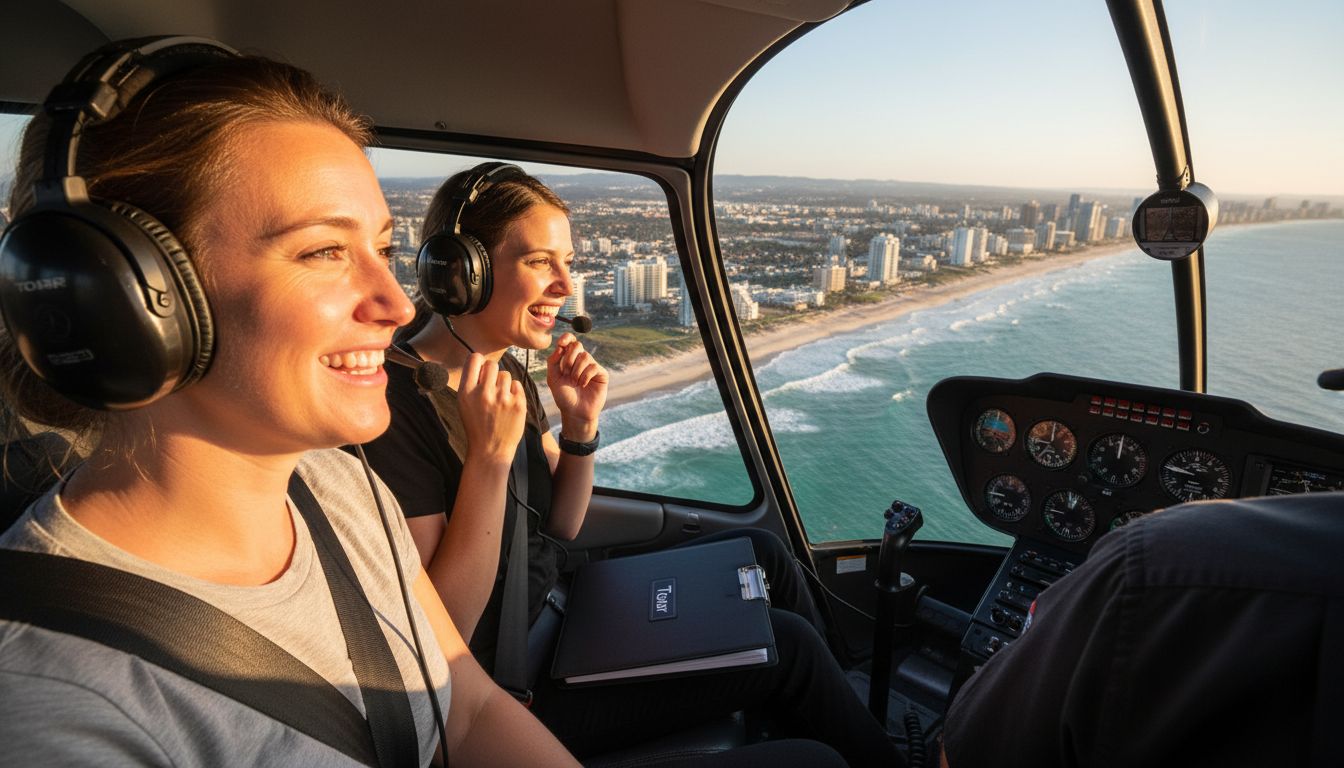
More than 60 percent of american travelers now look for unique aerial experiences when they plan a vacation. Choosing between a real helicopter tour and a cutting-edge simulation ride is not always simple. Both promise stunning views and heart-pounding excitement, but each delivers something truly distinct. Whether you crave the rush of soaring above iconic landscapes or want a safer, affordable taste of flight, learning the key differences will help you decide which adventure fits your dreams.
Table of Contents
- Defining Helicopter Tours And Simulation Rides
- Types Of Tours And Simulation Experiences
- How Each Experience Works And Feels
- Safety, Accessibility, And Legal Differences
- Cost Comparison And Who Each Suits Best
Key Takeaways
| Point | Details |
|---|---|
| Helicopter Tours vs. Simulation Rides | Helicopter tours offer real aerial experiences with authentic environmental interactions, while simulation rides use technology to replicate the sensation of flight without actual movement. |
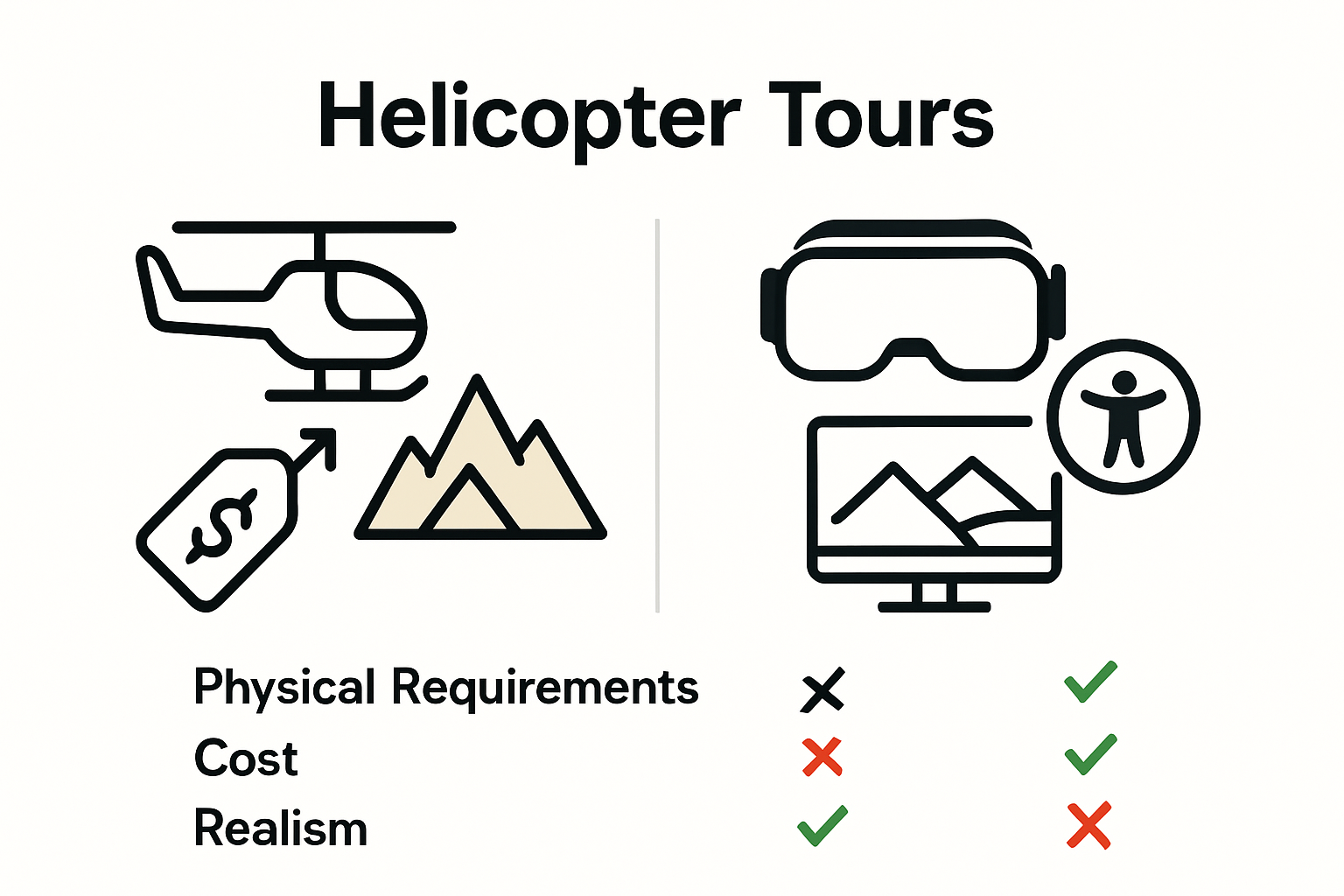
| Cost and Accessibility | Helicopter tours are significantly more expensive and have more physical restrictions compared to simulation rides, which can accommodate a broader audience at a lower price point. |
| Safety Considerations | Helicopter tours involve actual risks related to weather and flight, whereas simulation rides provide a completely controlled and safe environment with no transportation hazards. |
| Experience Differences | Helicopter tours deliver genuine atmospheric sensations and real landscape views, while simulation rides offer engineered experiences that can be customized for emotional impact and accessibility. |
Defining Helicopter Tours And Simulation Rides
People seeking immersive aerial experiences have two primary options: traditional helicopter tours and modern simulation rides. While both promise spectacular views and thrilling perspectives, they deliver dramatically different experiences. Helicopter tours involve actual flight over landscapes, while simulator rides create virtual environments that mimic aerial journeys without leaving the ground.
Helicopter Tours represent real-world aerial exploration where passengers board an actual aircraft and physically travel above terrain. These experiences allow direct interaction with real geographical landscapes, providing authentic perspectives of locations like Hawaii’s diverse topography. Professional pilots navigate through actual atmospheric conditions, offering unfiltered views of mountains, coastlines, and volcanic regions.
Simulation Rides, by contrast, are carefully engineered entertainment attractions that replicate flight experiences through advanced technological systems. These rides utilize motion platforms and synchronized visual displays to create immersive environments that trick human sensory perception. Sophisticated simulator rides can generate incredibly realistic sensations of movement, wind, and visual panoramas without actual aerial transportation.
Key differences between helicopter tours and simulation rides include:
- Physical Location: Helicopter tours occur in actual airspace; simulation rides happen in controlled indoor environments
- Sensory Experience: Real tours provide authentic environmental interactions; simulations create engineered sensory replications
- Cost: Helicopter tours typically cost significantly more than simulation experiences
- Accessibility: Simulation rides accommodate more people and have fewer physical restrictions compared to actual helicopter flights
Types Of Tours And Simulation Experiences
Helicopter tours and simulation experiences represent two distinct approaches to aerial exploration, each offering unique perspectives and thrilling encounters. Diverse helicopter tour experiences range from scenic landscape overflights to specialized adventure routes that showcase extraordinary geographical features. These tours can transform travelers’ understanding of landscapes by providing breathtaking aerial viewpoints that ground-based experiences cannot replicate.
Helicopter Tour Varieties include several specialized categories designed to cater to different interests and adventure levels:
- Scenic Landscape Tours: Panoramic flights over natural wonders like mountains, coastlines, and national parks
- Urban Skyline Tours: Aerial journeys showcasing city landscapes and architectural marvels
- Photography Expeditions: Specialized tours allowing photographers unique aerial shooting opportunities
- Adventure Exploration Tours: Flights targeting specific geographical features like volcanoes, glaciers, or remote wilderness regions
Simulation Experiences offer technologically advanced alternatives that replicate aerial journeys through sophisticated engineering. These immersive attractions use motion platforms, high-definition visual displays, and sensory stimulation to create incredibly realistic flight environments. Advanced simulation technologies can generate experiences that closely mimic actual aerial transportation, providing accessible and controlled adventure opportunities for individuals with physical limitations or budget constraints.
Unlike traditional helicopter tours that require significant financial investment and physical mobility, simulation experiences democratize aerial exploration. They provide safe, repeatable, and customizable experiences that can be enjoyed by a broader range of individuals, making extraordinary perspectives accessible to everyone regardless of age, physical condition, or economic background.
How Each Experience Works And Feels
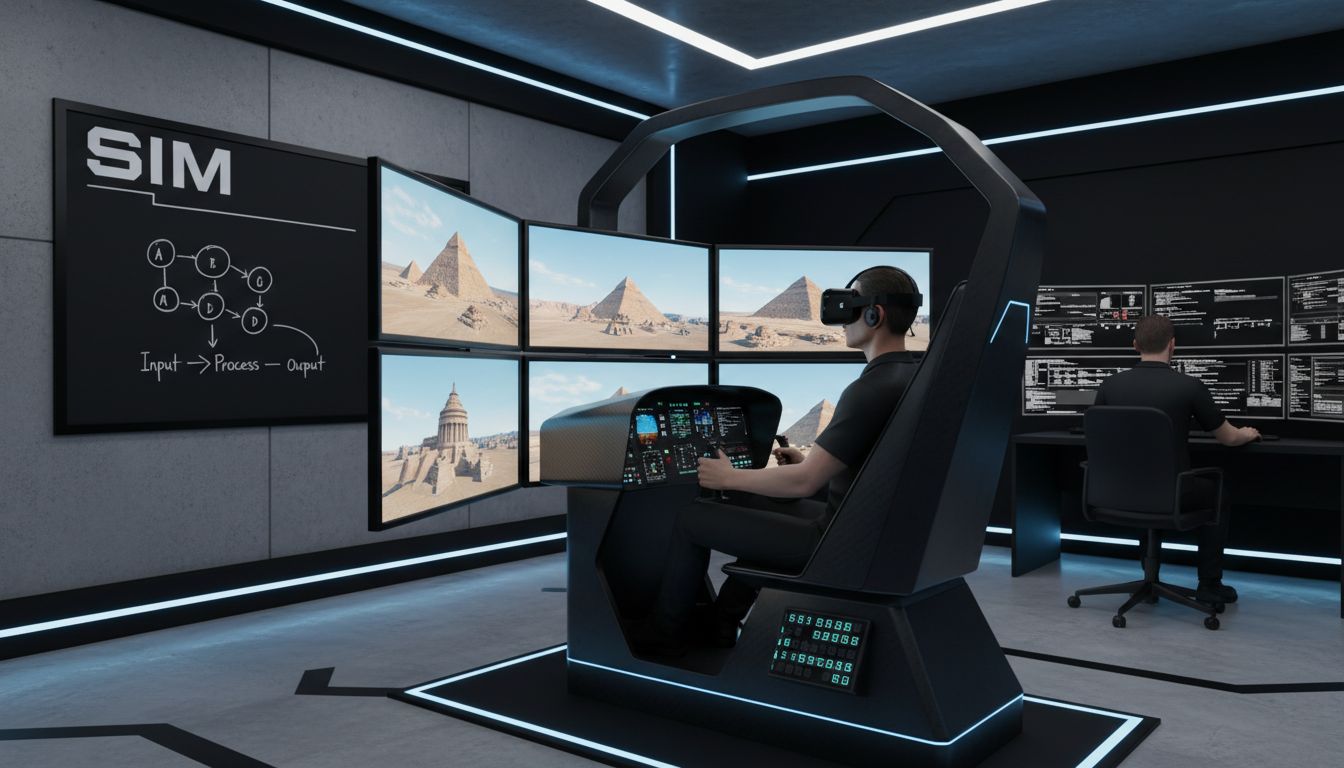
Simulator rides transform aerial experiences by combining sophisticated technological elements that engage multiple sensory perceptions simultaneously. These immersive attractions use synchronized seat movements, high-definition visual displays, and carefully engineered environmental effects to create incredibly realistic flight simulations that trick the human brain into believing it’s actually traveling through space.
Helicopter Tour Experience Mechanics involve real-world physical transportation that provides unfiltered sensory interactions. Passengers experience authentic atmospheric conditions, direct wind resistance, actual geographical perspectives, and genuine environmental sounds. The physical sensations include:
- Vibration: Natural aircraft engine and rotor movements
- Wind Resistance: Actual air currents and directional changes
- Sound: Genuine helicopter acoustic environments
- Visual Authenticity: Unobstructed, real-time landscape views
Simulation Ride Technological Components rely on advanced engineering to recreate flight experiences. Virtual reality technologies enable these attractions to generate remarkably precise sensory replications through motion platforms, high-fidelity sound systems, and immersive visual displays. These systems strategically manipulate human perception, creating experiences that feel remarkably close to actual aerial journeys.
The primary difference lies in sensory authenticity. Helicopter tours provide raw, unfiltered experiences with genuine environmental interactions, while simulation rides offer controlled, repeatable experiences that can be precisely engineered to maximize emotional impact and minimize physical risk. Both approaches ultimately aim to deliver extraordinary perspectives that transform how individuals understand and experience aerial landscapes.
Safety, Accessibility, And Legal Differences
Safety considerations dramatically distinguish helicopter tours from simulation rides, with each experience presenting unique risk management approaches. Military training simulators demonstrate how technological systems can create controlled environments that minimize physical risks while providing immersive experiences, a principle directly applicable to civilian aerial simulation attractions.
Safety Characteristics for each experience include:
- Helicopter Tours:
- Actual environmental risks
- Weather dependency
- Potential mechanical complications
- Pilot skill and experience critical
- Simulation Rides:
- Completely controlled environment
- Zero physical transportation risks
- Consistent, predictable experiences
- Engineered for maximum safety
Accessibility Differences represent another critical distinction between these experiences. Immersive simulation technologies enable individuals with physical limitations, age restrictions, or budget constraints to experience aerial journeys previously impossible. Simulation rides can accommodate people with mobility challenges, height restrictions, or medical conditions that would prevent traditional helicopter tour participation.
Legal frameworks surrounding these experiences also differ substantially. Helicopter tours require extensive aviation regulations, pilot certifications, aircraft maintenance protocols, and passenger insurance considerations. Simulation rides operate under entertainment attraction guidelines, with significantly reduced legal complexity and lower insurance requirements. This fundamental difference allows simulation experiences to offer more consistent, accessible, and financially approachable aerial exploration opportunities for diverse populations.
Cost Comparison And Who Each Suits Best
Helicopter tours across various global destinations demonstrate significant price variability, with experiences ranging from budget-friendly to luxury adventure options. The cost spectrum reflects multiple factors including destination, flight duration, aircraft type, and specific tour configurations.
Cost Breakdown for typical experiences:
- Helicopter Tours:
- Average Price Range: $200 – $500 per person
- Luxury Experiences: $600 – $1,500 per person
- Duration: 30 minutes to 2 hours
- Location-dependent pricing
- Simulation Rides:
- Average Price Range: $25 – $75 per person
- Group Discounts Available
- Consistent Fixed Pricing
- 15-30 minute experiences
Target Audience Considerations reveal distinct preferences for each experience. Immersive tourism experiences demonstrate that different travelers seek unique perspectives based on personal limitations, interests, and financial capabilities. Helicopter tours appeal to adventure enthusiasts, photographers, and travelers with flexible budgets, while simulation rides attract families, budget-conscious tourists, individuals with physical restrictions, and those seeking controlled, repeatable aerial experiences.
Ultimately, the choice between helicopter tours and simulation rides depends on individual priorities. Travelers seeking authentic, unfiltered experiences will gravitate toward actual helicopter journeys, while those prioritizing safety, affordability, and accessibility will find simulation rides more appealing. Both options offer extraordinary perspectives, ensuring that personal aerial exploration remains within reach for diverse audiences.
Discover the Ultimate Aerial Experience Beyond Traditional Helicopter Tours
Choosing between a real helicopter flight and a simulation ride can be challenging. You want thrilling, immersive views but also crave safety, accessibility, and affordability. This guide highlights that while helicopter tours offer authentic sensory encounters, simulation rides provide controlled, repeatable adventures without the high cost or physical limitations.
If you want the excitement of flying over Hawaii’s stunning landscapes combined with cutting-edge technology that engages all your senses, explore what Flight of Aloha offers. With breathtaking 8K visuals, dynamic motion, scents, and wind effects, our immersive flying theater attraction brings the magic of helicopter tours into a safe, comfortable, and culturally rich environment right in Kailua-Kona.

Experience the best of both worlds by visiting Flight of Aloha and discover ride films like ‘Naupaka’ and ‘Lahaina’ that transport you high above Hawaii’s beauty. Ready for an extraordinary cultural journey rooted in aloha? Book your immersive adventure today for a unique way to fly over Hawaii without ever leaving the ground. Learn more and secure your tickets now at Flight of Aloha.
Frequently Asked Questions
What are the main differences between helicopter tours and simulation rides?
Helicopter tours provide real-world aerial experiences with actual flights, while simulation rides use advanced technology to replicate the feeling of flight without leaving the ground.
How does the sensory experience differ between helicopter tours and simulator rides?
Helicopter tours offer authentic sensory interactions, including vibrations, wind resistance, and real geographical views. Simulation rides, however, create engineered sensory replications through motion platforms and visual displays.
What is the cost difference between helicopter tours and simulation rides?
Helicopter tours typically range from $200 to $1,500 per person, depending on the experience, while simulation rides usually cost between $25 and $75 per person, making them more budget-friendly.
Who would benefit from a simulation ride instead of a helicopter tour?
Simulation rides are ideal for individuals with physical limitations, those on a tighter budget, or families seeking a controlled, repeatable experience without the risks associated with actual flights.