
Helicopter Tours vs. Flying Theaters in Hawaii
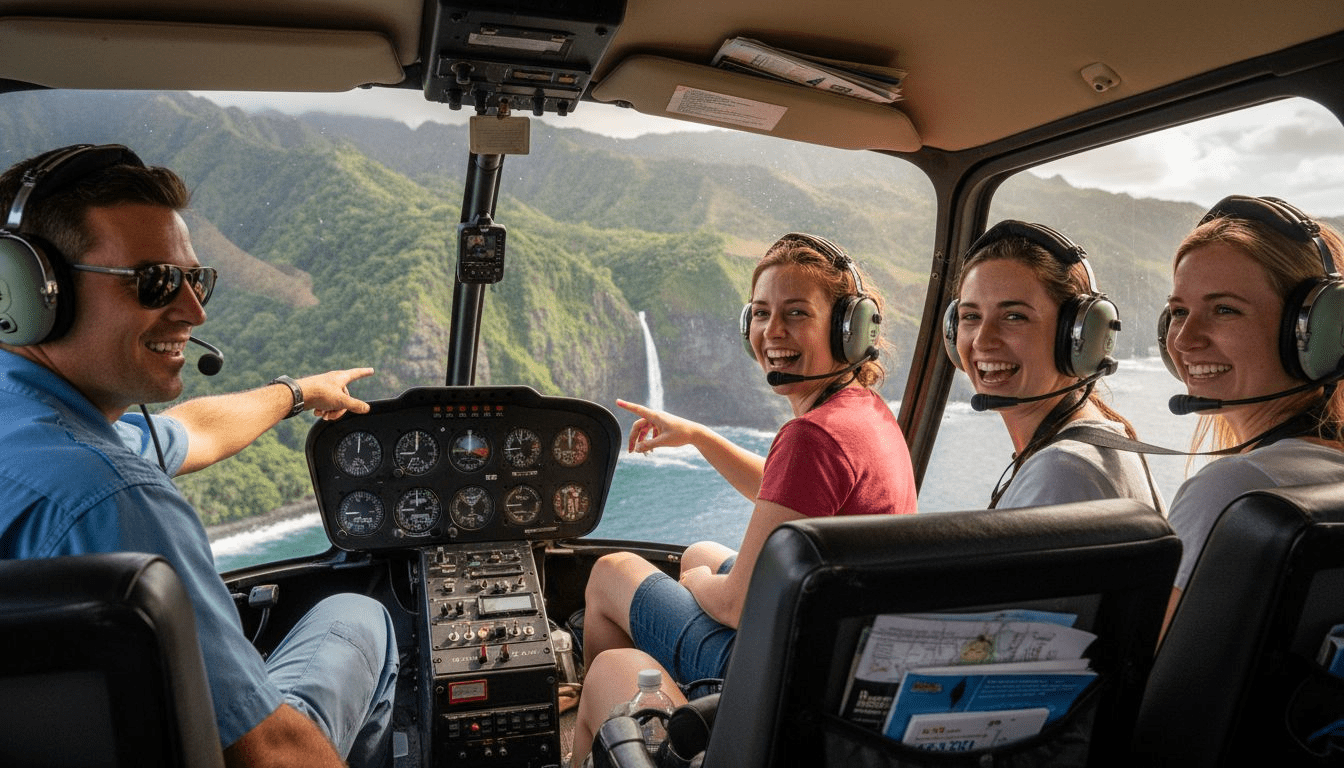
Most American travelers are surprised to learn that over 85 percent of visitors now choose between helicopter tours and flying theaters for their Hawaiian adventure. Choosing how to experience Hawaii’s iconic landscapes is more than a simple sightseeing decision. This guide reveals how real flight and state-of-the-art simulations each deliver unforgettable ways to view the islands, making it easier to match your comfort, budget, and sense of adventure.
Table of Contents
- Defining Helicopter Tours And Flying Theaters
- Core Features: Flight Versus Immersion
- Experience Types: Real Views And Virtual Journeys
- Safety, Accessibility, And Age Restrictions Compared
- Costs, Environmental Impact, And Group Suitability
Key Takeaways
| Point | Details |
|---|---|
| Experience Types | Helicopter tours offer authentic aerial exploration, while flying theaters provide immersive, simulated journeys enriched with storytelling. |
| Accessibility | Flying theaters accommodate a wider range of ages and physical abilities compared to helicopter tours, making them more inclusive. |
| Cost Differences | Helicopter tours are generally more expensive, ranging from $200 to $500, whereas flying theaters are more budget-friendly at $25 to $50 per person. |
| Group Capacity | Helicopter tours limit participants to small groups of 4-6, while flying theaters can host larger groups of 30-60, enhancing shared experiences. |
Defining Helicopter Tours and Flying Theaters
Visitors to Hawaii have two extraordinary options for experiencing the islands’ breathtaking landscapes: traditional helicopter tours and innovative flying theaters. A helicopter is a unique rotorcraft that provides aerial transportation using horizontally-spinning rotors, allowing vertical takeoff, hovering, and directional flight. These tours offer visitors an opportunity to explore Hawaii’s diverse terrain from a bird’s-eye perspective, revealing stunning volcanic landscapes, lush rainforests, and dramatic coastal vistas.
In contrast, a flying theater represents a cutting-edge entertainment technology that creates immersive aerial experiences through sophisticated motion systems and expansive screens. Unlike traditional helicopter tours, flying theaters simulate flight without leaving a stationary location. These attractions use advanced motion platforms, high-resolution visuals, wind effects, and even scent technologies to recreate the sensation of soaring over Hawaiian landscapes. Visitors can experience dramatic aerial journeys across islands, volcanoes, and coastlines with extraordinary sensory precision.
Both experiences offer unique advantages for travelers seeking to understand Hawaii’s remarkable geography. Helicopter tours provide authentic, real-world aerial exploration with actual flight routes and immediate environmental interactions. Flying theaters, however, deliver consistent, controlled experiences that can incorporate cultural storytelling, historical narratives, and precise cinematographic techniques impossible during actual flight. While helicopter tours depend on weather conditions and limited seating, flying theaters can accommodate larger groups and offer repeatable, predictable experiences that capture Hawaii’s essence.
Pro Tip – Experience Selection: Consider your comfort level, budget, and desired experience when choosing between helicopter tours and flying theaters. Helicopter tours offer real-world exploration, while flying theaters provide controlled, immersive storytelling experiences that can be enjoyed by travelers of all ages and mobility levels.
Core Features: Flight Versus Immersion
Hawaiian aerial experiences fundamentally differ in their approach to showcasing the islands’ stunning landscapes. Flying theaters leverage sophisticated motion platforms synchronized with cinematic projections to simulate flight, creating an artificial yet deeply engaging aerial journey. These immersive attractions combine advanced technology like high-resolution screens, precise motion systems, wind simulation, and even scent technologies to replicate the sensation of flying over volcanic terrains, lush rainforests, and dramatic coastlines.
Helicopter tours, by contrast, provide authentic, real-world aerial exploration that offers genuine environmental interactions. Professional pilots navigate actual flight paths, allowing passengers to experience raw, unfiltered Hawaiian geography. These tours enable travelers to witness live geological features, observe wildlife from unique perspectives, and capture genuine photographic moments that cannot be replicated in simulated environments. The unpredictability of weather, wildlife movements, and natural lighting adds an element of spontaneity and adventure missing from controlled theater experiences.
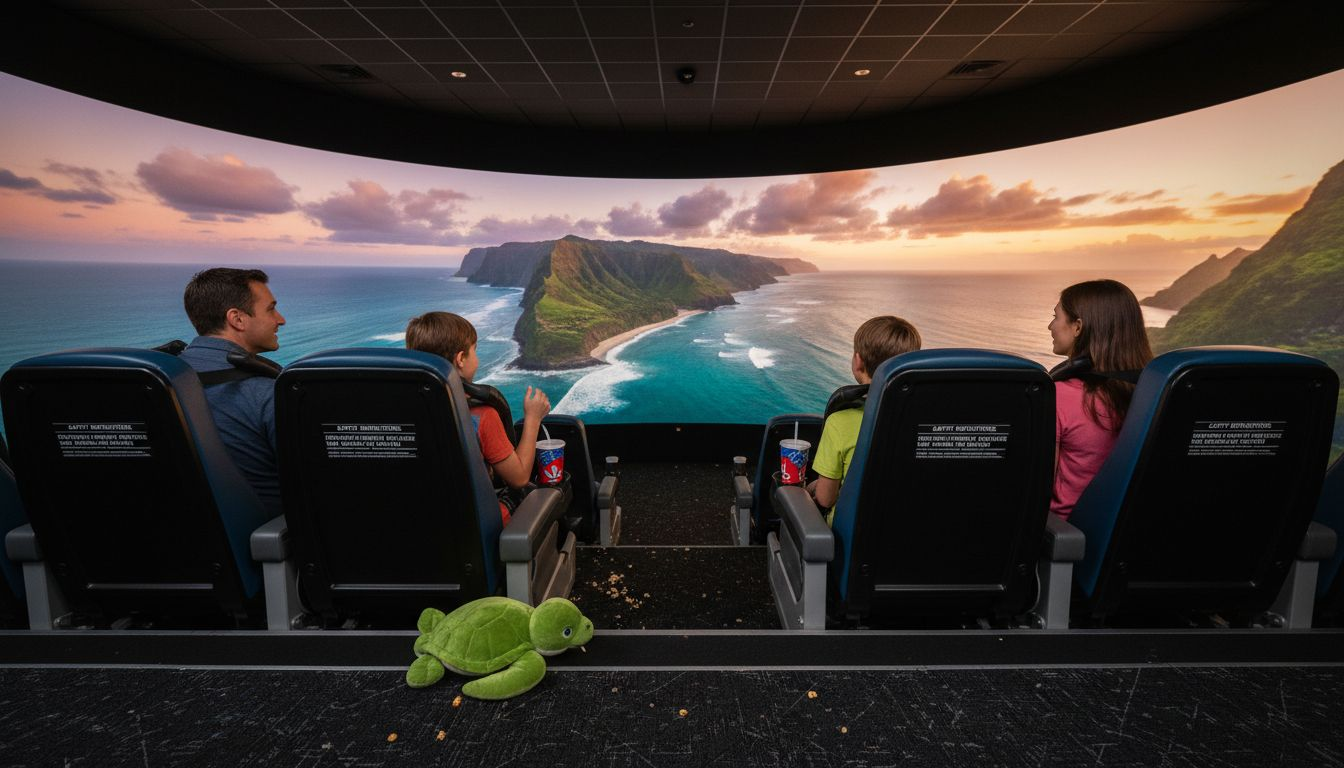
The technological sophistication of flying theaters introduces unique advantages that traditional helicopter tours cannot match. While helicopter tours are limited by passenger capacity, weather conditions, and safety constraints, flying theaters can accommodate larger groups, provide consistent experiences, and incorporate detailed cultural storytelling. These attractions can precisely choreograph visual narratives, seamlessly blending historical context, environmental education, and cinematic techniques to create deeply meaningful aerial journeys that transcend simple sightseeing.
Pro Tip – Immersion Selection: Evaluate your personal preferences between authentic exploration and technologically crafted experiences. Helicopter tours offer genuine aerial encounters, while flying theaters provide meticulously designed, repeatable journeys that prioritize storytelling and sensory engagement.
Experience Types: Real Views and Virtual Journeys
Helicopter tours offer immersive, personal views that dramatically transform how travelers experience Hawaii’s diverse landscapes. Professional pilots navigate through tight gorges and dramatic terrain, providing passengers with unprecedented access to natural wonders that ground-based tours simply cannot match. These aerial journeys allow travelers to witness breathtaking geological formations, observe wildlife from unique vantage points, and capture intimate perspectives of Hawaii’s most remote and stunning environments.
Virtual experiences like flying theaters represent a technological alternative that reimagines aerial exploration. Flying theaters suspend riders in front of massive spherical screens, creating simulated flights that incorporate sophisticated special effects including wind, mist, and precise motion synchronization. These attractions can precisely choreograph visual narratives, blending cinematic techniques with environmental storytelling to create immersive journeys that transcend traditional sightseeing.
The primary distinction between real and virtual experiences lies in their fundamental approach to engagement. Helicopter tours provide unscripted, authentic interactions with the natural world, where each flight becomes a unique adventure influenced by weather, wildlife movements, and pilot expertise. Flying theaters, conversely, offer controlled, repeatable experiences that prioritize narrative consistency, cultural education, and sensory manipulation. These virtual journeys can include detailed historical context, environmental education, and carefully crafted emotional arcs that transform simple visual exploration into meaningful cultural experiences.
Pro Tip – Experience Selection: Evaluate your personal comfort with technology and desire for authentic exploration when choosing between helicopter tours and flying theaters. Consider your mobility, budget, and preference for either spontaneous real-world encounters or meticulously designed immersive storytelling.
Safety, Accessibility, and Age Restrictions Compared
Helicopter operations face distinct safety considerations that significantly impact visitor experiences in Hawaii. Helicopter tours involve inherent risks associated with aerial transportation, including potential mechanical challenges, weather dependencies, and more complex operational requirements. Professional tour companies mitigate these risks through rigorous pilot training, comprehensive maintenance protocols, and strict adherence to federal aviation regulations that govern aerial tourism.
Flying theaters represent a dramatically different approach to safety and accessibility. These indoor attractions eliminate physical risk by providing immersive experiences within controlled environments. Visitors of all ages and physical abilities can participate, including individuals with mobility limitations, families with young children, and travelers who might feel uncomfortable with traditional helicopter flight experiences. The controlled setting allows for precise safety management, consistent environmental conditions, and elimination of external variables that could compromise visitor comfort.
Age and accessibility restrictions vary significantly between helicopter tours and flying theaters. Helicopter experiences typically require passengers to meet minimum age requirements, often mandating that children be a certain height or weight, and sometimes restricting very young travelers. Some tours might require parental accompaniment or have specific seating configurations that limit child participation. Flying theaters, conversely, can accommodate a broader range of ages, with most attractions welcoming children as young as four or five, provided they meet basic height and comfort requirements for motion simulation experiences.
Pro Tip – Safety Assessment: Carefully review individual attraction requirements before booking, considering your group’s age composition, physical capabilities, and comfort levels with motion and height. Always prioritize experiences that provide clear safety guidelines and accommodate your specific travel needs.
Costs, Environmental Impact, and Group Suitability
Airplane tours offer more budget-friendly group experiences compared to private helicopter tours, presenting travelers with distinctive options for exploring Hawaii’s magnificent landscapes. Helicopter tours typically represent a premium experience with higher price points, reflecting the personalized nature of aerial exploration, specialized equipment, and professional pilot expertise. Prices can range from $200 to $500 per person, depending on tour duration, specific route, and helicopter type, making these experiences a significant investment for travelers seeking unique perspectives.
Flying theaters provide a more economical alternative that addresses both budget constraints and environmental considerations. These indoor attractions consume significantly less fuel and produce minimal carbon emissions compared to actual aerial tours. The controlled environment allows for repeated use without additional environmental impact, making them an increasingly attractive option for eco-conscious travelers. Most flying theater experiences are priced between $25 and $50 per person, offering a more accessible way to experience Hawaiian landscapes and cultural narratives.

Group dynamics and suitability differ markedly between helicopter tours and flying theaters. Helicopter tours often accommodate smaller groups, typically ranging from 4 to 6 passengers, which limits accessibility and increases per-person costs. Flying theaters can simultaneously host 30 to 60 guests, providing a more inclusive group experience that allows families, tour groups, and larger parties to share a synchronized visual journey. This capacity difference makes flying theaters particularly attractive for cruise ship passengers, large family reunions, and educational group tours seeking a collective immersive experience.
Pro Tip – Cost and Experience Planning: Balance your budget, group size, and desire for authentic versus simulated experiences when selecting between helicopter tours and flying theaters. Consider the total per-person cost, group accommodation, and the unique storytelling potential of each attraction type.
This table summarizes unique benefits for different traveler types:
| Traveler Type | Best Experience | Why It’s Ideal |
|---|---|---|
| Adventure Seekers | Helicopter Tour | Real flight, spontaneous sightseeing |
| Families with Young Kids | Flying Theater | Safety, group seating, minimal risk |
| Photography Enthusiasts | Helicopter Tour | Unparalleled photo opportunities |
| Large Groups | Flying Theater | High capacity, shared journey |
| Eco-Conscious Travelers | Flying Theater | Lower energy use, reduced emissions |
Here’s a side-by-side comparison of helicopter tours and flying theaters in Hawaii:
| Aspect | Helicopter Tours | Flying Theaters |
|---|---|---|
| Flight Experience | Actual, real-world aerial adventure | Simulated, immersive journey |
| Scenery Access | Unscripted, panoramic live landscapes | Cinematic, choreographed visuals |
| Capacity | 4-6 passengers per tour | 30-60 guests per experience |
| Weather Dependency | Highly dependent on conditions | Operates regardless of weather |
| Storytelling | Pilot narratives, limited to live context | Integrated historical and cultural themes |
| Accessibility | Restricted by health, age, or mobility | Accessible to most ages and abilities |
| Cost Range (per person) | $200 – $500 | $25 – $50 |
| Environmental Impact | High fuel use and emissions | Low, minimal operational footprint |
Experience Hawaii’s Skies Like Never Before at Flight of Aloha
Choosing between a real helicopter tour and a flying theater can be tough. The article highlights key challenges such as weather dependency, high costs, safety concerns, and accessibility limitations that come with helicopter tours. At the same time, flying theaters provide immersive storytelling but might lack the authentic unpredictability of real flight. If you seek an unforgettable Hawaiian adventure blending authentic cultural storytelling, stunning 8K visuals, and multi-sensory effects without the usual helicopter constraints, Flight of Aloha offers exactly that.

Discover how you can soar over Hawaii’s iconic landscapes with motion, wind, and scents enhancing every moment. Perfect for families, groups, and travelers looking for a safe, breathtaking, and environmentally friendly alternative. Explore detailed ride experiences such as “Naupaka” and “Lahaina” and choose from VIP packages or annual passes for even greater immersion. Don’t miss out on Kailua-Kona’s must-see attraction — visit the Flight of Aloha website now to book your experience, learn more about our cinematic journey, and secure your place on this unique flight rooted in aloha.
Frequently Asked Questions
What are the main differences between helicopter tours and flying theaters in Hawaii?
Helicopter tours offer real-world aerial exploration with actual flight routes, while flying theaters provide simulated experiences using advanced technology to create immersive storytelling environments.
How do safety and accessibility compare between helicopter tours and flying theaters?
Helicopter tours face inherent safety risks related to aerial transportation and often have age and health restrictions. Flying theaters, on the other hand, provide a controlled environment that is generally accessible to visitors of all ages and mobility levels, minimizing physical risks.
What is the cost difference between helicopter tours and flying theaters?
Helicopter tours typically range from $200 to $500 per person, reflecting the personalized nature of the experience. In contrast, flying theaters offer a more budget-friendly option, usually priced between $25 and $50 per person.
Which experience is better for families with young children, helicopter tours or flying theaters?
Flying theaters are ideal for families with young children due to their accessibility, safety, and the ability to accommodate larger groups, making them a more suitable option for family outings.