
Sell Tickets Online Safely: 8 Steps Before You Transfer

The fastest safe way to sell your tickets online is to list them through the event issuer’s official transfer tool or a reputable resale marketplace that handles the payment and transfer for you. Platform-handled payment protects you from scams and keeps buyer protections intact on both sides. Stick to on-platform messaging and payment, and save your records since ticket income can count as reportable income.
TL;DR:
- Choose the issuer’s transfer tool when available; otherwise, compare resale platforms for buyer guarantees, transparent fees, verification requirements, and policies for forgery or failed delivery.
- Set your asking price after checking seller fees and buyer checkout charges; early listings allow negotiation, while same day sales may require price cuts.
- Use app or wallet transfers instead of screenshots, and leave time before the event because official transfers can take minutes or a few hours.
- Keep messages, payment, and transfers within the platform, where guarantees usually apply only to completed transactions, and save receipts and transfer confirmations for tax records.
- Report ticket income for tax purposes; the BOTS Act also bars using bots or bypassing security controls to acquire tickets for venues seating over 200.
Step-by-step checklist to list and sell a ticket now
Selling a ticket doesn’t need to take all day. Here’s the order that gets it done without headaches:
- Gather your ticket details: confirmation number, seat or section, delivery method, and the event date.
- Pick your route: the issuer’s official transfer tool, a dedicated resale marketplace, a fan-to-fan exchange, or a vetted local social group.
- Build your listing with honest seat details, a fair price, and screenshots only when the platform allows them (many don’t, for good reason).
- Set your delivery method so the buyer knows exactly how the ticket will arrive, whether that’s app transfer, mobile wallet, or will-call.
- Confirm the buyer’s identity using the platform’s verification tools before you commit to the sale.
- Accept payment only through the platform, never outside it.
- Transfer the ticket using the official flow, not a photo or forwarded email.
- Confirm the buyer received the ticket and check your payout status in your account.
That sequence covers almost every resale situation, from a single concert seat to a pair of tickets you can’t use anymore. The one thing worth repeating: if a step feels like it’s skipping the platform, it’s probably the step that gets someone scammed.
How to choose the right place to sell your ticket
Not every ticket belongs on the same platform, and matching the right route to your situation saves time and fees.
- Issuer transfer tools work best when you want a seamless, official handoff with zero guesswork for the buyer.
- Dedicated resale marketplaces reach the widest buyer pool and are the right call when you need speed.
- Fan-to-fan exchanges suit local, low-cost trades, though they call for extra verification on your end.
- Private or social sales can work for people you trust, but they carry the least built-in protection.
Before you list anywhere, look for a few trust signals: a clear buyer guarantee, transparent fee disclosure, straightforward transfer mechanics, account verification requirements, and a stated policy for forgery or no-show disputes. Reputable platforms spell these out before you ever enter payment details, according to the BBB’s guidance on buying from online resellers. If you’re also weighing organizer-side tools, this rundown of Eventbrite alternatives breaks down platform types by audience and fee structure.
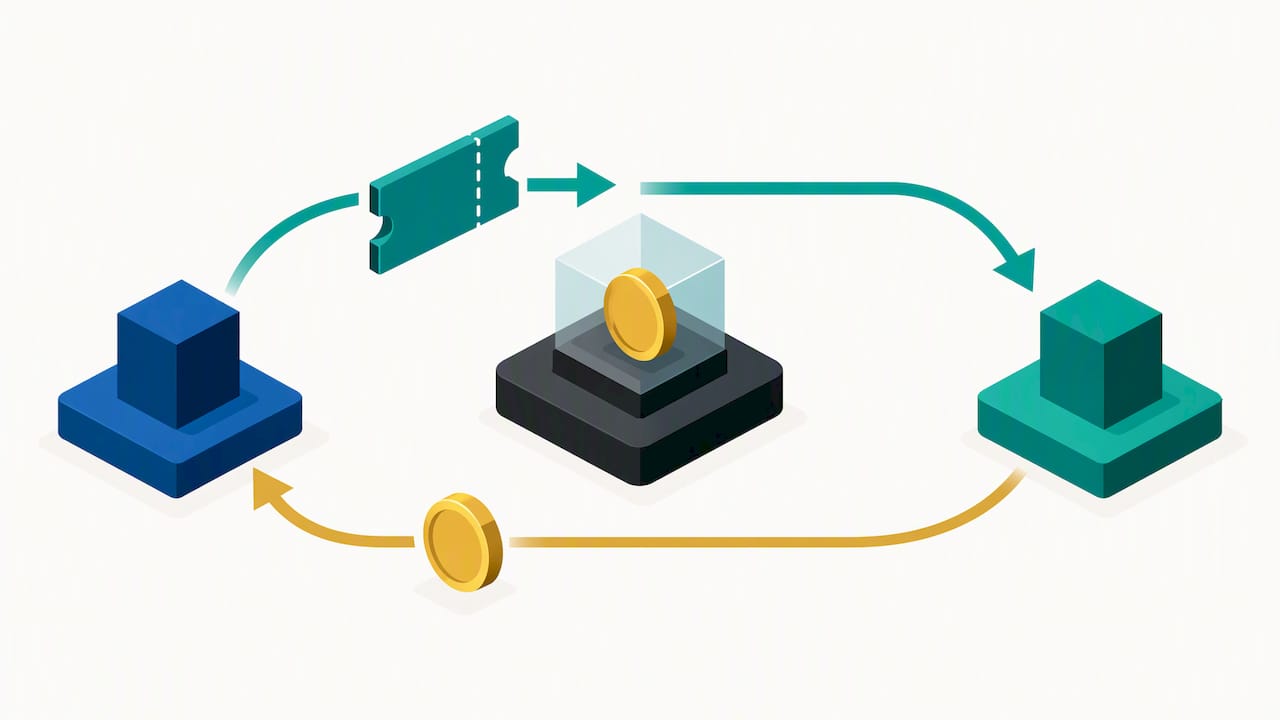
Pro Tip: Before listing, ask yourself who’s holding the money during the handoff. If the answer isn’t “the platform,” keep shopping for a better option.
Pricing your ticket and estimating your real payout
Setting a price that actually sells takes a little math, not just a guess.
- Platform and buyer fees are usually shown separately at checkout, so check both before you set your asking price.
- A simple net-payout formula: your listed price minus the seller fee equals what lands in your account.
- Listing early gives you room to negotiate, while last-minute listings often need a lower price to move fast.
- A clear, accurate listing with honest seat location and delivery details tends to sell faster than one priced slightly lower but vague on specifics.
Timing matters more than most sellers expect. A ticket listed a week out can sit at a higher price, while one listed the morning of the show usually needs a price cut to compete with last-minute shoppers.
Ticket transfer and delivery: what buyers actually receive
How the ticket gets to your buyer matters as much as the sale itself.
- App-to-app or mobile wallet transfer replaces the original barcode with a new one tied to the buyer’s account, which is why official transfer tools exist in the first place.
- Will-call pickup means you’ll need to give the buyer your name, ID details if required, and the confirmation number for pickup at the venue.
- Screenshots are never a safe substitute. A forwarded image can be reused or already scanned, leaving the buyer with nothing at the door.
- Transfers typically process within minutes to a few hours, but set a deadline well before the event so there’s time to fix any hiccup.
Secure payment and payouts: getting paid without the risk
Getting paid shouldn’t be the stressful part of selling a ticket, and it won’t be if you stick to a few basics.
- Use platform-handled payment and bank or debit payouts; skip gift cards, cash, and “friends and family” transfers, which offer no recourse if something goes wrong.
- Most reputable platforms verify sellers with an ID check, payout method confirmation, and sometimes tax information before releasing funds.
- Payout timing varies by platform, but your account dashboard should show exactly where your payment stands.
- If a buyer disputes the sale, keep your transfer confirmation and all platform messages handy. That paper trail is usually what resolves a chargeback in your favor.
Pro Tip: Screenshot your transfer confirmation the moment it goes through. It’s the fastest way to settle a dispute if one comes up later.
Avoiding scams and verifying buyers before you hit “transfer”
Most ticket scams follow a predictable pattern, which makes them easy to spot once you know what to look for.
- Red flags include buyers who move the conversation off-platform, ask for unusual payment methods, or send screenshots instead of using an official transfer.
- Pressure to “finish the deal faster outside the app” is almost always a warning sign, not a convenience.
- Verify buyers using the platform’s built-in tools and keep every message inside that system.
- Platform guarantees typically cover forgery or non-delivery, but usually only when the entire transaction happened on-platform.
For major events, official resale channels reduce fraud risk substantially, while screenshots or paper tickets sold outside those channels carry high risk for both sides, according to FTC consumer guidance. Before you release a ticket, run through this short list: Is the buyer verified? Did the payment clear through the platform? Does your transfer confirmation match the buyer’s account? If any answer is no, pause the sale.
Taxes and legal notes sellers should not ignore
Selling tickets online isn’t a gray area when it comes to taxes or the law, even for a single resale.
- Income from ticket sales counts as reportable income, and the IRS guidance on Form 1099-K explains that individuals typically report this on Schedule C of Form 1040.
- The Better Online Ticket Sales Act bars using bots or circumventing security measures to buy or resell tickets for venues with a seating capacity over 200, which matters if you’re buying tickets specifically to flip them.
- Keep sale records, including transfer confirmations and payment receipts, for at least as long as your tax filing window requires.
The BOTS Act prohibits circumventing a security measure, access control system, or other technological control or measure to acquire tickets to events.
When in doubt about how a sale affects your taxes, a quick conversation with a tax professional beats guessing after the fact.
Author perspective: practical notes from someone who sells and manages ticketed attractions
After years of watching how ticket sales actually play out, the single best protection is the simplest one: keep every dollar and every transfer on the platform that sold it. Scammers rely on people skipping that step because it’s “just this once” or “just for a friend.” Double-check your transfer method before you finalize anything. A seat number alone doesn’t tell a buyer how they’ll actually get in the door.
On a related note, if you’re the one buying rather than selling and you want something simple and guaranteed, an indoor attraction can be the easiest fix on a rainy Kona afternoon or a quick stop between cruise excursions.
— Ola
Our take: an easy, reliable local option while you sort out tickets
If your plans change and you find yourself with extra time in Kailua-Kona or Whalers Village Kaanapali, we built something that doesn’t involve any resale guesswork at all. Our immersive flying theater puts you in the air over Hawaii with 8K visuals, motion effects, wind, and scent, all without the $400 price tag or the motion sickness that comes with an actual helicopter tour. We’re Native Hawaiian-owned, and our shows like Naupaka and Lahaina are rooted in real Hawaiian storytelling, not just aerial footage.
We’re also one of the most convenient stops in Kona, just a walk from Kailua Pier and the tender dock, which makes us a natural fit for a quick shore excursion. On a rainy day in Kona or Maui, or when the vog has everyone looking for air conditioning and indoor comfort, we’re consistently one of the top three easiest things to do on either island. Browse our full lineup of flying ride experiences, check out the VIP Package for a more elevated visit, or look into our Annual Pass if you’re coming back to the islands more than once this year. Book online to secure your seat.

FAQ
Where’s the best place to sell tickets online?
The best place is wherever the issuer’s official transfer tool operates, since that replaces the original barcode and guarantees venue acceptance. When that’s not available, a reputable resale marketplace with buyer verification and a stated guarantee policy is the next best choice.
Which is the best website to resell tickets?
There isn’t one universal answer, since the right site depends on your event type and how fast you need to sell. Look for a platform with transparent fees, clear transfer mechanics, and a forgery or non-delivery guarantee before you commit to a listing.
Do I have to pay taxes on ticket sales?
Yes, income from selling tickets is reportable, and the IRS outlines how to handle Form 1099-K for payments processed through apps or marketplaces. Individuals typically report this income on Schedule C of Form 1040.
How do I avoid scams when selling a ticket?
Keep every message and payment on the platform, and never accept gift cards, wire transfers, or cash from a stranger. Watch for buyers who push to move the conversation off-platform or who send screenshots instead of using an official transfer, both common red flags noted in BBB reseller guidance.
What happens if a buyer says they never received the ticket?
Check your transfer confirmation first, since most platforms log the exact time and method of transfer. If the transfer went through on-platform and you have that confirmation, most buyer guarantees will side with the documented record rather than an unverified claim.
Sources
- Better Online Ticket Sales Act | Federal Trade Commission
- What to do with Form 1099-K | Internal Revenue Service
- BBB tip: what to know about buying tickets from an online reseller
- How to make your World Cup experience scam-free | Consumer Advice