
See 6–10 Stops on Road to Hana, Book Waiʻānapanapa 30 Days Ahead
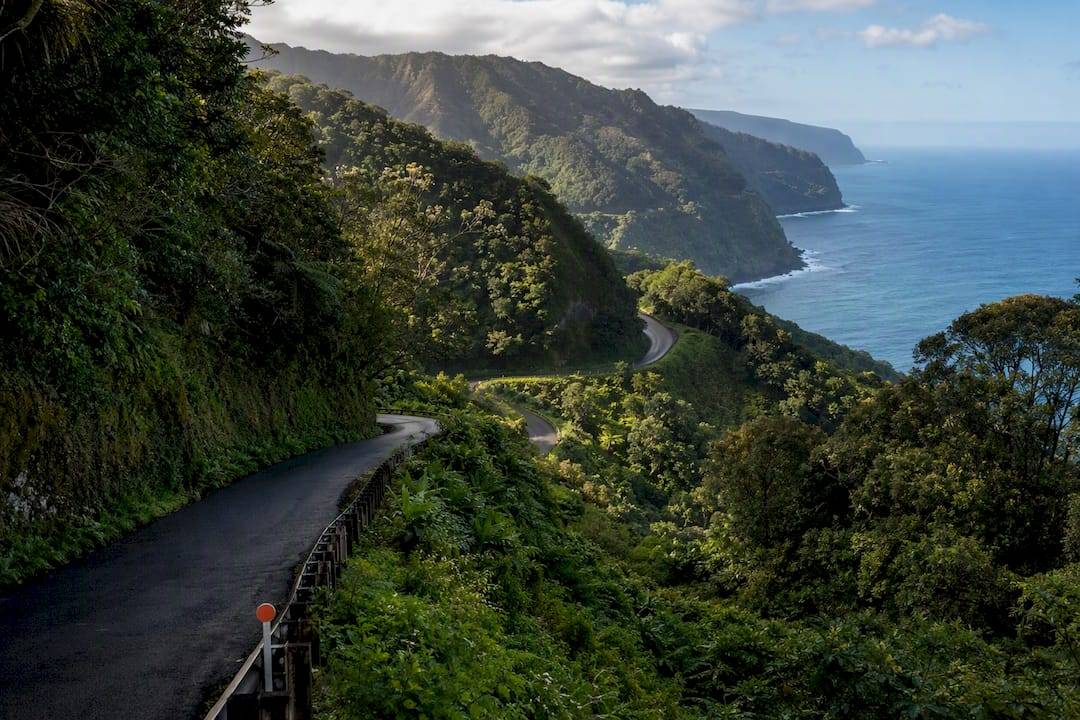
If you must pick a few places on the Road to Hana, prioritize Waiʻānapanapa State Park for its black sand beach, the Pipiwai Trail and ʻOheʻo Gulch for bamboo forest and waterfalls, Twin Falls, Paia for food and last-minute supplies, and Ke’anae for its wild coastal views. Choose one to three extras beyond that. Start at dawn, cap your day at six to ten stops, and book your Waiʻānapanapa reservation before you leave the driveway.
TL;DR:
- Starting early is crucial, as arriving after 8:00 AM risks driving in fading light on narrow, winding roads with limited visibility.
- Booking a reservation for Waiʻānapanapa State Park is mandatory for non-residents, and slots sell out quickly, often within hours of release.
- Most self-driving trips take around 10 hours with six to ten stops, but focusing on key sites like Waiʻānapanapa and Pipiwai Trail ensures a less rushed experience.
- Guided tours help avoid stress from traffic, parking, and navigation, especially for families or visitors prone to motion sickness on winding roads.
- On rainy days or for a cultural experience without driving, Flight of Aloha offers indoor aerial views of Hawaii with indoor comfort and no motion sickness risk.
What to Know Before You Drive the Road to Hana
The Hana Highway runs about 52 miles from Kahului to Hana town, but distance tells you almost nothing about how long the drive actually takes. The road packs in hundreds of curves and dozens of one-lane bridges, with a commonly cited figure of 617 switchbacks along the route. That geometry, not the mileage, is why a straightforward 52-mile drive turns into a three-hour trip one way, even before you factor in a single stop.
One-lane bridges mean yielding etiquette matters. Whoever arrives second waits. Locals know this rhythm; visitors sometimes don’t, and that’s usually where traffic backs up behind a confused rental car at 15 miles per hour.
Guided tours handle this differently than self-drive trips do. A van with a local driver moves through blind curves with more confidence than a first-time visitor gripping a rental sedan, and it removes the stress of finding parking at every stop. Self-driving gives you freedom to linger, but it demands an early start and realistic expectations about how much ground you’ll cover.
Before you leave, run through a short checklist:
- Fill your gas tank in Paia or Kahului. Stations thin out fast east of Paia.
- Check your rental agreement. Many companies restrict driving on unpaved sections near Kipahulu or prohibit the road entirely.
- Pack a physical map or download offline maps. Cell service drops in and out along much of the route.
- Bring cash. Small fruit stands and food trucks rarely take cards.
- Charge your phone fully and bring a backup battery.
Daylight is your real constraint. Sunrise on Maui runs roughly 6:00 to 7:00 AM depending on season, and sunset comes as early as 6:00 PM in winter. Starting after 8:00 AM means you’re driving narrow curves in fading light on the way back, which nobody enjoys.
The Must-See Stops on the Road to Hana
Here’s the honest version of the Road to Hana stop list, organized north to south the way you’ll actually encounter them. Skip the temptation to hit all fifteen roadside attractions you’ve seen on Instagram. The stops below are the ones that consistently deliver, in the order the highway puts them in front of you.
1. Paia
Paia is your last real town before the road narrows and slows down. Grab coffee, use a real restroom, and stock up on snacks here, because options get sparse fast after this point. It’s also a good spot to gauge road conditions and chat with locals if you’re unsure about anything ahead. Budget 20 to 30 minutes if you’re grabbing food.
2. Ho’okipa Beach Lookout
A quick pull-off just past Paia gives you a view of one of Maui’s premier windsurfing and sea turtle beaches. Mornings often bring green sea turtles hauling out on the sand. Five to ten minutes is enough unless you want to watch the surf longer.
3. Twin Falls
Twin Falls sits early enough on the route that it draws heavy mid-morning crowds, which is exactly why starting before dawn pays off. Earlier arrivals beat the tour buses and have the swimming holes closer to themselves. The walk to the falls is short, roughly 10 to 20 minutes each way depending on which pool you visit, over a mix of paved and dirt paths. Parking is a working farm stand lot with a small entry fee, and it fills quickly by mid-morning.
4. Garden of Eden Arboretum
This privately maintained botanical garden charges an admission fee, but it delivers manicured trails, waterfall views, and some of the most photographed overlooks on the entire drive. Expect to spend 45 minutes to an hour if you walk the full loop. It’s a good stop if you want guaranteed parking and clean, marked trails rather than gambling on a roadside pull-off.
5. Ke’anae Peninsula and Arboretum
Ke’anae is where the highway briefly detours off the main road onto a finger of black lava jutting into the Pacific, lined with taro patches and a weathered stone church. The Ke’anae Arboretum, just before the peninsula turnoff, offers an easy, flat walk through rainbow eucalyptus and tropical plantings. This is one of the most underrated must-see spots on the Road to Hana precisely because most visitors drive past the turnoff without realizing it. Give it 20 to 30 minutes for the peninsula view alone, longer if you walk the arboretum trail.
6. Upper Waikani Falls (Three Bears)
Known locally as Three Bears, this roadside waterfall requires almost no effort. You can see it from a small pullout without leaving pavement, though a short scramble gets you closer to the pools. Parking is limited to a handful of spots, so if it’s full, keep moving rather than blocking traffic.
7. Waiʻānapanapa State Park
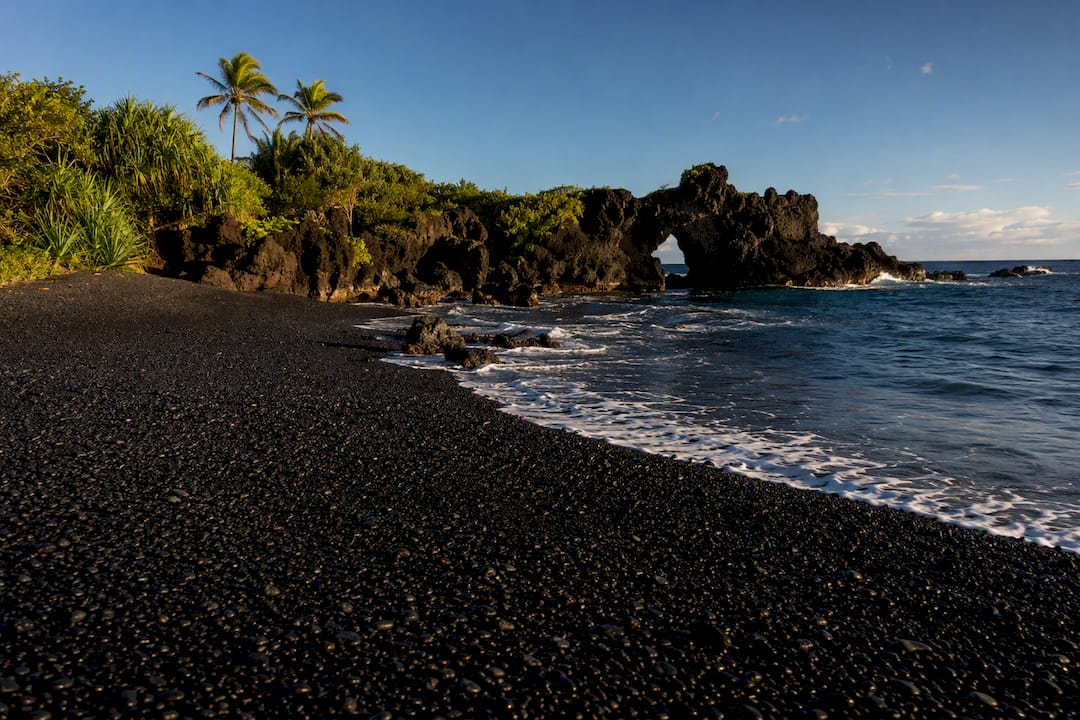
This is the anchor stop most people build their entire day around, and for good reason. Waiʻānapanapa delivers a genuine black sand beach, sea arches, lava tubes, and coastal hiking trails that feel dramatically different from anything else on the drive, along with camping facilities for those extending their stay. The catch: you need a reservation to enter, and there’s no walk-in option for non-residents. Plan on 45 minutes to 90 minutes here if you want to see the beach, walk part of the coastal trail, and photograph the arches without rushing.
8. Hana Town
Hana itself is quiet compared to the drama of the coastline around it, and that’s the appeal. Grab lunch, use real restrooms, and take a breather before the final push south. Most travelers spend 30 to 45 minutes here unless they’re overnighting.
9. Pipiwai Trail and ʻOheʻo Gulch (Haleakala National Park, Kipahulu)
If you only add one stop beyond Waiʻānapanapa, make it this one. The Pipiwai Trail winds through a bamboo forest so dense it filters sunlight into green shadow, past Makahiku Falls, and up to the base of 400-foot Waimoku Falls. The National Park Service manages Kipahulu as part of Haleakala National Park, with clear guidance on trail conditions and safety. The full round trip runs about four miles and takes two to three hours at a moderate pace. ʻOheʻo Gulch, the series of pools below the trailhead, offers swimming when conditions allow, though flash flood risk means checking conditions before you get in the water.

Pro Tip: Skip Kaihalulu, the famous red sand beach near Hana. The access trail crosses eroding cliffside terrain and, in places, private property, and it has claimed more twisted ankles and worse than almost any other unofficial stop on the route. It’s not worth the risk for a photo you can get more safely at Waiʻānapanapa.
Sample Itineraries: Half-Day, Full-Day, and Two-Day Plans
Not every trip needs to be the full 52-mile push to Hana and back. Here’s how to scale your day to match your time and appetite for curves.
Half-day to Twin Falls (turnaround plan) This works for cruise passengers or anyone with a tight window. Leave by 7:00 AM, hit Paia for coffee, stop at Ho’okipa, spend time at Twin Falls, and turn around at the Garden of Eden. You’ll be back in Kahului by early afternoon having seen three to four solid stops without the marathon drive.
Full-day self-drive to Hana and back
- Depart by 6:00 to 6:30 AM to beat crowds at early stops.
- Hit Paia, Ho’okipa, Twin Falls, and Ke’anae by mid-morning.
- Arrive at Waiʻānapanapa by early to mid-afternoon, using your reserved entry window.
- Push to Pipiwai/ʻOheʻo Gulch by mid-afternoon at the latest to give yourself daylight for the trail.
- Begin the return drive no later than 4:00 to 4:30 PM.
This plan covers six to eight stops, which lines up with the recommendation to cap the day around six to ten stops to avoid rushing or arriving home after dark.
Two-day plan with an overnight in Hana Staying overnight lets you slow the pace considerably and add stops most single-day drivers skip. It also reduces curve fatigue by splitting the drive across two calmer days rather than one long push. With an overnight, you can add extra time at Kipahulu, explore beyond Hana toward the Kaupo area, and revisit Waiʻānapanapa at sunrise when it’s nearly empty.
Wake-up times shift depending on where you’re staying. Guests based in Kahului or Wailuku can leave by 6:00 AM. Travelers coming from Kaanapali or Wailea should plan on leaving closer to 5:00 AM to reach Paia at a reasonable hour, since those resort areas add 45 minutes to an hour of driving before the Road to Hana even starts.
Staying Safe and Respecting the Community Along the Way
The Hana Highway runs through people’s actual neighborhoods, not a theme park corridor, and treating it that way keeps everyone safer.
- Park only in marked, designated areas. Roadside shoulders near private property are not parking spots.
- Never cross kapu (sacred, restricted) signs or fences onto private land, no matter how good the photo looks.
- Rotate drivers if anyone feels curve fatigue setting in. Fatigue on 617 switchbacks is a real hazard, not an inconvenience.
- Treat waterfalls and streams conservatively. Flash floods can turn a calm pool dangerous within minutes, and bacterial contamination is a known risk after rain.
- Expect enforcement. Local reporting documents rising citations and towing tied to illegal parking and trespassing, as East Maui residents push back on visitor behavior that blocks the highway or damages private land.
Insiders describe this stretch of road as someone’s residential street, and stopping wherever you please is both dangerous and increasingly likely to earn you a ticket.
Booking Waiʻānapanapa and Other Reservations
Waiʻānapanapa State Park operates on a strict reservation system, and this is the one piece of paperwork that can make or break your day. Reservations release exactly 30 days in advance at midnight Hawaii Standard Time, and there is no same-day walk-in entry for non-residents.
- Set a calendar reminder for 30 days before your visit and be online right at midnight HST during peak season.
- Slots for popular dates, especially weekends and holiday weeks, can fill within hours of release.
- The system exists partly to protect resident access, with parking held back specifically for Maui residents.
- If you plan to camp, book that separately through the state park camping system well ahead of your trip.
- For Pipiwai Trail and ʻOheʻo Gulch, check the Haleakala National Park visitor page for current trail conditions before you go, since heavy rain can close sections without warning.
Food, Water, and What to Pack for the Drive
Paia is your best bet for real meals, coffee, and grabbing snacks before the road narrows. Roadside fruit stands and banana bread vendors pop up along the early stretch of highway, most cash-only and worth the stop if you see a line of parked cars.
Hana town itself has a handful of lunch spots and reliable restrooms, which matters since options thin out considerably past Ke’anae.
- Water: bring more than you think you need. Heat and hiking add up fast.
- Snacks: stands are sparse and unpredictable in hours.
- Swim shoes: lava rock and stream bottoms are rough on bare feet.
- Cash: small vendors rarely take cards.
- Spare phone battery: photos and navigation drain batteries quickly with no charging options for hours.
Pro Tip: Buy your banana bread on the way out, not the way back. Vendors sell out by early afternoon, and the drive home is not the time to discover the stand you wanted is closed.
Should You Drive Yourself or Book a Guided Tour?
Self-driving gives you control over timing and stops, but it comes with real costs: navigating 617 switchbacks, hunting for parking, and managing a full day of decision-making on a road that punishes distraction.
Guided tours solve specific pain points well. If motion sickness on winding roads worries you, if you’re traveling with young kids or aging parents, or if you simply don’t want to spend mental energy finding parking at Waiʻānapanapa, a tour removes that friction. Most guided Road to Hana tours run eight to ten hours, include hotel pickup, and handle meals or snack stops as part of the package.
Ask yourself a few questions before deciding:
- Does anyone in your group get carsick on winding roads?
- Do you want to hike Pipiwai Trail and swim at Waiʻānapanapa without worrying about driving afterward?
- Is your time on Maui limited enough that you’d rather not spend a full day behind the wheel?
- Would you rather have a local guide explain the cultural sites you’re passing?
If you answered yes to two or more, a guided tour booking is worth pricing out before you commit to self-driving.
A Local Perspective on Slowing Down for Hana
The biggest mistake visitors make on the Road to Hana isn’t choosing the wrong stops. It’s trying to see all of them. Pick your anchors, Waiʻānapanapa and Pipiwai Trail if you only get two, and let yourself actually stand at each one instead of rushing to the next. This highway runs through real neighborhoods, and driving it with that awareness makes the day better for you and for the people who call it home. That same respect for Hawaiian place and story is what shapes experiences like Flight of Aloha, where the culture comes to you instead of asking you to chase it down a winding highway.
— Ola
A Rainy-Day and Cruise-Friendly Alternative: Flight of Aloha
Not every Maui trip lines up for a full day on winding roads, and that’s exactly where Flight of Aloha fits in. Consider it the smart alternative to a $400 helicopter tour: you get sweeping aerial-style views of Hawaii through 8K visuals, motion effects, and wind, with zero motion sickness risk and full indoor comfort. It’s the best AC in town, which makes it the number one solution on a rainy day in Kona, a rainy afternoon in Maui, or when volcanic haze has you wanting to escape the heat and dog entirely.

Flight of Aloha operates in multiple locations designed for flexible trips to suit visitors’ schedules. One location is conveniently close to major cruise ship docks, making it an easy add-on activity for cruise passengers on a tight shore excursion window. The attraction features films rooted in Hawaiian legend and storytelling rather than generic aerial footage. Flight of Aloha is positioned as an accessible attraction in the region without requiring hiking or a rental car.
If your Road to Hana day gets rained out, or you simply want a cultural experience that doesn’t demand a full day behind the wheel, check the Naupaka and double feature flying options and pick your showtime. Book online to secure your seat.
Sources
- House Concurrent Resolution No. 29 (Hana Highway background)
- Waiʻānapanapa State Park — Information & FAQ (DLNR)
- Roadtohanamaui
- East Maui group escalates dispute with state over visitor misbehavior on Hana Highway (Maui Now)
FAQ
How long does the Road to Hana actually take?
Plan on three hours each way at minimum for the roughly 52-mile drive, not counting stops. With six to ten stops, most self-drive travelers spend about 10 hours total round trip in a single day.
Do I need a reservation for Waiʻānapanapa State Park?
Yes, non-resident visitors need a reservation, and slots release 30 days in advance at midnight Hawaii Standard Time with no same-day walk-in option. Book the moment your date opens, especially in peak season.
Is the Road to Hana safe to drive yourself?
It’s safe with preparation: start at dawn, respect one-lane bridge yielding, and limit stops to roughly six to ten to avoid curve fatigue. Nervous drivers or families who want to skip the parking hunt often do better booking a guided tour instead.
Can I do the Road to Hana in one day?
Yes, a full day works for most travelers if you start by 6:00 to 6:30 AM and prioritize anchor stops like Waiʻānapanapa and Pipiwai Trail over trying to hit every roadside pull-off. A two-day trip with an overnight in Hana gives you a more relaxed pace if your schedule allows it.
What should I do on a rainy day instead of driving to Hana?
Flight of Aloha offers an indoor, weatherproof alternative with aerial-style Hawaii visuals, available at both the Kailua-Kona and Whalers Village Kaanapali locations. Current pricing for individual flights starts in the $29.99 to $34.99 range, viewable on the flights page.