
7 Top Hawaiian Legends to Learn on Family Vacations
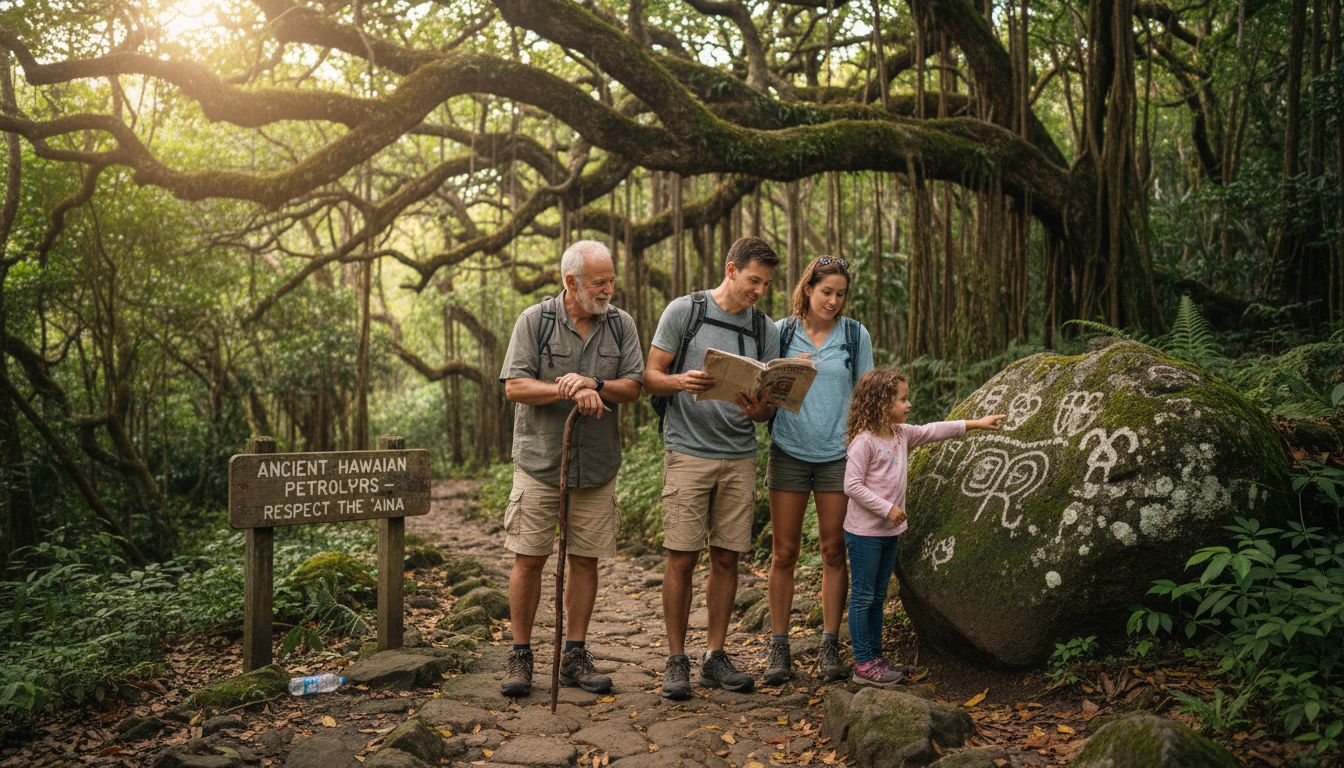
Exploring Hawaiian culture as a family can feel overwhelming with so many traditions, beliefs, and stories to choose from. You may wonder where to start or how to find legends that are both meaningful and entertaining for all ages. The truth is, Hawaiian legends offer much more than just fascinating tales—they are key to understanding the islands’ unique values and worldview.
This list reveals stories and traditions that bring history to life, helping you connect with Hawaii’s natural environment and spiritual heritage. You’ll discover classic legends, powerful myths, and easy ways to share these experiences with your loved ones. Get ready for memorable insights that will deepen your family’s appreciation for Hawaiian culture and inspire new conversations long after your journey ends.
Table of Contents
- Introduction to Hawaiian Legends for Families
- The Legend of Naupaka and Its Flowers
- Pele: The Story Behind Hawaii’s Volcanoes
- Menehune: Hawaii’s Secret Builders
- Lahaina: Tales of Strength and Resilience
- The Night Marchers and Respect for Spirits
- How to Experience Hawaiian Legends at Flight of Aloha
Quick Summary
| Takeaway | Explanation |
|---|---|
| 1. Engage with Hawaiian legends as cultural education. | Learning Hawaiian legends helps families understand the rich cultural heritage and values of the Hawaiian Islands. |
| 2. Look for Naupaka plants when visiting. | Searching for Naupaka flowers in coastal and mountain areas helps bring the romantic legend to life during your visit. |
| 3. Show respect for Pele and volcanic sites. | When visiting volcanic areas, remember to observe local customs, as Pele is a revered deity in Hawaiian culture. |
| 4. Explore stories of Lahaina’s resilience. | Understanding Lahaina’s history provides deeper insight into the strength and adaptability of Hawaiian culture. |
| 5. Experience Hawaiian storytelling at Flight of Aloha. | This innovative attraction offers an engaging way to experience legends while respecting indigenous narrative traditions. |
1. Introduction to Hawaiian Legends for Families
Hawaiian legends are more than just stories – they are living windows into the rich cultural heritage of the Hawaiian Islands. These moʻolelo (traditional narratives) serve as powerful educational tools that help families understand the deep connections between people, nature, and spirituality in Hawaiian culture.
Traditionally, Hawaiian legends were passed down through oral storytelling, creating a vibrant method of preserving cultural knowledge. Native Hawaiian storytelling traditions reveal how these stories are not merely entertainment but profound teaching mechanisms that communicate important values and historical insights.
Key aspects of Hawaiian legends include:
- Connecting with ancestral wisdom
- Understanding relationship with natural environments
- Learning core Hawaiian cultural values
- Exploring spiritual connections with ʻaumākua (family gods or ancestral spirits)
Hawaiian legends bridge generations by transforming complex cultural lessons into engaging narratives that families can explore together.
For families visiting Hawaii, learning these legends provides a transformative experience. Each story offers a glimpse into the intricate worldview of Native Hawaiian culture, helping children and adults alike appreciate the islands’ rich spiritual and historical landscape.
Pro tip: When listening to Hawaiian legends, encourage family members to ask questions and discuss the deeper meanings behind each story to enhance cultural understanding.
2. The Legend of Naupaka and Its Flowers
The legend of Naupaka is a captivating Hawaiian story that reveals how powerful love can transcend social barriers through a remarkable botanical transformation. This poignant tale centers on a forbidden romance between a Hawaiian princess and a commoner, whose love was so profound that it became immortalized in nature.
Hawaiian legends about divided flowers tell a story of star-crossed lovers Naupaka and Kaui, who were separated by strict social hierarchies. When their love was deemed impossible by societal norms, they prayed to the gods for guidance.
Key elements of the Naupaka legend include:
- A princess falling in love with a commoner
- Supernatural transformation of lovers into plants
- Symbolic representation of separation and longing
- Unique half-flower botanical phenomenon
The Naupaka flower represents more than just a plant – it embodies a powerful narrative of love that defies social boundaries.
The legend explains why Naupaka plants grow distinctive half-flowers in two different environments. One variety grows near the sea, while the other thrives in mountain regions. Symbolically complete only when the two halves are reunited, these flowers tell a story of eternal separation and hope.
Pro tip: When visiting Hawaii, look for Naupaka plants in coastal and mountain regions and share this romantic legend with your family to bring the story to life.
3. Pele: The Story Behind Hawaii’s Volcanoes
Pele represents far more than a simple mythological figure – she is the powerful goddess of volcanic creation who literally shaped the Hawaiian Islands through her fiery transformative power. In Hawaiian tradition, Pele embodies the dramatic forces of nature that simultaneously destroy and create new landscapes.
Hawaiian volcanic legends reveal Pele as a complex deity who inhabits Kīlauea volcano, representing both destructive and generative natural energies. She traveled from Kahiki to the Hawaiian Islands, creating extraordinary volcanic landscapes through her passionate and unpredictable nature.
Key aspects of Pele’s legendary significance include:
- Goddess of fire, wind, and volcanic activity
- Creator of Hawaiian island landscapes
- Symbolic representation of natural transformation
- Revered and respected spiritual entity
Pele demonstrates how ancient Hawaiian culture understood natural phenomena through powerful spiritual narratives.
Traditionally considered an ʻaumakua (familial guardian spirit), Pele is approached with deep respect. Hawaiians believe she continues to shape the islands through volcanic eruptions, representing the ongoing cycle of destruction and renewal in nature.
Pro tip: When visiting volcanic sites, show respect by observing local customs and never removing lava rocks, which are considered sacred to Pele.
4. Menehune: Hawaii’s Secret Builders
The Menehune are legendary Hawaiian forest spirits who represent an extraordinary tale of mysterious craftsmanship and supernatural engineering. These tiny mythical builders are renowned for their incredible ability to construct massive public works overnight, vanishing before anyone could witness their remarkable skills.
Legendary Hawaiian builders are described as diminutive forest dwellers standing less than two feet tall, possessing extraordinary engineering and construction capabilities. According to Hawaiian folklore, they could complete complex projects like fishponds, temples, and roads in a single night.
Key characteristics of the Menehune include:
- Supernatural building skills
- Ability to work extremely quickly
- Preference for working under cover of darkness
- Reclusive nature and ability to avoid human detection
- Deep connection to Hawaiian landscape and cultural traditions
The Menehune represent the magical intersection between folklore and the extraordinary potential of human imagination.
Though some historians debate their literal existence, the Menehune symbolize cultural creativity and represent an important part of Hawaiian mythological tradition. Their legends highlight the profound respect for craftsmanship and collective effort embedded in Hawaiian cultural narratives.
Pro tip: When exploring Hawaiian historical sites, look for unusually precise stonework or mysterious structures that might spark conversations about Menehune legends with your family.
5. Lahaina: Tales of Strength and Resilience
Lahaina represents more than a geographical location – it is a powerful testament to Hawaiian cultural endurance and transformation. This historic town embodies generations of strength, having survived dramatic cultural shifts and recently demonstrated extraordinary resilience in the face of unprecedented challenges.
Hawaiian historical heritage reveals Lahaina as the former royal capital of the Hawaiian Kingdom, a vibrant center where indigenous traditions and Western influences converged. Once a bustling whaling port hosting Hawaiian royalty, the town has continuously adapted while maintaining its cultural identity.
Key aspects of Lahaina’s remarkable story include:
- Home to powerful Hawaiian deities
- Significant royal historical center
- Crossroads of indigenous and colonial cultures
- Symbol of community resilience
- Spiritual and cultural preservation site
Lahaina represents the unbreakable spirit of Hawaiian communities through generations of change and challenge.
The town’s history is deeply intertwined with the moʻo goddess Kihawahine, a guardian deity symbolizing protection and legitimacy for local chiefs. Her presence continues to represent the enduring strength of Hawaiian cultural heritage, even in times of profound transformation.
Pro tip: When visiting Lahaina, approach its historical sites with respect and take time to listen to local stories that reveal the deeper cultural significance beyond surface-level tourism.
6. The Night Marchers and Respect for Spirits
The Night Marchers represent one of the most profound and mysterious spiritual traditions in Hawaiian culture, revealing a deep respect for ancestral warriors and supernatural realms. These huakaʻi pō are not simply ghost stories but powerful cultural teachings about reverence, spirituality, and connection to ancestors.
Hawaiian spiritual traditions describe Night Marchers as ghostly processions of ancient Hawaiian warriors who travel at night, accompanied by ethereal drumming and chanting. Their appearance is both feared and respected, symbolizing the powerful connection between the living and spiritual worlds.
Key aspects of Night Marcher legends include:
- Supernatural processions of ancestral warriors
- Accompanied by drumming and spiritual energy
- Require specific protocols of respect
- Teach cultural values of reverence
- Represent deep spiritual connections
Night Marchers demonstrate that respect is the highest form of spiritual interaction.
Traditional protocol when encountering Night Marchers involves critical survival strategies. Hawaiians believe that direct eye contact means instant death, so the recommended response is to lie face down and avoid looking at the procession, showing ultimate respect for these powerful spiritual beings.
Pro tip: When exploring Hawaiian locations with rich spiritual history, approach the landscape with humility and an open mind, understanding that some experiences transcend typical tourist expectations.
7. How to Experience Hawaiian Legends at Flight of Aloha
Flight of Aloha offers an extraordinary journey into the heart of Hawaiian storytelling, transforming traditional moʻolelo into a deeply immersive and educational experience for families. This innovative attraction goes beyond typical tourist experiences by bringing legendary Hawaiian narratives to life through cutting-edge multimedia technology.
Hawaiian storytelling experiences blend cultural education with entertainment, allowing visitors to explore the rich tapestry of Hawaiian myths and legends in an engaging, interactive format. The attraction combines 8K visuals, motion effects, scents, and wind simulation to create a multisensory exploration of Hawaiian heritage.
Key features of the Flight of Aloha experience include:
- Immersive 8K visual storytelling
- Authentic Hawaiian legend presentations
- Multisensory storytelling techniques
- Cultural education for all ages
- Interactive narrative experiences
Hawaiian legends are living stories that connect generations through shared cultural understanding.
The attraction provides a unique opportunity to experience legends like Pele, Naupaka, and the Night Marchers through a dynamic storytelling platform that respects and celebrates indigenous narrative traditions. Families can engage with Hawaiian culture in a profound and memorable way.
Pro tip: Book tickets in advance and arrive early to fully immerse yourself in the pre-show cultural context and maximize your legendary Hawaiian storytelling adventure.
Below is a comprehensive table summarizing key elements of Hawaiian legends, their narratives, and cultural significance as discussed in the article.
| Legend/Aspect | Key Elements | Cultural Significance |
|---|---|---|
| Hawaiian Legends | Oral storytelling, ancestral wisdom, connection with nature and spirituality. | Means of transmitting core cultural values and historical insights. |
| The Legend of Naupaka | A forbidden love story, supernatural transformation into plants, half-flower phenomenon. | Represents love transcending social barriers, reflecting themes of hope and unity. |
| Pele – Volcano Goddess | Creator of islands through volcanic activity, symbolic natural transformation. | Embodies nature’s power and Hawaiian spirituality, ongoing cycle of creation and destruction. |
| Menehune Builders | Mythical craftsmanship, constructing vast works in secrecy. | Signifies creativity and respect for skill and collective effort in Hawaiian culture. |
| Lahaina’s History | Royal capital, site of cultural convergence, resilience amid challenges. | Emphasizes the spirit and strength of Hawaiian communities through change. |
| Night Marchers | Processions of ancestral warriors, spiritual respect required. | Illustrates deep reverence and connection to spiritual ancestors. |
| Encountering Hawaiian Legends | Cultivation of understanding through narratives, e.g., “Flight of Aloha.” | Allows cultural appreciation and immersive learning for all ages. |
Discover Hawaiian Legends Like Never Before at Flight of Aloha
Families seeking to deepen their connection to Hawaiian culture through legendary stories like Naupaka, Pele, and the Night Marchers often face the challenge of engaging children and adults alike in meaningful ways. The article highlights how these traditional legends carry powerful values and spiritual lessons yet can be difficult to fully experience in a way that brings their magic to life. Flight of Aloha answers this with an immersive flying theater experience that blends 8K visuals, motion effects, scents, and wind simulation, making these captivating cultural narratives accessible and unforgettable for all ages.

Step into the heart of Hawaiian heritage through vivid, multisensory storytelling that transforms ancient moʻolelo into a dynamic experience. Whether exploring the forbidden love of Naupaka or honoring the fiery strength of Pele, your family can engage emotionally and intellectually with the legends that shaped Hawaii. Don’t miss the chance to create lasting memories and inspire curiosity during your next visit. Reserve your tickets today at Flight of Aloha and embark on a truly unique cultural adventure that connects past and present in thrilling ways.
Frequently Asked Questions
What are some key Hawaiian legends families should learn during vacations?
Hawaiian legends like Naupaka, Pele, and the Menehune provide rich cultural narratives for families. Explore these stories together to foster understanding of Hawaiian spirituality and values.
How can understanding Hawaiian legends enhance our family vacation experience?
Learning about Hawaiian legends deepens your connection to the islands and enriches your experiences at local sites. Discuss these stories during your trip to bring cultural lessons to life.
Where can we experience Hawaiian legends on our family vacation?
At attractions like Flight of Aloha, you can experience Hawaiian legends through immersive storytelling techniques. Plan for a visit to such venues to enjoy a dynamic exploration of these rich narratives.
How can we share Hawaiian legends with our children while visiting?
As you encounter sites related to Hawaiian legends, encourage your children to ask questions and share their thoughts on the stories. Use engaging conversation prompts to make the cultural experience more interactive.
What is the significance of the Night Marchers in Hawaiian culture?
The Night Marchers are ghostly processions representing ancestral warriors, teaching lessons about respect and spirituality. Learn and discuss their importance to appreciate the cultural richness of Hawaiian traditions.