
What Defines a Modern Attraction Experience
{
“@type”: “Article”,
“image”: {
“url”: “https://csuxjmfbwmkxiegfpljm.supabase.co/storage/v1/object/public/blog-images/organization-5115/1771202716728_image.png”,
“@type”: “ImageObject”,
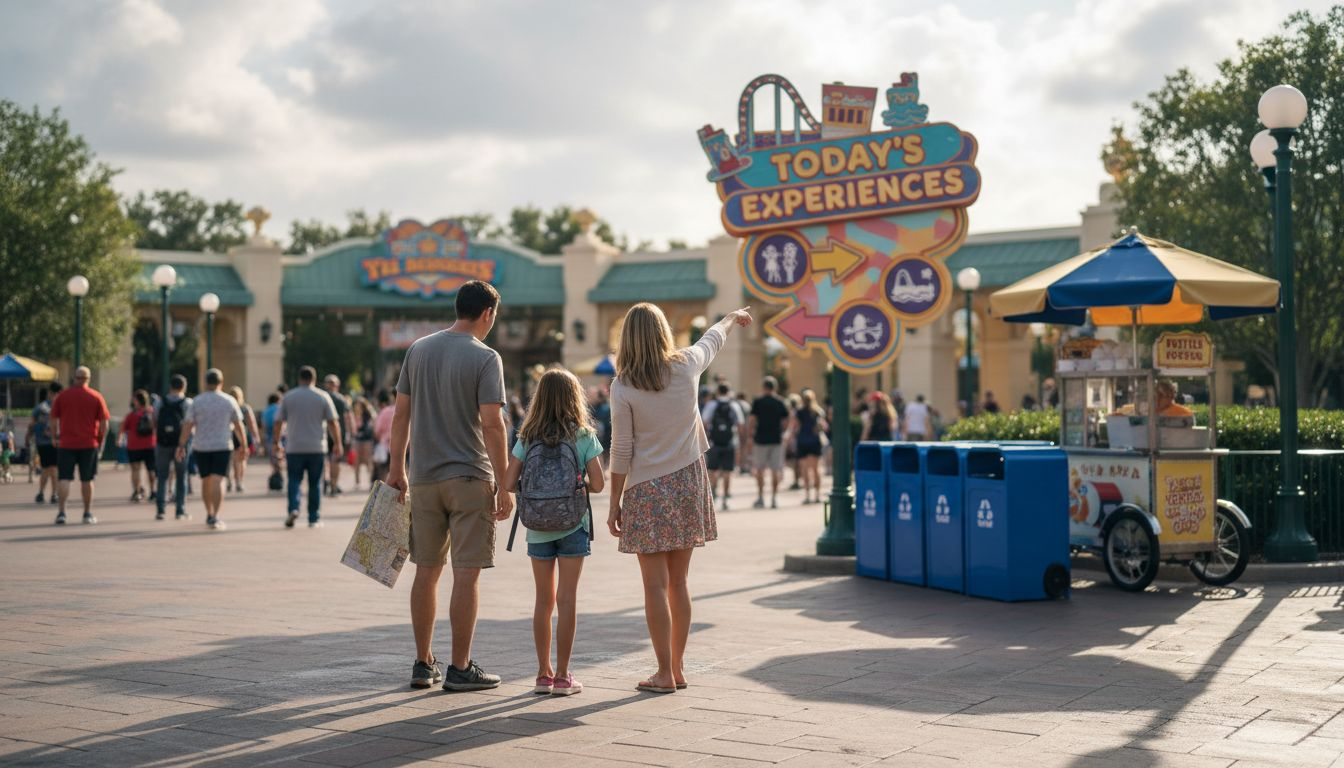
“caption”: “Family entering theme park on sunny morning”
},
“author”: {
“url”: “https://flightofaloha.com”,
“name”: “Flightofaloha”,
“@type”: “Organization”
},
“@context”: “https://schema.org”,
“headline”: “What Defines a Modern Attraction Experience”,
“publisher”: {
“url”: “https://flightofaloha.com”,
“name”: “Flightofaloha”,
“@type”: “Organization”
},
“inLanguage”: “en-US”,
“articleBody”: “What defines a modern attraction? Explore immersive tech, cultural storytelling, sensory features, and memorable experiences for families in Hawaii.”,
“description”: “What defines a modern attraction? Explore immersive tech, cultural storytelling, sensory features, and memorable experiences for families in Hawaii.”,
“datePublished”: “2026-02-16T00:46:43.853Z”
}
Every family on vacation in Kailua-Kona wants more than just beautiful views and traditional sightseeing. Attractions across the United States are changing fast, focusing on transformative experiences that go beyond passive observation, according to PGAV research. With advanced technology and authentic Hawaiian storytelling, families find outings that spark curiosity and build lasting memories. This article explores how immersive attractions blend culture and innovation to create truly meaningful family adventures.
Table of Contents
- Modern Attractions: Evolving Visitor Expectations
- Immersive Technology And Multi-Sensory Elements
- Cultural Storytelling And Local Connection
- Personalization, Accessibility, And Inclusivity
- Safety, Sustainability, And Operational Standards
Key Takeaways
| Point | Details |
|---|---|
| Evolving Visitor Expectations | Modern attractions must prioritize immersive, personalized experiences and cultural connections to meet new consumer standards. |
| Innovative Technology Utilization | Incorporating multi-sensory technologies enhances visitor engagement and facilitates transformative experiences. |
| Authentic Cultural Storytelling | Effective storytelling that includes local perspectives fosters genuine connections between visitors and communities. |
| Emphasis on Safety and Sustainability | Attractions should integrate safety protocols and sustainability practices as core operational principles to build visitor trust. |
Modern Attractions: Evolving Visitor Expectations
The landscape of visitor experiences is undergoing a profound transformation, driven by changing consumer expectations and technological innovations. Visitor preferences are shifting dramatically towards more immersive, meaningful, and personalized interactions that transcend traditional sightseeing models.
Today’s attractions must adapt to a new paradigm characterized by several key trends:
- Cultural Connection: Visitors seek experiences that provide authentic insights into local heritage
- Technology Integration: Advanced digital and interactive elements are becoming standard expectations
- Personalization: One-size-fits-all approaches are being replaced by tailored, adaptive experiences
- Sustainability: Environmental consciousness is now a critical factor in attraction design
The PGAV research highlights an important shift, showing that attractions experiencing growth are those offering diverse engagement opportunities. These destinations understand that modern travelers want more than passive observation – they want transformative experiences that challenge, educate, and inspire.
Technological innovations play a crucial role in meeting these evolving expectations. From augmented reality overlays to interactive storytelling techniques, attractions are leveraging cutting-edge tools to create multisensory journeys that resonate on a deeper emotional level.
Pro tip: Design attraction experiences that prioritize personal connection, cultural authenticity, and interactive storytelling to meet modern visitor expectations.
Here’s a summary comparing traditional and modern visitor attractions:
| Aspect | Traditional Attractions | Modern Attractions |
|---|---|---|
| Experience Type | Passive observation | Immersive, personalized journey |
| Technology Use | Minimal or basic | Advanced, interactive systems |
| Cultural Connection | Surface-level displays | Authentic, local storytelling |
| Sustainability Focus | Often peripheral | Core operational principle |
| Visitor Engagement | Generic, uniform | Tailored, adaptive interactions |
Immersive Technology and Multi-Sensory Elements
Modern attractions are revolutionizing visitor experiences through sophisticated multi-sensory technological innovations that transform passive observation into interactive, engaging journeys. These advanced technologies go beyond traditional exhibits by creating comprehensive, emotionally resonant experiences that stimulate multiple human senses simultaneously.
The core components of immersive attraction design include:
- Visual Storytelling: High-resolution displays and augmented reality interfaces
- Audio Experiences: Spatial sound design and interactive soundscapes
- Tactile Interactions: Responsive environments that react to visitor movements
- Olfactory Stimulation: Scent mechanisms that enhance narrative immersion
- Emotional Engagement: Technologies designed to create memorable, personal connections
Smart tourism technologies are reshaping how visitors interact with attractions. By integrating virtual reality, augmented reality, and Internet of Things (IoT) technologies, destinations can create personalized experiences that adapt in real-time to individual preferences and interactions.
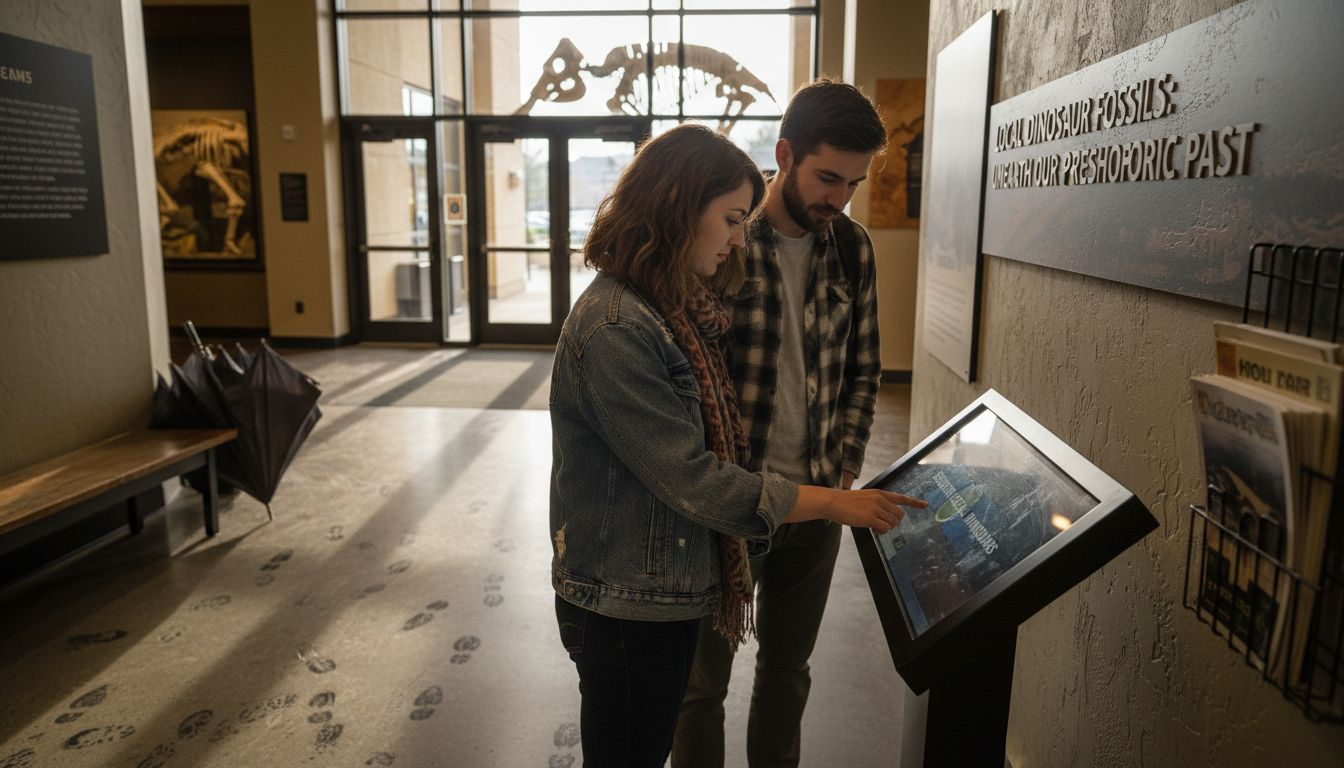
Social media has further accelerated this technological evolution, with compelling visual narratives becoming critical in attracting and retaining visitor attention. Attractions now design experiences specifically to be shareable, interactive, and technologically impressive, understanding that modern travelers seek more than traditional sightseeing – they want transformative, multisensory journeys.
Pro tip: Prioritize technologies that create emotional connections and personalized experiences rather than simply implementing cutting-edge gadgets.
This table highlights the impact of multi-sensory technology in attraction design:
| Technology Type | Visitor Benefit | Business Impact |
|---|---|---|
| Augmented Reality | Enhanced visual immersion | Higher visitor satisfaction |
| Spatial Audio | Emotional storytelling | Increased time spent onsite |
| Responsive Environments | Physical engagement | Boosts repeat visits |
| Scent Mechanisms | Deeper narrative connection | Shares memorable experiences |
| IoT Integration | Real-time personalization | Enables targeted marketing |
Cultural Storytelling and Local Connection
Modern attractions are transforming visitor experiences by embracing authentic cultural storytelling strategies that go far beyond traditional exhibit presentations. These innovative approaches create deep, meaningful connections between visitors and local heritage, turning passive observation into an immersive cultural journey.
Key elements of effective cultural storytelling include:
- Narrative Depth: Multidimensional stories that reveal complex cultural contexts
- Local Perspectives: Authentic voices and personal histories from community members
- Interactive Interpretation: Engaging exhibits that invite visitor participation
- Emotional Resonance: Experiences that connect visitors to deeper cultural meanings
- Generational Knowledge: Preserving and sharing traditional wisdom
The PGAV research highlights that successful attractions understand storytelling as more than information delivery – it’s about creating emotional and intellectual engagement. By designing experiences that respect and celebrate local identity, attractions can transform visitors from passive observers to active participants in cultural exploration.
Cultural storytelling now serves as a powerful bridge between visitors and communities, transcending traditional tourism models. Modern attractions recognize that travelers seek genuine connections that challenge their perspectives, foster understanding, and create lasting, transformative memories of a destination’s unique cultural landscape.
Pro tip: Design cultural experiences that prioritize authenticity, personal connection, and respectful representation of local narratives.
Personalization, Accessibility, and Inclusivity
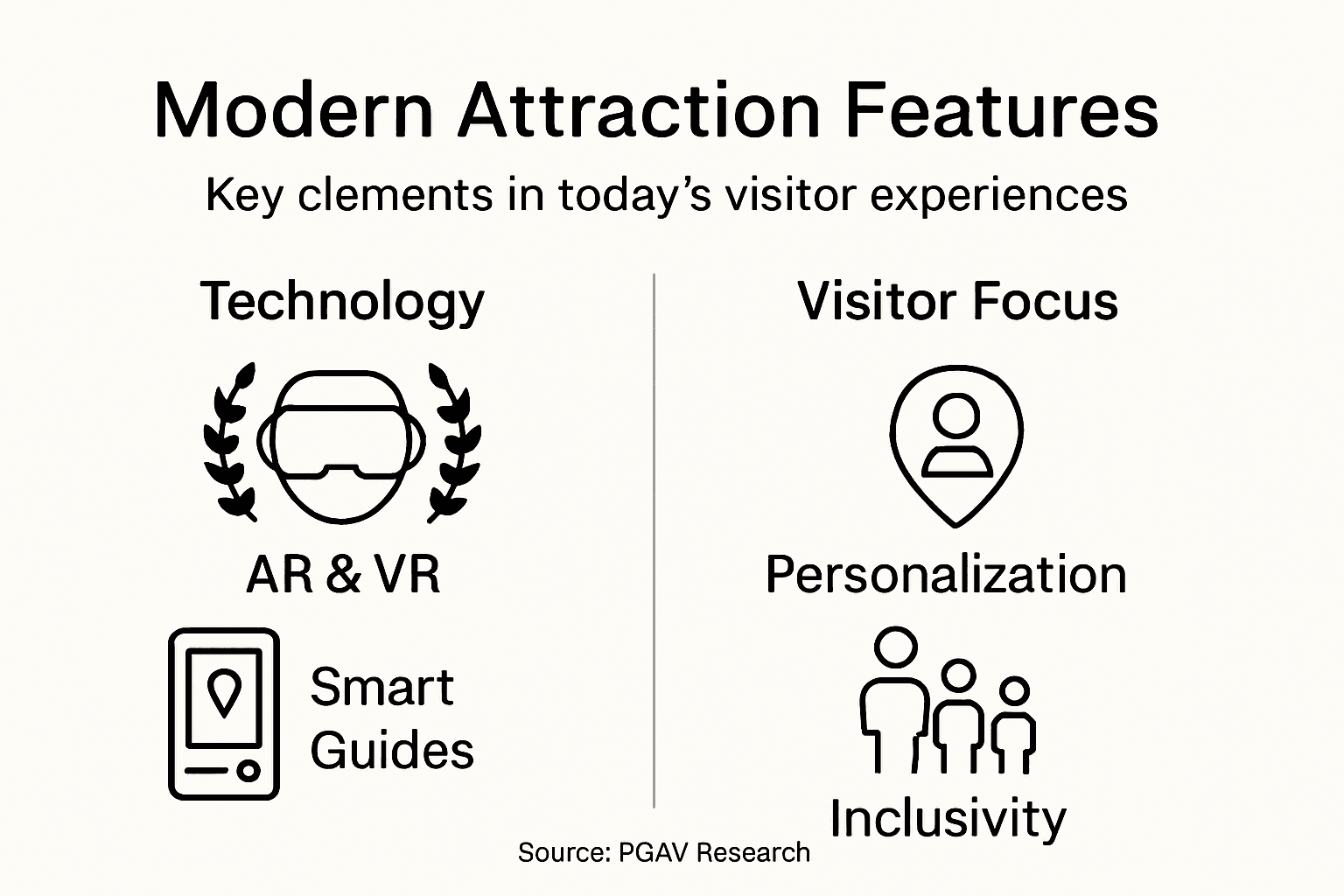
Modern attractions are radically reimagining visitor experiences through innovative personalization strategies that transcend traditional one-size-fits-all approaches. These advanced frameworks prioritize individual visitor needs, creating tailored experiences that celebrate diversity and individual preferences.
Key dimensions of inclusive attraction design include:
- Technological Adaptability: Customizable interfaces and interactive experiences
- Physical Accessibility: Comprehensive accommodations for diverse mobility needs
- Sensory Considerations: Multi-modal experiences supporting different perception styles
- Cultural Representation: Inclusive narratives that reflect diverse backgrounds
- Adaptive Technologies: Personalized support systems for varied visitor capabilities
Open innovation strategies are transforming how attractions develop experiences, actively involving diverse stakeholder groups in design processes. This collaborative approach ensures that attractions become more than passive environments – they become dynamic, responsive spaces that adapt to and celebrate individual visitor identities.
By embracing universal design principles, attractions can create environments where every visitor feels genuinely welcomed, supported, and empowered to engage fully with the experience. The future of attraction design is not about accommodating differences, but about celebrating them as integral to the visitor’s journey.
Pro tip: Design experiences that view diversity as a strength, not a challenge to overcome.
Safety, Sustainability, and Operational Standards
Modern attractions are redefining visitor experiences through comprehensive safety and sustainability protocols that go far beyond traditional operational requirements. These advanced standards represent a holistic approach to creating environments that protect visitors, preserve natural resources, and build long-term trust.
Key operational considerations include:
- Risk Management: Proactive safety assessment and continuous monitoring
- Environmental Responsibility: Minimizing carbon footprint and ecological impact
- Health Protocols: Advanced sanitization and visitor wellness strategies
- Emergency Preparedness: Comprehensive response systems and staff training
- Technological Monitoring: Real-time safety and sustainability tracking
Sustainability is no longer a peripheral concern but a core operational strategy. Attractions are integrating circular economy principles, implementing renewable energy systems, reducing waste, and creating experiences that educate visitors about environmental stewardship while maintaining exceptional safety standards.
The future of attraction management demands a seamless integration of visitor safety, technological innovation, and environmental responsibility. By treating these elements as interconnected rather than isolated concerns, attractions can create resilient, forward-thinking experiences that inspire confidence and demonstrate genuine commitment to global sustainability goals.
Pro tip: Develop safety and sustainability strategies that are transparent, measurable, and continuously evolving.
Experience the Future of Attractions with Flight of Aloha
Modern attractions demand more than passive observation. They require authentic cultural storytelling, immersive technology, and personalized journeys that resonate deeply with each visitor. If you are searching for a way to truly connect with Hawaiian heritage while engaging your senses through next-level multi-sensory technology, Flight of Aloha offers a unique solution. This immersive flying theater in Kailua-Kona combines stunning 8K visuals, motion effects, scents, and wind to create an unforgettable journey through Hawaii’s landscapes and legends.
Flight of Aloha perfectly embodies the key elements of modern attraction experiences discussed in the article by blending local cultural storytelling with cutting-edge technology designed to evoke emotional engagement and inclusivity. Whether you are looking for an inspiring family experience, a memorable group outing, or a personalized VIP adventure, this attraction redefines visitor expectations by turning traditional sightseeing into a transformative, multi-sensory voyage.
Discover how modern visitor expectations come to life at Flight of Aloha.
Ready to explore Hawaii like never before and immerse yourself in a cultural journey that captivates all senses

Secure your experience now by booking online here at Flight of Aloha. Don’t miss the chance to become part of Hawaii’s vibrant stories delivered through the fusion of modern technology and authentic local heritage.
Frequently Asked Questions
What are the key features that define a modern attraction experience?
Modern attractions focus on immersive, personalized journeys that integrate technology, authentic cultural storytelling, and sustainability. These experiences encourage active visitor participation and emotional engagement, going beyond passive observation.
How is technology influencing modern attractions?
Technology plays a crucial role by enhancing visitor experiences through interactive elements like augmented reality, spatial audio, and IoT integration. These innovations create multisensory experiences that resonate emotionally with visitors, making their journeys more memorable.
Why is cultural storytelling important in modern attractions?
Cultural storytelling enhances visitor engagement by providing authentic insights into local heritage. It allows attractions to go beyond mere facts, fostering emotional connections and understanding of the community’s unique cultural landscape.
How can attractions ensure accessibility and inclusivity for all visitors?
Attractions can ensure accessibility by incorporating physical accommodations for diverse mobility needs, providing sensory considerations, and using adaptive technologies. This inclusive approach celebrates diversity and allows every visitor to engage fully with the experience.
Recommended
- What Makes A Unique Attraction: Complete Guide | Flight Of Aloha
- What Is A Location-Based Attraction? Complete Guide | Flight Of Aloha
- Benefits Of Sensory Attractions: Why They Enhance Visitor Emotion | Flight Of Aloha
- Why Family Attractions Matter For Vacation Fun | Flight Of Aloha
- Levensechte VR Experience | Zero Latency VR
- The Future of Video Marketing: Key Trends and Strategies