Skip a $400 Helicopter: Flight of Aloha’s Eco Tourism in Kona and Maui
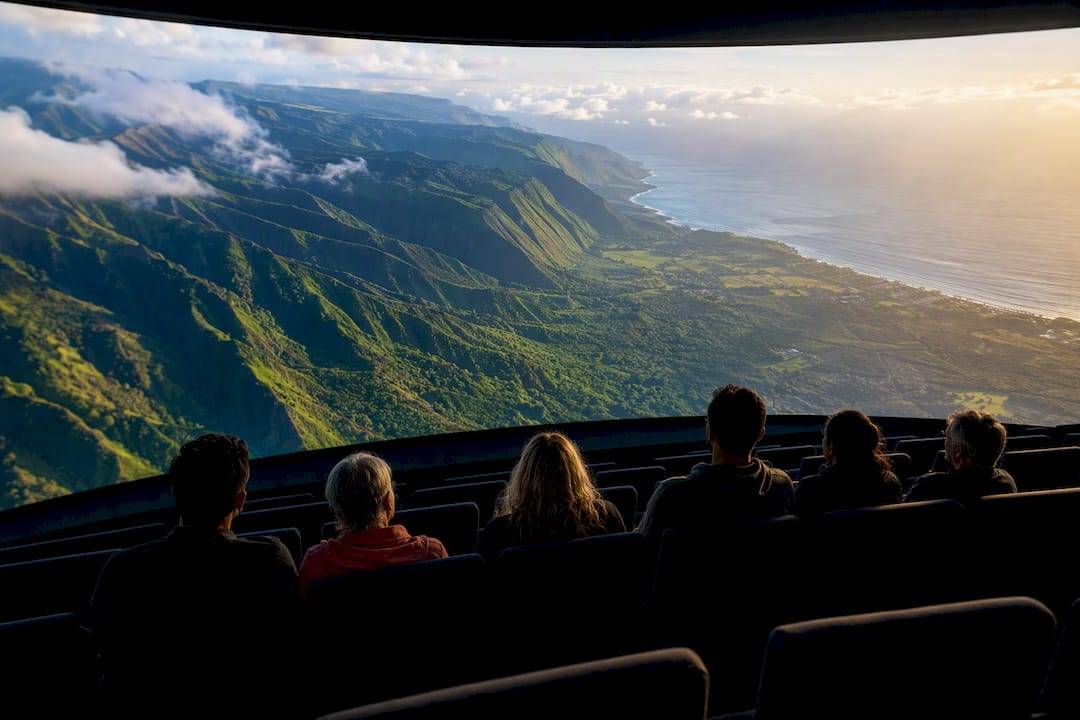
At Flight of Aloha, “eco tourism” means something specific: our immersive Hawaiian flying-theater attraction, where 8K wraparound visuals, motion seating, wind, and scent bring you soaring over the islands without a single footprint on the land below. Cultural storytelling anchors every ride film, and the whole show is ticketed. You will find it in two spots, Kailua-Kona and Whalers Village Kaanapali Maui, both located conveniently in central visitor areas.
TL;DR:
- The immersive experience is weather-independent, offers same-day booking, and costs significantly less than helicopter tours, making it more accessible and flexible.
- Motion seating simulates flight while reducing motion sickness risks and maintains a steady temperature, unlike turbulence-prone helicopter rides.
- The films are culturally focused, rooted in Hawaiian legends and history, with Native Hawaiian ownership ensuring authentic storytelling.
- Visitors are encouraged to support local culture by following guidance, asking questions, and choosing Native Hawaiian-owned attractions nearby.
- The attraction is ideal for rainy days, cruise ship passengers, and families seeking a quick, culturally rich indoor activity with minimal environmental impact.
What Is Eco Tourism at Flight of Aloha? The Core Features
Here is what actually happens inside the theater. Guests sit in motion-controlled seats, similar in style to MX4D systems used in high-end cinemas, while a wide wraparound screen wraps close to 160 degrees around the room. That screen geometry matters more than people expect. Because the image extends past your peripheral vision, your brain stops registering “screen” and starts registering “sky.” Add synchronized seat tilts, a burst of wind at the right second, and the smell of plumeria or salt air, and the sensation of flight becomes tough to shake even after the lights come up, according to coverage from Big Island Now.
The films are where the experience earns its cultural weight, not just its wow factor:
- Naupaka traces the legend behind Hawaii’s native shoreline shrub, a story rooted in loss and coastal landscapes.
- Lahaina honors the town’s history and resilience, giving visitors context beyond a postcard view.
- Whale Song follows humpback migration through Hawaiian waters, pairing marine imagery with cultural narration.
- Europe Merrie Monarch widens the lens to hula and festival tradition on a global stage.
Shows typically run less than a half hour, seat a modest number of guests per screening, and suit nearly every age, though very young children or anyone highly sensitive to motion may want to sit toward the back. It is a fast, complete experience, not a half-day commitment.
Flight of Aloha vs. Helicopter Tours and Traditional Ecotourism
People often lump every “aerial Hawaii experience” together, but the differences matter once you are actually planning a day on the island.
- Cost and booking. Helicopter tours regularly run near $400 per person and require weather-dependent scheduling weeks out. A ticketed theater show costs a fraction of that and books same day.
- Comfort. Helicopters mean real turbulence and real motion sickness risk for a lot of travelers. Motion seating simulates flight without the actual G-forces, and the room stays a steady, cool temperature the entire time.
- Weather independence. Rain, wind, or vog grounding a chopper doesn’t touch an indoor show. The experience runs on schedule regardless of what the sky is doing outside.
- Environmental footprint. A helicopter burns fuel for every flight; an indoor attraction simply doesn’t carry that same footprint in the same way.
- What it isn’t. This is not field-based conservation travel. There’s no habitat restoration, no trail work, no wildlife monitoring on-site. If you’re picturing boots-in-the-mud volunteer ecotourism, that’s a different category entirely, and Flight of Aloha doesn’t claim to be that.
How Flight of Aloha Handles Hawaiian Cultural Storytelling
The films lean on Hawaiian legends and history rather than generic tropical imagery, and that choice is intentional. Founder Ola Shaw has spoken about wanting the experience to educate as much as entertain, describing the intent to showcase Hawaii’s natural beauty and culture rather than flatten it into scenery, per Hawaii News Now. That distinction, story first, spectacle second, shapes how each film gets built.
Flight of Aloha means is Native Hawaiian-owned, which carries weight beyond a marketing line. It means the cultural content moves through people with a direct stake in how these stories get told, rather than an outside studio borrowing imagery for effect.
As a visitor, a few habits go a long way toward honoring that:
- Listen to the pre-show framing instead of treating it as filler before the “real” ride.
- Follow staff guidance on recording, especially around any content flagged as culturally sensitive.
- Ask questions if something in a film sparks curiosity. Staff are generally glad to talk story.
- Choose Native Hawaiian-owned attractions and vendors elsewhere on your trip, not just here.
Pro Tip: Before your show, glance at the native Hawaiian-owned attractions guide so you can spot other community-rooted stops worth adding to your itinerary that same day.
Visiting Flight of Aloha: Locations, Booking, and Access
Flight of Aloha runs two locations, Kailua-Kona on Hawaii Island and Whalers Village Kaanapali Maui, both positioned in the middle of where visitors already walk. The Kona location sits near coastal hotels and resort areas along Palani Road, according to its directory listing, and it’s within walking distance of the Pier and the tender dock, which makes it accessible for shore excursions if your cruise ship is only in port for a few hours.
A few practical notes for planning:
- Book online ahead of time for groups, holiday weeks, or peak afternoon slots, directly through Flight of Aloha.
- Walk-ins are often possible outside busy periods, but reserved seats guarantee your showtime.
- Arrive roughly 15 minutes early for check-in and seating.
- Motion sensitivity guests can request rear seating, where movement is gentler.
- Families will find both locations set up for quick, low-friction visits between other plans.
How to Visit Responsibly and Support Local Culture
You can enjoy the show and still travel lightly. Small choices add up, especially in a place like Kona or Kaanapali where tourism volume is a real local concern.
- Walk or use shared shuttles when your hotel is close enough. Both locations sit in dense visitor corridors where a car isn’t necessary.
- Follow posted venue guidance on noise, recording, and seating.
- Dispose of any food or drink waste in provided bins rather than carrying it out to the street.
- Spend part of your day at nearby Native Hawaiian-owned shops, food stands, or cultural sites.
Indoor cultural attractions like this one also feed dollars back into local storytelling and programming, which is a quieter but real form of conservation support, one that doesn’t require a boat, a trail, or a permit.
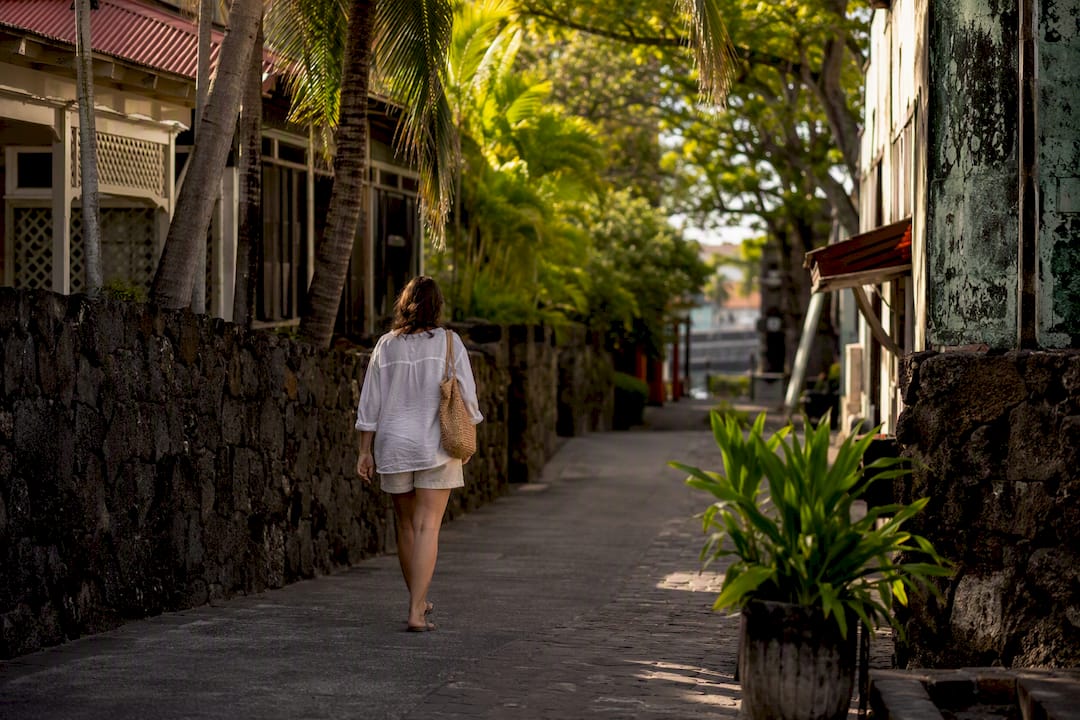
Pro Tip: Pair your show with a short, low-impact stop nearby, a historic walk through Kailua Village or a visit to a local market, so the whole afternoon stays easy on both your schedule and the neighborhood.
Why Flight of Aloha Is a Credible Example of This Experience
Ola, who writes about immersive attractions and sustainable travel for Flight of Aloha, has covered responsible tourism practices extensively, including how visitors can engage respectfully with Hawaiian culture. That editorial focus lines up with what independent coverage has found on-site.
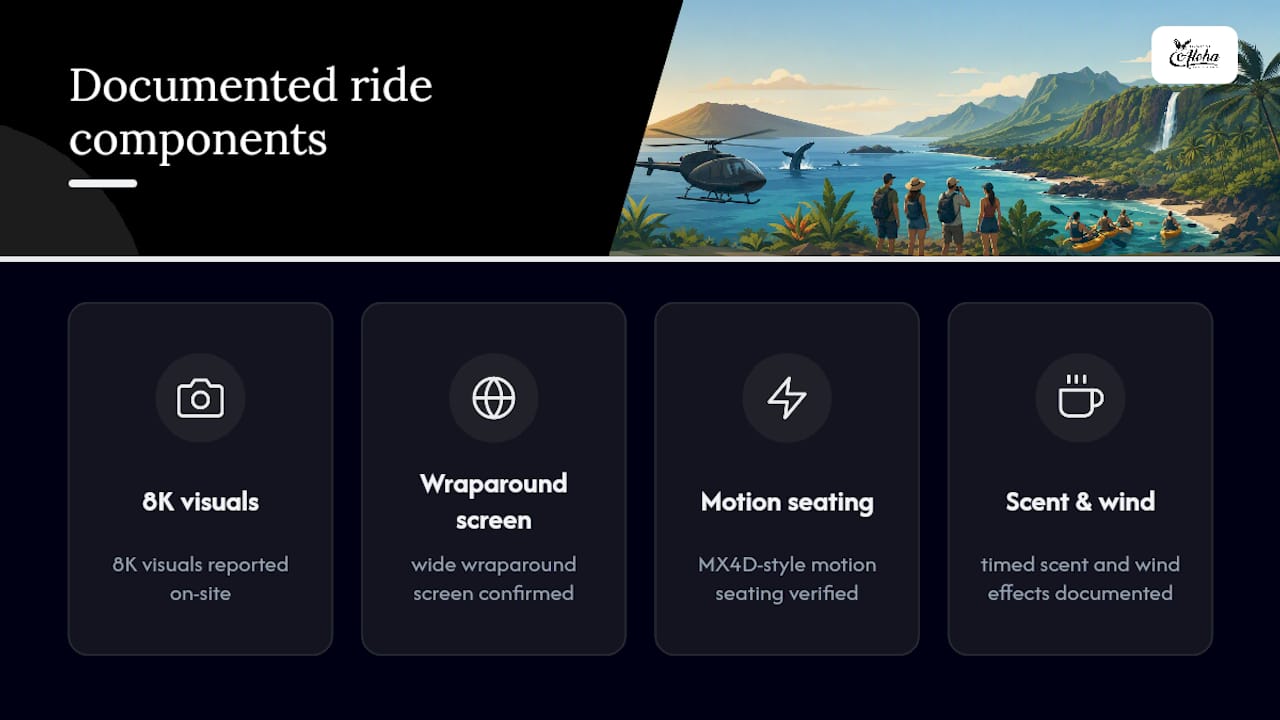
Local press has documented the technical build in detail: 8K visuals, a wide wraparound screen, motion seating, and timed scent and wind effects, confirmed by Big Island Now’s reporting on the Kona location. Hawaii News Now separately verified the MX4D-style seating and named specific ride films during its coverage of the Kona opening.
That framing, echoed in founder remarks to Hawaii News Now, is why the attraction reads less like a theme-park ride and more like a cultural primer with better special effects. The Kona address and general description are also independently listed on MapQuest, which confirms the location and format outside of any brand messaging.
What Actually Matters When You Judge This Kind of Attraction
Most guides treat “immersive attraction” and “cultural experience” as if they cancel each other out, as though special effects automatically cheapen a legend. That’s backwards. The technology here is a delivery method, not the message. A wraparound 8K screen and a motion seat are only worth anything if the story underneath deserves the attention they buy it, and Naupaka’s shoreline legend or Lahaina’s history earns that attention on its own.
The bigger mistake visitors make is treating an aerial view of Hawaii as something that requires a helicopter and a few hundred dollars to access. It doesn’t. A rainy afternoon in Kona, a vog-heavy day, or a two-hour cruise stop are exactly when an air-conditioned, motion-seat flyover earns its place on the itinerary, not as a downgrade from the “real” thing, but as the smarter first move. Save the helicopter for a clear-sky splurge, if you still want one. This is where you start.
— Ola
Book Your Flight of Aloha Experience in Kona or Maui
Flight of Aloha holds its own as the most accessible attraction in Kona and Maui, and that’s not a small claim on an island where plans get rearranged by weather constantly. It’s Native Hawaiian-owned, it’s the smart alternative to a $400 helicopter tour with none of the motion-sickness risk, and it’s the best air-conditioned escape on a rainy or vog-heavy day.
Both locations sit right where you need them: Kailua-Kona within walking distance of the Kailua Pier tender dock, and Whalers Village Kaanapali on Maui, steps from the resort corridor. Cruise passengers with a short window in port can fit a full show in without touching a rental car. Families can find relief from afternoon rain by visiting indoors for about an hour. If you’re weighing this against a gastronomy tour or another experience-driven travel category, Flight of Aloha wins on speed and reliability alone.
Reserve your showtime now at Flight of Aloha. Book online to secure your seat.
Sources
- Business Monday: Immerse yourself in Hawai‘i’s landscapes through Flight of Aloha theater : Big Island Now
- Immersive 8K visual storytelling experience to open in Kona
- Flight of Aloha, 75-5660 Palani Rd, Kailua-Kona, HI 96740, US – MapQuest