
What Is Entertainment Tourism and Why It Matters
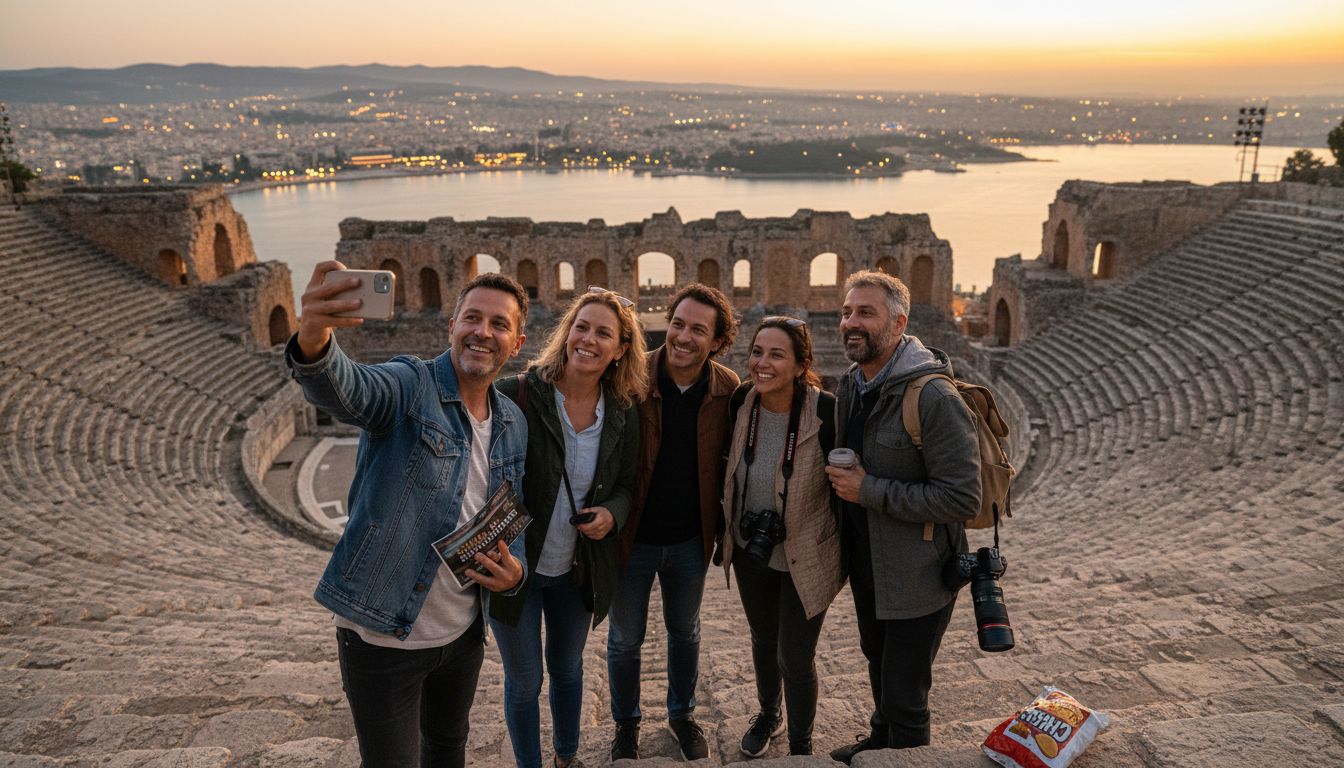
Every year, millions of American travelers pack their bags not just for sightseeing but to chase unforgettable moments through live concerts, immersive shows, and captivating performances. Entertainment tourism has surged in popularity, offering experiences that go far beyond the usual vacation routine. With over 60 percent of global tourists seeking interactive attractions, this travel trend is transforming how visitors connect with destinations and local cultures in memorable new ways.
Table of Contents
- Entertainment Tourism Defined and Common Myths
- Types of Entertainment Tourism Experiences
- How Immersive Attractions Engage Tourists
- Cultural and Economic Impacts in Hawaii
- Comparing Entertainment Tourism to Alternatives
Key Takeaways
| Point | Details |
|---|---|
| Focus on Immersive Experiences | Entertainment tourism emphasizes experiences that engage travelers actively, offering cultural and emotional depth beyond traditional sightseeing. |
| Economic and Cultural Impact | This form of tourism significantly contributes to local economies and cultural preservation, especially in regions like Hawaii. |
| Diverse Experience Types | Various entertainment experiences cater to different interests, from cultural performances to interactive museums, enhancing traveler engagement. |
| Research Before Traveling | Travelers are encouraged to seek unique entertainment options in advance, prioritizing authentic interactions and cultural insights. |
Entertainment Tourism Defined and Common Myths
Entertainment tourism represents a dynamic travel segment where individuals journey specifically to engage with unique entertainment experiences. Unlike traditional tourism focused solely on sightseeing, this approach prioritizes immersive performances, shows, and interactive attractions that create memorable moments. Researchers exploring entertainment tourism suggest it encompasses a wide range of activities from concerts and theater performances to themed attractions that transform travel into a captivating narrative.
Common myths surrounding entertainment tourism often mischaracterize its depth and complexity. Many travelers mistakenly believe it is simply another form of leisure travel, overlooking its profound cultural and economic significance. In reality, entertainment tourism serves as a powerful mechanism for cultural exchange, economic stimulation, and personal transformation. Scholarly research highlights that these experiences go beyond passive consumption, offering visitors authentic connections to local traditions, artistic expressions, and community narratives.
Key characteristics of entertainment tourism include its focus on creating immersive, emotionally engaging experiences that transcend traditional travel models. Tourists seek out destinations that offer unique performances, interactive exhibits, and storytelling opportunities that provide deeper understanding of local cultures. These experiences range from music festivals and cultural performances to themed attractions like Flight of Aloha, which blend technological innovation with cultural storytelling.
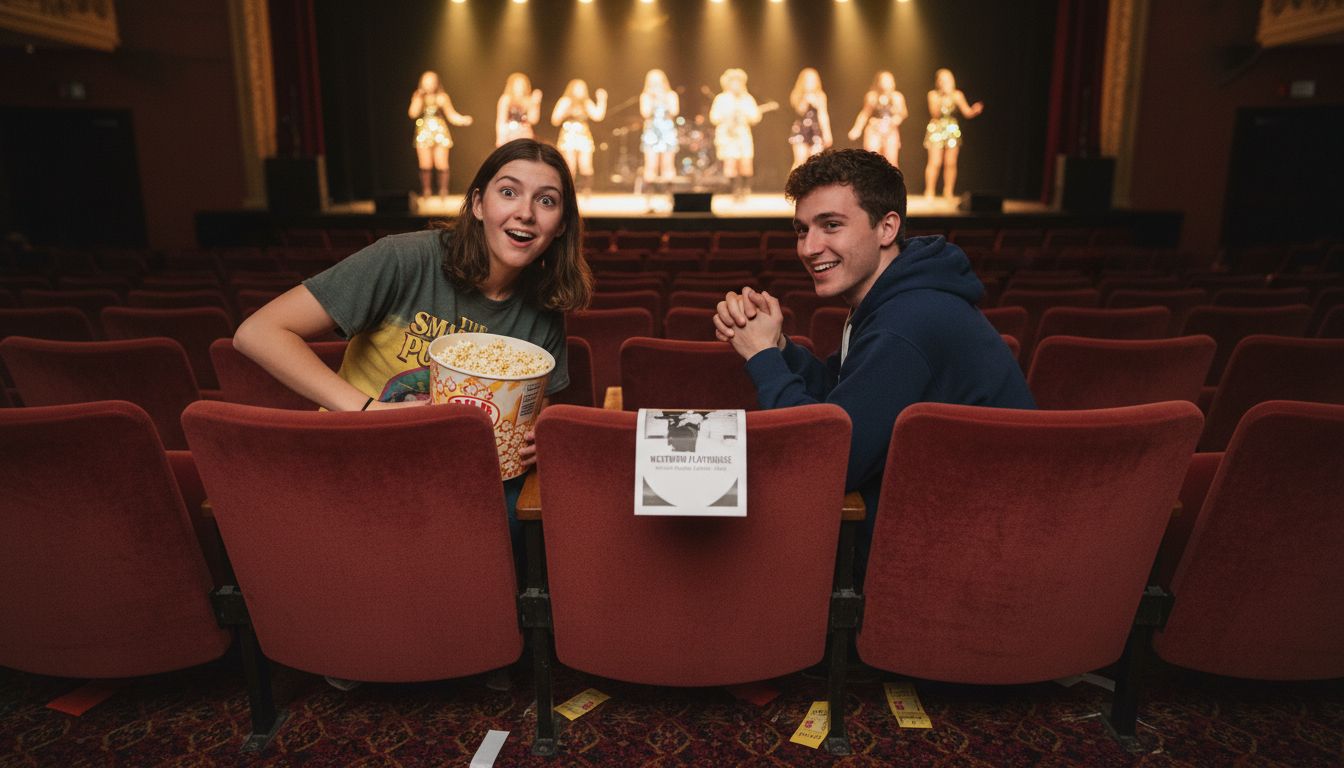
Pro Tip for Travelers: Research destination-specific entertainment experiences before your trip to identify unique attractions that offer more than standard tourist activities. Look for performances, interactive exhibits, and storytelling experiences that provide genuine cultural insights and memorable moments.
Types of Entertainment Tourism Experiences
Entertainment tourism offers a diverse array of experiences that cater to different interests and preferences. Researchers categorize these experiences across multiple event types, including nature-based, gastronomic, religious, theatrical, and musical performances. Each category provides tourists with unique opportunities to engage with local culture and create memorable travel experiences that go beyond traditional sightseeing.
Performance-Based Entertainment represents a significant segment of entertainment tourism. According to scholarly research, these experiences include a wide range of activities such as concerts, magic shows, talk shows, and dance performances. These events transform travel from passive observation to active participation, allowing travelers to immerse themselves in local artistic expressions and cultural narratives.
The spectrum of entertainment tourism experiences is remarkably broad, encompassing both traditional and innovative attractions. Some notable types include:
- Cultural Performances: Traditional dance, theater, and music shows
- Themed Attractions: Immersive experiences like Flight of Aloha that blend technology and storytelling
- Music Festivals: Large-scale events celebrating diverse musical genres
- Interactive Museums: Exhibits that engage visitors through multimedia and participatory displays
- Live Show Experiences: Concerts, comedy shows, and theatrical productions
Pro Tip for Experience Seekers: Research destination-specific entertainment options in advance and prioritize experiences that offer authentic cultural insights and interactive elements. Look for events that provide more than passive entertainment, focusing on those that allow genuine cultural engagement and personal connection.
How Immersive Attractions Engage Tourists
Immersive attractions represent a revolutionary approach to tourist engagement, transforming passive travel experiences into interactive, emotionally compelling journeys. Advanced technological innovations like virtual reality (VR) and augmented reality (AR) are dramatically reshaping how tourists interact with destinations, creating multi-sensory experiences that go far beyond traditional sightseeing.
Research on tourist psychology reveals that immersive attractions engage visitors through four critical dimensions: education, aesthetics, entertainment, and escapism. These experiences stimulate both emotional and rational responses, allowing tourists to connect more deeply with cultural narratives and local environments. By providing interactive storytelling mechanisms, such attractions transform travelers from passive observers into active participants in the destination’s living history.
The mechanics of immersive engagement involve multiple sensory and psychological triggers:
Summary of the ways immersive attractions deeply engage today’s tourists:
| Engagement Factor | Description | Example in Tourism |
|---|---|---|
| Education | Teaches skills or history interactively | VR simulations of past cultures |
| Aesthetics | Visually and sensorially pleasing | Light shows, themed environments |
| Entertainment | Pure fun and amusement | Live concerts, comedy events |
| Escapism | Provides an alternative reality | Augmented reality adventures |
- Narrative Transportation: Compelling storytelling that transports visitors into alternative realities
- Multisensory Stimulation: Experiences that engage sight, sound, smell, and touch
- Interactive Elements: Opportunities for personal agency and exploration
- Cultural Authenticity: Genuine representations of local traditions and histories
- Emotional Resonance: Experiences that provoke genuine feelings and personal connections
Pro Tip for Immersive Experience Seekers: When selecting immersive attractions, prioritize those offering authentic, interactive experiences that provide genuine cultural insights rather than superficial entertainment. Look for attractions that encourage active participation and meaningful engagement with local narratives.
Cultural and Economic Impacts in Hawaii
Entertainment tourism has become a pivotal force in transforming Hawaii’s economic and cultural landscape. Tourism research demonstrates that the influx of visitors seeking authentic cultural experiences contributes significantly to both economic sustainability and cultural preservation. By creating platforms that showcase Hawaiian traditions, local businesses and cultural institutions can generate revenue while simultaneously protecting and celebrating their rich heritage.
Scholarly investigations into immersive tourist experiences reveal profound economic and cultural dynamics in Hawaii. These experiences go beyond traditional tourism models by offering deep, meaningful interactions that benefit both visitors and local communities. The economic impact extends far beyond direct tourism revenue, supporting local artisans, performers, cultural practitioners, and small businesses that form the backbone of Hawaiian cultural expression.
The multifaceted impacts of entertainment tourism in Hawaii can be understood through several key dimensions:
- Economic Diversification: Creating new revenue streams beyond traditional industries
- Cultural Preservation: Providing financial support for maintaining traditional practices
- Community Empowerment: Generating opportunities for local artists and performers
- Knowledge Exchange: Facilitating cross-cultural understanding and dialogue
- Sustainable Development: Promoting responsible tourism that respects local ecosystems and traditions
Pro Tip for Cultural Travelers: Seek out entertainment experiences that directly support local Hawaiian communities, prioritizing attractions and performances that authentically represent Hawaiian culture and provide fair compensation to indigenous practitioners.
Comparing Entertainment Tourism to Alternatives
Entertainment tourism distinguishes itself from other travel experiences through its unique focus on performance-driven engagement. Scholarly research highlights that while traditional tourism forms prioritize sightseeing or educational experiences, entertainment tourism centers on creating memorable, interactive performance-based moments that transform travel into a dynamic, participatory journey.
Comparative tourism studies reveal key distinctions between entertainment tourism and alternative travel models. Unlike nature-based tourism which emphasizes environmental exploration, or cultural tourism focused on historical learning, entertainment tourism prioritizes live experiences that provide immediate emotional gratification and sensory stimulation through music, theater, interactive performances, and immersive storytelling.
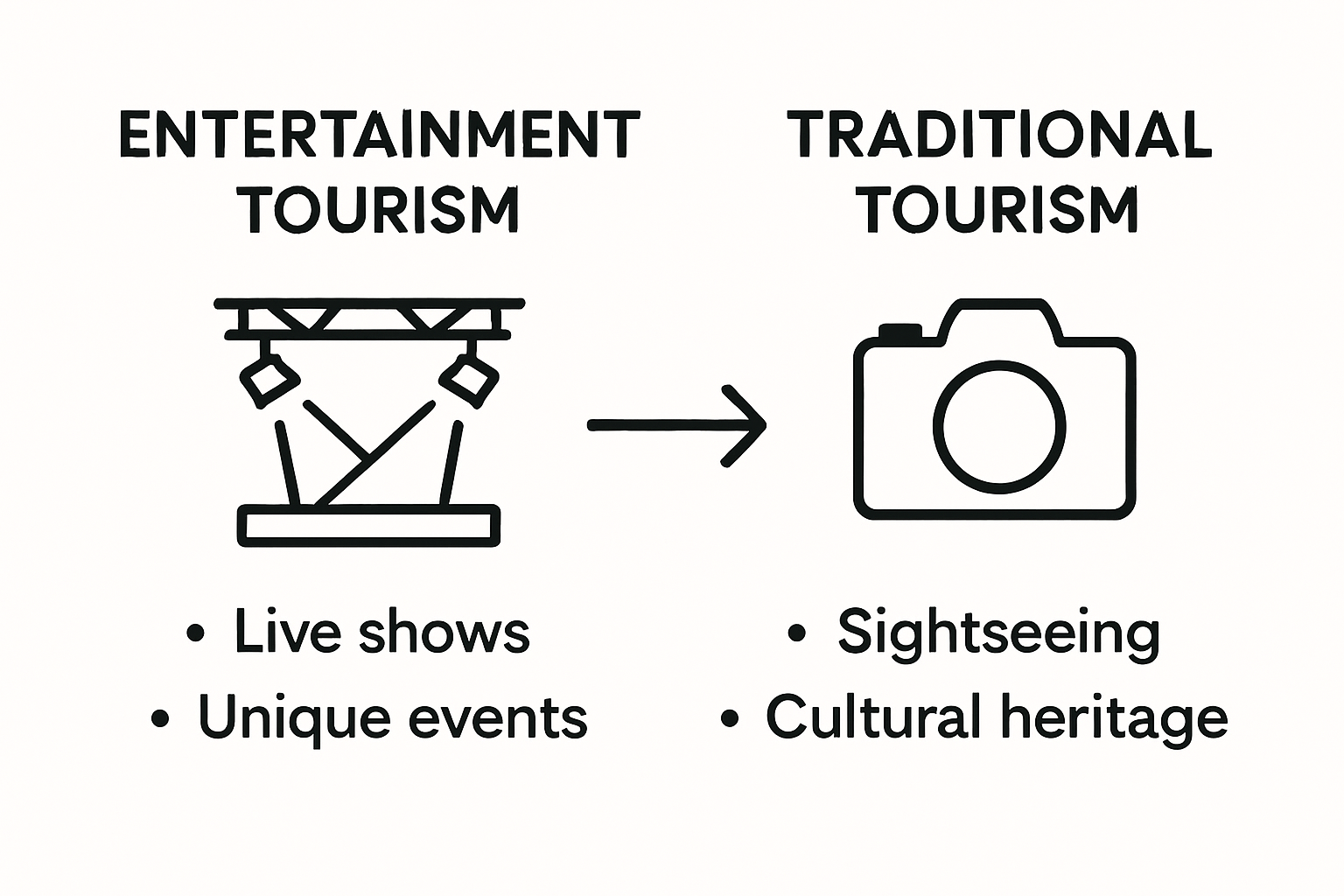
Key comparative characteristics of entertainment tourism include:
Here’s a quick overview contrasting entertainment tourism with other common forms of tourism:
| Aspect | Entertainment Tourism | Nature-Based Tourism | Cultural Tourism |
|---|---|---|---|
| Main Focus | Live and interactive performances | Exploration of natural settings | Historical sites and traditions |
| Visitor Engagement | Active participation and immersion | Observation and guided tours | Learning and educational activities |
| Emotional Impact | Immediate, intense connection | Sense of awe and tranquility | Reflective and insightful |
| Typical Experiences | Festivals, theater, immersive shows | Hiking, wildlife, eco-tours | Museums, heritage walks, monuments |
- Performance Focus: Prioritizes live, interactive experiences over passive observation
- Emotional Engagement: Designed to create immediate, intense emotional connections
- Immediate Gratification: Offers instant entertainment value
- Narrative Driven: Storytelling takes precedence over traditional information transfer
- Multisensory Experience: Engages multiple senses simultaneously
Pro Tip for Experience Seekers: When choosing between different tourism types, consider your primary travel motivation and select experiences that align with your desire for either educational depth, natural exploration, or pure entertainment engagement.
Experience the True Meaning of Entertainment Tourism with Flight of Aloha
The article highlights how entertainment tourism transforms travel into an immersive and emotionally engaging journey through live performance and storytelling. If you seek to go beyond ordinary sightseeing and dive into authentic cultural narratives blended with cutting-edge technology, Flight of Aloha in Kailua-Kona is your perfect escape. This immersive flying theater uses 8K visuals, scents, wind, and motion effects to create a vivid multisensory experience that connects you deeply with Hawaiian culture and natural beauty. It is designed to fulfill the goals of entertainment tourism by providing interactive, culturally authentic, and memorable moments.

Discover how entertainment tourism truly matters by immersing yourself in captivating Hawaiian legends like “Naupaka” and “Lahaina” at Flight of Aloha. Whether you are a family, tourist, or group wanting to experience an innovative ride rooted in aloha spirit, book your tickets today. Explore all the unique experiences and book your visit now at Flight of Aloha to secure your spot for this unforgettable cultural and entertainment adventure.
Frequently Asked Questions
What is entertainment tourism?
Entertainment tourism is a travel segment where individuals visit destinations specifically to engage with unique entertainment experiences, such as performances, shows, and interactive attractions, rather than just sightseeing.
Why is entertainment tourism important?
Entertainment tourism plays a significant role in cultural exchange, economic stimulation, and personal transformation, allowing tourists to connect authentically with local cultures and traditions.
What types of experiences fall under entertainment tourism?
Entertainment tourism includes a variety of experiences such as cultural performances, music festivals, themed attractions, interactive museums, and live shows, all designed to engage visitors actively.
How do immersive attractions enhance the entertainment tourism experience?
Immersive attractions use advanced technologies like virtual and augmented reality to create interactive, multi-sensory experiences that deeply engage tourists by promoting emotional connections and hands-on participation.
Recommended
- Understanding Entertainment Trends In Hawaii 2025 | Flight Of Aloha
- What Is Hawaii Themed Entertainment? Understanding Its Charm | Flight Of Aloha
- What Is Experiential Tourism? Complete 2024 Overview | Flight Of Aloha
- What Is Adventure Tourism? Understanding The Experience | Flight Of Aloha
- 7 Sustainable Travel Trends in 2025 You Need to Know
- Rolle Af Events I Rejseoplevelser: Komplet Guide – Rejs i Danmark