
What Is a Location-Based Attraction? Complete Guide
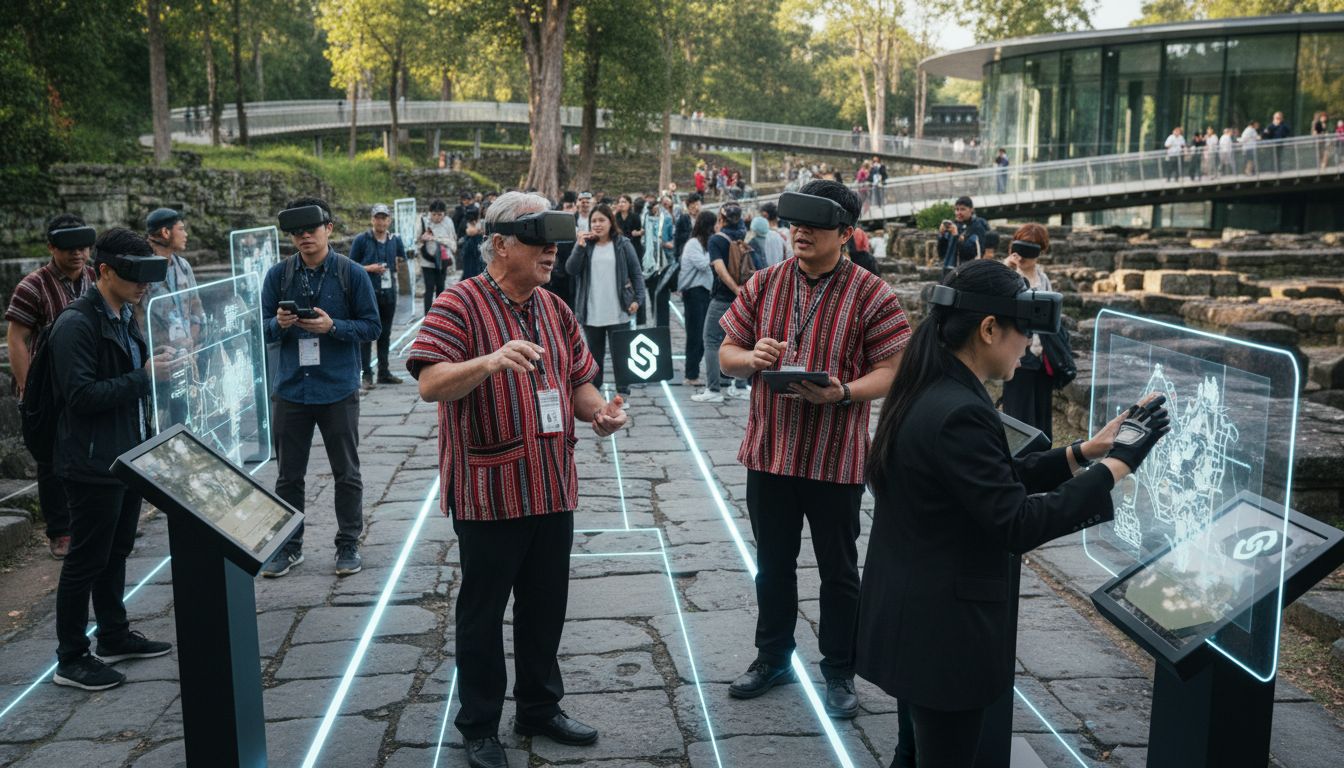
More than ninety percent of travelers seek out experiences that go beyond simple sightseeing, wanting meaningful ways to connect with new places. Location-based attractions have quickly become the heart of modern tourism, blending local culture, natural wonder, and advanced technology into one-of-a-kind journeys. By understanding how these attractions work and what makes them memorable, you can discover how immersive storytelling and multisensory design create unforgettable connections between visitors and destinations.
Table of Contents
- Defining Location-Based Attractions And Core Elements
- Types Of Location-Based Attractions Explained
- Key Characteristics And How Attractions Operate
- Immersive Technologies And Visitor Experience
- Benefits, Risks, And Common Misconceptions
Key Takeaways
| Point | Details |
|---|---|
| Location-based Attractions | These attractions offer immersive, place-specific experiences that engage visitors beyond traditional sightseeing, highlighting cultural, historical, or natural aspects of a destination. |
| Types of Attractions | They can be categorized into natural, socio-cultural, and man-made attractions, each offering unique engagement opportunities for visitors. |
| Key Characteristics | Successful attractions focus on immersive storytelling, multisensory engagement, and interactive experiences to foster deeper visitor connections. |
| Benefits and Challenges | While these attractions enhance visitor engagement and cultural understanding, they also face challenges, such as high technological costs and ensuring accessibility. |
Defining Location-Based Attractions and Core Elements
Location-based attractions are specialized tourism experiences designed to immerse visitors in unique, place-specific environments that create memorable interactions. Location-based attractions transform traditional sightseeing into engaging, multisensory journeys that connect people directly with a destination’s cultural, historical, or natural essence.
According to research from ajhtl.com, tourist attractions constitute core tourism products and can be categorized into two primary types: natural attractions and man-made attractions. Natural attractions include landscapes, climate, and geographic features, while man-made attractions encompass theme parks, cultural sites, and immersive experiences like interactive museums or flying theaters.
The systematic structure of location-based attractions typically involves three critical elements: the human element (the visitors), the nucleus (central feature motivating the visit), and an informative marker that provides context and enhances understanding.
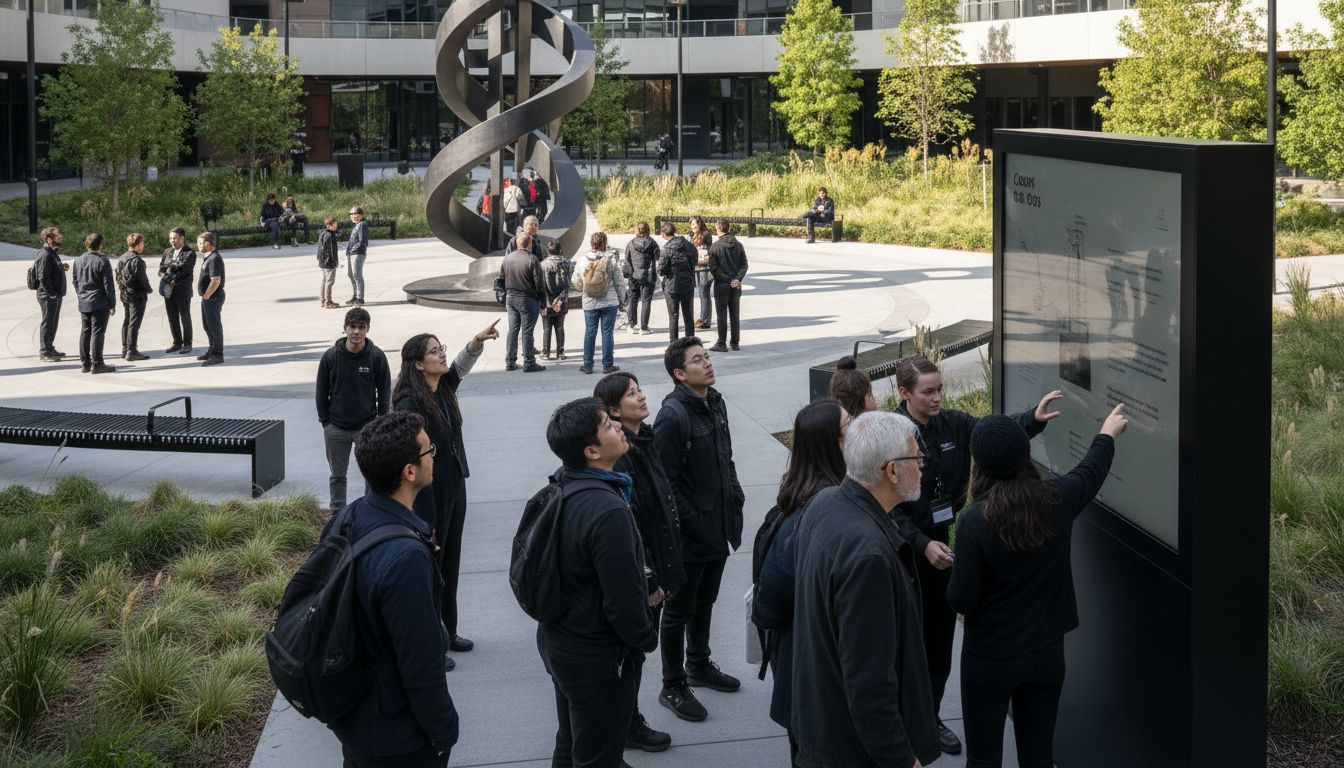 As detailed by theses.lib.polyu.edu.hk, these attractions can be further classified into primary, secondary, and tertiary attractions based on their significance in drawing visitors.
Key characteristics of compelling location-based attractions include:
- Immersive storytelling techniques
- Multisensory engagement
- Cultural authenticity
- Interactive experiences
- Unique geographical or thematic focus
To truly excel, these attractions must create meaningful connections that transform passive observation into active participation, allowing visitors to not just see a place, but to experience it in profound and memorable ways. Why Choose Local Attractions For Groups can provide additional insights into designing compelling visitor experiences.
Types of Location-Based Attractions Explained
Location-based attractions represent a diverse landscape of immersive experiences that transport visitors into unique storytelling environments. These attractions go far beyond traditional tourism, creating engaging encounters that connect people with specific places through multisensory interactions.
According to research from www2.uwstout.edu, tourist attractions can be comprehensively categorized into three fundamental types: natural attractions, socio-cultural attractions, and man-made attractions. Natural attractions feature geographic elements like lakes and mountain landscapes, while socio-cultural attractions include historical sites and religious landmarks. Man-made attractions encompass constructed experiences such as theme parks, museums, and innovative entertainment venues.
Further research from oldmis.kp.ac.rw provides an expanded classification system of formal attractions, breaking them into three primary categories:
- Nature-based attractions: Featuring panoramic landscapes and natural ecosystems
- Mixed nature-based and human-based attractions: Involving both observational and participatory activities
- Human-based attractions: Centered on cultural experiences and recreational sites
For travelers seeking unique Hawaiian experiences, Understanding Adventure Attractions In Hawaii can offer deeper insights into the immersive world of location-specific entertainment. These attractions represent more than simple tourist destinations—they are gateways to understanding a place’s essence, inviting visitors to engage, learn, and create lasting memories through carefully crafted, context-rich experiences.
Key Characteristics and How Attractions Operate
Location-based attractions are intricate experiences designed to transform passive observation into active engagement. These immersive environments blend sophisticated technology, storytelling, and interactive elements to create memorable visitor journeys that transcend traditional tourism models.
According to research from www2.uwstout.edu, attractions are strategically crafted to provide recreational settings that actively encourage tourist engagement. They can be categorized into two primary operational models: touring attractions, which visitors experience across multiple locations, and destination attractions, which serve as primary motivational points for travel.
Research from theses.lib.polyu.edu.hk reveals that successful attractions typically incorporate six critical components:
- Resource element: The core attraction’s unique offering
- Public conception: How visitors perceive and understand the experience
- Visitor activities: Interactive and participatory elements
- Inviolate belt: Preservation zones protecting the attraction’s integrity
- Services: Supporting infrastructure and visitor amenities
- Pricing: Strategic cost structures that balance accessibility and value
For those interested in exploring unique Hawaiian attraction experiences, Understanding Hawaiian History In Themed Attractions provides deeper insights into how cultural narratives can be seamlessly integrated into immersive visitor experiences. The most compelling location-based attractions aren’t just destinations—they’re living, breathing stories that invite participants to become active characters in an unfolding narrative.
Immersive Technologies and Visitor Experience
Immersive technologies are revolutionizing location-based attractions, transforming passive experiences into dynamic, interactive journeys that engage visitors through cutting-edge sensory and digital innovations. These advanced technologies blend physical environments with digital overlays, creating multisensory experiences that transcend traditional entertainment boundaries.
According to en.wikipedia.org, geolocation-based and augmented reality platforms are at the forefront of creating immersive experiences. These sophisticated technologies integrate GPS tracking, augmented reality, and interactive storytelling to craft unique, place-specific encounters that adapt and respond to visitor interactions in real-time.
Key immersive technologies that are reshaping visitor experiences include:
- Motion simulation: Creating physical sensations that mirror on-screen action
- Augmented reality (AR): Overlaying digital information onto real-world environments
- Spatial audio: Designing soundscapes that enhance environmental perception
- Haptic feedback: Introducing physical sensations to digital interactions
- Scent technology: Incorporating olfactory elements to deepen sensory engagement
- Environmental effects: Using wind, temperature, and lighting to simulate realistic conditions
For travelers eager to explore innovative Hawaiian experiences, Understanding What Makes Hawaii Immersive Experiences Special offers deeper insights into how technology can transform cultural storytelling. These immersive technologies aren’t just about entertainment—they’re about creating profound, memorable connections that transport visitors beyond traditional boundaries of perception and experience.
Benefits, Risks, and Common Misconceptions
Location-based attractions represent a complex ecosystem of experiences that balance incredible potential with nuanced challenges. These innovative environments promise transformative visitor interactions while simultaneously navigating technological and experiential complexities that require careful management and strategic design.
According to en.wikipedia.org, immersive platforms offer scalable experiences that can revolutionize tourism and education, but they also introduce significant technological infrastructure requirements. The delicate balance between digital innovation and practical implementation becomes crucial in creating truly successful attractions.
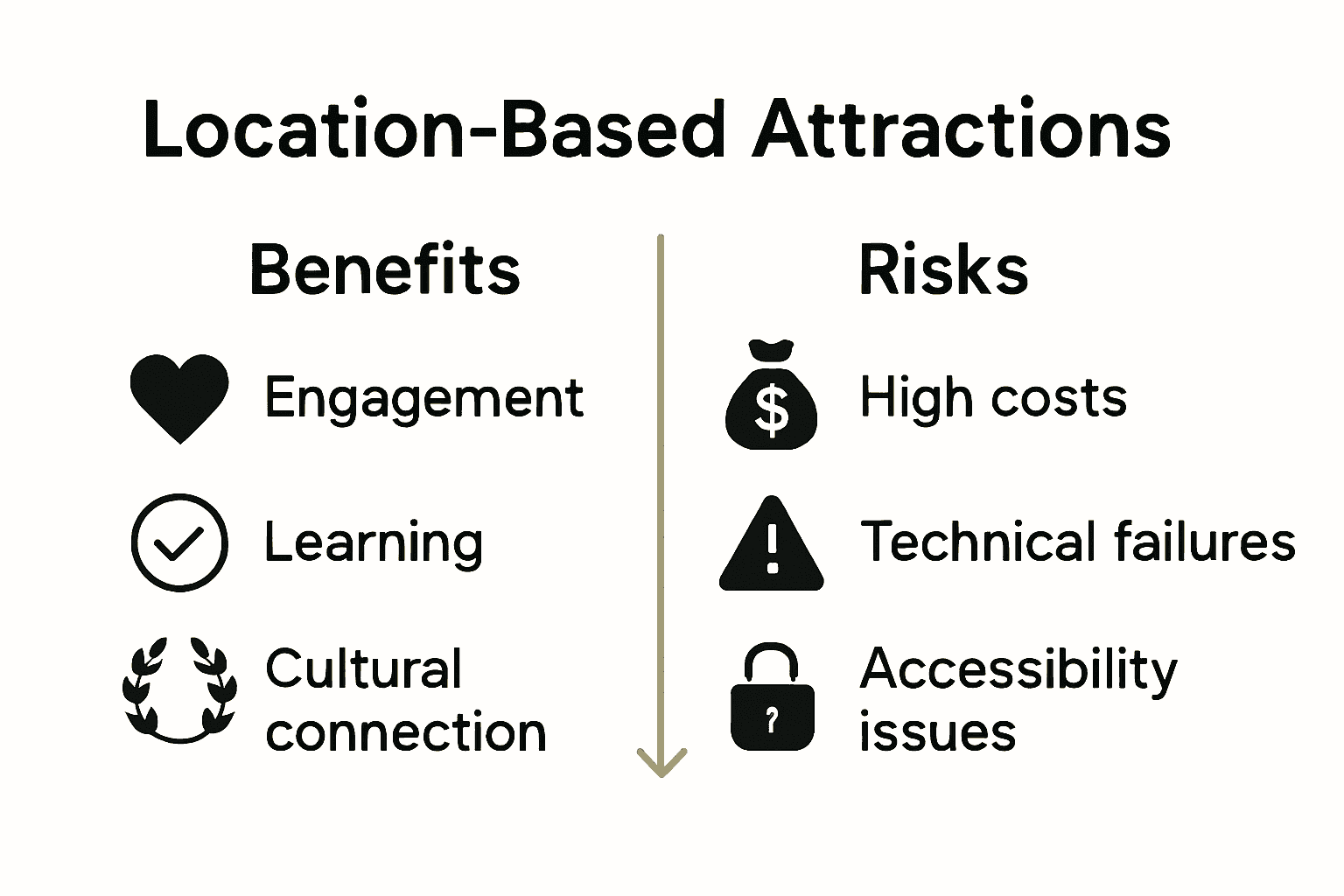
Key benefits and potential risks of location-based attractions include:
Benefits:
- Enhanced visitor engagement
- Personalized storytelling experiences
- Deeper cultural understanding
- Interactive learning opportunities
- Memorable, multisensory journeys
Risks and Challenges:
- High technological investment costs
- Complex integration of digital and physical environments
- Potential technical failures
- Accessibility limitations
- Maintaining consistent user experience
Common misconceptions about these attractions often stem from assumptions that technology can completely replace authentic human experiences.
 In reality, the most compelling location-based attractions use technology as a storytelling tool, not a replacement for genuine cultural connection. Why Support Local Attractions provides deeper insights into how these experiences can meaningfully connect visitors with local narratives while leveraging innovative technologies.
Experience the True Essence of Location-Based Attractions with Flight of Aloha
If you are inspired by the idea of location-based attractions that use immersive storytelling and multisensory engagement to transform passive sightseeing into an active cultural experience then you will want to discover what Flight of Aloha has to offer. Our Hawaiian immersive flying theater attraction in Kailua-Kona blends cutting-edge 8K visuals with motion effects, scents, and wind—bringing the spirit of Hawaii to life in a way that matches the key elements of memorable attractions: cultural authenticity, interactive experiences, and a unique geographical focus.

Ready to move beyond just visiting and start truly experiencing Hawaii as never before Visit Flight of Aloha now and explore how our detailed ride films like Naupaka and Lahaina create living narratives rooted in Hawaiian legends. Booking your VIP experience or annual pass today means you join an adventure that connects you deeply with the islands and supports local cultural storytelling. Don’t wait—become part of a next-generation attraction that turns every visit into an unforgettable story.
Frequently Asked Questions
What is a location-based attraction?
Location-based attractions are specialized tourism experiences designed to connect visitors with a destination’s cultural, historical, or natural essence through engaging, multisensory interactions.
What are the types of location-based attractions?
Location-based attractions can be categorized into three fundamental types: natural attractions (like landscapes), socio-cultural attractions (such as historical sites), and man-made attractions (including theme parks and museums).
What key characteristics define compelling location-based attractions?
Compelling location-based attractions feature immersive storytelling, multisensory engagement, cultural authenticity, interactive experiences, and a unique geographical or thematic focus that connect visitors to a place.
How do immersive technologies enhance location-based attractions?
Immersive technologies, such as augmented reality and motion simulation, transform visitor experiences by creating dynamic, interactive environments that engage multiple senses and deepen the overall experience.
Recommended
- Why Support Local Attractions: Complete Guide | Flight Of Aloha
- Why Choose Local Attractions For Groups: Complete Guide | Flight Of Aloha
- What Is A Must-See Attraction In Hawaii Explained | Flight Of Aloha
- Understanding Adventure Attractions In Hawaii Explained | Flight Of Aloha
- What Is Local SEO? A Comprehensive Guide to Boost Your Local Business Visibility