
Why Family Attractions Matter for Vacation Fun
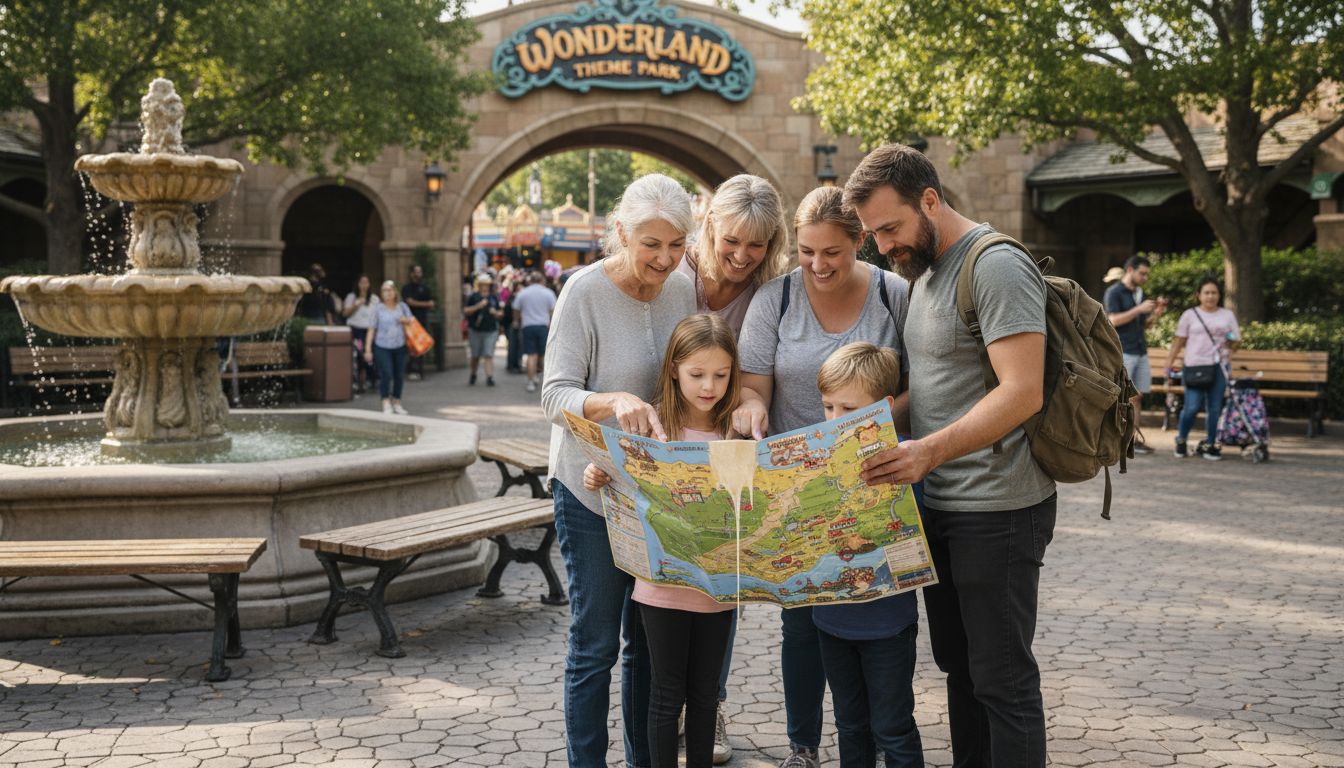
Every American family knows the challenge of finding activities that delight every age. With over 80 percent of American households seeking experiences that foster genuine connection, choosing the right family attractions goes beyond entertainment. These destinations spark learning, encourage cultural curiosity, and help build lasting memories. Discover the deeper roles family attractions play for American families and how common myths can stand in the way of more meaningful adventures.
Table of Contents
- Family Attractions Defined And Common Myths
- Main Types Of Family Attractions Today
- Immersive Technology And Interactive Features
- Role Of Cultural Storytelling In Engagement
- Benefits For Families, Groups, And Communities
- Comparing Family Attractions To Other Outings
Key Takeaways
| Point | Details |
|---|---|
| Family Attractions Offer More Than Entertainment | These destinations facilitate meaningful connections and learning across generations, providing enriching experiences beyond simple fun. |
| Diverse Experience Categories Exist | Family attractions range from cultural sites to immersive technologies, catering to various interests and age groups. |
| Immersive Technology Enhances Engagement | Augmented Reality and immersive experiences have transformed traditional attractions, creating personalized and memorable visits for families. |
| Cultural Storytelling Deepens Connections | Effective storytelling techniques foster emotional resonance, enabling families to engage with cultural heritage and history in impactful ways. |
Family Attractions Defined and Common Myths
Family attractions represent immersive entertainment experiences designed to engage multiple generations simultaneously, offering more than simple amusement. These destinations create memorable shared moments where families can connect, learn, and explore together. Children’s interpretations of travel experiences contribute significantly to identity formation and casual learning, making these attractions far more impactful than simple leisure activities.
Contrary to popular misconceptions, family attractions are not just about entertainment. Multifunctional spaces like museums, interactive exhibits, and cultural experiences serve deeper psychological purposes. Research examining family leisure demonstrates how these attractions reinforce family identity and provide opportunities for parenthood displays, helping families strengthen their connections through shared experiences.
Some common myths about family attractions need debunking. Many people believe these destinations are exclusively for young children, but sophisticated attractions cater to diverse age groups. Attractions like Flight of Aloha’s immersive Hawaiian flying theater engage everyone from grandparents to teenagers by offering culturally rich, multi-sensory experiences. The key is finding attractions that provide layered engagement – visual spectacles, educational components, and interactive elements that spark curiosity across generations.
When selecting family attractions, consider these essential criteria:
- Age-appropriate experiences
- Interactive learning opportunities
- Cultural or educational value
- Comfort and accessibility
- Potential for creating lasting memories
By understanding the nuanced role of family attractions, travelers can transform ordinary vacations into extraordinary journeys of connection and discovery.
Main Types of Family Attractions Today
Family attractions have evolved dramatically, offering diverse experiences that cater to different interests and age groups. Historical storytelling in cultural heritage tourism demonstrates how attractions engage visitors through narrative techniques, transforming traditional entertainment models into immersive learning experiences.
Educational Attractions represent a significant category of family experiences. These destinations go beyond simple entertainment, incorporating interactive learning environments that stimulate curiosity and intellectual growth. Science centers, museums, and living history exhibits fall into this category, providing opportunities for children and adults to explore complex concepts through hands-on engagement. Research exploring children’s travel experiences reveals how these attractions contribute meaningfully to identity formation and learning processes.
The primary types of family attractions include:
- Cultural and Historical Sites
- Museums
- Heritage centers
- Historical reconstructions
- Interactive Educational Centers
- Science museums
- Technology exhibits
- Planetariums
- Immersive Experience Attractions
- Virtual reality experiences
- Themed entertainment parks
- Multimedia storytelling venues
- Nature and Wildlife Attractions
- Zoos
- Aquariums
- Botanical gardens
- Adventure and Recreation Centers
- Indoor activity parks
- Climbing walls
- Interactive game zones
Modern family attractions prioritize multi-generational engagement, ensuring that experiences are rich, meaningful, and enjoyable for every family member. By blending education, entertainment, and interactive storytelling, these destinations create memorable experiences that transcend traditional vacation activities.
Immersive Technology and Interactive Features
Immersive technology has revolutionized family attractions, transforming passive experiences into dynamic, interactive journeys. Cutting-edge mixed-reality narrative attractions are introducing innovative diorama-to-virtual workflows that create entirely new storytelling experiences, allowing families to engage with content in unprecedented ways.
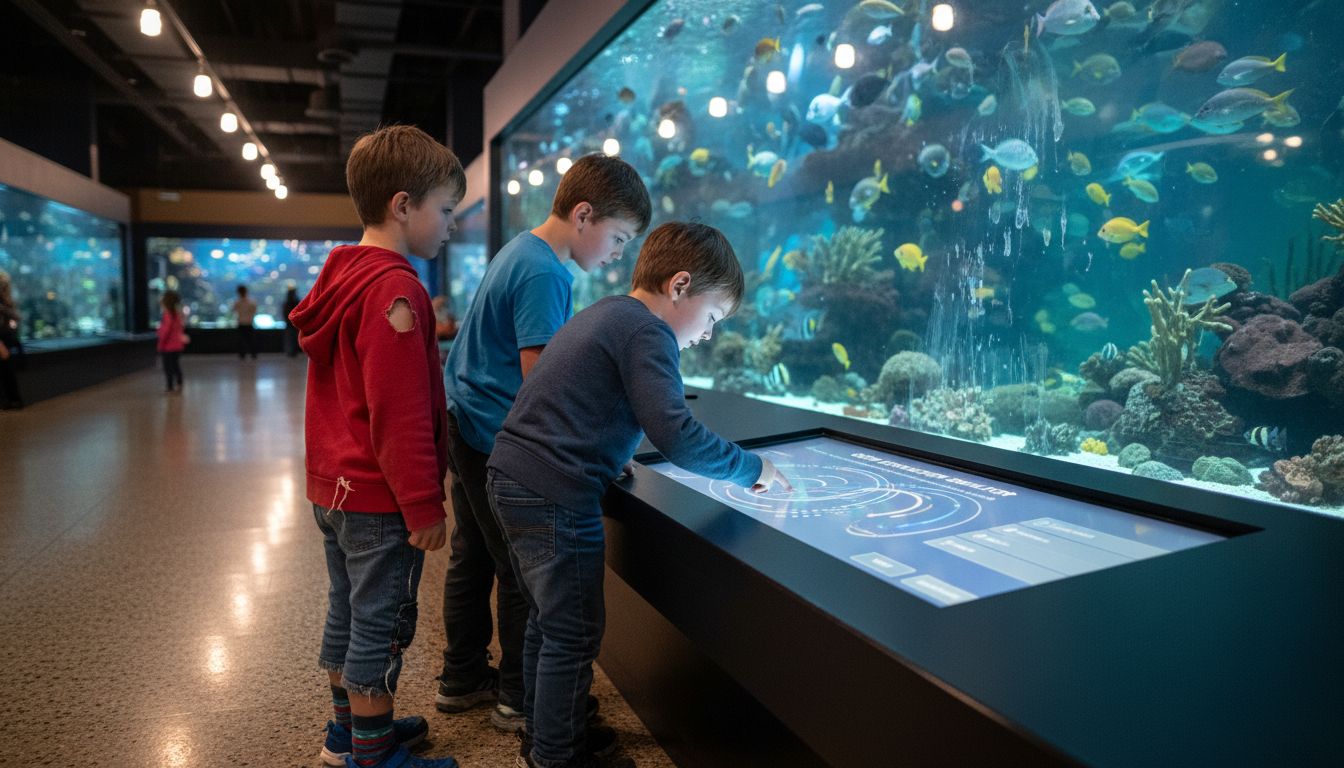
Augmented Reality (AR) and Extended Reality (XR) technologies have become game-changers in family attraction design. These technologies enable attractions to personalize experiences, making each visit unique and memorable. Generative AI and augmented reality are now creating reference architectures that dramatically enhance cultural heritage interactions, providing more immersive and adaptive experiences for visitors of all ages.
Key interactive features that define modern family attractions include:
- Motion-synchronized visual experiences
- Personalized narrative pathways
- Multi-sensory environmental interactions
- Real-time adaptive storytelling
- Gesture and movement-based engagement
The most advanced attractions combine multiple technological elements to create holistic experiences. By integrating visual, auditory, and interactive components, these destinations transform learning and entertainment into a seamless, engaging journey that captivates every family member. Technology is no longer just a tool – it’s become the primary medium for creating unforgettable shared memories.
Role of Cultural Storytelling in Engagement
Cultural storytelling has emerged as a powerful mechanism for creating deep, meaningful connections between visitors and attractions. Digital archives and immersive experiences are transforming traditional storytelling methods, particularly in preserving and promoting cultural heritage, allowing families to explore narratives that transcend simple entertainment.
Narrative techniques play a crucial role in transforming passive observation into active engagement. Historical storytelling significantly influences cultural heritage tourism by mediating visitor experiences through authentic interactions and place-based narratives, creating multi-layered experiences that resonate on emotional and intellectual levels.
Key elements of effective cultural storytelling include:
- Authentic historical context
- Emotional resonance
- Interactive narrative techniques
- Personal connection points
- Multi-generational appeal
Successful cultural storytelling goes beyond mere information delivery. It creates immersive experiences that allow families to step into different worlds, understand diverse perspectives, and connect with cultural traditions in meaningful ways. By weaving personal, historical, and cultural threads together, attractions can transform simple visits into transformative journeys of discovery and understanding.
Benefits for Families, Groups, and Communities
Family travel experiences play a profound role in personal development and collective understanding, offering transformative opportunities that extend far beyond simple recreational activities. These shared journeys contribute to identity formation, learning, and deep interpersonal connections that strengthen familial bonds and community relationships.
Group Dynamics are significantly enhanced through immersive attractions that encourage collaborative experiences. Family leisure activities serve as multi-functional spaces that reinforce social connections and ideal family interactions, creating environments where learning, enjoyment, and personal growth intersect naturally. These experiences help families develop communication skills, mutual understanding, and shared memories.
Key benefits of family attractions include:
- Enhanced emotional intelligence
- Intergenerational learning opportunities
- Skill development through interactive experiences
- Cultural awareness and empathy
- Stress reduction and collective enjoyment
- Strengthened family communication
Beyond individual experiences, family attractions contribute to broader community development by creating spaces that celebrate diversity, promote understanding, and provide inclusive environments for learning and recreation. They serve as critical social infrastructure, bridging generational gaps and offering meaningful ways for families to connect, explore, and grow together.
Comparing Family Attractions to Other Outings
Children’s travel experiences reveal profound differences between family attractions and traditional leisure activities, highlighting unique characteristics that set these destinations apart from typical outings. Unlike passive recreational activities, family attractions offer structured, immersive environments designed to engage multiple generations simultaneously, creating deeper learning and connection opportunities.
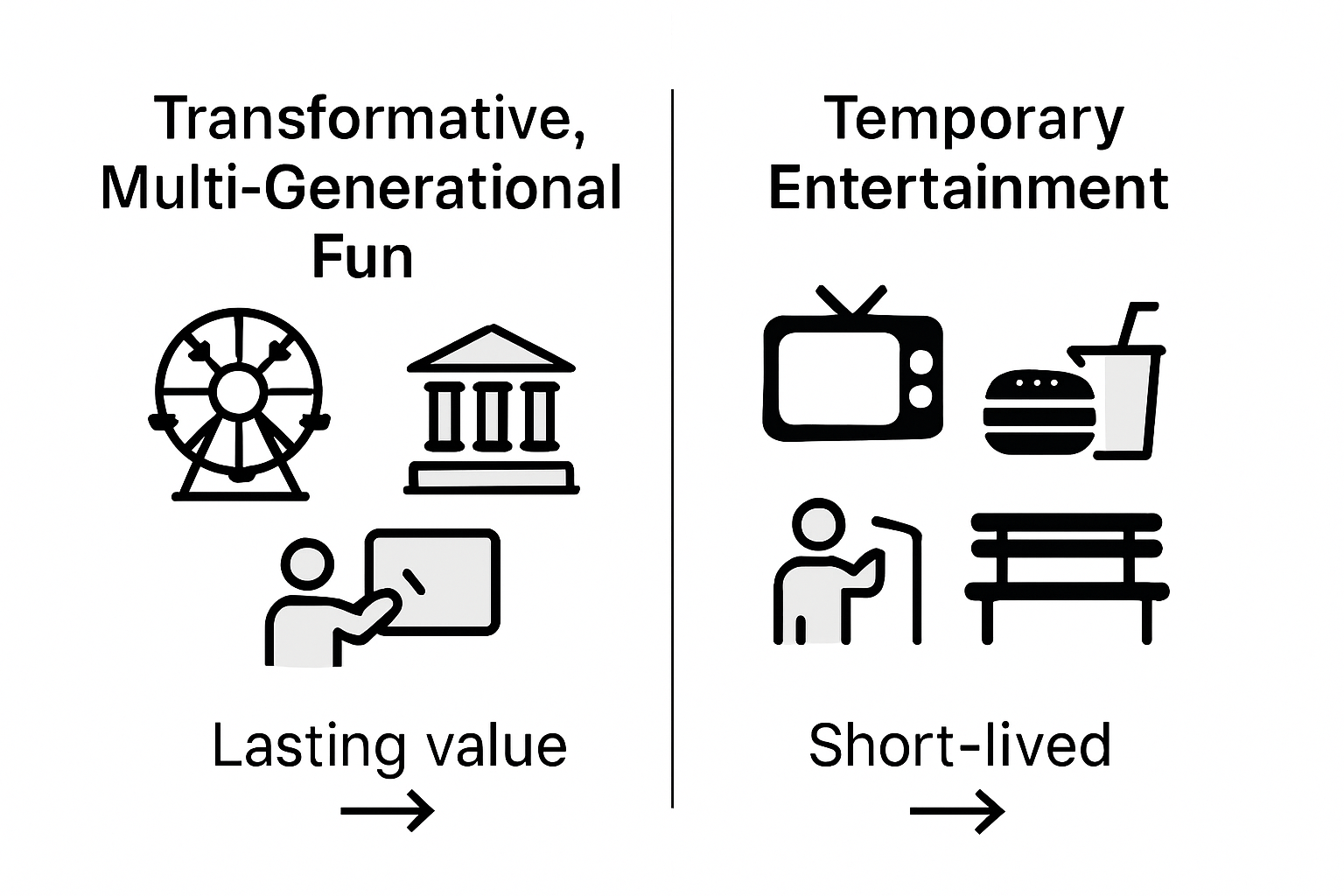
Comparative Experiences demonstrate how family attractions transcend conventional entertainment models. Research examining leisure activities shows that certain experiences, like family camping, serve multi-functional purposes beyond simple recreation, providing rich environments for personal growth, skill development, and interpersonal bonding that traditional outings cannot replicate.
Key distinctions between family attractions and other outings include:
- Intentional learning design
- Multigenerational engagement
- Interactive storytelling
- Structured educational components
- Sensory-rich environments
- Adaptive experience levels
While traditional outings might offer momentary entertainment, family attractions create transformative experiences that stimulate intellectual curiosity, emotional intelligence, and shared understanding. They represent more than destinations – they are dynamic platforms for collective discovery, personal development, and meaningful family connections that extend far beyond simple recreation.
Discover How Family Attractions Create Lasting Memories at Flight of Aloha
The article highlights the importance of immersive family attractions that engage multiple generations through interactive storytelling and cultural experiences. Families often struggle to find activities that combine educational value, multi-sensory engagement, and opportunities for genuine connection. At Flight of Aloha, we solve this challenge with an unforgettable Hawaiian flying theater experience. Our attraction blends stunning 8K visuals, motion effects, scents, and wind to simulate flying over Hawaii. It is designed to captivate kids, parents, and grandparents alike, fulfilling the article’s call for attractions that provide deeper psychological and cultural engagement.
Experience the power of cultural storytelling firsthand with our Hawaiian legends like Naupaka and Lahaina, delivering rich narratives that foster emotional resonance and family bonding. We create meaningful, multi-generational moments that go beyond simple entertainment, helping your family connect through shared discovery and wonder.
Elevate your next family vacation by choosing an attraction that embodies the very principles discussed in the article.

Ready to transform your family outing into an immersive journey of connection and excitement Book your tickets today at Flight of Aloha and explore detailed ride descriptions and exclusive packages at https://flightofaloha.com. Don’t miss the chance to create lasting memories with an experience rooted in aloha that everyone will cherish.
Frequently Asked Questions
What are family attractions?
Family attractions are immersive entertainment experiences designed to engage multiple generations. They offer more than mere amusement, focusing on creating memorable shared moments for families to connect, learn, and explore together.
How do family attractions enhance learning for children?
Family attractions, like museums and science centers, incorporate interactive learning environments, stimulating curiosity and intellectual growth. These experiences contribute significantly to children’s identity formation and casual learning.
What types of experiences can families expect from modern attractions?
Modern family attractions include cultural and historical sites, interactive educational centers, immersive experiences, nature and wildlife attractions, and adventure and recreation centers. Each offers unique engagement opportunities for all age groups.
Why is cultural storytelling important in family attractions?
Cultural storytelling creates deep connections between visitors and attractions. It transforms passive observation into active engagement, allowing families to explore narratives that resonate emotionally and intellectually, making their visits more meaningful.
Recommended
- Family-Friendly Attractions: Complete Guide For Visitors | Flight Of Aloha
- Expert Tips For Family Attractions In Hawaii | Flight Of Aloha
- Complete Guide To Why Choose Indoor Attractions | Flight Of Aloha
- Understanding Why Choose Family Activities In Hawaii | Flight Of Aloha
- Travel Insurance for Families: Protect Your Loved Ones on Every Adventure