
Why Hawaiian Stories Matter for Travelers and Locals

Most American visitors are surprised to discover that Hawaiian storytelling is more than entertainment—these narratives serve as vital bridges linking generations, land, and spiritual beliefs. With oral traditions that preserve genealogies and ancient ecological wisdom, over 85 percent of Native Hawaiian knowledge is passed down through moʻolelo and chants. Exploring these stories helps unlock the deep-rooted cultural identity and worldviews that define Hawaii, offering travelers a richer connection to the islands’ living heritage.
Table of Contents
- Defining Hawaiian Stories And Their Core Role
- Types Of Hawaiian Stories And Core Themes
- How Storytelling Shapes Hawaiian Identity
- Cultural Transmission And Community Connection
- Enhancing Visitor Experiences Through Stories
Key Takeaways
| Point | Details |
|---|---|
| Cultural Significance | Hawaiian stories are essential for transmitting ancestral wisdom, ecological knowledge, and spiritual connections, shaping cultural identity. |
| Storytelling Forms | Various forms of Hawaiian storytelling include mele, moʻokūʻauhau, and complex narratives that connect generations and preserve cultural memory. |
| Understanding Relationships | These narratives illustrate deep connections between humans and the natural world, emphasizing mutual respect and interdependence. |
| Enhancing Visitor Engagement | Engagement with Hawaiian narratives transforms tourism into meaningful cultural experiences, fostering respect and understanding of local traditions. |
Defining Hawaiian Stories and Their Core Role
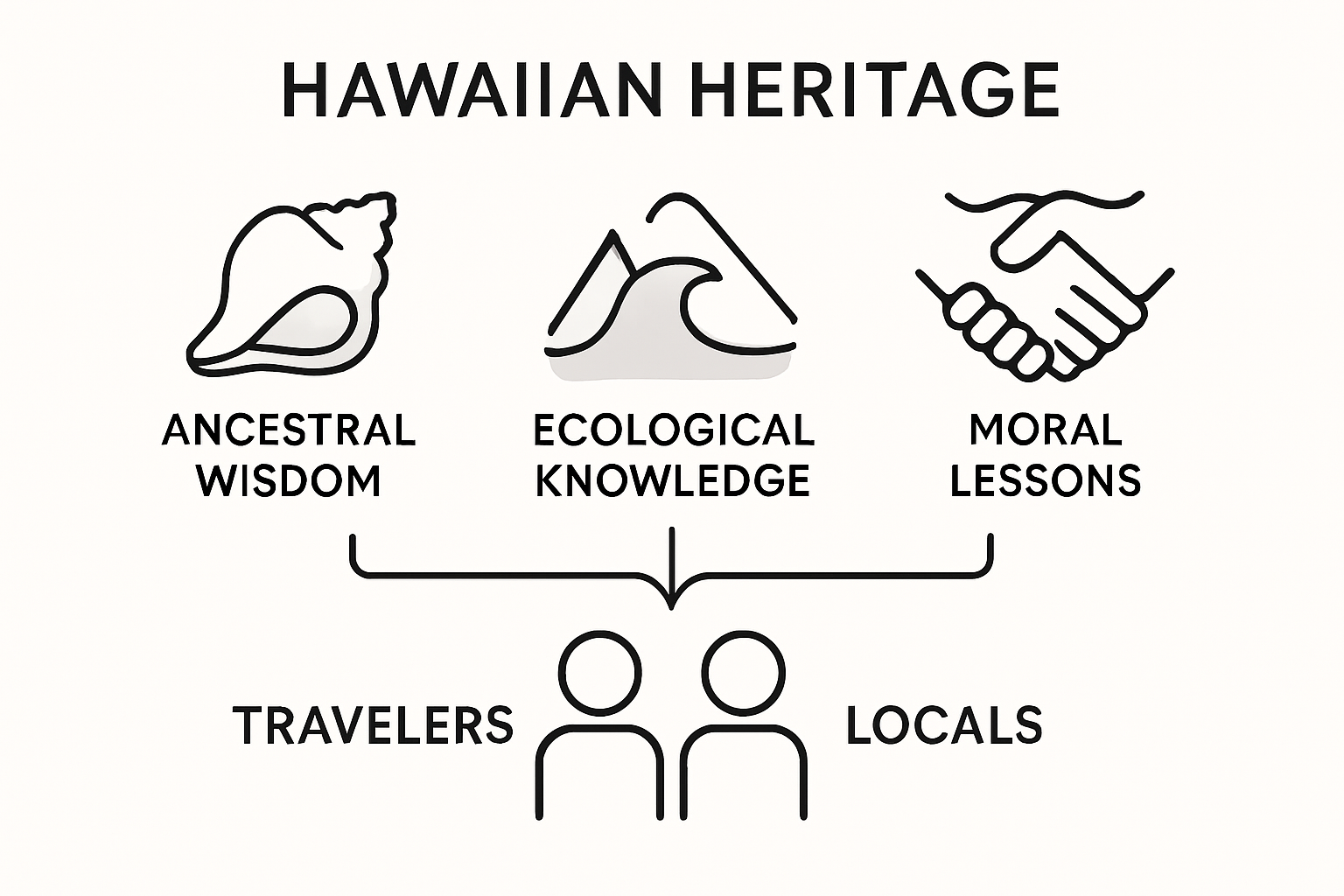
Hawaiian stories represent far more than simple entertainment – they are profound cultural vessels that transmit ancestral wisdom, ecological knowledge, and spiritual understanding. Moʻolelo (narratives) serve as living repositories of Hawaiian cultural memory, weaving together history, mythology, and fundamental lessons about human relationships with the natural world.
These narratives are deeply rooted in oral traditions that extend far beyond casual storytelling. Hawaiian storytelling encompasses multiple forms including mele (poetic chants), moʻokūʻauhau (genealogical records), and complex narrative traditions that connect past generations to present cultural practices. Hawaiian literature originates from these intricate oral transmission systems, preserving cultural identity through generations.
For travelers and locals alike, understanding Hawaiian stories provides a window into the profound spiritual and ecological worldview of Native Hawaiian culture. These narratives explain natural phenomena, describe ancestral migrations, and provide moral guidance – functioning simultaneously as historical documents, spiritual texts, and complex cultural instructions. They reveal a worldview where human beings are intimately connected with the land (ʻāina), not separate from it, highlighting relationships of mutual respect and interdependence.
Key aspects of Hawaiian storytelling include:
- Transmission of generational knowledge
- Explanation of natural and spiritual phenomena
- Preservation of cultural memory
- Guidance for ethical and ecological behavior
- Celebration of ancestral connections
By recognizing these stories as living, breathing cultural expressions, visitors can move beyond surface-level tourism and engage with Hawaiian culture in a deeply respectful and meaningful way.
Types of Hawaiian Stories and Core Themes
Hawaiian storytelling encompasses a rich tapestry of narrative types that reflect the profound cultural and spiritual depth of Native Hawaiian traditions. Moʻolelo (stories) range from mythological accounts of deities to intricate explanations of natural phenomena, serving as complex cultural repositories that go far beyond simple entertainment.
These narratives are typically organized into several distinct categories that each serve unique cultural purposes. Mythological stories explore the origins of the Hawaiian universe, featuring powerful gods and demigods like Pele (goddess of volcanoes) and Māui. Historical moʻolelo document genealogies, migrations, and significant events, preserving community memory across generations. Ecological narratives provide deep insights into environmental relationships, explaining natural processes and teaching principles of sustainable living and land stewardship.
Specific regional stories, such as those from Mānoa Valley, illustrate the intricate connections between human experiences and natural landscapes. These narratives often explore complex themes of:
- Love and human relationships
- Spiritual connections to the environment
- Moral lessons and ethical behavior
- Ancestral wisdom and cultural preservation
- Consequences of disrespecting natural and spiritual boundaries
By understanding these multifaceted storytelling traditions, travelers and locals can gain profound insights into Hawaiian culture – recognizing that these stories are living, dynamic expressions of collective identity, ecological wisdom, and spiritual understanding. They are not mere historical artifacts, but ongoing conversations that continue to shape Hawaiian cultural consciousness and environmental relationships.
How Storytelling Shapes Hawaiian Identity
Storytelling is the heartbeat of Hawaiian cultural preservation, serving as a dynamic mechanism for transmitting collective memory, values, and spiritual understanding across generations. Hawaiian cultural identity is fundamentally woven through the intricate threads of moʻolelo (storytelling), creating a profound connection between individuals, their ancestors, and the living landscape.
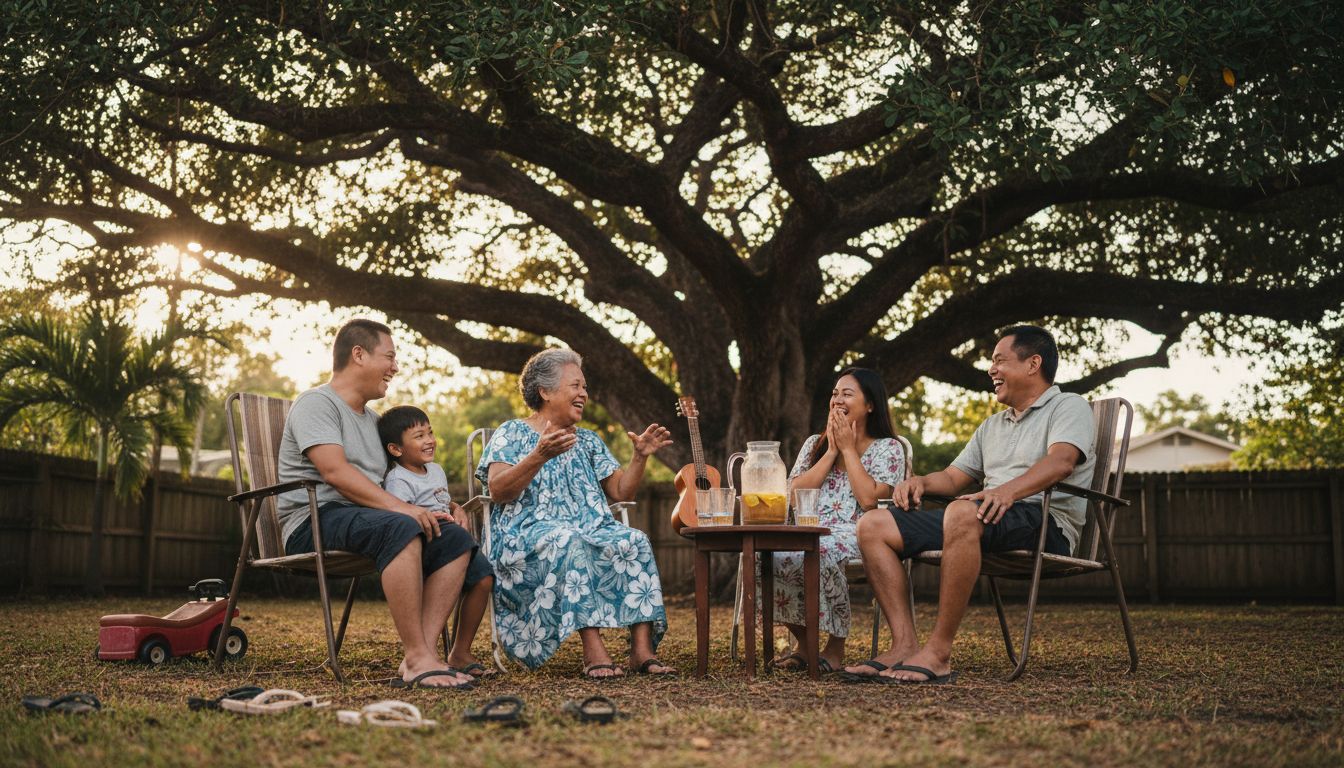
These narrative traditions extend far beyond simple communication, integrating multiple artistic and cultural expressions. Moʻolelo incorporate spoken words, mele (songs), oli (chants), and hula (dance) into a holistic storytelling experience, each performance serving as a living archive of cultural knowledge. Through these rich, multilayered narratives, Hawaiians maintain a continuous dialogue with their historical and spiritual heritage, ensuring that cultural wisdom remains vibrant and relevant.
The power of Hawaiian storytelling in shaping identity can be understood through several key mechanisms:
- Preserving indigenous language and linguistic nuances
- Transmitting traditional values and ethical frameworks
- Maintaining genealogical connections
- Explaining natural phenomena and ecological relationships
- Creating a sense of collective belonging and community resilience
For travelers and locals alike, understanding these storytelling traditions offers a profound window into the complex, dynamic nature of Hawaiian cultural identity – a living, breathing system of knowledge that continues to evolve while maintaining deep roots in ancestral wisdom and spiritual connection.
Cultural Transmission and Community Connection
Cultural transmission represents the lifeblood of Hawaiian social cohesion, with storytelling serving as the primary mechanism for preserving collective memory and shared understanding. Stories of significant historical sites like Puʻuhonua o Hōnaunau play a critical role in educating younger generations about their cultural heritage, creating a powerful bridge between past and present.
These narrative traditions function as sophisticated educational systems, far more nuanced than simple historical documentation. Origin stories and legends in Pacific Island cultures provide intricate insights into community values, historical experiences, and humanity’s relationship with the natural world, weaving together complex layers of knowledge that extend beyond typical historical instruction.
The profound impact of cultural transmission through storytelling can be understood through several key dimensions:
- Preserving linguistic diversity and traditional vocabulary
- Maintaining intricate genealogical connections
- Explaining complex ecological relationships
- Reinforcing collective moral and ethical frameworks
- Creating a sense of shared identity and community resilience
For both locals and visitors, understanding these storytelling traditions offers a transformative window into Hawaiian cultural consciousness – revealing a dynamic, living system of knowledge that continues to evolve while maintaining deep connections to ancestral wisdom and collective experience.
Enhancing Visitor Experiences Through Stories
Storytelling transforms ordinary travel experiences into extraordinary cultural journeys, offering travelers a profound connection to Hawaiian landscapes and traditions. Educational programs that integrate moʻolelo (stories) about Maui and other Hawaiian locations provide visitors with deep cultural insights that extend far beyond typical tourist experiences, revealing the intricate layers of meaning embedded in every natural feature and cultural practice.
These narrative experiences go beyond simple entertainment, serving as powerful tools for cultural understanding and environmental awareness. By sharing stories that explain the significance of natural landscapes and cultural practices, visitors gain a more meaningful perspective on Hawaiian heritage, transforming passive observation into active engagement and respect.
Visitors can enhance their cultural understanding through storytelling experiences that include:
- Guided tours featuring traditional moʻolelo
- Interactive cultural presentations
- Interpretive programs at historical sites
- Storytelling performances with traditional music and dance
- Workshops exploring the deeper meanings behind Hawaiian narratives
Ultimately, these storytelling experiences invite travelers to move beyond surface-level tourism, encouraging a deeper, more respectful engagement with Hawaiian culture – transforming their journey from a simple vacation into a profound cultural exploration that honors the rich, living traditions of the Hawaiian people.
Experience Hawaiian Stories Like Never Before
The article reveals how Hawaiian storytelling preserves cultural identity through moʻolelo rich with ancestral wisdom and ecological understanding. For travelers and locals craving a deeper connection to these narratives there is a challenge to move beyond surface-level tourism toward meaningful cultural engagement. Flight of Aloha bridges this gap by offering an immersive flying theater experience that brings these stories to life using 8K visuals motion effects scents and wind that simulate flying over Hawai‘i. Our attraction features culturally rooted story films like “Naupaka” and “Lahaina” transforming traditional moʻolelo into vivid sensory journeys.

Discover a unique way to honor and connect with Hawaiian heritage by stepping inside these profound tales. With packages including VIP experiences and annual passes your visit becomes more than entertainment – it becomes a heartfelt journey into the richness of Hawaiian culture. Don’t miss the chance to elevate your Hawai‘i experience through storytelling at Flight of Aloha. Book your immersive adventure today at Flight of Aloha and experience firsthand how stories shape identity and connection.
Learn more about our rides and offerings on our landing page. Begin your cultural exploration now and see why Flight of Aloha is the must-visit Kailua-Kona thing to do.
Frequently Asked Questions
What are Hawaiian stories and why are they important?
Hawaiian stories, or moʻolelo, are essential cultural vessels that transmit ancestral wisdom, ecological knowledge, and spiritual understanding. They connect history, mythology, and life lessons about human relationships with the natural world.
How do Hawaiian stories enhance visitor experiences?
Hawaiian stories transform travel experiences by providing deeper cultural insights and meaningful connections to the landscape. They invite engagement and respect for Hawaiian heritage, turning ordinary visits into profound cultural explorations.
What themes are commonly found in Hawaiian storytelling?
Common themes in Hawaiian storytelling include love, spiritual connections to the environment, moral lessons, ancestral wisdom, and the consequences of disrespecting natural and spiritual boundaries. These stories serve cultural preservation and community identity.
How can travelers learn about Hawaiian storytelling?
Travelers can learn about Hawaiian storytelling through guided tours featuring moʻolelo, interactive cultural presentations, interpretive programs at historical sites, and storytelling performances that include traditional music and dance.