
Why Support Local Attractions: Complete Guide
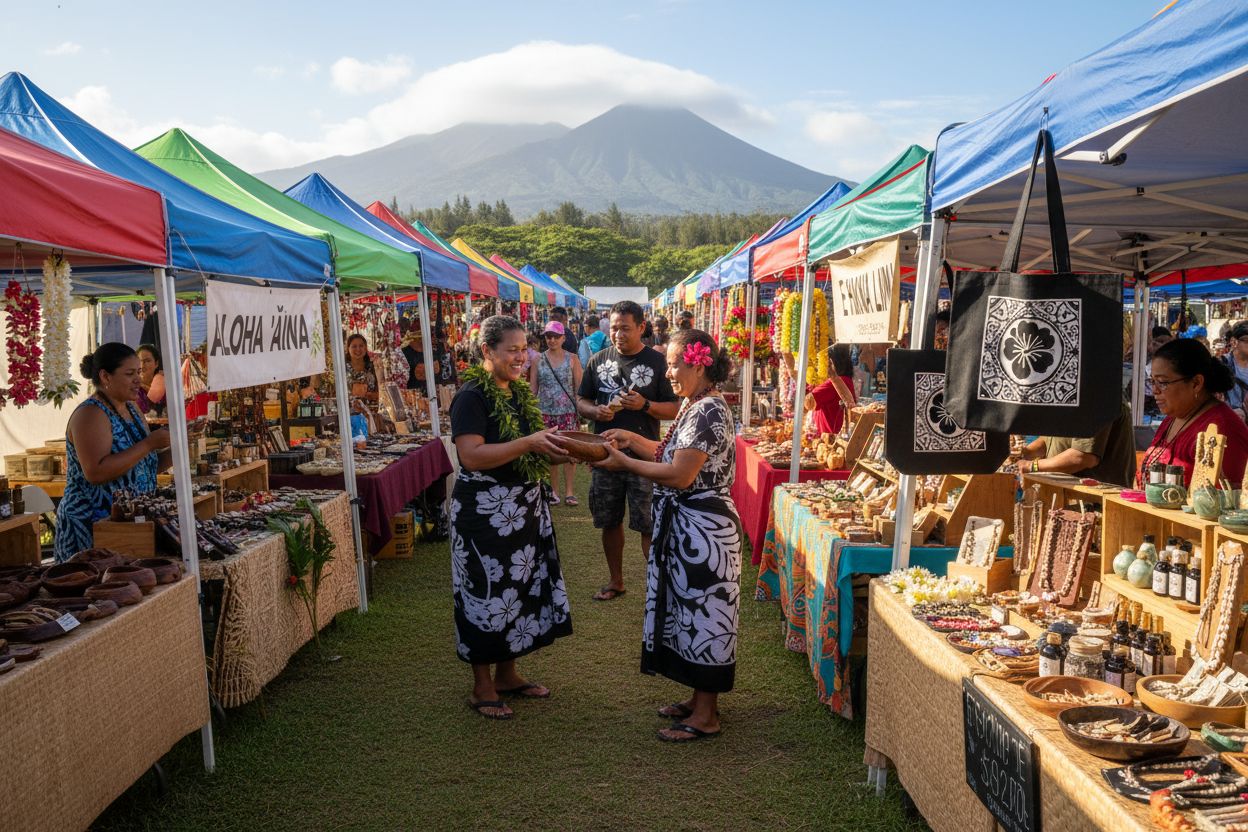
Did you know that tourism through local attractions can generate millions of dollars for community economies each year? These spots are not just for sightseeing. They carry stories, fuel jobs, and preserve traditions that make places unique. The right local experiences can shape your journey and support the culture and people who call these destinations home. Learning how local attractions work helps travelers make a real difference wherever they visit.
Key Takeaways
| Point | Details |
|---|---|
| Economic Benefits | Local attractions are crucial for community economic development, creating jobs, boosting infrastructure, and generating tax revenue. |
| Cultural Preservation | Tourism promotes cultural heritage by maintaining traditional crafts and local narratives, providing economic opportunities for community members. |
| Authentic Experiences | Travelers should engage respectfully with local communities to ensure meaningful cultural exchanges, moving beyond superficial tourism. |
| Misconceptions Awareness | Understanding the realities of local attractions can enhance visitor experiences and promote responsible tourism practices. |
Table of Contents
- Defining Local Attractions And Their Importance
- Types Of Local Attractions In Hawaii
- Economic And Social Benefits For Communities
- Cultural Preservation Through Local Experiences
- Common Misconceptions About Local Attractions
Defining Local Attractions and Their Importance
When you think about traveling, local attractions are more than just tourist spots – they’re the heartbeat of a destination’s culture and economy. Local attractions represent unique experiences, historical sites, cultural centers, and community-driven spaces that offer visitors an authentic glimpse into a region’s identity and spirit.
According to The Tourism Institute, tourism through local attractions generates significant economic benefits. These attractions support communities by:
- Creating jobs across multiple skill levels
- Stimulating infrastructure improvements like roads and utilities
- Generating tax revenue for public services
- Funding heritage conservation efforts
Moreover, local attractions play a crucial role in cultural preservation. Research from international studies reveals that tourism helps maintain traditional crafts, historical buildings, and artisan skills by creating market demand. When visitors seek out local experiences, they directly contribute to sustaining cultural heritage and providing economic opportunities for community members.
By supporting local attractions, travelers become active participants in community development. Each ticket purchased, each local craft bought, and each guided tour taken represents an investment in preserving unique cultural landscapes and empowering local economies. These experiences transform tourism from a transactional activity into a meaningful cultural exchange that benefits both visitors and residents.
Types of Local Attractions in Hawaii
Hawaii offers a diverse range of local attractions that go far beyond typical tourist experiences, providing visitors with immersive cultural, natural, and educational opportunities. These attractions capture the unique spirit of the Hawaiian islands, blending rich historical heritage with stunning landscapes and vibrant community engagement.
Cultural and Historical Attractions
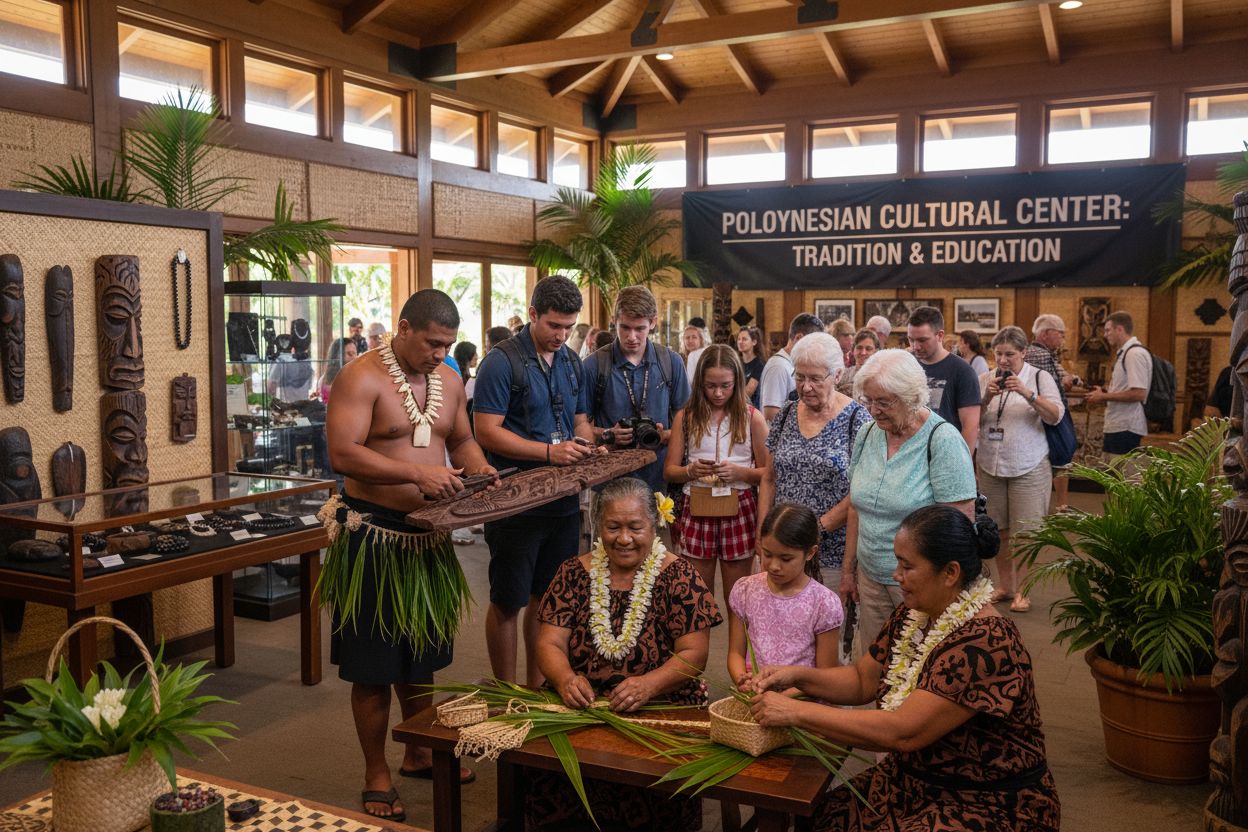
Cultural attractions represent the heart of Hawaiian visitor experiences. The Polynesian Cultural Center in Oʻahu stands as a prime example, functioning as a living museum and cultural theme park. This remarkable attraction features:
- Simulated tropical villages showcasing Polynesian traditions
- Traditional arts and crafts demonstrations
- Authentic cultural performances
- Guided canoe rides
- Traditional luau experiences
The center attracts hundreds of thousands of visitors annually, offering an immersive journey into Polynesian cultural heritage. These types of attractions allow travelers to connect deeply with local traditions and understand the rich tapestry of Hawaiian history.
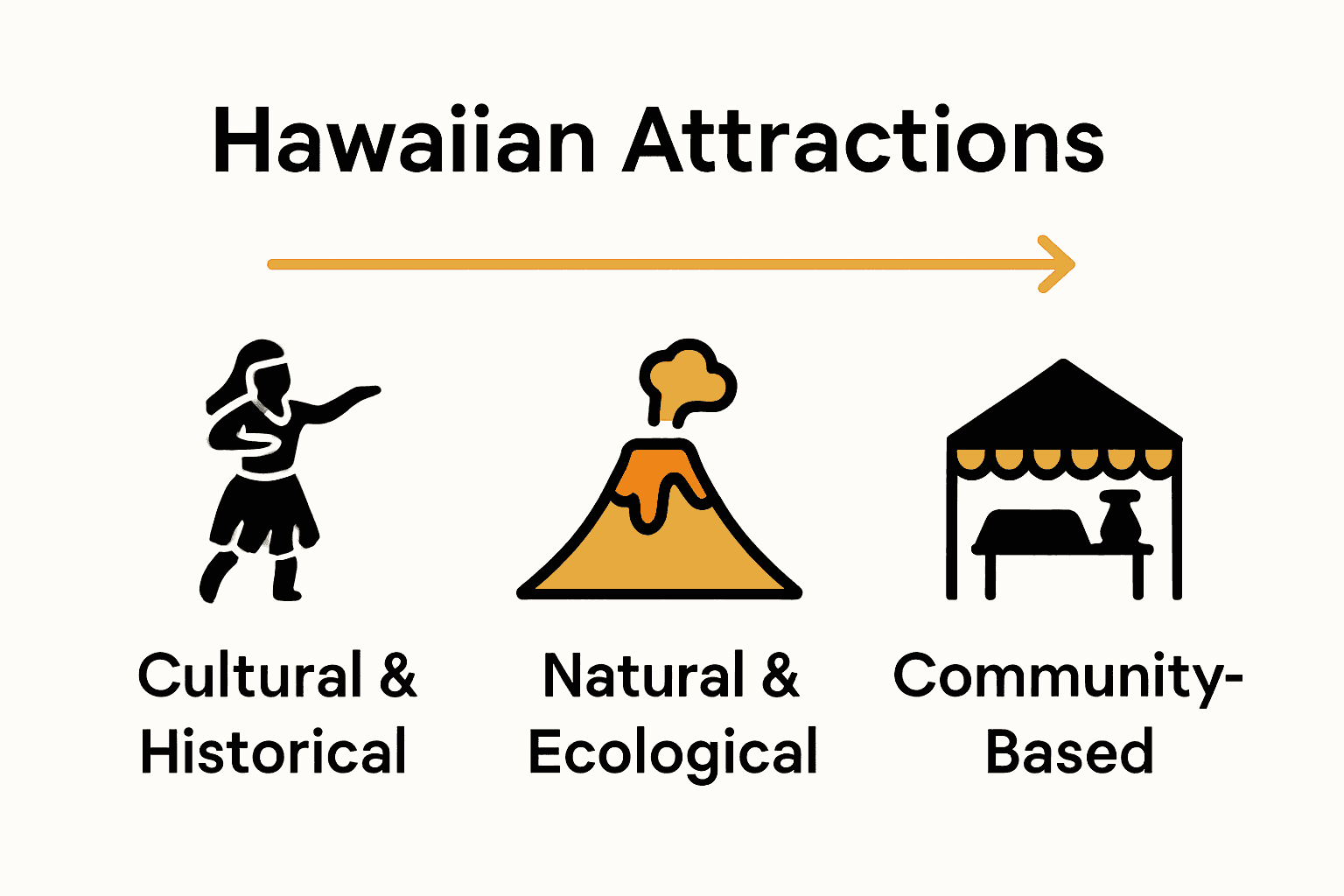
Here’s a comparison of key types of local attractions in Hawaii:
| Type of Attraction | Examples | Visitor Experience |
|---|---|---|
| Cultural & Historical | Polynesian Cultural Center Historical sites |
Traditional arts Guided tours |
| Natural & Ecological | National parks Volcanic landscapes Marine sanctuaries |
Hiking Wildlife viewing Conservation learning |
| Community-based | Local festivals Artisan markets |
Interaction with locals Handmade crafts |
Natural and Ecological Attractions
Beyond cultural sites, Hawaii boasts incredible natural attractions that highlight the islands’ extraordinary ecological diversity. From national parks and volcanic landscapes to marine sanctuaries and botanical gardens, these attractions offer visitors profound connections with Hawaii’s unique environment. Visitors can explore active volcanoes, hike through rainforests, witness marine life in protected habitats, and learn about conservation efforts that protect these incredible ecosystems.
Local attractions in Hawaii are more than entertainment venues – they’re gateways to understanding the islands’ soul, connecting visitors with meaningful experiences that celebrate community, culture, and natural wonder. Read more about must-see Hawaiian attractions to plan an unforgettable journey through these remarkable islands.
Economic and Social Benefits for Communities
Local attractions are powerful engines of community development, creating far-reaching impacts that extend well beyond simple tourism revenue. Community economic transformation happens through strategic engagement with visitors who bring fresh perspectives, financial investment, and opportunities for local residents.
According to The Tourism Institute, local tourism generates substantial economic benefits by:
- Creating diverse employment opportunities
- Improving critical infrastructure
- Producing tax revenues for community reinvestment
- Supporting heritage preservation efforts
- Stimulating local business ecosystems
Beyond economic metrics, tourism plays a nuanced role in social dynamics.
Research from sustainability studies reveals that visitor interactions can significantly enhance residents’ well-being by fostering social cohesion and meaningful cultural exchanges. These interactions create opportunities for community members to share their traditions, stories, and lived experiences with a broader audience.
However, sustainable tourism requires balanced approaches. While attractions bring tremendous benefits, communities must also carefully manage potential challenges like seasonal economic fluctuations and cost-of-living pressures. Successful local attractions prioritize community involvement, ensuring that tourism development aligns with residents’ needs and preserves the authentic character of the destination. Learn more about creating meaningful visitor experiences that respect and empower local communities.
Cultural Preservation Through Local Experiences
Local experiences are powerful bridges connecting travelers with the authentic heart of a community, transforming tourism from a passive observation into an active cultural exchange. Cultural preservation emerges not just as a concept, but as a living, breathing practice where traditions are shared, celebrated, and sustained through meaningful interactions.
Research from international cultural studies reveals that tourism can be a critical mechanism for preserving traditional crafts, historic sites, and community narratives. This approach supports:
- Community-based tourism initiatives
- Education about cultural heritage
- Empowerment of local artisans and storytellers
- Awareness of indigenous traditions
- Economic opportunities for cultural practitioners
Drawing inspiration from global examples, indigenous communities demonstrate remarkable strategies for cultural revitalization. Similar to the Ta Oi people in Vietnam, Hawaiian communities can use tourism as a dynamic platform to adapt traditions to contemporary contexts while maintaining deep authenticity. This involves creating immersive experiences that allow visitors to not just observe, but actively participate in cultural practices.
Through thoughtful, respectful engagement, local attractions become more than entertainment – they transform into living museums of cultural knowledge. Discover more about Hawaiian cultural experiences that honor traditions while creating meaningful connections between visitors and local communities. Each shared story, each demonstrated craft, each performed ritual becomes a thread in the ongoing tapestry of cultural preservation.
Common Misconceptions About Local Attractions
When it comes to local attractions, travelers often carry romanticized expectations that don’t always align with reality. These misconceptions can significantly impact visitor experiences and understanding of cultural destinations, creating unrealistic anticipation or missed opportunities for genuine connection.
Research from tourism studies reveals that popular attractions are frequently misunderstood. Many tourists imagine pristine, uncrowded environments, when in fact, many destinations struggle with:
- Environmental pollution
- Overcrowding
- Limited authentic access
- Commercialized experiences
- Restricted interaction with local communities
Moreover, scholarly research on cultural tourism highlights a critical misconception about cultural preservation. Many believe that tourism automatically protects and maintains traditions, when in reality, it can potentially:
- Commodify cultural practices
- Homogenize unique traditions
- Transform meaningful rituals into performative experiences
- Simplify complex cultural expressions
- Prioritize tourist preferences over authentic representation
Understanding these nuances is crucial for responsible travelers. By approaching local attractions with curiosity, respect, and a willingness to learn, visitors can move beyond surface-level interactions. Learn more about authentic Hawaiian cultural experiences that challenge these common misconceptions and offer genuine, meaningful connections.
Experience Hawaii’s Culture and Heart at Flight of Aloha
After learning why supporting local attractions matters—and how it preserves culture, provides economic opportunities, and connects you to authentic Hawaiian stories—you may be wondering how to truly take part. Many traditional attractions describe the value of cultural preservation or immersive experiences, but how often do you get to truly feel it for yourself in one unforgettable moment?

Step into Flight of Aloha and see the difference for yourself. With 8K visuals, motion seats, and the scents of the islands, you do more than observe—you soar above Hawaii, living the legends of Naupaka and Lahaina as the landscape comes alive. Each ticket supports local storytelling and helps keep island traditions thriving for future generations. Don’t just read about authentic cultural experiences—become a part of one. Book your adventure now, and discover why Flight of Aloha is the top Kailua Kona thing to do. Spots fill fast, so secure your immersive journey today.
Frequently Asked Questions
What are local attractions and why are they important?
Local attractions are unique experiences, historical sites, cultural centers, and community-driven spaces that reflect a destination’s culture and economy. They are important because they generate economic benefits, create jobs, stimulate infrastructure improvements, and support cultural preservation.
How do local attractions contribute to community development?
Local attractions contribute to community development by generating employment opportunities, producing tax revenues for public services, and supporting local businesses. They also create meaningful interactions between visitors and residents, enhancing social cohesion within communities.
What role do local attractions play in cultural preservation?
Local attractions play a crucial role in cultural preservation by maintaining traditional crafts, historic sites, and community narratives. They provide a platform for community-based tourism initiatives and empower local artisans and storytellers by creating a market demand for cultural practices.
What are some misconceptions about visiting local attractions?
Common misconceptions include the belief that local attractions are always pristine and uncrowded, and that tourism automatically protects cultural traditions. In reality, many local attractions can suffer from overcrowding, environmental issues, and the commodification of cultural practices.