Budget Friendly Big Island Activities: 2026 Family Guide
The Big Island of Hawaii offers some of the most accessible and affordable travel experiences in the entire Pacific. Budget friendly Big Island activities range from completely free snorkeling at Kahalu’u Beach Park to a $30 national park pass that unlocks active volcanoes, lava tubes, and ancient craters. Families and groups can fill a full week with must-see Big Island places without spending resort-level money. The key is knowing where to go, when to arrive, and how to stack your stops.
1. Snorkel for free at Kahalu’u Beach Park
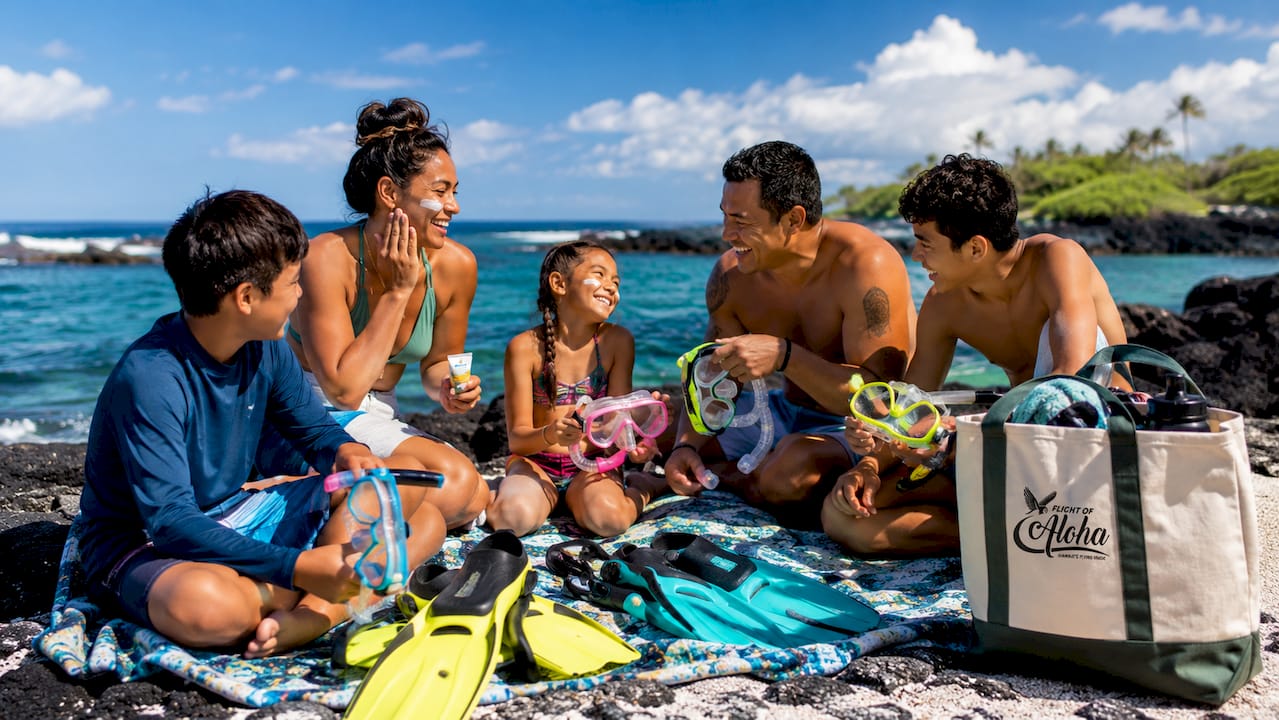
Kahalu’u Beach Park is the best beginner snorkeling spot on the Big Island, and it costs nothing to enter. The calm, protected bay sits right along Ali’i Drive in Kailua-Kona, making it easy to reach without a long drive. Free snorkeling access comes with lifeguards on duty, restrooms, and reef-safe sunscreen available on site. You will share the water with sea turtles, colorful reef fish, and the occasional spinner dolphin.
- Arrive before 9 AM to claim a parking spot and beat the midday heat
- Bring your own snorkel gear to skip rental fees entirely
- Stay in the center of the bay where the reef is most active
- Children under 10 should wear a flotation vest for safety
Pro Tip: Pack reef-safe sunscreen from home. The on-site option is convenient but costs more than buying it at a local grocery store the night before.
2. Explore Old Kona Airport Beach and Magic Sands
Old Kona Airport Beach is a long, quiet stretch of coastline that most tourists skip entirely. The former runway is now a free public park with tide pools, calm entry points, and plenty of shade from ironwood trees. Magic Sands Beach, also called La’aloa Beach, sits a short drive south and earns its name from sand that literally disappears during high surf season. Both beaches are free things to do that families with young kids will love.

Parking at both spots fills up fast on weekends. Arriving before 8:30 AM gives you the best chance of a free spot close to the water. Bring a cooler with snacks and drinks to avoid buying overpriced food from nearby vendors.
3. Visit Flight of Aloha for an indoor cultural experience
Flight of Aloha is the most accessible activity in Kona and the top pick for families who want Hawaiian culture without the heat, vog, or a $400 helicopter price tag. This Native Hawaiian-owned immersive flying theater blends 8K visuals, motion effects, wind, and scent to simulate soaring over Hawaii’s most breathtaking landscapes. Films like Naupaka, Whale Song, and Lahaina deliver aerial views that rival any helicopter tour at a fraction of the cost.
Flight of Aloha sits walking distance from Kailua Pier, making it perfect for cruise passengers on a shore excursion. It is also the best air-conditioned activity in Kona on a rainy day or when vog rolls in from the volcano. A second location at Whalers Village Kaanapali in Maui means you can experience it on either island. Think of it as what you would get if a helicopter tour and a Disney ride had a baby, rooted in aloha.
4. Spend a day at Hawaii Volcanoes National Park
Hawaii Volcanoes National Park is one of the most dramatic places on Earth, and the entrance fee is just $30 per vehicle for seven days. That price covers your entire car, so a family of five pays the same as a solo traveler. For repeat visitors or anyone planning multiple park trips, the $55 annual pass covers three parks for a full year.
The park’s highlights include:
- Thurston Lava Tube: A short, paved walk through a 500-year-old lava tunnel that kids find genuinely thrilling
- Crater Rim Drive: A scenic road with multiple overlooks above Kilauea caldera, all included with admission
- Devastation Trail: A flat, half-mile boardwalk through a field of cinder and ghost trees
- Kilauea Visitor Center: Free ranger talks and exhibits that add real context to what you are seeing
80% of the entrance fee stays within the park for preservation and infrastructure. Your $30 directly funds the trails, restrooms, and ranger programs your family uses. Pack a full lunch and plenty of water to avoid the limited and pricey food options inside the park.
5. Walk through Kaloko-Honokohau National Historical Park
Kaloko-Honokohau National Historical Park charges zero admission and sits just minutes north of Kailua-Kona near the airport. The park protects ancient Hawaiian fishponds, petroglyphs, and coastal trails that tell the story of Native Hawaiian life before Western contact. Sea turtles rest on the beach here with remarkable regularity, and spotting one is almost guaranteed if you visit in the morning.
- The visitor center offers free Junior Ranger booklets for kids ages 5 and up
- Trails are flat, short, and stroller-friendly
- The fishpond area is the best spot for turtle sightings
- No food or drinks are sold inside, so bring your own
This park pairs perfectly with a Kahalu’u Beach snorkel session since both sit along the same stretch of coastline. Combining them into one morning costs nothing and covers both natural beauty and cultural history.
6. Stack your stops to cut transportation costs
Grouping activities geographically along routes like Ali’i Drive or the Hilo side saves real money on gas and parking. Budget travelers who plan two or three stops in the same area spend far less time driving and far more time enjoying. This strategy, sometimes called activity stacking, is how locals and experienced visitors stretch a small daily budget across a full day.
Two proven clusters work especially well:
Kona cluster: Kaloko-Honokohau Park in the morning, Kahalu’u Beach for midday snorkeling, and Flight of Aloha in the afternoon if the heat or vog picks up.
Hilo cluster: Akaka Falls State Park in the morning, Rainbow Falls right after, then the Hilo Farmers Market for lunch and local shopping.
Pro Tip: Hilo-side outdoor adventures for families are often less crowded than Kona spots, which means easier parking and a more relaxed pace for groups with young children.
7. Eat affordably at local markets and cafes
Local food options on the Big Island let you eat well for $11 to $20 per person, which is a fraction of what resort restaurants charge. Cafe 100 in Hilo is famous for its loco moco plates and has been feeding locals for decades at prices that feel almost too good to be true. The Hilo Farmers Market runs on Wednesdays and Saturdays and offers fresh poke, tropical fruit, musubi, and hot plate lunches from local vendors.
- Skip any restaurant inside a resort or hotel lobby
- Look for food trucks near popular beaches for quick, cheap meals
- Buy fruit and snacks at farmers markets to stock your cooler
- Plate lunch spots serve generous portions for under $15
Hilo costs about 40% less than Kona for both lodging and food. Families planning longer stays of five nights or more will save significantly by basing themselves on the Hilo side and day-tripping to Kona attractions.
8. Use the Junior Ranger program and free visitor centers
Every national park and historical site on the Big Island offers free visitor center access with exhibits, maps, and ranger-led talks. The Junior Ranger program at parks like Kaloko-Honokohau and Hawaii Volcanoes National Park gives kids a structured activity that keeps them engaged and teaches real Hawaiian history. Completing the booklet earns an official badge, which costs nothing and creates a memorable keepsake.
Free ranger talks at Hawaii Volcanoes National Park run daily and cover topics like active lava flows, native bird recovery, and traditional Hawaiian land use. These talks add depth to a park visit that no guidebook can replicate. Check the visitor center board when you arrive for the day’s schedule.
9. Support local vendors to sustain free cultural experiences
Many free attractions on the Big Island operate on goodwill and community support. Buying a jar of local honey at a roadside stand, picking up a handmade lei at the farmers market, or tipping a volunteer guide at a cultural site helps keep these experiences available for future visitors. The aloha spirit runs both ways.
Choosing local over chain businesses also puts money directly into the community. A plate lunch from a family-run food truck does more for the island than a meal at a national chain restaurant. This is one of those travel habits that costs you nothing extra but means a great deal to the people who call the Big Island home.
10. Plan your base camp around your budget
Where you stay determines how much you spend every day. Kona suits short trips of one to four nights when you want sunny beach access and walkable dining. Hilo works better for longer stays because lodging and food run significantly cheaper, and the east side puts you closer to the volcano and waterfalls without a long drive.
Families visiting for a week or more should consider splitting their stay. Spend the first half in Kona to hit the beaches, Flight of Aloha, and Kaloko-Honokohau. Move to Hilo for the second half to tackle Hawaii Volcanoes National Park, Akaka Falls, and the farmers market scene. This approach covers the full island without doubling your transportation costs.
Key takeaways
The most effective approach to budget travel on the Big Island is combining free beaches and parks with one or two low-cost paid experiences, then grouping them by location to cut driving time and fuel costs.
| Point | Details |
|---|---|
| Free beaches deliver real value | Kahalu’u Beach Park offers free snorkeling with lifeguards, turtles, and calm water for all ages. |
| Stack stops by geography | Grouping Kona or Hilo activities together cuts gas costs and maximizes your time on the ground. |
| $30 park pass punches above its weight | Hawaii Volcanoes National Park admission covers a full car for seven days of world-class sights. |
| Hilo saves serious money | Hilo lodging and food run about 40% cheaper than Kona, making it the better base for long stays. |
| Indoor options matter | Flight of Aloha gives families a cultural, air-conditioned experience that works on hot, rainy, or vog-heavy days. |
What I’ve learned from doing the Big Island on a real budget
The single biggest mistake I see budget travelers make is treating the Big Island like one compact destination. It is not. The island is larger than all other Hawaiian islands combined, and driving from Kona to Hilo takes over an hour each way. Every unplanned detour costs you gas money and time.
My honest advice: build your itinerary around geography first, then fill in the activities. Pick two or three stops per day that sit within 15 minutes of each other. Arrive early, pack your own food, and leave the afternoons open for whatever looks good in the moment. The kid-friendly Kona activities that families remember most are rarely the expensive ones.
I also think people underestimate how much the weather changes your plans. Vog from Kilauea can roll into Kona without warning and make outdoor time genuinely unpleasant. Having an indoor backup like Flight of Aloha already on your list means you never lose a day to bad air. That kind of flexibility is worth more than any discount code.
— Ola
A cultural experience worth every penny in Kona
Flight of Aloha belongs on every Big Island itinerary, especially for families who want Hawaiian culture delivered in a way that is genuinely unforgettable.

This Native Hawaiian-owned flying theater in Kailua-Kona puts you above Hawaii’s most stunning landscapes using 8K visuals, motion seats, real wind, and authentic scent. It is the closest thing to a helicopter tour without the $400 price tag or the motion sickness. The theater sits walking distance from Kailua Pier, making it the perfect shore excursion for cruise visitors. When the heat or vog hits, it is also the best air-conditioned activity in town. A second location at Whalers Village Kaanapali in Maui means the experience travels with you. Book online to secure your seat at Flight of Aloha.
FAQ
What are the best free things to do on the Big Island?
Kahalu’u Beach Park, Kaloko-Honokohau National Historical Park, and Old Kona Airport Beach all offer free entry with excellent wildlife viewing and family-friendly facilities. Hilo’s Rainbow Falls and the Hilo Farmers Market are also completely free to visit.
How much does Hawaii Volcanoes National Park cost?
The entrance fee is $30 per vehicle and covers seven days of access. A $55 annual pass covers three national parks for a full year, making it the better value for families planning multiple park visits.
Is the Big Island affordable for families on a tight budget?
Yes. A full day of affordable Big Island activities including a free beach, a cultural park, and a farmers market lunch can cost a family of four under $60 total. Basing yourself in Hilo cuts lodging and food costs by roughly 40% compared to Kona.
What is the best indoor activity on the Big Island for rainy days?
Flight of Aloha in Kailua-Kona is the top indoor option for families. It offers an immersive flying theater experience rooted in Hawaiian culture, with 8K visuals, motion effects, and scent, all in a fully air-conditioned venue near the waterfront.
When should I arrive at popular Big Island beaches and parks?
Arrive before 9 AM to secure parking and enjoy cooler temperatures. Popular spots like Kahalu’u Beach Park and Kaloko-Honokohau fill up quickly on weekends and during peak travel months.