
Family adventure checklist: Unforgettable Hawaii experiences
TL;DR:
- Building a family adventure checklist ensures activities are safe, engaging, and culturally authentic.
- Priority activities include museums, parks, tech experiences, and nature spots with educational and cultural depth.
- Families should avoid tourist loops by choosing meaningful experiences that reflect their values and interests.
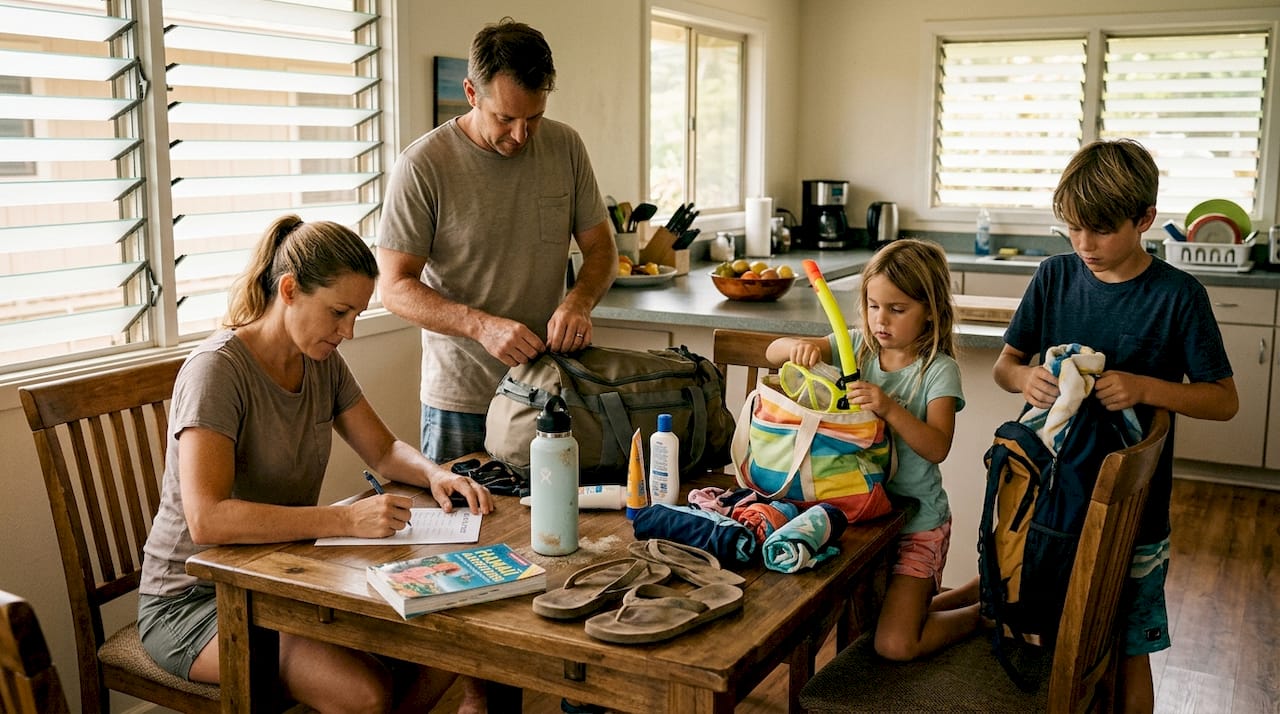
Planning a Hawaii trip with kids sounds like a dream until you’re staring at a hundred options, unsure which ones are actually safe, age-appropriate, and worth the cost. Some activities look amazing online but fall flat for younger children. Others are genuinely transformative but get overlooked because families don’t know where to start. That’s where a solid checklist changes everything. 🌺 This guide walks you through exactly how to evaluate, compare, and choose Hawaii adventures that blend cultural storytelling, hands-on learning, and real family fun. Whether you’re heading to Kailua-Kona or island-hopping across Oahu and the Big Island, this is your planning roadmap.
Table of Contents
- How to build your Hawaii family adventure checklist
- Top family adventure picks for cultural immersion
- Tech-powered, multisensory adventures for families
- Nature explorations with an educational twist
- Side-by-side: Family adventure option comparison table
- A local perspective: Forget the ‘tourist loop’ — why your adventure checklist matters
- Level up: Plan your perfect family adventure with expert help
- Frequently asked questions
Key Takeaways
| Point | Details |
|---|---|
| Prioritize immersive activities | Hands-on, storytelling-rich experiences create lasting family memories. |
| Balance adventure with safety | Check age guidelines, accessibility, and book ahead for top family sites. |
| Embrace culture and nature | Hawaii’s best family adventures blend learning with fun outdoors and in museums. |
| Customize your checklist | Match activities to your kids’ interests and needs for the perfect fit. |
How to build your Hawaii family adventure checklist
Not every activity earns a spot on your itinerary. The best family adventures in Hawai’i check several boxes at once: they’re safe, engaging for different ages, and rooted in something real. Family culture checklist criteria show that age-appropriate interactive activities like village demonstrations, luaus, and immersive storytelling strike the right balance between education and engagement.
Here’s what to evaluate before you book anything:
- Age limits and engagement levels: Does the activity work for a 5-year-old and a 14-year-old at the same time? Look for experiences with layered content.
- Hands-on learning: Passive sightseeing fades fast. Prioritize activities where kids touch, create, or participate.
- Accessibility: Check for stroller-friendly paths, mobility accommodations, and safe water entry points if swimming is involved.
- Cultural authenticity vs. tourist trap: Ask whether the experience reflects real Hawaiian traditions or just sells a postcard version of them.
- Crowd levels and booking windows: Popular spots fill up weeks in advance. Planning Hawaii adventures early prevents last-minute disappointment.
- Weather flexibility: Some outdoor activities get canceled or become unsafe. Indoor or covered options are smart backup picks.
- Budget alignment: Factor in parking, gear rental, and food so there are no surprises on the day.
Pro Tip: Ask your kids what excites them most before you build the list. If they’re into mythology, lean into legend-based storytelling experiences. If they love animals or nature, prioritize marine education stops. When kids feel heard in the planning process, they stay more engaged on the trip.
A checklist isn’t about limiting your options. It’s about making sure every activity you choose earns its place in your family’s story.
Top family adventure picks for cultural immersion
With criteria in hand, you can zero in on activities that combine fun with cultural depth. Here are our top immersive picks all ages can enjoy. 🌌
Museums and palaces with real storytelling power
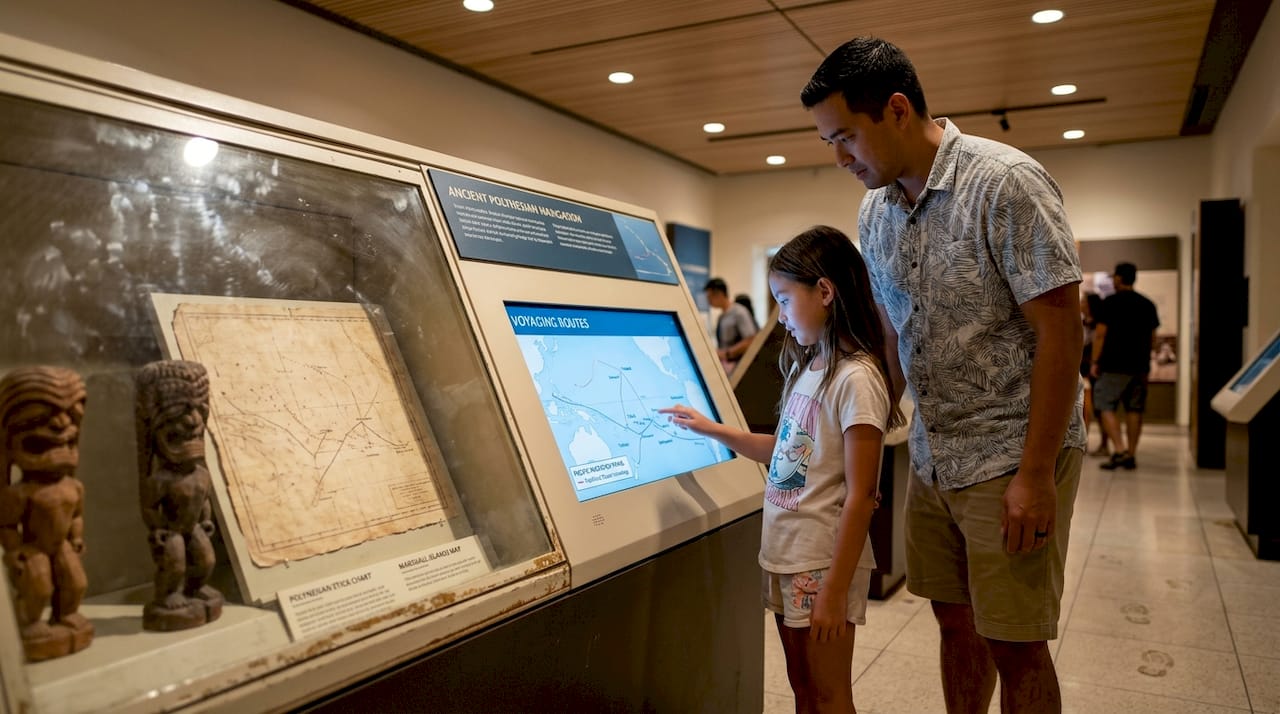
Bishop Museum and Iolani Palace on Oahu offer interactive Hawaiian history exhibits covering voyaging, creation stories, and royal life, all scaled for children. Kids can explore artifacts, listen to narrated legends, and connect with Hawai’i’s royal past in a way that sticks.
Living history at national parks
Puʻuhonua o Hōnaunau National Historical Park on the Big Island is one of the most powerful places to bring kids. It features kiʻi carvings and thatched huts in a place of refuge setting. Volcanoes National Park goes even further with cultural demos including carving and poi pounding through ranger programs and ʻIke Hana Noʻeau videos.
Here are our top picks for cultural immersion:
- Bishop Museum, Oahu: Hands-on exhibits on Hawaiian voyaging and creation legends
- Iolani Palace, Oahu: Royal history with child-friendly guided storytelling
- Puʻuhonua o Hōnaunau, Big Island: Sacred refuge site with authentic kiʻi and hale structures
- Volcanoes National Park, Big Island: Ranger programs and cultural craft demonstrations
- Authentic luaus: Look for shows with narrative depth, not just fire dancing
Expert tip: When choosing a luau, look past the entertainment and ask whether the show explains the why behind each tradition. The best luaus for families connect food, dance, and chant to real Hawaiian stories, giving kids a reason to remember what they saw.
Pro Tip: Seek out storytelling attractions in Hawaii that explain both legends and everyday Hawaiian life. Kids connect more deeply when they understand how ancient practices shaped the way people lived, not just how they performed.
These unique cultural fun experiences are the ones your family will talk about long after you’re home.
Tech-powered, multisensory adventures for families
Not all cultural journeys require dusty museums. Hawaii’s high-tech adventures offer a fresh way to engage kids and spark excitement about local legends.
Imagine if a helicopter tour and a Disney ride had a baby, rooted in aloha. That’s exactly what Flight of Aloha delivers in Kailua-Kona. Immersive attractions like Flight of Aloha use 8K visuals, scents, and motion to bring Hawaiian legends like Naupaka and the history of Lahaina to life in a multisensory experience that works for every age.
Here’s what sets tech-powered adventures apart:
- 8K resolution visuals: Crystal-clear imagery that makes you feel like you’re soaring over waterfalls and lava fields
- Motion effects and wind: Physical sensations that make the experience feel real, not just watched
- Scent technology: The smell of plumeria and ocean air adds an emotional layer that deepens memory
- Cultural narrative: Every film is rooted in authentic Hawaiian legend, not generic island scenery
- All-weather accessibility: Rain or shine, the experience never gets canceled
Before booking any immersive tech attraction, ask these questions:
- What is the minimum age requirement?
- Are there motion sensitivity warnings?
- Is the content appropriate for children who may be sensitive to intense visuals or sound?
- How long is the experience, and is there a waiting area for families?
For a deeper look at how these experiences shape family travel, check out this Hawaiian immersion impact guide or explore more about immersive storytelling trips across the islands.
Nature explorations with an educational twist
While Hawaii’s cultural attractions are a highlight, you can also turn every nature outing into a chance to learn and deepen the impact of your family trip.
Hanauma Bay snorkeling combines marine education with safe water activities for ages 4 and up, while the Sulphur Banks trail at Volcanoes National Park is stroller-friendly and packed with geological wonder. These spots aren’t just beautiful. They teach.
| Nature spot | Recommended age | Stroller-friendly | Cultural tie-in |
|---|---|---|---|
| Hanauma Bay | 4+ | No | Marine conservation, reef stewardship |
| Sulphur Banks Trail | All ages | Yes | Volcanic creation stories |
| Kilauea Visitor Center | All ages | Yes | Pele legend, island formation |
| Waimea Valley, Oahu | 2+ | Yes | Native plants, ancient heiau site |
| Kealakekua Bay | 6+ | No | Historical Hawaiian culture |
For family adventure tips that help you prepare, pack smart and follow these safety and etiquette basics:
- Never touch coral or marine life at snorkeling sites
- Stay on marked trails in national parks to protect native plants
- Apply reef-safe sunscreen before entering the water
- Bring snacks and water for kids on any hike over 30 minutes
- Teach kids the concept of mālama ʻāina (caring for the land) before you go
These habits enhance family outings and model respect for the places you visit.
Side-by-side: Family adventure option comparison table
Seeing everything side by side makes it far easier to spot which activities suit your family’s energy and interest, especially if your group is mixed ages.
| Adventure type | Age range | Interactivity | Cultural depth | Booking required | Weather dependent |
|---|---|---|---|---|---|
| Cultural sites (museums, palaces) | 5+ | Medium | High | Recommended | No |
| Living history parks (NPS) | All ages | High | Very high | No | Partially |
| Tech immersive (Flight of Aloha) | 4+ | Very high | High | Yes | No |
| Authentic luaus | All ages | Medium | High | Yes | Partially |
| Nature/snorkeling | 4+ | High | Medium | Sometimes | Yes |
Looking at this table, a few patterns stand out. Tech-powered attractions score highest on interactivity and are the most weather-proof option. Living history parks offer the deepest cultural connection but require more planning for accessibility. Nature spots are incredible but depend on conditions.
For families with toddlers, stroller-friendly parks and indoor immersive experiences are the safest bets. For older kids and teens, living history parks and snorkeling add real adventure. The smartest itineraries mix all three types across the week.
Explore storytelling highlights for families to find the experiences that match your family’s unique mix of ages and interests.
A local perspective: Forget the ‘tourist loop’ — why your adventure checklist matters
Here’s something most travel blogs won’t tell you. The biggest mistake families make in Hawai’i isn’t skipping a popular beach. It’s following a pre-packaged tourist loop that checks boxes without creating real memories.
We’ve seen it happen. Families rush from a luau to a helicopter tour to a snorkel stop, and by day three, the kids are bored and the parents are exhausted. Nobody asked what the kids actually wanted. Nobody slowed down long enough to let a place sink in.
A checklist isn’t a rigid schedule. It’s a values filter. It asks: does this experience reflect what we care about as a family? Does it respect Hawaiian culture? Will our kids remember it in ten years?
Cultural storytelling in Kailua-Kona and across the islands is most powerful when families choose depth over quantity. Skip the third luau. Spend an extra hour at Puʻuhonua o Hōnaunau. Let your child ask a ranger a question. Those are the moments that travel home with you.
The checklist matters because your family’s time in Hawai’i is precious. Use it with intention.
Level up: Plan your perfect family adventure with expert help
Ready to put your checklist into action and make sure your next Hawaii trip is both immersive and unforgettable? 🌺
Flight of Aloha is here to help your family go beyond the tourist loop. From our breathtaking flying theater experience in Kailua-Kona to curated resources for cultural trip planning, we’ve built everything with families like yours in mind.

Start with our 2026 cultural tourism checklist to map out the best immersive experiences across the islands. Whether you’re booking tickets, exploring our VIP packages, or just looking for inspiration, our team is ready to help you create a Hawaii adventure your family will never forget. Come soar with us.
Frequently asked questions
What age is best for interactive cultural adventures in Hawaii?
Most interactive cultural adventures are designed for ages 4 and up, with hands-on activities scaled for both young children and teens. Booking ahead and checking age requirements ensures every family member gets the most out of each experience.
Are high-tech immersive attractions suitable for toddlers or sensory-sensitive kids?
Some attractions feature intense visuals and motion, so always review age recommendations and sensory details on the attraction’s website before booking. Most venues are happy to answer questions directly if you reach out ahead of your visit.
Do national parks in Hawaii offer educational programs for children?
Yes, parks like Volcanoes National Park provide ranger-led cultural programs including carving and poi pounding demonstrations tailored specifically for young visitors.
How can families avoid overly touristy experiences?
Choose attractions with authentic storytelling, prioritize local recommendations, and look for narrative-focused luaus that explain traditions rather than just perform them. Reading reviews that mention cultural depth is a great filter.
What are some safety considerations for adventure activities with young children?
Always confirm age and swim requirements before booking, check whether hiking trails are stroller-friendly, and pack reef-safe sunscreen, snacks, and plenty of water for any outdoor outing.
Recommended
- How To Enhance Family Outings For Memorable Hawaiian Adventures | Flight Of Aloha
- Unique Family Experiences In Hawaii For Cultural Fun | Flight Of Aloha
- How To Maximize Hawaii Itinerary For Unforgettable Adventures | Flight Of Aloha
- Family-friendly Cultural Tourism Checklist Hawaii 2026 | Flight Of Aloha
- Reisen mit Kindern – Familienabenteuer bei Helmchen & Reichert Reiseexperten.de