
Unique family experiences in Hawaii for cultural fun
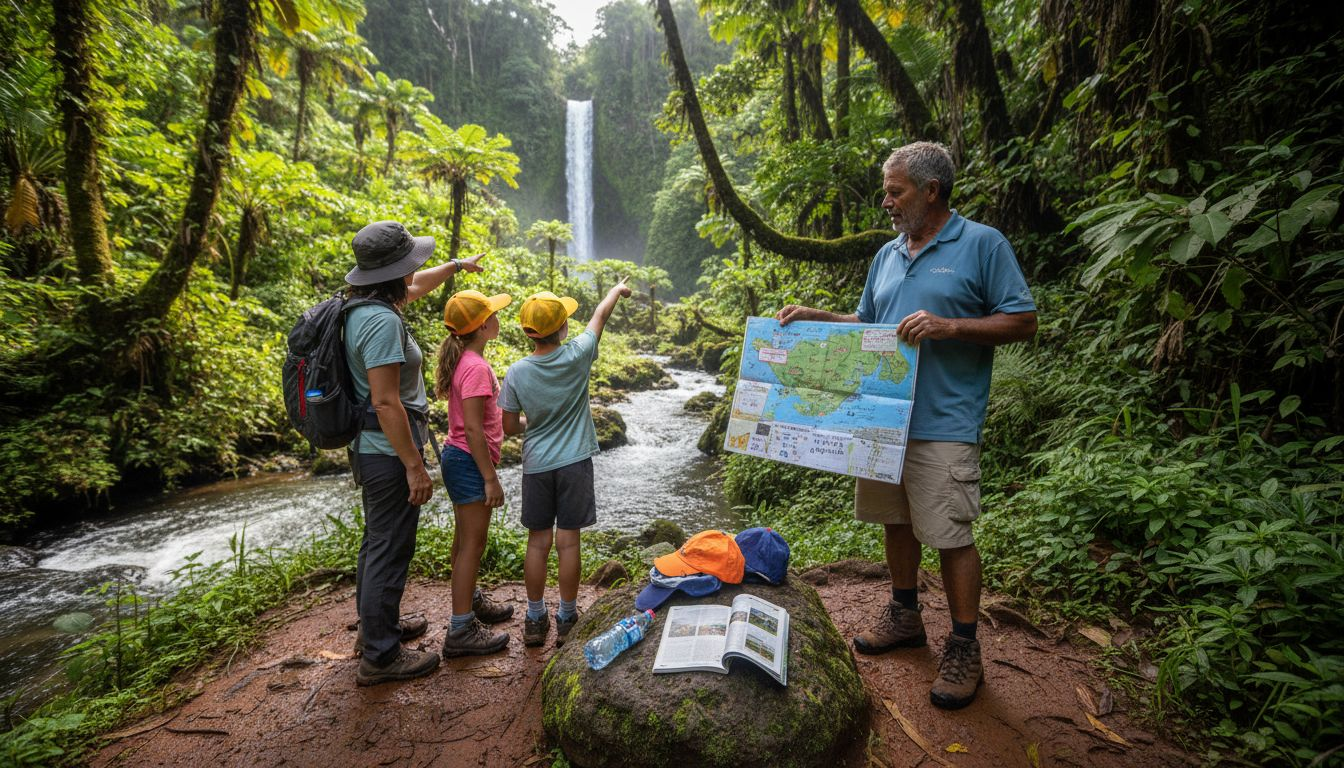
Finding the right cultural activities for your family in Hawaii can feel overwhelming. You want more than typical tourist stops—you’re after genuine, hands-on experiences that captivate children and adults alike while honoring Hawaiian traditions. The islands offer countless options, but which ones truly deliver immersive learning and lasting memories? This guide presents carefully selected family experiences that combine authentic cultural engagement with age-appropriate activities, helping you choose adventures that respect local customs while creating meaningful connections to Hawaii’s rich heritage.
Table of Contents
- How To Choose Unique Family Experiences In Hawaii: Key Criteria
- Top Unique Family Experiences In Hawaii For Immersive Culture
- Comparing Immersive Family Cultural Experiences In Hawaii
- Making The Most Of Your Family’s Unique Cultural Experience In Hawaii
- Experience Unique Family Adventures With Flight Of Aloha
- Frequently Asked Questions
Key takeaways
| Point | Details |
|---|---|
| Hands-on learning engages all ages | Activities like poi-making and taro farming keep children and adults actively involved in cultural traditions |
| Ethical access protects sacred spaces | Choosing authorized guided tours ensures respectful visits to private lands and culturally significant sites |
| Local guides preserve authentic stories | Family-run tours support Hawaiian communities while delivering genuine cultural narratives and traditional practices |
| Clear criteria simplify selection | Evaluating age suitability, educational depth, and cultural respect helps families find the perfect immersive experience |
| Preparation enhances engagement | Discussing Hawaiian etiquette and cultural context before your visit deepens understanding and appreciation during activities |
How to choose unique family experiences in Hawaii: key criteria
Selecting the right cultural experience requires a thoughtful framework that balances engagement, education, and respect. Start by evaluating age-appropriate participation levels—the best activities offer tasks that challenge older children while keeping younger ones entertained through sensory experiences and simple hands-on elements. Look for programs where grandparents, parents, and kids can all contribute meaningfully, whether that’s grinding taro, weaving palm fronds, or listening to oral histories together.
Educational enrichment should feel natural, not forced. Quality experiences weave learning into activities so seamlessly that children absorb cultural knowledge without realizing they’re being taught. Watch for tours emphasizing local storytelling, where guides share personal connections to the land and traditions rather than reciting rehearsed scripts. These authentic narratives create emotional resonance that facts alone cannot achieve.
Cultural protocols matter deeply. Research whether the experience requires advance permission to access private lands or sacred sites. Ethical operators clearly communicate expectations around photography restrictions, appropriate dress, and behavioral guidelines. Supporting experiences run by local families ensures your tourism dollars directly benefit Hawaiian communities while preserving traditional knowledge for future generations. Pro Tip: Read recent reviews focusing on how guides handled cultural education and whether families felt the experience respected Hawaiian values rather than commodifying them.
Practical considerations include booking timelines and physical requirements. Popular family experiences like enhancing family outings in Hawaii often fill weeks ahead, especially during school holidays. Check whether the activity involves hiking, water exposure, or other elements that might challenge very young children or family members with mobility concerns. The right choice balances your family’s capabilities with genuine cultural immersion in Hawaii that goes beyond surface-level entertainment.
Consider the duration and pacing. Experiences lasting two to four hours typically maintain children’s attention while providing sufficient depth. Longer programs should include breaks and varied activities to prevent fatigue. The best tours build gradually from observation to participation, allowing families to warm up before diving into hands-on cultural practices.
Top unique family experiences in Hawaii for immersive culture
The Halawa Valley Cultural Hike offers a unique opportunity to learn about Hawaiian culture and support a local family on Molokai’s remote eastern coast. This guided journey takes families through ancient taro terraces where you’ll learn traditional farming methods passed down through generations. Children love getting their hands dirty grinding taro into poi, while parents appreciate hearing stories about Hawaiian agricultural practices and land stewardship directly from descendants of the valley’s original inhabitants.
The experience includes a moderate hike to waterfalls, combining physical activity with cultural education. Your guide shares legends associated with specific rock formations and plants, transforming a nature walk into an immersive storytelling session. Families participate in preparing traditional foods using methods unchanged for centuries, creating tangible connections to Hawaiian heritage. The intimate group sizes ensure everyone receives personalized attention and can ask questions freely.
Beyond Halawa Valley, several other cultural attractions for families deliver authentic engagement. The Polynesian Cultural Center on Oahu offers village experiences where families learn traditional games, crafts, and dances from Pacific Island cultures. Children particularly enjoy the hands-on canoe rides and fire knife demonstrations, while educational components satisfy parents seeking meaningful learning opportunities.
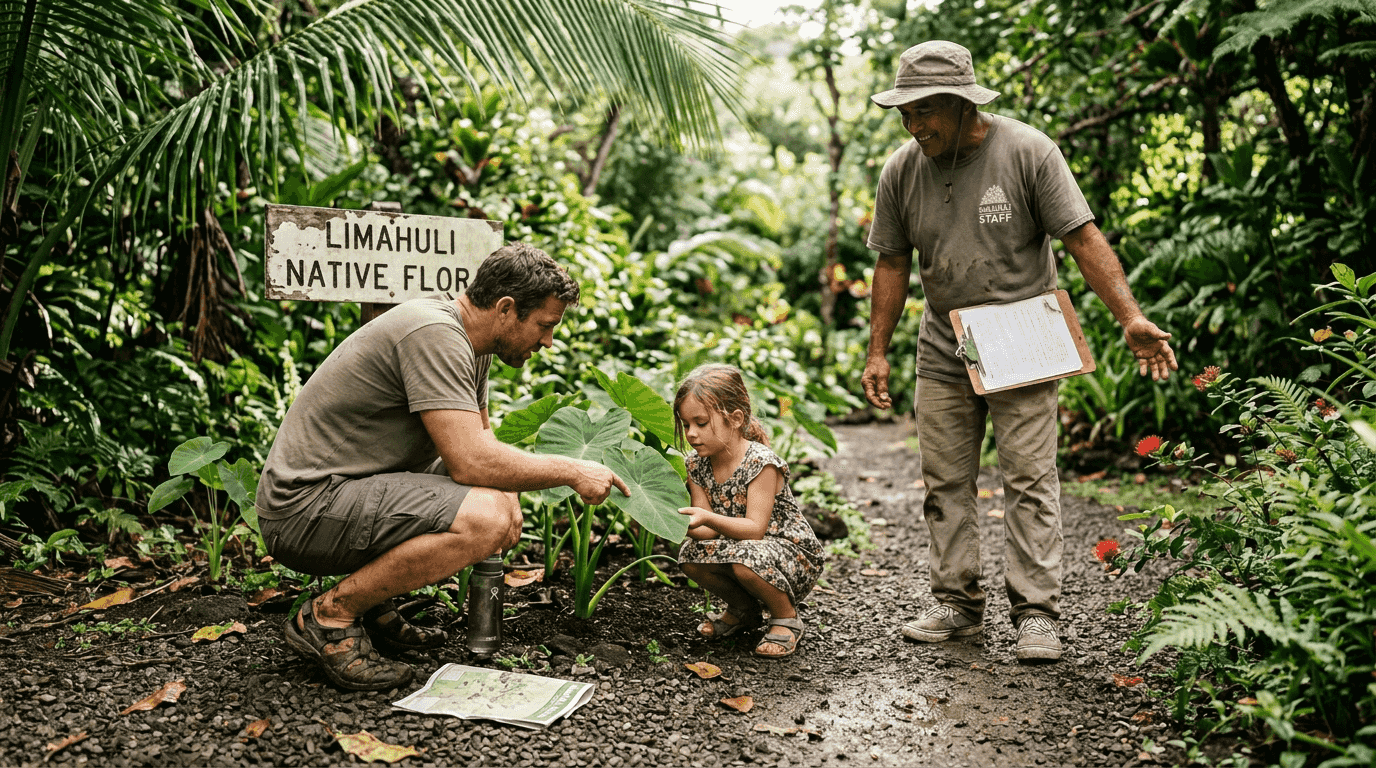
Kauai’s Limahuli Garden provides botanical tours focusing on native Hawaiian plants and their cultural uses. Families discover how ancient Hawaiians utilized specific plants for medicine, food, and ceremony. The self-guided format lets you move at your child’s pace, lingering where interest peaks. Interactive elements like plant identification challenges keep kids engaged while adults absorb deeper ecological and cultural connections.
Maui’s Old Lahaina Luau stands out for its educational approach to cultural entertainment in Hawaii. Unlike resort luaus, this experience emphasizes historical accuracy and cultural context. Families arrive early to watch traditional crafts demonstrations, try poi, and learn basic Hawaiian phrases before the evening show. The performance itself educates audiences about Hawaii’s history through hula and chant, making entertainment inseparable from learning.
Pro Tip: Book cultural experiences for early in your trip so children can apply their newfound knowledge throughout the rest of your vacation, spotting plants they learned about or recognizing cultural references in other settings. This approach transforms your entire Hawaii visit into an extended learning adventure rather than isolated educational moments.
When selecting experiences, prioritize those emphasizing reciprocal relationships between visitors and Hawaiian communities. The best programs don’t just take from Hawaiian culture for tourist entertainment—they actively support cultural preservation and provide economic benefits to local families maintaining traditional practices.
Comparing immersive family cultural experiences in Hawaii
Understanding how different experiences stack up helps you choose the best fit for your family’s interests and capabilities. Each option offers distinct advantages depending on your children’s ages, physical abilities, and learning preferences. The comparison below highlights key differences to inform your decision.
| Experience | Age Suitability | Cultural Depth | Hands-On Activities | Duration | Location |
|---|---|---|---|---|---|
| Halawa Valley Cultural Hike | 6+ years | Very High | Poi-making, taro farming, traditional foods | 4 hours | Molokai |
| Polynesian Cultural Center | All ages | High | Village crafts, games, canoe rides | 4-8 hours | Oahu |
| Limahuli Garden | All ages | Medium-High | Plant identification, self-guided exploration | 1-2 hours | Kauai |
| Old Lahaina Luau | All ages | High | Pre-show crafts, poi tasting | 3 hours | Maui |
| Pu’uhonua o Honaunau | 8+ years | Very High | Self-guided cultural site, ranger talks | 2-3 hours | Big Island |
The Halawa Valley experience excels in authenticity and family involvement but requires moderate physical fitness for the hike. Its remote location means fewer crowds and more intimate cultural exchange. Families seeking the deepest traditional immersion find this unmatched, though the trek may challenge families with very young children or mobility limitations.
Polynesian Cultural Center provides the broadest cultural exposure across multiple Pacific Island traditions. Its theme park style appeals to children who need varied stimulation, but some families find it less intimate than smaller guided experiences. The advantage lies in its infrastructure—accessible pathways, dining options, and facilities designed for all ages and abilities.
Limahuli Garden offers flexibility and natural beauty without physical demands. Families appreciate controlling their pace and focus, though the self-guided format provides less direct cultural instruction than guided tours. It pairs well with other Kauai activities, fitting easily into busy itineraries.
Old Lahaina Luau balances entertainment with education more successfully than most luaus. The evening timing works well for families who’ve spent the day at beaches or other attractions. Respect for local customs and private lands is crucial for a positive cultural experience, and this venue demonstrates how commercial operations can honor Hawaiian traditions while serving large audiences.
Pu’uhonua o Honaunau National Historical Park delivers profound cultural significance as an actual place of refuge in ancient Hawaiian society. The self-guided format with optional ranger programs suits families with older children ready for deeper historical understanding. Its coastal setting combines cultural learning with stunning natural beauty.
Key considerations when comparing options include transportation logistics, as some locations require rental cars and significant drive times. Weather impacts outdoor experiences differently—valleys may be muddy during rainy seasons, while coastal sites face strong winds. Booking requirements vary, with popular guided tours needing reservations weeks ahead while self-guided sites accept walk-ins. Budget also plays a role, as guided experiences typically cost more but include expertise that enhances understanding. For comprehensive planning, explore this cultural storytelling visitor guide to understand how different experiences approach Hawaiian narratives.
Making the most of your family’s unique cultural experience in Hawaii
Preparation transforms good experiences into extraordinary ones. Spend time before your trip introducing Hawaiian culture through age-appropriate books, videos, or podcasts. Teach basic Hawaiian words like aloha, mahalo, and ohana so children feel confident using them. Discuss cultural concepts like respecting elders and the land, framing these as exciting differences to discover rather than rules to follow. This groundwork helps children engage more deeply when they encounter traditions firsthand.
During the experience, encourage active participation even if your child feels shy initially. Guides appreciate families who fully engage rather than observing passively. Family involvement in cultural activities, such as poi-making, creates lasting memories and encourages intergenerational learning, so gently nudge reluctant participants while respecting genuine discomfort. Model curiosity by asking questions and sharing your own reactions to new experiences.
Listening matters as much as doing. When guides share stories, give them your full attention rather than checking phones or planning your next activity. Children notice when adults prioritize cultural moments, and they’ll mirror that respect. Create space for reflection by asking open-ended questions afterward—what surprised them, what they want to learn more about, or how Hawaiian practices compare to your family’s traditions.
Capture memories thoughtfully. Always ask permission before photographing people, especially during cultural demonstrations or on private land. Some moments are meant to be experienced rather than documented. Consider having children keep a simple journal with drawings or brief notes about what they learned. These personal records often mean more than dozens of photos and help cement learning.
Pro Tip: Schedule cultural experiences with buffer time on both ends so you’re not rushing from one activity to another. Arriving early lets children acclimate to new environments, while leaving time afterward allows for spontaneous conversations or exploration when something sparks particular interest.
Balance structured activities with unstructured time. After an intensive cultural experience, children often need to process what they’ve learned through play or quiet time. Don’t pack every moment—downtime allows families to discuss experiences and let new knowledge settle. Some of the most meaningful learning happens during casual beach time when a child suddenly connects something they learned earlier to their current surroundings.
“Cultural experiences become transformative when families approach them with genuine curiosity and respect. The goal isn’t checking boxes on a tourist itinerary but building bridges between your family’s story and Hawaii’s living traditions. These connections, nurtured through active participation and thoughtful reflection, create understanding that lasts far beyond your vacation.”
Integrate what you’ve learned throughout your trip. Point out plants you learned about in gardens, use Hawaiian words in context, or reference stories guides shared when you encounter relevant situations. This reinforcement helps children retain cultural knowledge and demonstrates that learning isn’t confined to formal educational settings. For more ways to weave cultural elements throughout your Hawaii visit, explore these 7 Hawaiian storytelling highlights every family should experience.
Experience unique family adventures with Flight of Aloha
After exploring Hawaii’s cultural treasures on the ground, take your family’s adventure skyward with Flight of Aloha in Kailua Kona. This immersive flying theater combines cutting-edge technology with Hawaiian storytelling, offering a unique perspective on the islands’ natural beauty and cultural legends. The experience complements land-based cultural activities by showcasing landscapes and stories from breathtaking aerial viewpoints that even helicopter tours can’t match.

Flight of Aloha’s rides immerse families in Hawaiian narratives through 8K visuals, motion effects, and sensory elements that engage all ages. Children who learned about Hawaiian legends during cultural tours will recognize stories brought to life through this innovative medium. The attraction provides a perfect capstone to your cultural exploration, connecting the traditions you’ve experienced firsthand with the broader Hawaiian landscape and heritage. Book your Flight of Aloha flying rides adventure to create one more unforgettable family memory rooted in aloha.
Frequently asked questions
What makes a cultural experience unique and family-friendly?
Unique family-friendly cultural experiences combine authentic Hawaiian traditions with age-appropriate participation. They offer hands-on activities where children actively engage rather than just observe, such as making poi or learning traditional crafts. The best experiences balance fun with education, presenting cultural knowledge through storytelling and practical demonstration rather than lectures. Family-friendly programs accommodate different ages with tasks suited to various skill levels while maintaining cultural authenticity and respect for Hawaiian traditions.
How should I prepare my children for immersive cultural activities?
Introduce basic Hawaiian concepts and vocabulary before your trip so children feel confident participating. Explain cultural protocols like removing shoes, asking permission before touching items, and listening respectfully when elders speak. Frame the experience as an adventure where they’ll learn new skills and hear amazing stories. Set expectations that some activities might feel unfamiliar or challenging, but that’s part of discovering new cultures. Remind them that mistakes are okay as long as they’re trying their best and showing respect.
Why does respecting local customs matter during family cultural tours?
Respecting local customs honors the Hawaiian families and communities sharing their heritage with you. Many cultural sites hold deep spiritual significance, and proper behavior protects these sacred spaces for future generations. Teaching children to follow cultural protocols instills values of respect and cultural sensitivity they’ll carry throughout life. When families demonstrate genuine respect, guides often share deeper knowledge and personal stories, enriching your experience. Disrespectful behavior damages relationships between Hawaiian communities and tourism, threatening the availability of authentic cultural experiences.
What age-appropriate activities work best for Hawaiian cultural tours?
Younger children (3 to 6 years) enjoy sensory activities like feeling different plant textures, tasting poi, or simple rhythm instruments during cultural demonstrations. Elementary-age children (7 to 11 years) thrive with hands-on tasks like weaving, grinding taro, or learning basic hula moves. Tweens and teens (12+) appreciate deeper historical context, complex crafts, and opportunities to ask questions about how ancient practices connect to modern Hawaiian life. The best tours layer activities so each age group finds appropriate engagement within the same experience.
How can families balance fun and education on cultural vacations?
Choose experiences where learning happens through doing rather than listening to long explanations. Activities like traditional games, food preparation, or craft-making naturally teach cultural concepts while keeping everyone entertained. Limit formal educational experiences to one or two per day, leaving time for beaches and relaxation. Let children’s interests guide deeper exploration—if they love a particular story or activity, seek related experiences rather than forcing a predetermined itinerary. Remember that cultural learning continues informally throughout your trip when you reference what you’ve learned in everyday situations.
What should families look for when booking guided cultural experiences?
Seek tours operated by Hawaiian families or individuals with direct cultural connections rather than large commercial operators. Read reviews focusing on guide knowledge, group sizes, and how respectfully the experience treats Hawaiian culture. Verify that tours have proper permissions for private land access and follow cultural protocols. Look for experiences emphasizing participation over passive observation, with clear communication about physical requirements and age recommendations. Booking directly through small operators often provides better experiences while ensuring your money supports local families maintaining cultural traditions.