
Explore Hawaiian storytelling traditions for immersive trips
{
“@type”: “Article”,
“image”: {
“url”: “https://csuxjmfbwmkxiegfpljm.supabase.co/storage/v1/object/public/blog-images/organization-5115/1772757651521_image.png”,
“@type”: “ImageObject”,
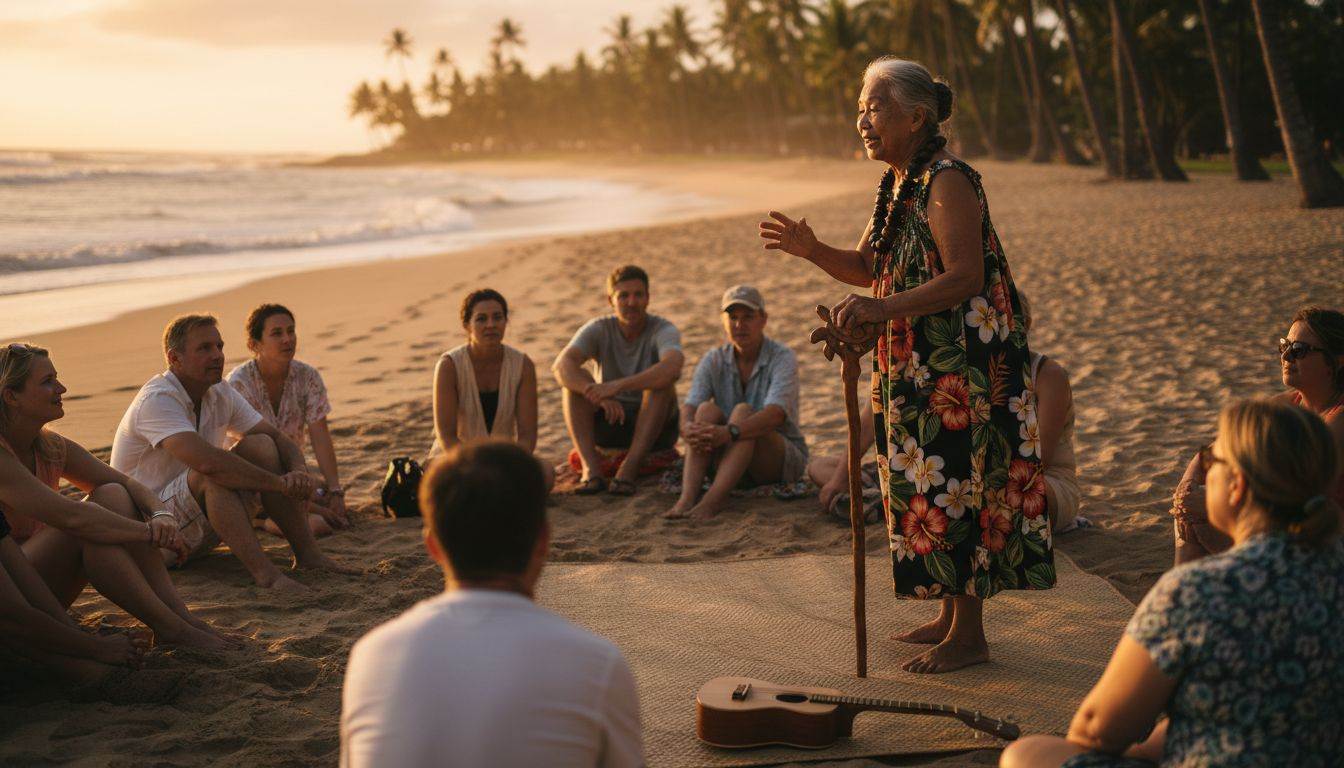
“caption”: “Storyteller sharing legends on Hawaiian beach”
},
“author”: {
“url”: “https://flightofaloha.com”,
“name”: “Flightofaloha”,
“@type”: “Organization”
},
“@context”: “https://schema.org”,
“headline”: “Explore Hawaiian storytelling traditions for immersive trips”,
“publisher”: {
“url”: “https://flightofaloha.com”,
“name”: “Flightofaloha”,
“@type”: “Organization”
},
“inLanguage”: “en-US”,
“articleBody”: “Discover authentic Hawaiian storytelling experiences from traditional luaus to immersive flying theaters. Compare venues, costs, and formats to plan your cultural trip.”,
“description”: “Discover authentic Hawaiian storytelling experiences from traditional luaus to immersive flying theaters. Compare venues, costs, and formats to plan your cultural trip.”,
“datePublished”: “2026-03-06T00:43:23.454Z”
}
Hawaii’s storytelling traditions offer tourists an authentic glimpse into island culture, but choosing the right experience can feel overwhelming. From ancient chants and hula performances to modern immersive attractions, visitors face dozens of options. This guide breaks down Hawaiian storytelling formats, compares popular venues, and helps you select experiences that match your family’s interests, budget, and cultural curiosity. Whether you seek festive luaus or technology-driven sensory journeys, you’ll discover how to engage respectfully with moʻolelo while creating memorable vacation moments.
Table of Contents
- Introduction And Selection Criteria For Choosing Storytelling Experiences
- Key Hawaiian Storytelling Traditions And Formats
- Experiencing Storytelling: Luaus, Cultural Centers, And Museums
- Immersive And Interactive Storytelling Experiences
- Summary Comparison And Pricing Of Hawaiian Storytelling Experiences
- Situational Recommendations For Tourists Seeking Hawaiian Storytelling Experiences
- Discover Immersive Hawaiian Storytelling With Flight Of Aloha
Key takeaways
| Point | Details |
|---|---|
| Core tradition | Moʻolelo is the foundational Hawaiian storytelling tradition encompassing myths, genealogies, and historical narratives passed orally. |
| Experience formats | Tourists can access storytelling through luaus, cultural centers, museums, and immersive flying theaters combining technology with legend. |
| Selection criteria | Prioritize cultural authenticity, immersion depth, family accessibility, engagement style, and cost when choosing your storytelling experience. |
| Venue comparison | Luaus provide festive social storytelling, cultural centers offer educational depth, museums focus on artifacts and history, while immersive rides use sensory technology. |
| Personalized planning | Tailor your choice based on family composition, learning goals, budget constraints, and desired interaction level with Hawaiian narratives. |
Introduction and selection criteria for choosing storytelling experiences
Moʻolelo is the foundational Hawaiian storytelling tradition encompassing myths, genealogies, and historical narratives passed orally through generations. These stories preserve cultural values, genealogical connections, and spiritual beliefs that define Hawaiian identity. For tourists seeking authentic encounters with this living tradition, understanding selection criteria ensures respectful and meaningful experiences.
When evaluating top Hawaiian storytelling experiences, consider these essential factors. Cultural authenticity means trained storytellers like kumu hula and elders lead performances, honoring sacred narratives while respecting kapu stories not meant for casual sharing. Immersion level determines whether you passively watch performances or actively participate through workshops and interactive elements. Accessibility matters for families traveling with young children or visitors with mobility considerations. Engagement style ranges from seated observation at formal presentations to hands-on hula lessons where you embody the narrative.
Cost considerations vary dramatically across experience types. Traditional luaus typically range from $100 to $200 per adult, while museum admissions start around $25. Immersive attractions using advanced technology fall in the mid-range at $40 to $80 per person. Cultural centers offering full-day access with multiple performances command premium pricing between $75 and $150.
Experience formats include live performances featuring oli and mele at sunset shows, interactive workshops teaching basic hula movements and chant pronunciation, technology-driven immersive events using motion and sensory effects, and educational exhibits displaying artifacts with narrative context. Each format serves different learning styles and vacation goals.
Pro Tip: Research experiences endorsed by local cultural practitioners and Hawaiian organizations to ensure respect for cultural storytelling protocols. Authentic programs acknowledge source communities and compensate cultural knowledge keepers fairly.
Key Hawaiian storytelling traditions and formats
Hawaiian oral traditions encompass several interconnected forms that work together to preserve cultural memory. Moʻolelo includes creation myths, hero journeys, and genealogical records connecting families to land and divine ancestors. Oli are rhythmic chants delivered without instrumental accompaniment, often serving ceremonial purposes or marking significant life events. Mele are songs incorporating melody and sometimes Western musical influences, adapted to tell stories in more accessible formats for modern audiences.
Hula is both a dance and a storytelling medium that uses gestures and chants to convey Hawaiian legends, history, and spirituality. Every hand movement, hip rotation, and facial expression carries specific meaning tied to narrative elements. When you watch skilled dancers perform the legend of Pele’s volcanic fury or Māui’s island-fishing exploits, you’re witnessing a living language of motion that predates written Hawaiian.
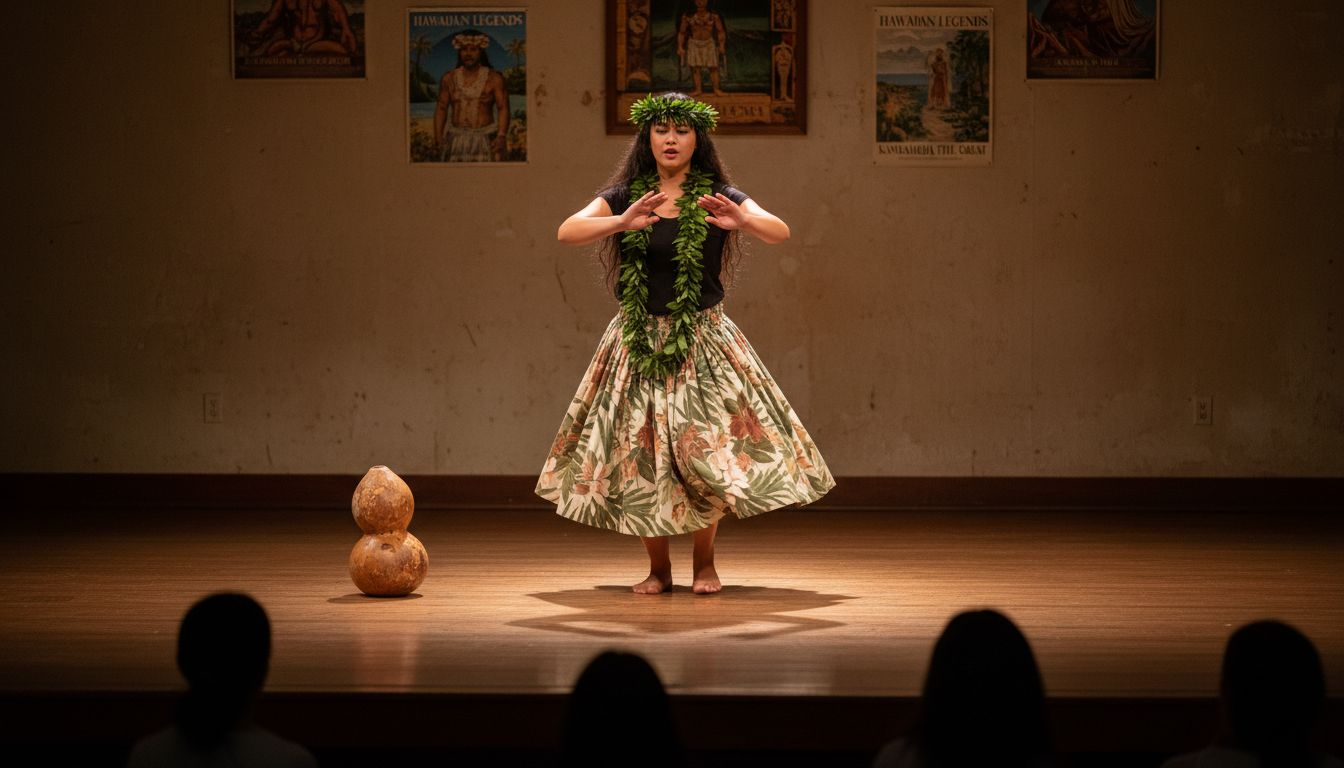
Distinguishing between hula kahiko and hula ʻauana helps you understand what you’re experiencing. Hula kahiko represents the ancient style, performed to traditional oli chants and accompanied by percussion instruments like the ipu gourd drum. Dancers wear natural fiber skirts and lei, embodying pre-contact Hawaiian aesthetics. Hula ʻauana emerged after Western contact, incorporating guitar, ukulele, and modern choreography while maintaining narrative focus. Both styles remain vital for Hawaiian immersion storytelling.
Common legendary themes appear across storytelling formats:
- Pele, the volcanic goddess whose jealousy and creative power shaped Hawaii’s islands
- Māui, the demigod trickster who slowed the sun and pulled islands from the ocean
- Naupaka, the separated lovers transformed into coastal and mountain flowers
- Hiʻiaka, Pele’s sister who journeyed across islands rescuing her beloved
- Kamapuaʻa, the pig god whose conflicts with Pele explain geographic features
These narratives connect landscape to mythology, helping visitors understand why specific locations hold cultural significance. When you hear these stories at their geographic origins, the experience deepens exponentially.
Storytelling elements blend to create multisensory experiences. Chants establish rhythm and invoke spiritual presence. Songs make narratives memorable through melody. Gestures translate abstract concepts into visual language. Oral narrative provides context and connects story segments. Dance forms synthesize all elements into cohesive performances that educate and entertain simultaneously.
Experiencing storytelling: luaus, cultural centers, and museums
Luaus offer the most festive approach to Hawaiian storytelling, combining traditional food preparation, live performances, and social atmosphere. These evening events typically begin with an imu ceremony where hosts unearth kalua pig cooked in an underground oven. After a buffet featuring poi, lomi salmon, and haupia, you watch a Polynesian revue showcasing Hawaiian legends through hula, fire dancing, and narrative introductions. The communal dining and celebratory mood make luaus ideal for visitors wanting entertainment alongside cultural education.
The Polynesian Cultural Center offers living museums and cultural villages representing multiple Polynesian storytelling traditions, including Hawaiian moʻolelo through mele, oli, and hula. Located in Laie on Oahu’s North Shore, this nonprofit educational institution features six island villages where cultural practitioners demonstrate traditional crafts, perform legends, and engage visitors in hands-on activities. The evening show, Hā: Breath of Life, weaves a coming-of-age narrative through 100+ performers representing diverse Polynesian cultures. Full-day admission includes canoe rides, cooking demonstrations, and interactive workshops where you learn basic hula steps and traditional games.
Bishop Museum in Honolulu takes a scholarly approach to Hawaiian storytelling through artifacts, exhibits, and multimedia presentations. The Hawaiian Hall displays royal regalia, carved temple images, and genealogical records while audio guides narrate creation myths and historical events. Interactive exhibits let you hear oli performed by contemporary practitioners and explore digital maps showing legendary sites across the islands. The museum prioritizes historical accuracy and cultural context, making it perfect for visitors who learn best through visual displays and detailed explanations.
| Experience Type | Format | Cost Range | Engagement Style | Best For |
|---|---|---|---|---|
| Traditional Luau | Evening feast with live performance | $100-$200 | Passive viewing with social dining | Couples and groups wanting festive atmosphere |
| Polynesian Cultural Center | Full-day cultural villages and shows | $75-$150 | Interactive workshops and performances | Families seeking comprehensive Polynesian education |
| Bishop Museum | Indoor exhibits with artifacts | $25-$35 | Self-guided exploration | History enthusiasts and independent learners |
| Immersive Flying Theater | Technology-driven sensory experience | $40-$80 | Multi-sensory passive viewing | Families wanting accessible modern storytelling |
Each venue type offers distinct advantages and limitations:
- Luaus provide authentic food and festive energy but may simplify narratives for tourist appeal
- Cultural centers deliver depth and variety but require full-day commitments and significant walking
- Museums offer scholarly accuracy and artifact access but lack live performance energy
- Immersive attractions use technology for accessibility but some purists prefer traditional methods
Consider your family’s stamina, learning preferences, and schedule flexibility when choosing among top experiences like luaus and cultural centers. Many visitors combine multiple formats throughout their trip to gain diverse perspectives on Hawaiian storytelling traditions.
Immersive and interactive storytelling experiences
Modern technology creates new pathways for engaging with Hawaiian narratives while maintaining cultural respect. Flight of Aloha immersive flying theater uses 8K visuals, motion seats, and scents to engage multiple senses for storytelling. Located in Kailua-Kona, this attraction simulates flying over Hawaii’s volcanic landscapes, ocean environments, and sacred sites while narrating legends connected to each location. The Naupaka film tells the separated lovers’ story as you soar between mountain and coastal habitats where the flowers bloom. Motion effects simulate wind currents and ocean spray, while scent systems release plumeria and volcanic sulfur at narrative moments.
Family-friendly accessibility distinguishes technology-driven experiences from traditional venues requiring extended walking or sitting. Flying theaters accommodate wheelchairs, offer height-flexible seating, and keep experiences under 20 minutes to match young children’s attention spans. The controlled indoor environment eliminates weather concerns that can disrupt outdoor luaus or cultural village visits. Air conditioning and cushioned seating provide comfort for grandparents and visitors with mobility limitations.
Interactive workshops complement passive viewing experiences by teaching you to embody storytelling traditions. Hula dance classes offered at cultural centers and community studios break down basic hand motions representing ocean waves, mountains, and emotional states. You learn how hip movements mark rhythm while arm gestures narrate specific story elements. Chant pronunciation workshops teach proper oli delivery, explaining how breath control and tonal variation affect meaning. These hands-on sessions transform you from observer to participant, deepening cultural understanding through physical practice.
Immersive storytelling elements combine to create memorable experiences:
- High-resolution visuals display landscape details impossible to see from helicopters or ground level
- Scent systems trigger emotional memory through fragrances tied to narrative moments
- Motion simulation creates physical sensations matching story action without safety risks
- Interactive dance workshops let you perform movements you’ve watched in formal shows
- Multi-sensory engagement accommodates diverse learning styles from visual to kinesthetic
Pro Tip: Combine immersive rides with cultural workshops for a well-rounded experience. Start with a flying theater visit to survey Hawaiian landscapes and legends, then deepen specific interests through hula classes or museum exhibits exploring stories that captivated you during the flight.
The emotional impact of multi-sensory storytelling often surprises first-time visitors. When motion seats tilt as you soar over Kilauea’s lava flows while hearing Pele’s story and smelling volcanic minerals, your brain processes the narrative through multiple channels simultaneously. This sensory layering creates stronger memories and emotional connections than passive viewing alone, making immersive storytelling technologies in Hawaii powerful tools for cultural transmission to modern audiences.
Summary comparison and pricing of Hawaiian storytelling experiences
Understanding cost structures helps you budget effectively while maximizing cultural value. Traditional luaus command premium prices due to food costs, large performance casts, and oceanfront venues. The Ali’i Luau at the Polynesian Cultural Center starts at $135 for adults, while Old Lahaina Luau charges around $145 for premium seating. These prices include multi-course meals, open bars in some cases, and 90-minute performances featuring 30+ dancers and musicians.
Polynesian Cultural Center general admission ranges from $75 to $95 depending on package level, with premium options including reserved show seating and guided tours reaching $200. The full-day format provides exceptional value per hour of cultural content, but requires significant time and energy investment. Many families find the breadth overwhelming, wishing they had prioritized specific villages rather than attempting comprehensive coverage.
Bishop Museum maintains accessibility through modest admission fees around $25 for adults and $20 for children. Special exhibits and planetarium shows add $5 to $10. The museum’s downtown Honolulu location makes it easy to combine with other Oahu activities, and you control your pace without scheduled performance times dictating your itinerary.
Immersive flying theater experiences like Flight of Aloha price competitively at $40 to $80 per person depending on package and booking timing. The 15 to 20-minute experience duration makes it perfect for filling schedule gaps between beach time and dinner. Online advance booking typically offers 10% to 20% discounts compared to walk-up rates, and family packages reduce per-person costs.
| Factor | Traditional Luau | Cultural Center | Museum | Flying Theater |
|---|---|---|---|---|
| Duration | 3 hours | 6 to 8 hours | 2 to 3 hours | 20 minutes |
| Mobility Requirements | Minimal walking | Extensive walking | Moderate walking | Wheelchair accessible |
| Age Suitability | All ages | Best for ages 6+ | All ages | Ages 3+ |
| Weather Dependency | High | Moderate | None | None |
| Cultural Authenticity | High | Very high | Very high | High |
| Advance Booking Need | Essential | Recommended | Optional | Recommended |
Budget considerations beyond base admission affect total costs:
- Luaus typically include food and drinks, eliminating separate dinner expenses
- Cultural centers require meal purchases unless you choose premium packages with dining
- Museums allow outside food in designated areas, supporting budget-conscious families
- Flying theaters complete experiences quickly, leaving budget for restaurant meals
- Transportation costs vary based on venue locations relative to your accommodations
Accessibility notes help visitors with specific needs make informed choices. Luaus offer open seating but may have limited ADA-compliant tables near performance areas. Cultural centers provide wheelchair rentals and accessible pathways but uneven terrain in some village areas challenges mobility devices. Museums feature elevators and wide corridors with comprehensive ADA compliance. Flying theaters accommodate wheelchairs directly in theater rows and offer assistive listening devices.
Family-friendliness rankings depend on children’s ages and temperaments. Toddlers enjoy luau performances but may struggle with late evening schedules. Elementary-age children thrive at cultural centers with hands-on activities maintaining engagement. Teenagers appreciate museum self-guided exploration allowing independent learning pace. Flying theaters captivate all ages through sensory stimulation and brief duration preventing boredom.
For visitors wanting complementary packages combining multiple experience types, complementary immersive packages bundle flying theater visits with other Kona-area activities at discounted rates. These curated combinations help you experience diverse storytelling formats without exceeding vacation budgets.
Situational recommendations for tourists seeking Hawaiian storytelling experiences
Matching experiences to visitor profiles ensures satisfaction and cultural value. Use these tailored suggestions to guide your planning:
-
Families with young children (ages 3 to 8): Prioritize Flight of Aloha for brief, engaging storytelling that accommodates short attention spans and provides sensory excitement. The controlled environment, comfortable seating, and 20-minute duration prevent meltdowns while delivering memorable cultural content. Follow with beach time rather than extended educational commitments.
-
Multi-generational groups (grandparents through grandchildren): Choose traditional luaus offering something for everyone. Grandparents appreciate seated dining and professional performances, parents enjoy festive atmosphere and photography opportunities, while children engage with fire dancers and interactive moments. The evening timing allows morning and afternoon flexibility for age-appropriate activities.
-
Educational travelers and history enthusiasts: Dedicate a full day to Polynesian Cultural Center for comprehensive Polynesian context beyond Hawaiian-specific content. The village format lets you control pacing, diving deep into topics matching your interests while skipping areas less compelling. Combine with a morning at Bishop Museum for artifact-based learning complementing live performance experiences.
-
Budget-conscious visitors: Start with Bishop Museum’s affordable admission providing scholarly context for Hawaiian storytelling traditions. Many visitors find this educational foundation enhances appreciation for subsequent live performances, whether free hula shows at shopping centers or sunset beach ceremonies. Allocate remaining budget toward one premium experience like a luau or immersive attraction.
-
Adventure seekers wanting unique formats: Book Flight of Aloha for technology-driven storytelling unavailable elsewhere in Hawaii. The flying simulation differentiates your trip from friends who attended standard luaus, providing conversation-worthy experiences. Pair with helicopter tours or snorkeling to maintain your high-energy vacation theme.
-
Cultural purists seeking authenticity: Attend smaller community-based hula performances at venues like Hālau Hula Ka No’eau or programs at Queen’s MarketPlace in Waikoloa. These settings prioritize cultural transmission over tourist entertainment, offering intimate access to practitioners passionate about preservation. Expect less production value but greater depth and authenticity.
-
Short-stay visitors with limited time: Opt for immersive flying theater experiences requiring minimal time investment while delivering concentrated cultural content. The 20-minute duration plus arrival buffer totals under an hour, fitting easily between airport transfers and dinner reservations. You gain storytelling exposure without sacrificing beach time or other vacation priorities.
For family-friendly storytelling options balancing education with entertainment, consider combining formats throughout your trip. Experience a flying theater on arrival day when jet lag limits stamina, attend a mid-trip luau for festive celebration, then visit a museum or cultural center on a rainy day when outdoor plans cancel. This variety exposes you to multiple storytelling approaches while maintaining vacation energy.
Discover immersive Hawaiian storytelling with Flight of Aloha
When you’re ready to experience Hawaiian legends through cutting-edge technology, Flight of Aloha delivers multi-sensory storytelling that brings ancient moʻolelo to life. Our flying theater combines 8K resolution visuals with motion seats, wind effects, and scent systems to create emotional connections with Pele’s volcanic power, the Naupaka legend’s tragic beauty, and Hawaii’s breathtaking landscapes. Located in Kailua-Kona, we offer convenient scheduling, wheelchair accessibility, and brief experience duration perfect for families with diverse age ranges and energy levels.

Discover what is flying theater technology and how it creates immersive storytelling impossible through traditional performance formats. Learn why experience flying theater offers unique value for Hawaii visitors seeking memorable cultural encounters. Book your Flight of Aloha adventure today and soar through Hawaiian legends with your entire family, creating vacation memories grounded in authentic cultural storytelling while enjoying modern comfort and accessibility.
FAQ
What are the main Hawaiian storytelling traditions tourists should know?
Hawaiian storytelling centers on moʻolelo, the oral tradition preserving myths, genealogies, and historical narratives across generations. Oli are rhythmic chants delivered without instruments for ceremonial purposes, while mele are songs incorporating melody to make stories accessible. Hula functions as narrative dance combining gestures, facial expressions, and chants to embody legends visually. These interconnected forms work together to transmit cultural values, connect people to land, and maintain spiritual knowledge in living formats that adapt while preserving core meanings.
How do luaus differ from cultural center storytelling experiences?
Luaus offer festive evening events combining traditional food preparation, social dining, and 90-minute performances in celebratory atmospheres emphasizing entertainment alongside education. Cultural centers like the Polynesian Cultural Center provide full-day immersive experiences across multiple village settings where you participate in hands-on workshops, watch demonstrations, and engage with cultural practitioners teaching traditional crafts and narratives. Luaus work well for visitors wanting single-evening commitments with inclusive meals, while cultural centers suit those seeking comprehensive educational depth requiring 6 to 8 hours and significant walking.
Are immersive flying theaters culturally authentic storytelling experiences?
Flying theaters like Flight of Aloha use modern technology to make Hawaiian legends accessible through multi-sensory engagement while maintaining cultural consultation and respectful narrative framing. These attractions work with cultural advisors to ensure stories are told accurately and appropriately, avoiding sacred narratives not meant for public sharing. The technology serves as a tool for transmission rather than replacement of traditional methods, offering accessibility for visitors with mobility limitations and attention spans unsuited to lengthy performances. Authenticity comes from narrative content and cultural consultation, not solely from traditional delivery methods.
What should I budget for Hawaiian storytelling experiences?
Budget expectations vary significantly by experience type and package level. Traditional luaus range from $100 to $200 per adult including meals and performances, while Polynesian Cultural Center admission costs $75 to $150 for full-day access. Museum visits like Bishop Museum stay affordable at $25 to $35 per person for 2 to 3 hours of self-guided exploration. Immersive flying theaters price at $40 to $80 per person for 20-minute experiences. Consider advance online booking for 10% to 20% discounts, family packages reducing per-person costs, and combo deals pairing multiple experiences at reduced total prices.
How do I choose storytelling experiences appropriate for young children?
Prioritize brief, high-engagement experiences accommodating short attention spans and providing sensory variety to maintain interest. Flying theaters work exceptionally well for ages 3 to 8 through 20-minute durations, comfortable seating, and multi-sensory stimulation including motion, scents, and dramatic visuals. Luaus engage children through fire dancing, audience participation moments, and festive energy, though late evening timing may challenge toddler schedules. Avoid extended museum visits or full-day cultural center programs for very young children unless you plan frequent breaks and low-pressure exploration allowing them to dictate pacing rather than attempting comprehensive coverage.
Can I experience authentic Hawaiian storytelling respectfully as a tourist?
Respectful engagement starts with choosing experiences led by trained cultural practitioners and researching whether programs compensate Hawaiian knowledge keepers fairly for sharing traditions. Attend performances acknowledging source communities and explaining cultural context rather than presenting stories as generic entertainment. Understand that some sacred narratives remain kapu and appropriately withheld from public sharing, respecting these boundaries as cultural protection. Ask questions respectfully, avoid touching cultural artifacts without permission, and recognize that you’re guests learning from living traditions rather than consumers purchasing cultural products. Your attitude and approach matter as much as which experiences you choose.
Recommended
- 7 Hawaiian Storytelling Highlights Every Family Can Enjoy | Flight Of Aloha
- Cultural Storytelling In Attractions: Hawaiian Impact | Flight Of Aloha
- 7 Top Hawaiian Storytelling Experiences You Must Try | Flight Of Aloha
- How To Explore Hawaiian Legends For Your Next Adventure | Flight Of Aloha
- Storytelling Audiovisuel : Transformer Votre Communication