
What Is Flying Theater? The Thrill of Immersive Flight
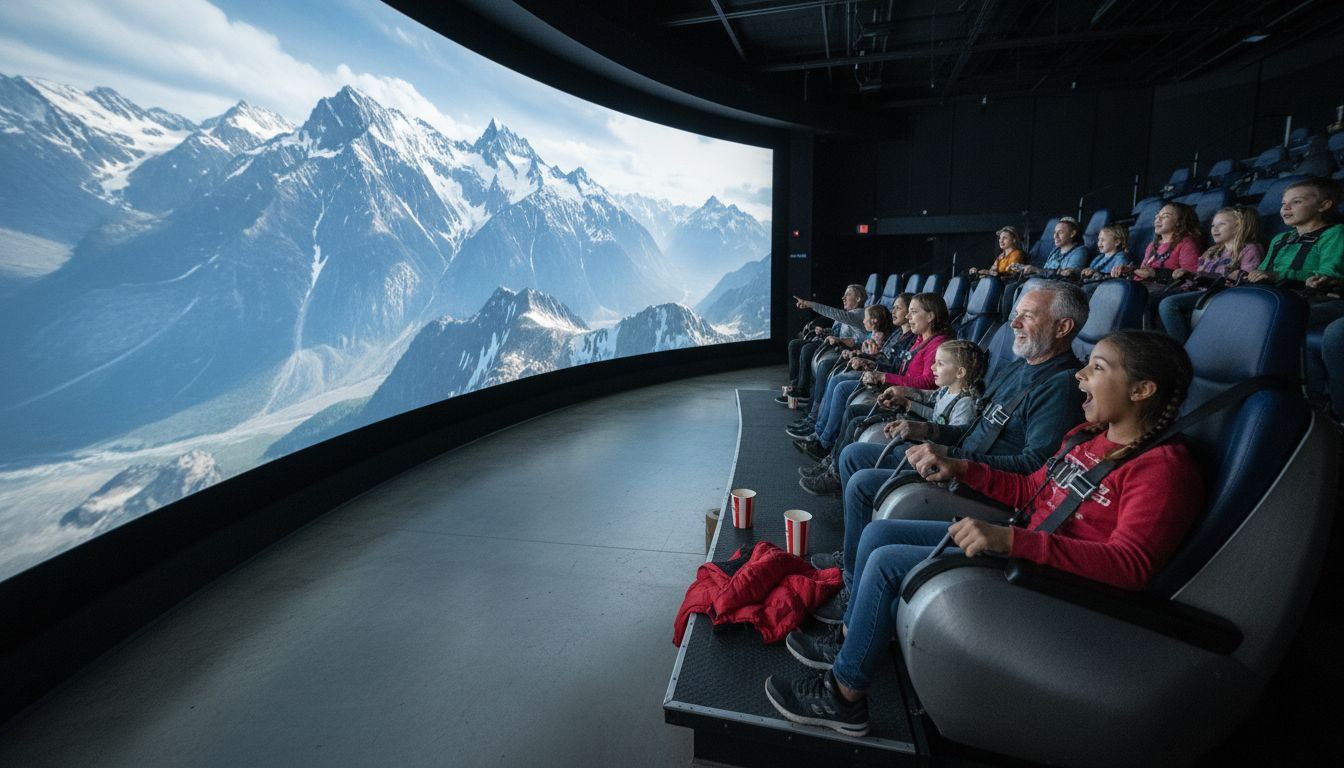
Over 60 percent of visitors to Hawaii are surprised by how advanced American entertainment technologies shape cultural attractions on the islands. For international families craving more than sun and sand, experiences like the Flight of Aloha flying theater offer a thrilling new way to connect with Hawaii’s landscapes and stories. This introduction untangles the myths and magic behind flying theaters, helping you discover what makes them a standout adventure for your family’s next Pacific getaway.
Table of Contents
- Flying Theater Defined And Common Myths
- Types Of Flying Theater Experiences
- How Technology Creates Flight Illusions
- Unique Features: Scents, Motion, And Storytelling
- Flying Theater Vs. Traditional Rides And Tours
- Suitability, Safety Standards, And Common Concerns
Key Takeaways
| Point | Details |
|---|---|
| Immersive Experience | Flying theaters offer multisensory environments with advanced motion simulation, enhancing entertainment beyond traditional rides. |
| Variety of Configurations | Two main types exist: suspended and platform-based, each providing unique engagement methods suitable for different audiences. |
| Technological Integration | Sophisticated technologies, including six degrees of freedom motion and environmental effects, create realistic flight illusions and deepening immersion. |
| Safety Assurance | Rigorous safety protocols and accessibility options ensure a secure and comfortable experience for all guests. |
Flying Theater Defined and Common Myths
A flying theater is an immersive entertainment technology designed to simulate flight experiences through advanced motion simulation techniques. First introduced by Disney in 2001 with Soarin’ Over California, this innovative attraction combines large panoramic screens, synchronized motion platforms, and environmental effects to create incredibly realistic aerial journeys.
The core technology behind flying theaters involves sophisticated motion systems that move audience seating platforms in coordination with high-resolution visual projections. Cutting-edge motion technologies now enable six degrees of freedom (6DOF) movement, allowing guests to experience incredibly nuanced and dynamic flight sensations. These theaters typically feature massive curved or dome screens that completely envelop viewers’ peripheral vision, creating an unprecedented sense of immersion.
Contrary to popular myths, flying theaters are not simply static simulator rides. They represent complex entertainment experiences that engage multiple sensory inputs. Unlike traditional theme park attractions, these theaters can incorporate environmental effects like wind simulation, targeted scent release, and precise seat movements that synchronize perfectly with on-screen imagery. They are not limited to theme parks but have expanded into museums, shopping centers, and cultural institutions worldwide.
Pro tip: When selecting a flying theater experience, look for attractions that offer unique regional storytelling and high-resolution visual presentations to maximize your immersion and enjoyment.
Types of Flying Theater Experiences
Flying theaters offer diverse immersive experiences, ranging from suspended to platform-based configurations that transform how audiences engage with cinematic storytelling. Advanced motion technologies have enabled multiple variations that cater to different venues and audience preferences, creating unique aerial simulation environments.
The two primary types of flying theater experiences include suspended and platform-based designs. Suspended flying theaters feature seats that are mechanically lifted and tilted to simulate flight, providing a dynamic vertical movement that enhances the perception of aerial motion. Platform-based flying theaters, by contrast, utilize sophisticated motion platforms positioned beneath large curved or dome screens, offering both seated and standing experiences that can accommodate different physical configurations and audience sizes.
These theatrical experiences differentiate themselves through technological sophistication and sensory engagement. Some flying theaters incorporate six degrees of freedom (6DOF) motion platforms that create incredibly nuanced flight sensations, while others focus on multisensory environmental effects like wind simulation, targeted mist release, and strategically deployed scent systems. Flying theater variations can be found in diverse settings from massive theme parks to intimate cultural centers, each designed to transport audiences through immersive visual storytelling.
Pro tip: When exploring flying theater experiences, prioritize attractions that offer comprehensive sensory environments and high-resolution visual presentations to maximize your immersive journey.
How Technology Creates Flight Illusions
Flight illusions are a sophisticated technological marvel that combines multiple sensory inputs to create an incredibly realistic aerial experience. Advanced simulation technologies leverage complex neurological mechanisms, particularly the vestibular system, to trick the human brain into perceiving motion that isn’t physically occurring. By intentionally manipulating sensory signals, flying theaters can generate remarkably convincing flight sensations that feel authentic and immersive.
The core of these flight illusions relies on precise synchronization between visual, motion, and environmental stimuli. Technological innovations enable seats with six degrees of freedom to replicate intricate movement patterns, including pitch, roll, and yaw, which correspond exactly with on-screen imagery. Sophisticated software algorithms calculate millisecond-level timing to ensure that seat movements perfectly match visual transitions, creating a seamless and believable flight experience.
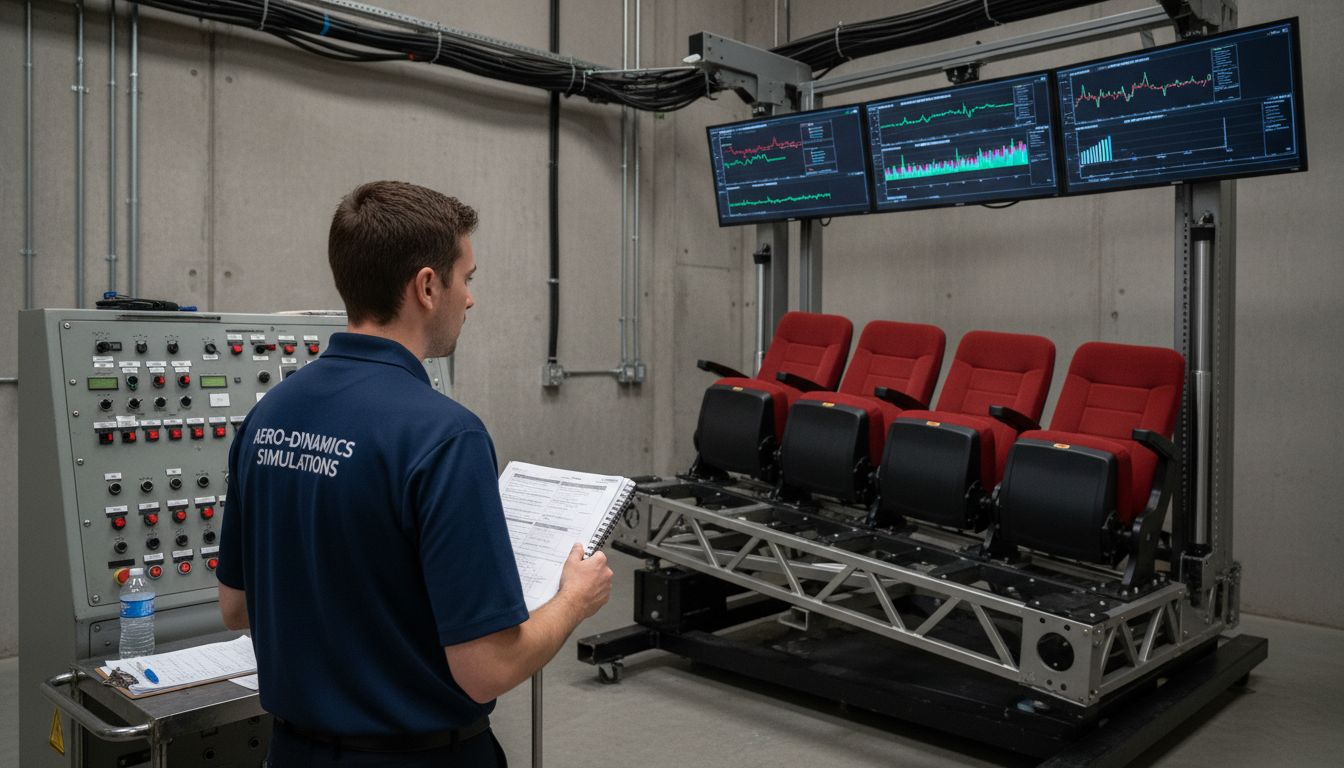
Multisensory engagement plays a critical role in enhancing these flight illusions. Environmental effects like targeted wind simulation, precisely controlled mist release, and strategically deployed scent systems work in concert to stimulate multiple sensory receptors simultaneously. These additional layers of sensory input help override the brain’s natural skepticism, making the artificial flight experience feel remarkably genuine. By combining high-resolution panoramic visuals, dynamic motion platforms, and carefully curated environmental effects, flying theaters can transport audiences to extraordinary aerial journeys that feel astonishingly real.
Key technologies that create immersive flight illusions include:
| Technology | Key Function | Impact on Experience |
|---|---|---|
| Motion Platform | Simulates pitch, roll, yaw | Enhances realism |
| Panoramic Screens | Full peripheral visuals | Deepens immersion |
| Environmental Effects | Wind, mist, scent cues | Activates multiple senses |
| Synchronization Software | Perfect timing of inputs | Maintains convincing illusion |
Pro tip: When experiencing a flying theater, focus on relaxing and allowing your senses to become fully immersed in the multisensory environment to maximize the illusion of flight.
Unique Features: Scents, Motion, and Storytelling
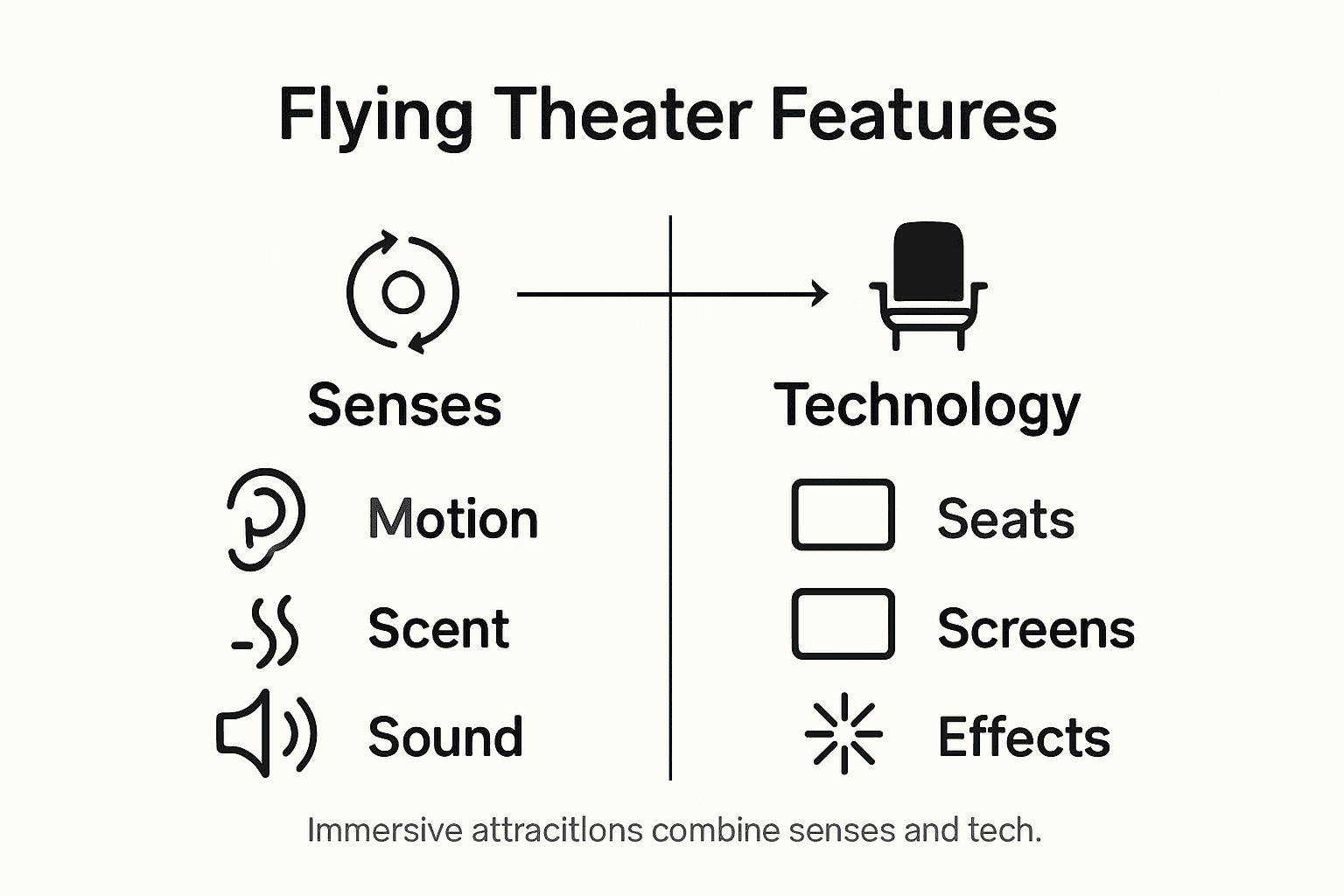
Flying theaters represent a groundbreaking fusion of sensory technologies that transform traditional entertainment experiences. Synchronized multisensory systems create immersive journeys that engage audiences far beyond conventional visual storytelling, carefully orchestrating scents, motion, and environmental effects to craft deeply emotional narratives.
The art of storytelling in flying theaters goes far beyond simple visual projection. Cutting-edge attraction technologies enable precise synchronization between seat movements, environmental effects, and narrative progression. Imagine experiencing a Hawaiian landscape where ocean scents waft through the air as your seat tilts and rolls, perfectly mimicking the sensation of gliding over waves, with wind machines and subtle mist adding layers of sensory authenticity to the storytelling experience.
Scent plays a particularly powerful role in these immersive experiences. Specialized scenting systems can distribute carefully curated aromas like rainforest vegetation, ocean marine notes, or traditional Hawaiian botanical fragrances that correspond exactly with on-screen visuals. These olfactory elements trigger deep emotional responses, transforming a simple visual experience into a multi-dimensional journey that connects audiences with the narrative on a profoundly visceral level. By integrating wind effects, precise motion simulation, targeted lighting, and strategically deployed scents, flying theaters create experiences that feel more like memory than mere entertainment.
Pro tip: Close your eyes during the experience and focus on the combined sensory inputs to fully appreciate the intricate storytelling technology.
Flying Theater vs. Traditional Rides and Tours
Flying theaters represent a revolutionary leap beyond traditional rides and tours, offering an unparalleled immersive experience that transforms how audiences interact with storytelling and exploration. Immersive technologies fundamentally reimagine travel experiences, creating dynamic, controlled environments that engage multiple senses simultaneously, unlike static helicopter tours or traditional sightseeing attractions.
Traditional aerial tours typically provide passive viewing experiences with limited interaction, whereas flying theaters create comprehensive sensory journeys. A helicopter tour might offer genuine aerial views, but flying theaters can transport audiences through meticulously crafted narratives that transcend physical limitations. The technology allows for perfect recreations of landscapes, historical moments, and cultural experiences with precise motion synchronization, environmental effects, and high-resolution visuals that traditional tours cannot replicate.
The key differentiator lies in controlled narrative and sensory engagement. While a physical helicopter ride depends on weather conditions, fuel capacity, and pilot routes, flying theaters offer consistent, repeatable experiences that can be scientifically engineered for maximum emotional impact. These attractions can simulate impossible perspectives, navigate challenging terrains, and provide deep cultural context that traditional tours often lack. By integrating wind effects, precise motion platforms, targeted scent distribution, and immersive soundscapes, flying theaters create experiences that feel more like memory than mere observation.
Here’s a concise comparison of flying theaters and traditional aerial tours:
| Aspect | Flying Theater | Traditional Tour |
|---|---|---|
| Sensory Engagement | Multisensory (motion, scent, wind) | Primarily visual and auditory |
| Weather Dependence | No impact | Highly affected |
| Narrative Control | Scripted and repeatable | Unscripted, limited control |
| Accessibility | Inclusive design, various options | May have physical restrictions |
| Perspective Variety | Unlimited, cinematic views | Limited to actual flight path |
| Experience Consistency | Identical each ride | Varies each time |
Pro tip: Compare multiple flying theater experiences to appreciate the nuanced storytelling techniques that distinguish these attractions from traditional tours.
Suitability, Safety Standards, and Common Concerns
Flying theaters represent sophisticated entertainment technologies with rigorous safety standards designed to protect and reassure guests. Entertainment safety regulations mandate comprehensive safety protocols that address potential concerns about motion simulation and mechanical systems, ensuring these immersive experiences remain both thrilling and secure.
Safety considerations extend far beyond simple mechanical requirements. Specialized flying system protocols involve meticulous engineering, including computerized control systems, precise motion calibration, and regular equipment inspections. These technological safeguards are complemented by extensive staff training programs that prepare operators to manage potential risks and respond to emergency scenarios, creating multiple layers of protection for guests.
Common guest concerns typically revolve around motion sickness, physical limitations, and overall comfort. Modern flying theaters address these issues through carefully designed motion profiles that minimize disorientation, adjustable seating configurations, and clear pre-experience health advisories. Attractions often provide accessibility options, such as modified seating for guests with mobility challenges, and clear guidelines about physical requirements, ensuring that the experience remains inclusive and welcoming to diverse audiences.
Pro tip: Always review attraction guidelines and health recommendations before participating to ensure a comfortable and safe flying theater experience.
Experience the Ultimate Hawaiian Flying Theater Adventure
If you have ever wondered how flying theaters create life-like flight illusions with synchronized motion, scents, and stunning visuals you will love what Flight of Aloha offers in Kailua-Kona. The article explains how immersive technologies engage multiple senses to transform traditional rides into deeply emotional storytelling journeys. At Flight of Aloha we bring these concepts to life by combining 8K panoramic visuals, six degrees of freedom motion effects, authentic Hawaiian scents, and wind simulations that let you soar above breathtaking islands.

Discover rides like Naupaka and Lahaina that blend cultural legends with advanced multisensory technology for an unforgettable experience rooted in Aloha. Whether you are a family, visitor, or group searching for something beyond typical tours or amusement attractions, our immersive flying theater offers a unique way to connect emotionally with Hawaii’s spirit. Book your visit now at Flight of Aloha to secure your spot and enjoy VIP packages or annual passes that enhance your journey. Step into the future of entertainment and fly with us today.
Frequently Asked Questions
What is a flying theater?
A flying theater is an immersive entertainment experience that simulates flight using advanced motion simulation techniques, large screens, and environmental effects to create realistic aerial journeys.
How does a flying theater create flight illusions?
Flying theaters use sophisticated motion platforms, high-resolution visuals, and environmental effects like wind and scent to synchronize sensory inputs, tricking the brain into perceiving motion and creating a convincing illusion of flight.
What types of experiences can I have in a flying theater?
Flying theaters offer various experiences, including suspended and platform-based configurations that provide unique flight simulations, with options for multisensory engagement such as wind, mist, and scent effects.
Are flying theaters safe for all guests?
Yes, flying theaters adhere to strict safety standards, incorporating rigorous safety protocols, regular inspections, and operator training to ensure a secure and comfortable experience for all guests.
Recommended
- Benefits Of Flying Theaters For Hawaii Visitors | Flight Of Aloha
- Helicopter Tours Vs. Flying Theaters In Hawaii | Flight Of Aloha
- First Time Flying Theater Tips For An Epic Kona Ride | Flight Of Aloha
- Interactive Tourism: How It Elevates Visitor Engagement | Flight Of Aloha
- Tu kit de supervivencia para viajar en avión estas vacaciones – Academia Atenea