
20 Must-See Places in Maui for Your Next Island Trip
If you only have time for six things on Maui, make them these: Haleakalā National Park for a sunrise above the clouds, the Road to Hāna and Waiʻānapanapa State Park for waterfalls and black sand, Molokini Crater for the clearest snorkeling water you’ll ever swim in, Kāʻanapali and Whalers Village for beach time and sunset shopping, Iao Valley State Monument for a green, misty hike into old Hawaii, and Flight of Aloha at Whalers Village for an aerial tour of the islands that skips the $400 helicopter bill and the motion sickness bags.
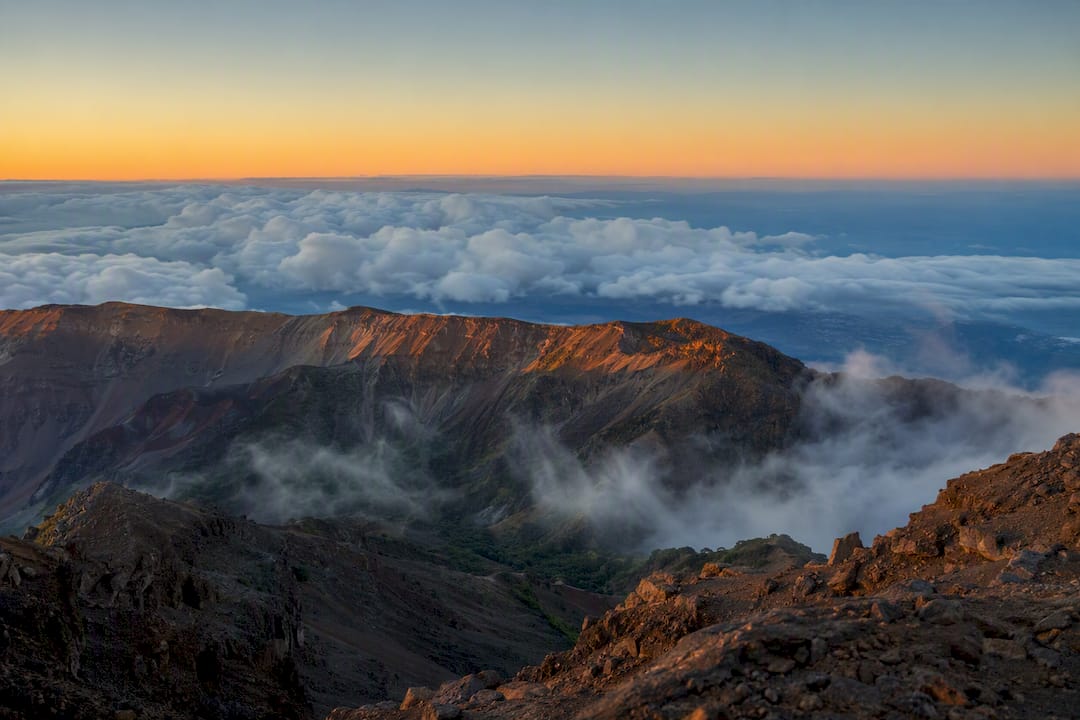
- Haleakalā National Park — Watching the sun break over a 10,000-foot volcanic crater ranks among the most talked-about moments on the island.
- Road to Hāna / Waiʻānapanapa State Park — Sixty miles of waterfalls, jungle switchbacks, and a black sand beach you won’t find anywhere else in the country.
- Flight of Aloha — Native Hawaiian-owned, walking distance from Kāʻanapali hotels, and the smart alternative to a helicopter tour when you want aerial Hawaii without the cost or the queasiness.
- Molokini Crater — A sunken volcanic crescent with some of the clearest water in the Pacific for snorkeling.
- Kāʻanapali & Whalers Village — West Maui’s beach-and-shopping hub, and home base for many first-time visitors.
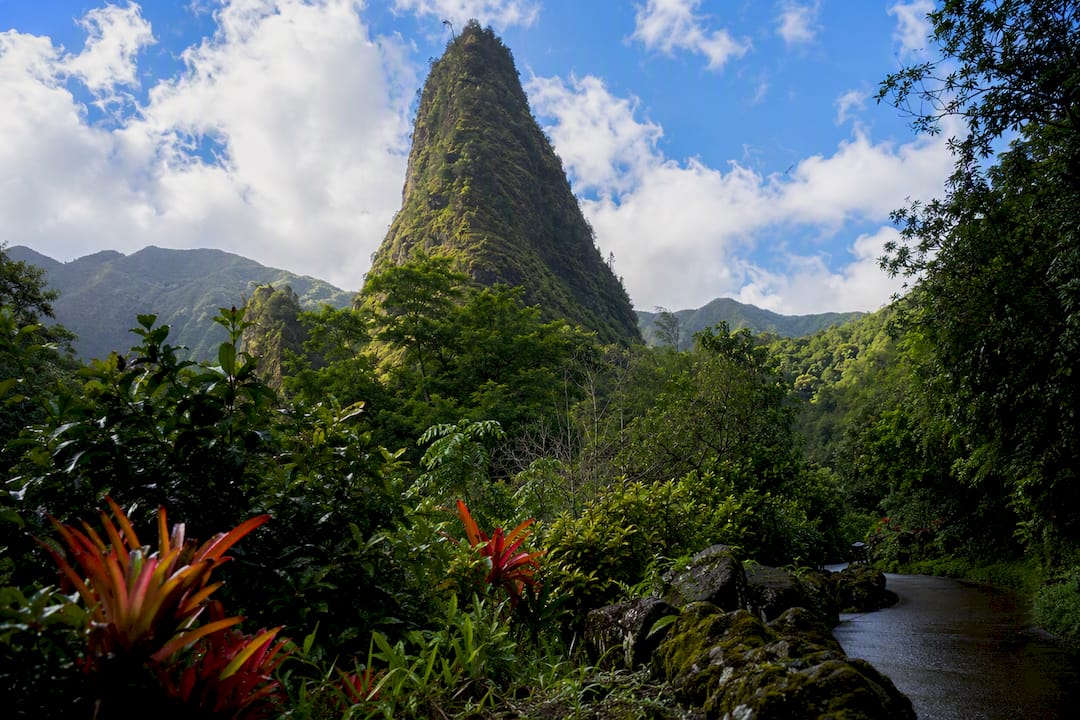
- Iao Valley State Monument — A short, lush walk to the ʻĪao Needle, one of the most photographed spots on the island.
Pro Tip: Book your Haleakalā sunrise reservation the moment you lock in flights. Slots vanish fast in peak season, and there’s no walking in without one.
Before you dive into the full list, a quick safety note: lifeguards cover only a handful of Maui’s beaches, so check conditions before you swim anywhere unfamiliar.
Key Takeaways
The must-see places on Maui reward advance planning: reserve Haleakalā sunrise and Waiʻānapanapa early, book Molokini boats before summer fills up, and pair every big-ticket outdoor day with a flexible indoor backup like Flight of Aloha.
Must-See Places in Maui, Organized by Region
Maui rewards a little planning. The island splits into distinct zones, and knowing which region you’re in changes how you budget your days. Below is the full rundown, organized the way locals actually think about the island: by drive time and by what each area does best.
Upcountry & Haleakalā
Haleakalā summit at sunrise. This is the bucket-list moment for most visitors, and for good reason: standing above the cloud line as light spills over a volcanic crater the size of Manhattan is not something you forget. The catch is that the National Park Service requires a reservation for sunrise entry between 3 a.m. and 7 a.m., booked separately from your park admission. Drive time from Kahului runs about 90 minutes, longer from Kāʻanapali or Lahaina, so plan on leaving well before 4 a.m. if you’re chasing first light.
Haleakalā by day. If sunrise reservations are gone or you’d rather sleep in, the summit is just as striking at midday, and daytime entry needs no permit. Bring layers regardless of the hour. The park itself warns that summit weather is unpredictable and that temperatures can drop into the 30s and 40s even when it’s 85 degrees at the beach.
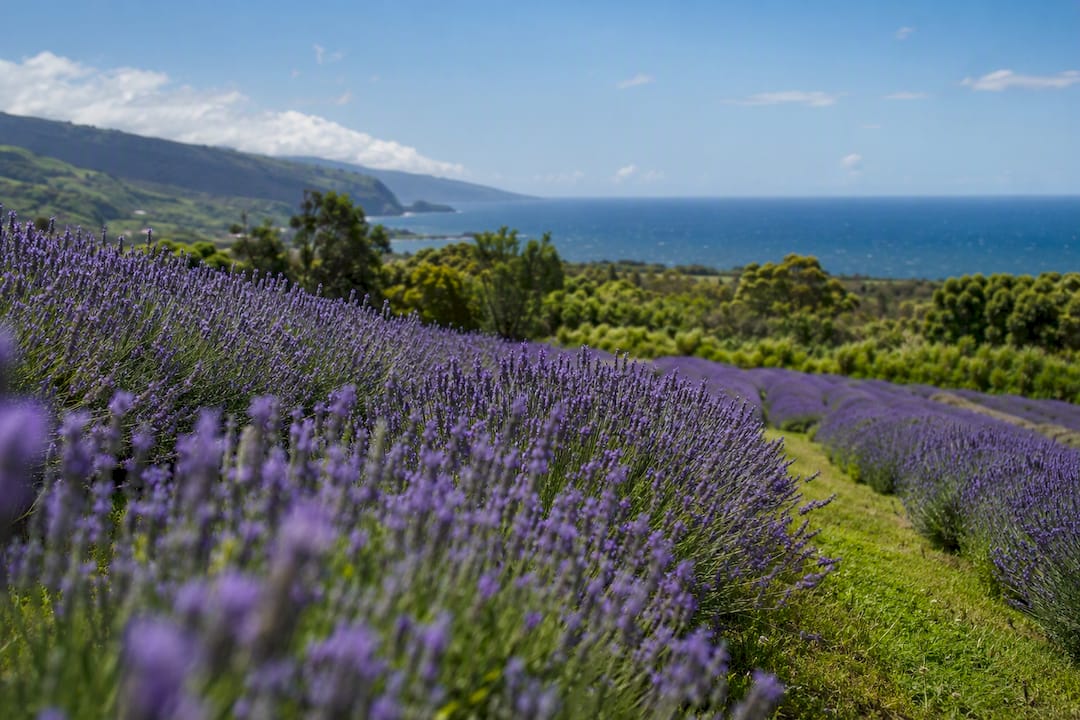
Kula lavender and protea farms. Upcountry’s rolling green hills feel more like New Zealand than Hawaii. Ali’i Kula Lavender Farm and several protea nurseries sit along the drive up to Haleakalā, making for an easy add-on stop with sweeping ocean views back toward the coast. Best visited mid-morning before the heat sets in.
Makawao town. A paniolo (cowboy) town with wooden storefronts, art galleries, and some of the best baked goods on the island. It’s a 20-minute detour off the main Haleakalā road and worth the stop for lunch on your way up or down the mountain.
East Maui: Road to Hāna and beyond
The Road to Hāna deserves its own full day. The drive itself, roughly 52 miles and 620 curves one way from Kahului, is the attraction as much as any single stop along it.
- Twin Falls — The first major waterfall stop, about 25 minutes into the drive, with an easy walk from the parking area.
- Waikamoi Ridge Trail — A short forest loop through bamboo if you want to stretch your legs without committing to a full hike.
- Waiʻānapanapa State Park — Home to Maui’s famous black sand beach and lava tube caves. Note that Waiʻānapanapa now requires an advance reservation for both parking and entry, so book before you leave your hotel.
- Hāna town — A quiet, slower-paced town that feels worlds away from Kāʻanapali. Grab a plate lunch and browse the roadside fruit stands.
- Pipiwai Trail and ʻOheʻo Gulch (Kīpahulu) — Just past Hāna town, this trail climbs through bamboo forest to the 400-foot Waimoku Falls, passing the pools at ʻOheʻo Gulch (sometimes called the Seven Sacred Pools) along the way. Budget two to three hours round trip and wear real shoes; the boardwalk sections get slick.
Most visitors underestimate how long this loop takes. Plan on 10 to 12 hours door to door if you’re stopping at even half these points, and never schedule a sunset dinner reservation the same evening. Regional note: driving the Hāna Highway after dark is genuinely risky given the narrow, unlit switchbacks, so build your day around finishing before dusk rather than squeezing in one more waterfall.
West Maui, Lahaina, and Kāʻanapali
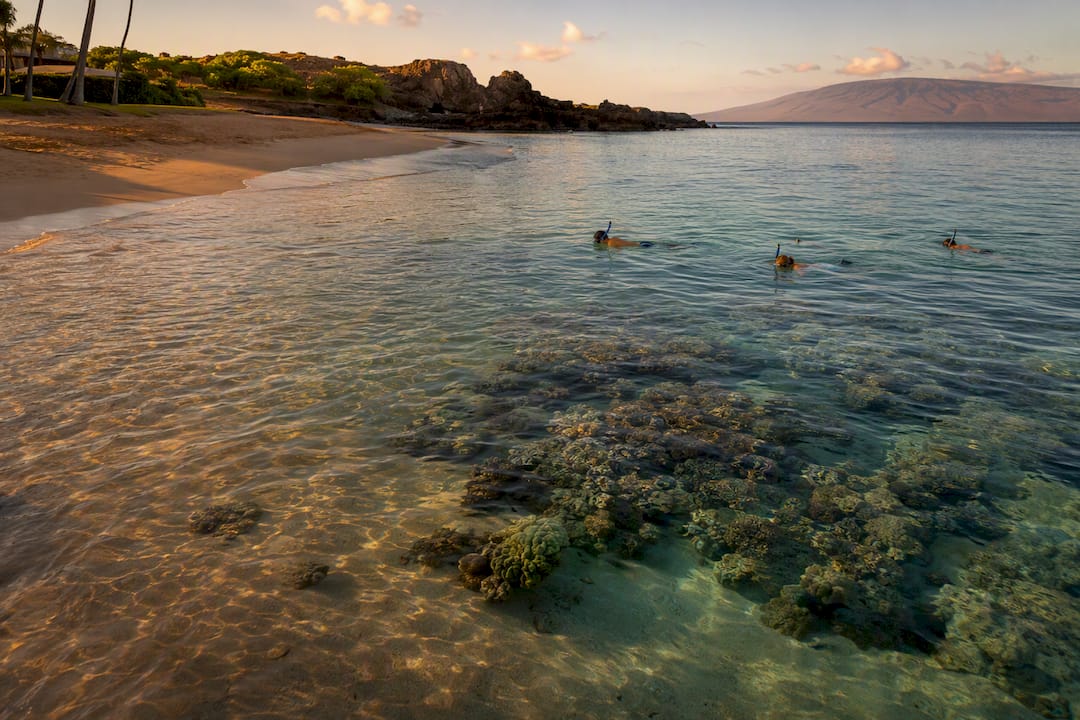
Kāʻanapali Beach. Three miles of golden sand lined with resorts, and one of the most swimmable beaches on the island thanks to its generally calm, reef-protected water. Snorkeling around Black Rock at the north end is a highlight, especially early morning before boat traffic picks up.
Whalers Village. An open-air shopping and dining center right on Kāʻanapali Beach, home to a small whaling museum, oceanfront restaurants, and, notably, Flight of Aloha, the immersive flying theater that puts you in the air over Hawaii’s landscapes without ever leaving your seat. It’s an easy walk from nearly every Kāʻanapali resort.
Front Street, Lahaina. Lahaina’s historic waterfront has long been one of Maui’s cultural anchors, home to art galleries, local shops, and centuries of whaling and missionary history. Check current visitor guidance before your trip, since parts of the town continue to rebuild.
Napili and Kapalua. North of Kāʻanapali, these quieter bays offer some of West Maui’s best snorkeling in calmer, less crowded water. Kapalua Bay in particular suits families with younger kids.
South Maui: Wailea, Kīhei, and Makena
Makena State Park (Big Beach). A wide, undeveloped stretch of golden sand backed by kiawe trees, with almost none of the resort development you’ll find up the coast. The water can be deceptively rough here.
Wailea beaches. Wailea’s string of small, manicured beaches, Ulua, Mokapu, Wailea Beach, sit below the island’s most upscale resorts and tend to have calmer water than Makena, making them a better pick for families or less confident swimmers.
Kīhei coastline. A more affordable, laid-back stretch with easy beach access and a strip of casual restaurants. It’s a practical home base if you want proximity to South Maui’s snorkeling without resort prices.
ʻĀhihi Kīnau Natural Area Reserve. Just past Makena, this reserve protects some of the best-preserved coral reef on the island. Access rules shift periodically to protect the reef, so check current status before you go.
Central Maui: Iao Valley and beyond
Iao Valley State Monument. A 10 minute drive from Wailuku, this state park frames the ʻĪao Needle, a 1,200 foot green spire rising out of the valley floor. The paved loop trail takes 20 to 30 minutes round trip, making it one of the most accessible scenic stops on this entire list. Morning visits usually mean fewer clouds obscuring the needle and softer light for photos.
Waiheʻe Ridge Trail. A steeper, more demanding alternative for hikers who want sweeping valley and ocean views without the crowds of Iao Valley. The out-and-back trail runs about 5 miles round trip with real elevation gain, so it suits visitors comfortable with a moderate workout rather than a casual stroll.
Maui Ocean Center. In Māʻalaea, this aquarium focuses entirely on Hawaiian marine life, a good rainy-day or midday-heat option, especially with kids.
Ocean experiences worth booking ahead
Molokini Crater. This partially submerged volcanic crater sits about three miles off the South Maui coast and offers visibility that regularly exceeds 100 feet. Most boats depart early, between 6 and 7 a.m., because afternoon winds churn up the water. Book your boat trip in advance during summer and winter high seasons; spots fill up fast.
Turtle Town. A snorkeling area near Makena where green sea turtles gather to feed on the seafloor’s algae. Calm mornings give you the best odds of a close encounter, and boats often pair a Turtle Town stop with Molokini on the same trip.
Whale watching (December through April). Maui sits inside one of the largest humpback whale breeding grounds on the planet, and peak sightings run roughly January through March. Shore-based watching from Kāʻanapali or Wailea works, but a boat tour gets you dramatically closer.
Planning Your Trip: Days, Lodging, and Getting Around
How long you need depends entirely on how many of these must-see places in Maui make your list, but most travelers land in one of four camps.
A quick weekend (2 to 3 days) forces hard choices. Pick one big-ticket item, usually Haleakalā sunrise or a half-day of the Road to Hāna, plus a beach day and Whalers Village for shopping and Flight of Aloha’s aerial show. A 5-day trip is the sweet spot for first-timers: it fits Haleakalā, a full Road to Hāna day, a Molokini snorkel trip, Iao Valley, and real beach time without feeling rushed. A full week lets you add Waiheʻe Ridge, ʻĀhihi Kīnau, and a slower pace through South Maui, and Hawaii-Guide recommends treating a week as the realistic minimum if you want to see the island properly rather than sprint through it.
Where you stay shapes your whole trip. West Maui (Lahaina and Kāʻanapali) puts you closest to Whalers Village, Flight of Aloha, and the best sunsets on the island, but it’s a longer haul to Haleakalā and Hāna. South Maui (Wailea and Kīhei) offers calmer beaches and shorter drives to Molokini boat departures. Staying near Hāna itself for a night or two lets you catch the Road to Hāna’s early morning light without the return drive, though lodging options there are limited and pricier per square foot.
A rental car is close to mandatory. Public transit exists but doesn’t reach most of the sights on this list, and the island’s best moments, that unplanned waterfall pullout, the empty beach past mile marker 20, happen when you control your own schedule.
| Route | Approximate Drive Time |
|---|---|
| Lahaina to Haleakalā summit | 2 hours |
| Kahului to Wailea | 30 minutes |
| Kahului to Hāna (full Road to Hāna) | 90 minutes one way |
| Kāʻanapali to Iao Valley | 30 minutes |
Budget for these common costs as you plan:
- Haleakalā park entrance fee plus a separate sunrise reservation fee, both payable online in advance.
- Molokini snorkel boat trips typically run as a half-day package including gear and light breakfast.
- Guided hikes and luau shows vary widely by operator and season; book at least a few weeks ahead in peak months.
- Plate lunches and casual meals run affordable; resort dining in Wailea and Kāʻanapali runs considerably higher.
- Flight of Aloha tickets at Whalers Village, with VIP and annual pass options for return visitors.
Reservations, Permits, and Safety Basics
A handful of Maui’s must-see places require booking ahead, and missing that window can rearrange your entire itinerary. Haleakalā sunrise entry needs a separate reservation through the National Park Service, on top of your standard park entrance fee, and some tickets also route through Recreation. Waiʻānapanapa State Park now requires advance parking reservations too. Book both the moment your travel dates are set, especially if you’re visiting during summer or the winter holidays.
Pro Tip: Set a calendar reminder for 60 days before your trip. That’s the sweet spot when Haleakalā sunrise slots and Molokini boat trips both tend to open up for booking.
Ocean safety deserves real attention. Maui’s ocean safety guide notes that lifeguards staff only designated county beaches and Makena State Beach Park, meaning most of the island’s shoreline goes unwatched. That same guide flags Makena’s Big Beach specifically for dangerous shorebreak capable of causing serious neck and back injuries, even for strong swimmers.
- Check posted signs and flag colors before entering the water anywhere unfamiliar.
- Never turn your back on the ocean at shorebreak beaches like Makena.
- Snorkel Molokini and Turtle Town in the morning, when wind and chop are lowest.
- Assume beaches outside the main resort corridors have no lifeguard on duty.
Respectful travel matters as much as safety planning. Lonely Planet’s guidance for first-time Maui visitors puts it simply: ask before joining a cultural activity, admire wildlife from a distance, and remember that many of these spots are someone’s home, not a backdrop. Booking ahead isn’t just a logistics fix, it’s part of a broader shift toward regenerative tourism that helps Maui manage crowding at its most fragile sites.
Sample Itineraries: 3, 5, and 7 Days on Maui
A 3-day trip works best as a highlight reel. Day one: Haleakalā sunrise starting around 4 a.m., back down by late morning, then rest and beach time at Kāʻanapali in the afternoon, with Flight of Aloha in the evening as an easy, air-conditioned wind-down. Day two: the full Road to Hāna, leaving by 7 a.m. and prioritizing Twin Falls, Waiʻānapanapa, and Hāna town over squeezing in every stop. Day three: a Molokini snorkel boat in the morning, then Iao Valley or Whalers Village shopping in the afternoon before your flight.
A 5-day trip spreads things out and adds real breathing room.
- Arrival day, settle in, easy Kāʻanapali beach afternoon.
- Haleakalā sunrise, its own full morning, nothing else scheduled after.
- Road to Hāna, full day, start by 7 a.m.
- Molokini and Turtle Town snorkel trip, followed by Iao Valley in the afternoon.
- Waiheʻe Ridge Trail in the morning, Whalers Village and Flight of Aloha for a relaxed final evening.
A 7-day trip lets you add ʻĀhihi Kīnau, a slower South Maui beach day, and a cushion day for weather. If rain rolls in, swap outdoor plans for the Maui Ocean Center, a museum stop in Lahaina, or Flight of Aloha, which sidesteps the whole problem of vog and rain since the entire experience happens indoors. Never stack a Road to Hāna day with a sunset dinner reservation; the drive back in fading light isn’t worth the rush.
Best Beaches and Snorkel Spots by What You’re After
Not every beach on Maui suits every traveler, and matching the spot to your priorities saves a wasted afternoon.
| Spot | Best For | Notes |
|---|---|---|
| Kāʻanapali Beach | Families, easy swimming | Lifeguard-patrolled sections, calm most days |
| Kapalua Bay | Families, beginner snorkeling | Sheltered bay, gentle entry |
| Molokini Crater | Experienced snorkelers | Boat access only, best at sunrise departure |
| Turtle Town | Wildlife viewing | Calm mornings, often paired with Molokini |
| Makena (Big Beach) | Scenery, sunset | Dangerous shorebreak, swim with caution |
| Waiʻānapanapa | Black sand, photos | Rocky entry, reservation required |
Molokini and Turtle Town both sit inside protected marine zones, and visitor numbers on any given boat are limited to reduce reef damage, another reason to book your snorkel trip well ahead rather than hoping to walk up same-day.
Flight of Aloha: Maui’s Most Accessible Must-See
If your must-see list includes an aerial view of Hawaii but not a $400 helicopter ticket or a bag of motion-sickness pills, Flight of Aloha at Whalers Village solves that problem directly. This is an immersive flying theater: 8K visuals, motion effects, wind, and scent combine to simulate soaring over Hawaii’s landscapes, all from the comfort of a seat that never actually leaves the ground.
- No helicopter cost, no helicopter nausea, same sweeping aerial perspective.
- Fully indoor and air-conditioned, making it the go-to plan when Kāʻanapali skies turn rainy or vog rolls in.
- Located inside Whalers Village, walking distance from nearly every Kāʻanapali resort.
- Native Hawaiian-owned, with storytelling rooted in real Hawaiian legend rather than a generic sightseeing script.
Flight of Aloha also operates in Kailua-Kona, walking distance from the Kailua Pier tender dock, which makes it one of the easiest add-ons for cruise passengers working with a tight shore-excursion window. Between the Maui and Kona locations, it’s hard to find another Hawaii attraction this easy to reach on foot from where visitors already are.
What to Eat on Maui: Local Dining You Shouldn’t Skip
Maui’s food scene runs on plate lunches, fresh fish, and a handful of dishes you genuinely won’t find the same way anywhere else. Poke, cubed raw ahi tossed in shoyu, sesame oil, and limu, shows up on menus from gas station counters to upscale restaurants, and both versions are worth trying. Musubi, a slab of rice topped with a fried egg or Spam and wrapped in nori, makes an ideal grab-and-go breakfast before a sunrise drive.
Roadside stands along the Road to Hāna sell banana bread baked that morning, along with fresh coconut and apple bananas you won’t see in mainland grocery stores. In Lahaina and Kīhei, look for plate lunch spots serving kalua pork, lomi salmon, and two-scoop rice, the everyday meal that fuels much of the island. Maui’s onions, grown in the volcanic soil around Kula, are sweet enough to eat raw and show up in everything from burgers to salads.
Worth noting: Maui County banned polystyrene food containers back in 2018, so most takeout now arrives in compostable or recyclable packaging, a small but real piece of the island’s sustainability push. Save room for haupia, a coconut pudding served at nearly every luau, and shave ice loaded with tropical syrups and a scoop of ice cream buried at the bottom.
How These Picks Came Together
Curating a must-see list for Maui means resisting the urge to just list the most Instagrammed spots and calling it done. The picks here favor variety on purpose: a sunrise hike, a scenic drive, a boat trip, a cultural experience, a beach for every skill level, because that’s how an actual week on the island plays out, not a highlight reel stitched together for social media.
Accessibility mattered just as much as scenery. A spot that requires a $400 helicopter charter or a grueling all-day hike doesn’t serve every traveler, which is part of why an option like Flight of Aloha earns its place alongside Haleakalā and Molokini rather than getting treated as an afterthought.
One closing note on responsibility: Maui’s beauty comes with real kuleana, a Hawaiian concept of responsibility and stewardship. Respect private property along the Road to Hāna, don’t crowd sacred sites for a photo, and choose local businesses when you can. Small choices like these are what keep these places worth visiting for the next traveler behind you.
Book Flight of Aloha Before You Land on Maui
Flight of Aloha is the alternative to a $400 helicopter tour for anyone visiting Kāʻanapali: the same aerial view of Hawaii’s coastlines and valleys, delivered through 8K visuals, motion effects, and wind, without the cost, the safety briefing, or the risk of getting sick mid-flight.

The Whalers Village location sits within easy walking distance of every major Kāʻanapali resort, and the Kona location is just as close to the Kailua Pier tender dock, making it a natural fit for cruise passengers with only a few hours ashore. It’s also the simplest fix for a rainy Maui afternoon or a hazy vog day: fully indoor, fully air-conditioned, and rooted in real Hawaiian storytelling from a Native Hawaiian-owned company rather than a generic tourist script. Check showtimes and reserve your tickets online for single shows, double features, or a VIP package if you want the full experience. Book online to secure your seat.
Sources
Confirm every reservation and safety detail directly with these official sources before you travel, since park rules and weather alerts change fast:
- Plan your visit – Haleakalā National Park (NPS)
- Ocean Safety Guide — Maui County (Document Center)
- Find vacation & travel information | Go Hawaii — Maui
Check these pages the week of your trip, not just when you first book, since trail closures, park hours, and reservation systems shift with the seasons.