
What Is Responsible Tourism? A Traveler’s Guide to Doing It Right

Responsible tourism means using tourism to make places better to live in and better to visit, and it puts the job on everyone in the chain: governments that set the rules, operators who run the tours, and tourists who spend the money. That’s the working definition that came out of the Cape Town Declaration, and it’s the one most tourism boards and researchers still use today.
Here’s the part most articles skip: responsible tourism isn’t a vibe or a marketing sticker. It’s supposed to produce evidence. A hotel, tour operator, or destination that calls itself “responsible” should be able to show you what actually changed for the people who live there.
Who’s on the hook to make that happen?
- Governments, through policy, permitting, and land protections
- Tour operators and hotels, through hiring, sourcing, and cultural practices
- Local communities, through participation and consent
- Tourists, through where they spend and how they behave on the ground
Key Takeaways
Responsible tourism works when economic benefit, cultural respect, and environmental care are backed by measurable, published outcomes rather than promises.
| Point | Details |
|---|---|
| Definition anchor | Responsible tourism means making destinations better to live in and visit, per the Cape Town Declaration. |
| Ask for evidence | A responsible claim needs a measurable outcome behind it, not just marketing language. |
| Economic pillar wins clearest | Local hiring and local purchasing show the strongest, most measurable community benefits. |
| Responsible vs. sustainable | Responsible tourism is individual behavior; sustainable tourism requires systemic policy and regulation. |
| Flight of Aloha fits the model | Native Hawaiian-owned, locally staffed attraction in Kailua-Kona and Whalers Village Kaanapali that pays local artists and publishes its cultural roots. |
What Is Responsible Tourism, and Where Did the Term Come From?
The term traces back to the 2002 Cape Town Declaration on Responsible Tourism, drafted alongside the World Summit on Sustainable Development. It’s the reason World Responsible Tourism Day exists on the industry calendar, and it’s still the most cited definition in tourism policy circles.
A few reference points worth knowing:
- The declaration’s core phrase, “better places for people to live in and better places for people to visit,” sums up the whole idea. Get the first half right, and the second usually follows.
- SANS 1162:2011, South Africa’s national standard, was one of the first attempts to turn the concept into something auditable, spelling out stakeholder roles and responsibilities rather than leaving it as a slogan.
- The UNWTO has since tied responsible tourism practices to the broader Sustainable Development Goals, giving the concept international policy weight.
None of this is academic trivia. It matters because it tells you responsible tourism has actual standards behind it, not just good intentions.
The Core Principles of Responsible Tourism
Responsible tourism rests on three pillars, and each one comes with concrete, checkable behaviors rather than fuzzy commitments.
- Economic responsibility. Local hiring, local purchasing, and fair wages. A hotel that buys produce from island farms instead of importing everything is practicing this pillar.
- Social and cultural responsibility. Community involvement, genuine consent before a culture or story gets packaged for visitors, and accessible design so more people can actually participate.
- Environmental responsibility. Minimizing negative impact, supporting conservation, and managing water, energy, and waste with intention rather than as an afterthought.
A tour operator that hires local guides instead of flying in outside staff is hitting the economic pillar. A cultural site that co-manages storytelling with the community it comes from, rather than performing it at them, is hitting the social one.
Pro Tip: Ask any attraction or tour company one question: “What percentage of your staff and supplies are local?” A business practicing responsible tourism will usually have that number ready. One that doesn’t, probably hasn’t measured it.
How Is Responsible Tourism Different From Sustainable Tourism?
People use these terms as if they’re interchangeable. They’re not.
- Responsible tourism is about behavior and local action, what a specific business or traveler does in a specific place.
- Sustainable tourism is a bigger, system-level goal, usually requiring regulation and coordinated policy to hold across an entire destination.
You can practice responsible tourism as an individual traveler tomorrow. You can’t personally make a destination sustainable. That takes zoning laws, conservation funding, and infrastructure planning that no single tourist or business controls. Academic reviews have flagged this gap directly, noting that responsibility without regulatory backing can end up individualistic, well-meaning travelers doing their part while the systemic problems stay unaddressed. The two ideas work best together, not as substitutes for each other.
What Are the Real Benefits of Responsible Tourism?
The clearest wins show up in local economies. When tourism dollars hire local guides, pay local artists, and buy from local suppliers, that money tends to stay in the community instead of leaving with the tour bus.
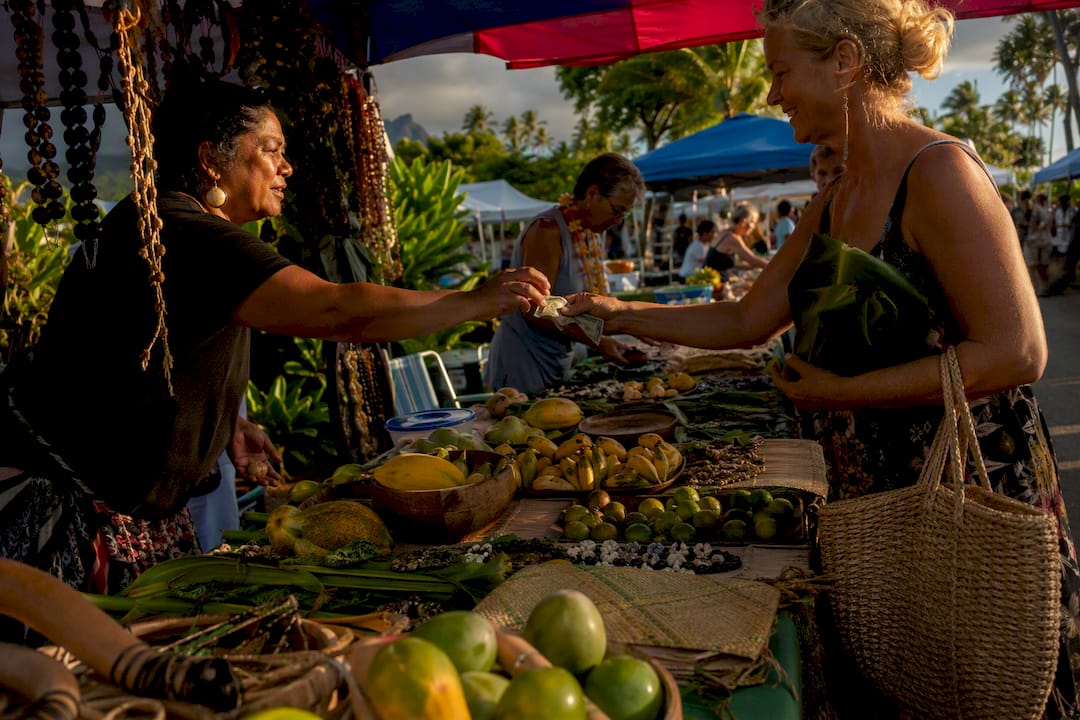
The research backs this up. A study on residents’ quality of life in tourist destinations found that economic responsibility often produces the clearest measurable gains, particularly in physical quality-of-life indicators, while social and environmental benefits are real but harder to detect without long-term monitoring.
That caveat matters. Not every dimension of responsible tourism shows up cleanly in the data. A destination can create jobs while still under-delivering on cultural respect or conservation. That’s exactly why “we’re responsible” needs a number attached to it, not just a claim on a website.
How Can Travelers Practice Responsible Tourism?
You don’t need a plane ticket to a far-flung destination to start. Small, deliberate choices add up on any trip.
- Spend locally. Choose the family-run lunch spot over the chain, the local guide over the outside operator.
- Ask about community benefit. A simple question (“Do you hire locally?”) tells you more than a brochure will.
- Respect cultural protocols. If a story, dance, or site is sacred, treat it that way, not as a photo op.
- Choose accessible options. Attractions built for a range of mobility and ages reflect real inclusion, not an afterthought.
- Reduce waste and energy use. Reusable bottles, shorter showers, and skipping unnecessary packaging are small but real.
Small operators have their own checklist: publish measurable outcomes, hire locally, buy locally, and protect the cultural intellectual property behind whatever story they’re telling.
Pro Tip: Before you book anything, ask three questions the Responsible Tourism Partnership recommends: What exactly are you responsible for? How do you measure it? What have you actually achieved? A confident, specific answer is a good sign. A vague one is your cue to look elsewhere.
If you’re weighing a food-focused excursion, culinary experiences built around local producers tend to keep more value inside the destination than a generic tour.
What Does the Research Actually Show?
Empirical work on this topic keeps landing on the same pattern: economic linkages, jobs, income, local procurement, produce the most consistent positive effects on resident wellbeing. A related study found that host community support for tourism grows when residents see personal benefit in the form of jobs and income, which in turn reinforces sustainable development over time.
Researchers consistently recommend three things: measure impacts, involve residents in decisions rather than after the fact, and prioritize local benefit over volume. The practical takeaway for you as a traveler is simple. Favor providers and destinations that actually publish what they’ve achieved, not just what they intend to.
Where Cultural Attractions Fit Into Responsible Tourism
Immersive cultural attractions can absolutely follow these principles, and I’d argue the ones that don’t shouldn’t be in business much longer. Flight of Aloha is Native Hawaiian-owned, runs in Kailua-Kona and Whalers Village Kaanapali, and works with local artists to keep storytelling rooted in the community it comes from.
Experience Hawaii Responsibly With Flight of Aloha
If you’re comparing a helicopter tour against something gentler on your wallet and your stomach, Flight of Aloha gives you the aerial thrill without the $400 price tag or the motion sickness that comes with an actual chopper ride. It’s climate-controlled, so it doubles as the best answer to rainy days in Kona, rainy days in Maui, or an afternoon spent dodging vog.

For cruise passengers, the Kona location sits walking distance from Kailua Pier and the tender dock, making it one of the easiest shore excursions on the island to slot into a short port stop. Beyond the comfort factor, this is a Native Hawaiian-owned attraction that pays local artists and grounds every film, from Naupaka to Lahaina to Whale Song, in real Hawaiian storytelling instead of generic aerial footage. That’s what sustainable, culturally grounded attractions in Hawaii are supposed to look like.
Ready to see the islands from above without the cost or the nausea? Book your seats online at either the Kailua-Kona or Whalers Village Kaanapali location. Book online to secure your seat.
Sources
- What is Responsible Tourism? – Responsible Tourism Partnership
- Predicting the Residents’ Quality of Life in Tourist Destinations Through Responsible Tourism
- Is Being Responsible Sustainable in Tourism? Connections and Critical Differences