
Sustainable tourism in Hawaii attractions: visitor guide
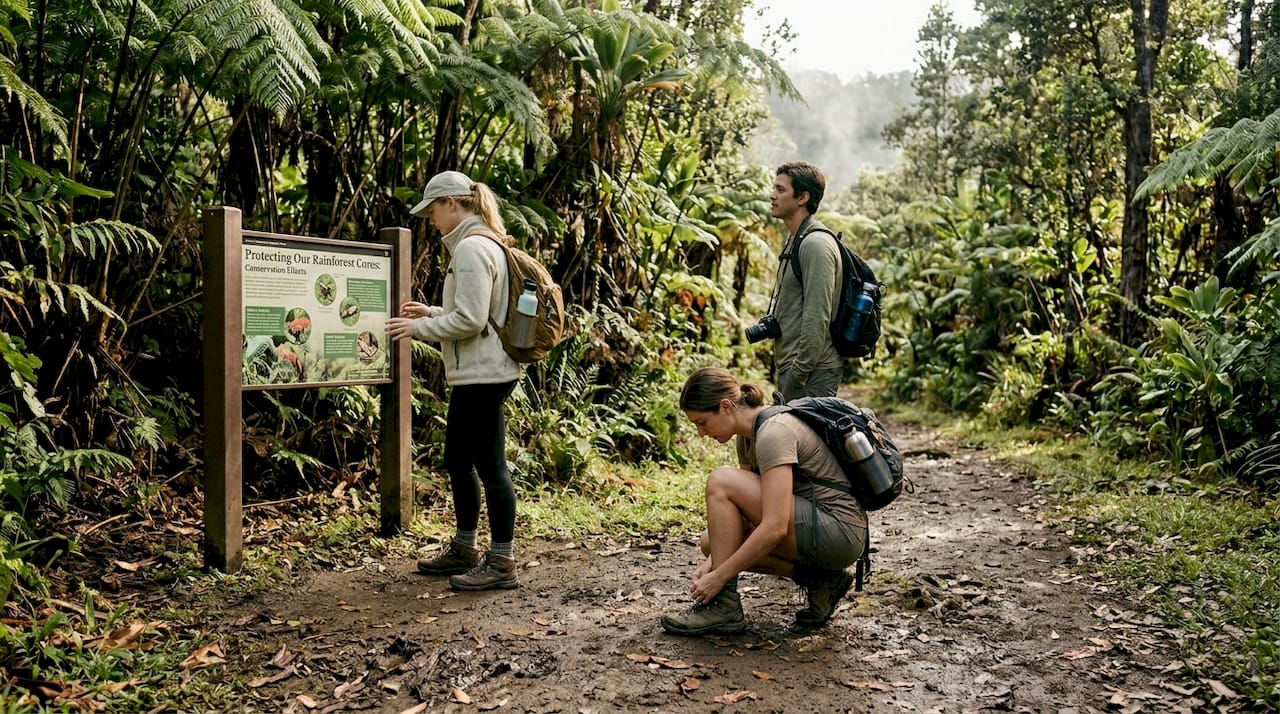
Tourism brings 10 million visitors to Hawaii annually, generating billions in revenue but straining fragile ecosystems and cultural sites. Overcrowding damages coral reefs, disrupts wildlife, and erodes the aloha spirit locals cherish. Sustainable tourism offers a solution, balancing your desire to explore paradise with the need to protect it. This guide shows families and tourists how to enjoy Hawaii’s attractions responsibly while experiencing authentic Hawaiian culture through practical tips, eco-friendly choices, and immersive activities that give back to the islands.
Table of Contents
- Key takeaways
- Understanding sustainable tourism principles in Hawaii attractions
- Balancing visitor impact with cultural and environmental preservation
- Engaging families with immersive sustainable experiences at Hawaiian attractions
- Challenges and debates in sustainable tourism for Hawaii attractions
- Explore Hawaii sustainably with Flight Of Aloha
- Frequently asked questions
Key Takeaways
| Point | Details |
|---|---|
| Balance enjoyment with preservation | Sustainable tourism aims to protect fragile ecosystems and cultural sites while letting visitors enjoy Hawaii. |
| Pono Pledge protection | The Pono Pledge encourages visitors to respect Hawaiian culture, protect natural resources, and travel with aloha. |
| Support local businesses | Supporting local businesses keeps tourism dollars circulating within Hawaiian communities and benefits local families. |
| Volunteer and conservation programs | Conservation volunteering gives travelers practical ways to protect ecosystems through beach cleanups, native plant restoration, and reef monitoring. |
| Certified sustainable attractions | Certified sustainable attractions and green accommodations demonstrate a commitment to conservation and responsible travel. |
Understanding sustainable tourism principles in Hawaii attractions
Sustainable tourism in Hawaii attractions involves Leave No Trace, eco-friendly accommodations, supporting local businesses, conservation programs, and certified sustainable sites like Waimea Valley and Kualoa Ranch. These practices form the foundation of responsible travel, ensuring your visit enriches rather than depletes the islands.
Leave No Trace principles apply everywhere you explore. Pack out all trash, stay on marked trails, and never touch coral or marine life. Simple actions prevent habitat destruction and keep beaches pristine for wildlife and future visitors. When booking accommodations, choose hotels with green certifications that use renewable energy, reduce water waste, and source food locally.
Supporting local businesses creates direct economic benefits for Hawaiian communities. Skip mainland chain restaurants and visit family-owned eateries serving traditional poke and kalua pig. Purchase souvenirs from artisans crafting authentic Hawaiian quilts and koa wood carvings instead of mass-produced imports. Your spending decisions shape whether tourism dollars strengthen or bypass local families.
Conservation volunteer programs offer meaningful ways to give back during your trip. Organizations like Malama Hawaii connect visitors with beach cleanups, native plant restoration, and coral reef monitoring projects. You gain insider knowledge about Hawaiian ecosystems while contributing labor that protects them. Many tourist attraction packages in Hawaii now incorporate volunteer components alongside traditional sightseeing.
Certified sustainable attractions demonstrate commitment through third-party verification. Waimea Valley maintains botanical gardens showcasing endangered Hawaiian plants while educating visitors about conservation. Kualoa Ranch operates tours emphasizing land stewardship and cultural preservation on their 4,000-acre property. These sites prove tourism can fund rather than threaten environmental protection.
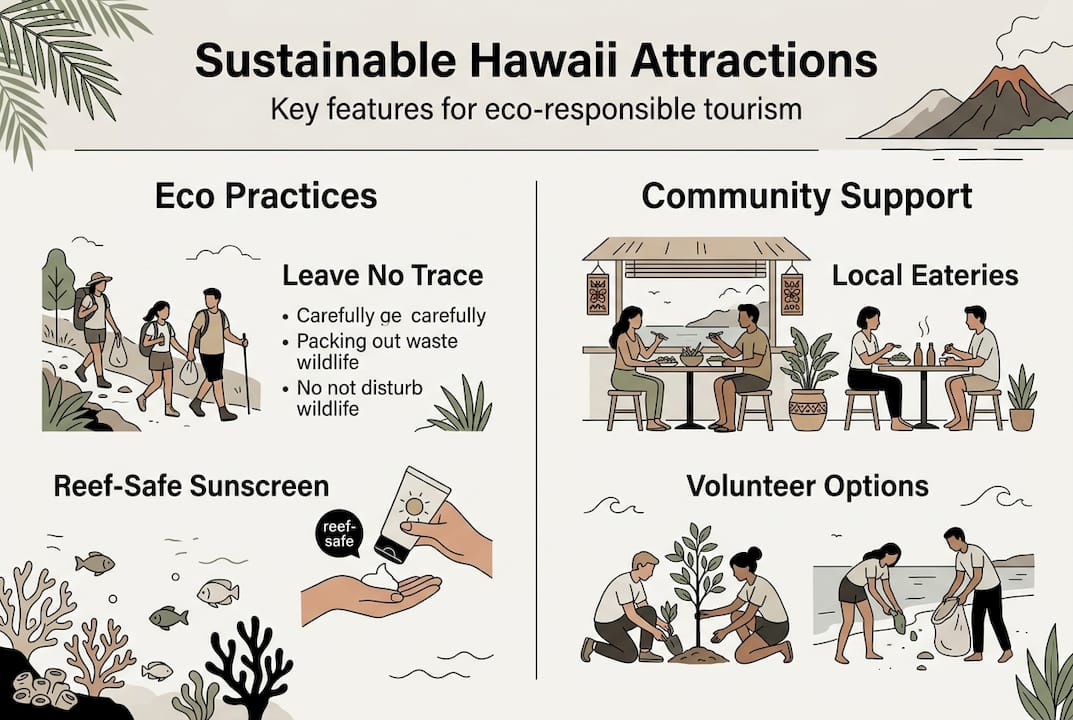
The Pono Pledge represents a visitor commitment to respectful behavior. By taking this pledge, you promise to respect Hawaiian culture, protect natural resources, and travel with aloha. It’s not legally binding but serves as a personal reminder of your responsibility as a guest in someone else’s home.
Pro Tip: Download the Pono Pledge app before your trip to access location-specific guidance on respectful behavior at different attractions throughout the islands.
Balancing visitor impact with cultural and environmental preservation
Methodologies include the Pono Pledge, regenerative tourism via Malama Hawaii, and reservation systems like at Hanauma Bay to limit overcrowding. Hawaii implements these tools to manage the delicate balance between welcoming visitors and protecting irreplaceable natural and cultural resources.
Reservation systems control visitor numbers at vulnerable sites. Hanauma Bay Nature Preserve now requires advance bookings and limits daily entries to 3,000 people, down from pre-pandemic peaks exceeding 10,000. This reduction allows coral reefs to recover from decades of sunscreen pollution and physical damage from snorkelers. Visitors enjoy less crowded conditions and better wildlife viewing.
The Hawaii Green Fee launches in 2026, charging visitors $50 per trip to fund conservation and cultural programs. Revenue supports trail maintenance, invasive species removal, and educational initiatives that benefit both residents and tourists. While some criticize the additional cost, others recognize it as a fair contribution to preserving the attractions you came to experience.
Regenerative tourism goes beyond sustainability by actively improving conditions. Malama Hawaii incentivizes visitors who volunteer for conservation work with perks like free hotel nights or discounted activities. You leave Hawaii better than you found it rather than simply minimizing harm. This shift transforms tourists from passive consumers into active stewards.
COVID-19 closures demonstrated nature’s resilience when visitor pressure eases. During 2020 shutdowns, endangered Hawaiian monk seals returned to beaches, sea turtle nesting increased, and water clarity improved dramatically. These changes proved that managing visitor numbers produces measurable environmental benefits. Reopening with stricter controls aimed to maintain some of these gains.
| Management tool | Purpose | Impact |
|---|---|---|
| Reservation systems | Limit daily visitors | Reduces overcrowding by 40-70% |
| Green Fee | Fund conservation | Generates $68 million annually |
| Pono Pledge | Encourage respectful behavior | Increases awareness of cultural norms |
| Certified eco-tours | Verify sustainable practices | Ensures operators meet environmental standards |
Fees and pledges work together to create accountability. The Green Fee provides tangible funding while the Pono Pledge establishes behavioral expectations. Combined, they shift tourism from an extractive industry to one that reinvests in Hawaii’s future. Your participation in these programs directly supports the places you love visiting.
Pro Tip: Book planning attraction itinerary Hawaii resources early to secure reservations at popular sites and avoid disappointment during peak seasons.
Engaging families with immersive sustainable experiences at Hawaiian attractions
For families, sustainable attractions offer farm-to-table experiences, local-sourced luaus, and kid-friendly conservation like beach cleanups aligned with Green Fee-supported activities. These hands-on opportunities teach children environmental stewardship while creating lasting memories rooted in Hawaiian culture.
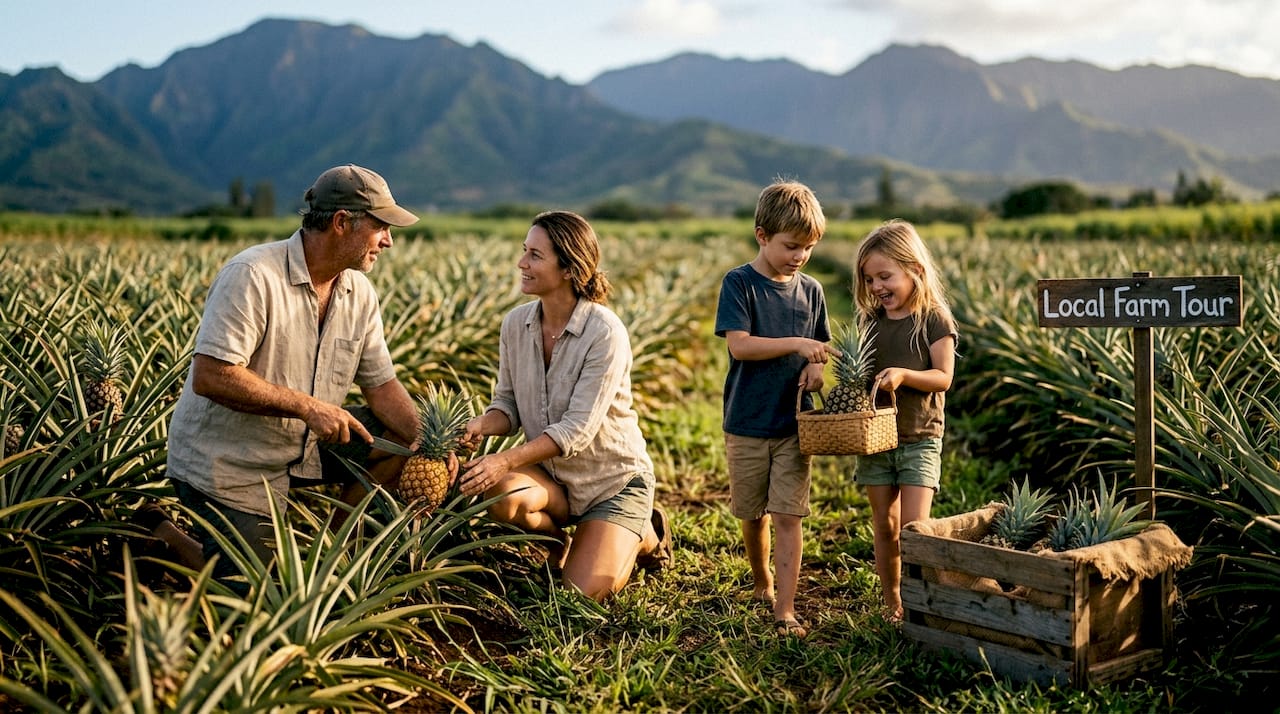
Farm-to-table tours connect families with Hawaii’s agricultural heritage. Visit working farms where kids pick tropical fruit, learn about taro cultivation, and understand how ancient Hawaiians developed sustainable farming systems. Many farms offer cooking classes using ingredients you just harvested, transforming abstract concepts into delicious, tangible experiences. Children remember these interactive lessons far longer than passive museum visits.
Authentic luaus hosted by local families provide cultural immersion beyond tourist shows. You share meals prepared using traditional methods, hear stories passed down through generations, and participate in activities like lei making and hula dancing. These intimate gatherings support Hawaiian families directly while giving you genuine insight into island culture. Kids especially love the hands-on crafts and interactive storytelling.
Beach cleanups turn conservation into family adventure. Organizations provide gloves, bags, and guidance while you comb shorelines collecting plastic debris. Children develop environmental awareness by seeing firsthand how human waste threatens marine life. Many programs end with educational talks about ocean ecology and the journey of plastic pollution. Your hour of work removes pounds of harmful materials from fragile ecosystems.
Follow these steps to maximize your family’s sustainable tourism impact:
- Research eco-certified attractions before booking to verify genuine sustainability commitments rather than greenwashing marketing.
- Pack reef-safe sunscreen containing zinc oxide or titanium dioxide instead of chemicals that bleach coral.
- Bring reusable water bottles, utensils, and shopping bags to minimize single-use plastic waste.
- Use public transportation or bike rentals when exploring urban areas to reduce carbon emissions.
- Ask questions at attractions about their conservation efforts to show demand for sustainable practices.
- Share your experiences on social media to inspire other families toward responsible travel choices.
Educational programs bridge visitors and residents through shared learning. The E-STEM initiative at several attractions offers interactive exhibits teaching Hawaiian ecology through science, technology, engineering, and math activities. Kids conduct water quality tests, examine marine specimens under microscopes, and participate in citizen science projects. These programs benefit local school groups while giving tourist families deeper engagement than typical sightseeing.
Interactive exhibits at places like the Waikiki Aquarium and Bishop Museum transform passive observation into active discovery. Touch tanks let children safely interact with sea creatures while learning proper handling techniques. Virtual reality experiences simulate diving with manta rays or exploring lava tubes without disturbing actual wildlife. Technology enhances rather than replaces authentic nature encounters.
The Green Fee specifically funds family-focused programs that might otherwise lack resources. New interpretive trails, junior ranger programs, and subsidized school field trips all receive support. When you pay the fee, you invest in educational things to do Hawaii that serve both tourists and residents. This shared benefit strengthens community support for tourism.
Many attractions now offer year-round family fun in Hawaii through seasonal programs highlighting different aspects of Hawaiian ecology and culture. Winter whale watching, spring bird nesting tours, summer tide pool exploration, and fall harvest festivals provide reasons to visit multiple times while learning about natural cycles. Repeat visitors develop deeper connections and greater respect for the islands.
Challenges and debates in sustainable tourism for Hawaii attractions
Tourism supports 21-25% of Hawaii’s economy but contributes to overcrowding and high living costs; regenerative tourism is promoted but faces criticism for fee hikes without clear benefits. These tensions create ongoing debates about tourism’s proper role in Hawaii’s future.
Economic dependence on tourism creates difficult tradeoffs. The industry employs over 200,000 residents and generates billions in tax revenue funding schools, roads, and public services. Yet this same economic engine drives housing costs beyond what service workers can afford, forcing families to leave ancestral lands. Balancing these competing interests challenges policymakers and community leaders.
Community concerns about overtourism intensify as visitor numbers climb. Neighborhoods see rental housing converted to vacation properties, reducing availability for residents. Popular hiking trails erode from excessive foot traffic. Beaches lose their peaceful character when packed with tourists. Locals question whether economic benefits justify these quality of life impacts.
Proposals like Mount Ka’ala gondola face community opposition due to concerns over non-agricultural impact on rural areas. The project would bring thousands of daily visitors to a currently remote mountain sacred to Native Hawaiians. Developers promise economic benefits and conservation funding, but residents fear cultural desecration and environmental damage. This controversy illustrates broader tensions between tourism expansion and cultural preservation.
| Perspective | Economic view | Environmental view | Cultural view |
|---|---|---|---|
| Pro-tourism | Jobs and tax revenue | Funds conservation programs | Shares Hawaiian culture globally |
| Anti-tourism | Benefits don’t reach locals | Damages ecosystems | Commodifies sacred traditions |
| Regenerative | Visitors contribute to restoration | Improves environmental health | Deepens cultural understanding |
Regenerative tourism fees spark debate about effectiveness and equity. Supporters argue visitors should pay for impacts and restoration. Critics note fees burden budget travelers while wealthy tourists barely notice the cost. Questions arise about whether collected funds actually reach conservation projects or disappear into general budgets. Transparency and accountability remain ongoing concerns.
Some residents advocate for reducing rather than managing tourism. They point to pandemic-era environmental recovery as proof that fewer visitors benefit Hawaii. Others counter that economic realities make tourism reduction impractical without alternative industries. This fundamental disagreement shapes policy debates and community planning discussions.
“We need tourism that gives back more than it takes. Not just less harmful, but actively healing. That’s the shift from sustainable to regenerative.”
Different stakeholder groups prioritize different outcomes. Hotel owners emphasize economic growth and employment. Environmental groups focus on ecosystem protection. Native Hawaiian organizations center cultural preservation and sovereignty. Finding solutions satisfying all perspectives requires ongoing dialog and compromise. Your awareness of these tensions helps you make thoughtful choices as a visitor.
Visible results matter for maintaining public support. When visitors see their Green Fee dollars funding new trails, restored reefs, and cultural programs, they feel good about contributing. When results remain invisible or questionable, resentment builds. Attractions that clearly communicate how tourism revenue supports conservation and culture build stronger community relationships.
Choosing cultural entertainment Hawaii options that respect rather than exploit traditions demonstrates your commitment to responsible tourism. Support attractions owned by Native Hawaiians, employ local staff, and share authentic rather than commercialized culture. Your patronage decisions influence which businesses thrive and what kind of tourism Hawaii develops.
Explore Hawaii sustainably with Flight Of Aloha
Your commitment to sustainable tourism deserves attractions that share those values. Flight Of Aloha offers an immersive flying theater experience blending cutting-edge technology with deep respect for Hawaiian culture and environment. Our 8K visuals, motion effects, and sensory elements transport you across the islands while our stories honor Hawaiian legends and traditions passed down through generations.

We believe tourism should educate and inspire, not exploit. Every ride film teaches about Hawaii’s natural wonders and cultural heritage while our operations minimize environmental impact through energy-efficient systems and local partnerships. When you visit Flight Of Aloha, you support a locally-owned attraction committed to giving back to the community we serve. Our packages make it easy to plan your attraction itinerary in Hawaii around sustainable choices that enhance your Hawaii trip with meaningful cultural connections. Experience the islands responsibly while creating memories your family will treasure forever.
Frequently asked questions
How can tourists support sustainable tourism when visiting Hawaii attractions?
Use reef-safe sunscreen, bring reusable water bottles and bags, choose public transportation, and respect cultural sites by following posted guidelines. Participate in programs like Malama Hawaii that offer volunteer opportunities or select eco-certified tours verified by third-party organizations. Your daily choices accumulate into significant positive impact when multiplied across millions of visitors.
What are the most family-friendly sustainable activities in Hawaiian attractions?
Farm-to-table tours, locally-sourced luaus, interactive nature programs, and organized beach cleanups engage children while teaching environmental stewardship. Educational exhibits at aquariums and museums offer hands-on learning about Hawaiian ecosystems. Many sites provide junior ranger programs and citizen science projects where kids contribute to real conservation research while having fun.
Why is crowd management important in sustainable tourism for Hawaii?
Limiting visitor numbers reduces environmental degradation like coral reef damage, trail erosion, and wildlife disturbance that occur when sites exceed carrying capacity. Smaller crowds enhance your experience by preventing overcrowding, reducing wait times, and preserving the peaceful atmosphere that makes Hawaii special. Reservation systems protect both the environment and visitor satisfaction.
Does the Hawaii Green Fee actually fund conservation projects?
The Green Fee generates approximately $68 million annually dedicated to trail maintenance, invasive species removal, cultural site preservation, and educational programs. Specific projects include restoring native forests, monitoring endangered species, and supporting community-based conservation initiatives. Transparency reports detail how funds are allocated, though some critics argue for more visible results and local control over spending priorities.
How do I find authentic cultural experiences instead of tourist traps?
Look for attractions owned and operated by Native Hawaiians, ask locals for recommendations, and research whether programs employ Hawaiian cultural practitioners as educators. Authentic experiences prioritize education and respect over entertainment spectacle, involve smaller group sizes, and often cost more because they pay fair wages to cultural experts. Read reviews mentioning cultural accuracy and meaningful engagement rather than just fun factor.