
Story-Driven Tourism: Transforming Family Travel

Most American families traveling to Kailua-Kona find that traditional tours rarely keep their kids engaged for long. Children aged 5 to 15 crave adventures that mix hands-on fun with stories they can remember long after the vacation ends. Nearly 80 percent of parents say experiences rooted in local culture create stronger family memories than typical sightseeing. Discover how story-driven tourism in Kailua-Kona brings Hawaiian legends and community traditions to life, offering families immersive experiences that blend entertainment with unforgettable learning.
Table of Contents
- Story-Driven Tourism Explained and Defined
- Key Types and Formats for Visitors
- How Story-Driven Tourism Engages Families
- Essential Features of Immersive Storytelling
- Benefits, Costs, and What to Avoid
Key Takeaways
| Point | Details |
|---|---|
| Story-driven tourism enriches travel experiences | This approach immerses travelers in local narratives, fostering authentic connections with cultures and environments. |
| Engagement through varied formats is essential | Utilizing interactive, multimedia, and personalized storytelling formats enhances visitor engagement and caters to diverse learning styles. |
| Family experiences benefit particularly from storytelling | Narrative-driven tourism creates opportunities for families to bond and learn together, bridging generational gaps through shared experiences. |
| Balancing benefits and risks is crucial | While story-driven tourism offers deep cultural engagement, it is vital to ensure authenticity and avoid oversimplification or commodification of cultures. |
Story-Driven Tourism Explained and Defined
Story-driven tourism represents a transformative approach to travel that goes beyond traditional sightseeing by immersing visitors in rich, contextual narratives that connect them deeply with local cultures and landscapes. Emerging research on experiential tourism reveals this approach is driven by three fundamental shifts: technological innovation, changing visitor expectations, and a growing desire for authentic cultural experiences.
At its core, story-driven tourism transforms destinations from mere geographic locations into living, breathing narratives where travelers become active participants rather than passive observers. This approach leverages multimedia storytelling techniques, interactive experiences, and cultural interpretation to help visitors understand the deeper meanings behind places, traditions, and historical contexts. Hawaiian stories offer profound insights into how indigenous narratives can create meaningful connections between travelers and local environments.
The evolution of story-driven tourism reflects broader changes in traveler motivations. Modern tourists increasingly seek experiences that provide emotional resonance, personal growth, and genuine cultural understanding. This shift moves beyond traditional tourism models of passive consumption, instead creating immersive journeys that engage multiple senses and intellectual curiosity. By weaving together historical context, personal stories, and interactive elements, destinations can create powerful, memorable experiences that transcend typical tourist encounters.
Pro tip: When planning a story-driven travel experience, research the local cultural narratives beforehand and seek out guided experiences or interactive exhibits that provide deeper contextual understanding of the destination.
Key Types and Formats for Visitors
Story-driven tourism offers a diverse range of formats designed to engage visitors through immersive narrative experiences. Systematic research on destination storytelling reveals multiple distinctive approaches that transform traditional travel into meaningful cultural journeys. These formats can be broadly categorized into interactive, digital, personal, and contextual storytelling experiences that cater to different traveler preferences and learning styles.
The primary types of story-driven tourism experiences include multimedia narrative formats, which leverage cutting-edge technologies to create engaging visitor encounters. Contemporary tourism storytelling techniques encompass several innovative approaches such as virtual reality simulations, interactive digital exhibits, augmented reality guides, and personalized audio-visual narratives. These formats allow travelers to explore destinations through multiple sensory channels, transforming passive observation into active cultural exploration.
Each storytelling format offers unique advantages for different visitor demographics. Cultural heritage sites might employ immersive video presentations that reconstruct historical moments, while natural landscapes could use interactive digital maps revealing ecological narratives. Some experiences blend personal testimonies with technological interventions, creating multidimensional storytelling environments that connect visitors emotionally and intellectually with their destination. The most successful approaches integrate local perspectives, authentic narratives, and interactive elements to create memorable, transformative travel experiences.
The following table summarizes how different types of story-driven tourism formats serve various visitor preferences:
| Storytelling Format | Ideal For | Example Experience |
|---|---|---|
| Virtual Reality | Tech-savvy travelers | Historic battle simulation |
| Interactive Exhibits | Families, learners | Hands-on cultural displays |
| Augmented Reality Guides | Explorers, teens | Nature trail overlays |
| Personalized Audio Narratives | Solo visitors | Local legends via app |
Pro tip: When selecting a story-driven tourism experience, prioritize formats that offer multiple engagement levels and allow you to interact with narratives through different sensory and technological channels.
How Story-Driven Tourism Engages Families
Family tourism research reveals a profound transformation in how families experience travel through narrative-driven experiences. Storytelling has emerged as a powerful mechanism for creating meaningful connections, transforming vacations from simple sightseeing trips into immersive journeys of collective memory-making and emotional engagement. These experiences go beyond traditional entertainment, offering families unique opportunities to learn, bond, and create lasting shared memories.
The educational and emotional dimensions of story-driven tourism are particularly significant for family travelers. Child-focused tourism research demonstrates that narrative-based experiences can enhance learning, develop empathy, and create inclusive travel environments that cater to different age groups. By presenting destinations through compelling stories, families can explore complex cultural and historical contexts in ways that are both accessible and engaging for children and adults alike. Interactive storytelling formats allow each family member to participate actively, transforming passive observation into collaborative learning and discovery.
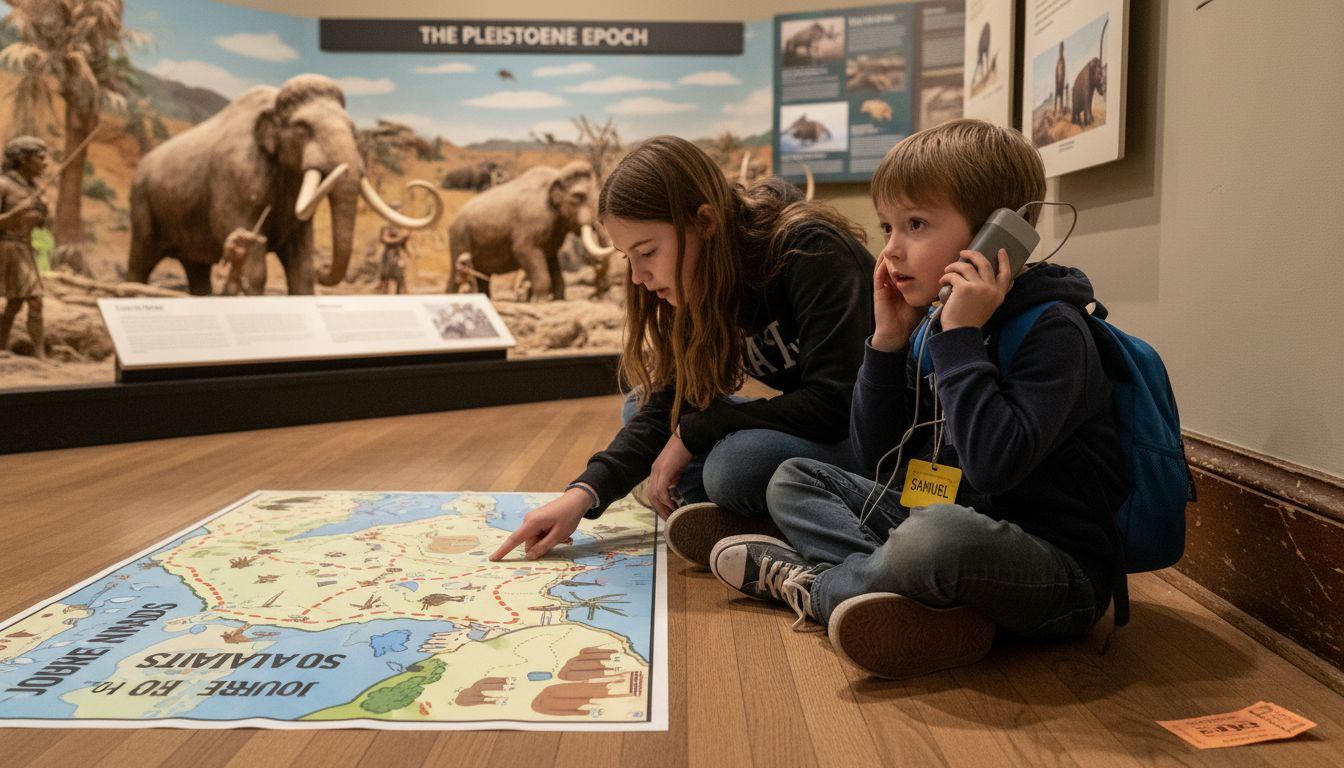
Multigenerational experiences represent a critical aspect of story-driven tourism, bridging generational gaps through shared narrative experiences. Multigenerational travel strategies enable families to connect across different age groups by providing narratives that resonate with varied interests and comprehension levels. Whether through historical reenactments, cultural demonstrations, or technology-enhanced storytelling, these experiences create opportunities for grandparents, parents, and children to engage together, fostering deeper understanding and appreciation of destinations.
Pro tip: When planning a family trip, prioritize destinations and attractions that offer multilayered storytelling experiences with interactive elements that can engage family members of different ages and interests.
Essential Features of Immersive Storytelling
Comprehensive tourism research reveals that immersive storytelling represents a sophisticated approach to creating deeply engaging travel experiences. At its core, this approach integrates multiple sensory and technological elements to transform traditional narrative consumption into an interactive, multidimensional journey. By combining advanced technologies like extended reality (XR), interactive narratives, and environmental stimulation, immersive storytelling transcends conventional tourism experiences, offering visitors unprecedented levels of engagement and emotional connection.
The essential features of immersive storytelling are characterized by their ability to create holistic, participatory experiences. These features typically include sophisticated technological integrations, such as augmented reality overlays, interactive digital interfaces, and sensory stimulation techniques that engage multiple human perceptions simultaneously. Visitors are no longer passive observers but active participants in unfolding narratives, with storytelling approaches designed to create emotional resonance, intellectual stimulation, and personal transformation. The most effective immersive experiences seamlessly blend historical accuracy, cultural authenticity, and cutting-edge technological innovations.
Technological diversity plays a crucial role in creating compelling immersive experiences. Family-friendly attraction strategies demonstrate that successful storytelling requires carefully curated narrative approaches that can adapt to different audience demographics. This might include interactive touchscreens for children, sophisticated augmented reality experiences for adults, and multilingual audio guides that provide contextual depth. The goal is to create a layered storytelling environment where each visitor can find their unique point of engagement, making the experience both personally meaningful and universally accessible.
Pro tip: When evaluating immersive storytelling experiences, assess the technological diversity, narrative complexity, and interactive potential to ensure a truly engaging visitor journey.
Benefits, Costs, and What to Avoid
Global tourism research reveals that story-driven tourism offers substantial benefits while simultaneously presenting complex challenges that require careful navigation. Experiential tourism provides transformative opportunities for travelers, enabling deep cultural connections and personal growth, but demands thoughtful implementation to avoid potential negative consequences. The most successful approaches balance economic opportunities with cultural preservation, ensuring that storytelling experiences remain authentic and sustainable.
Cost-benefit analysis in tourism highlights several critical considerations for potential travelers and destination managers. Benefits include enhanced visitor engagement, educational value, and economic opportunities for local communities. However, potential risks involve potential cultural misrepresentation, environmental strain, and the commodification of indigenous narratives. Travelers should seek experiences that demonstrate genuine respect for local traditions, prioritize community involvement, and minimize ecological impact. The most responsible story-driven tourism models create mutually beneficial exchanges that empower local populations while providing meaningful experiences for visitors.
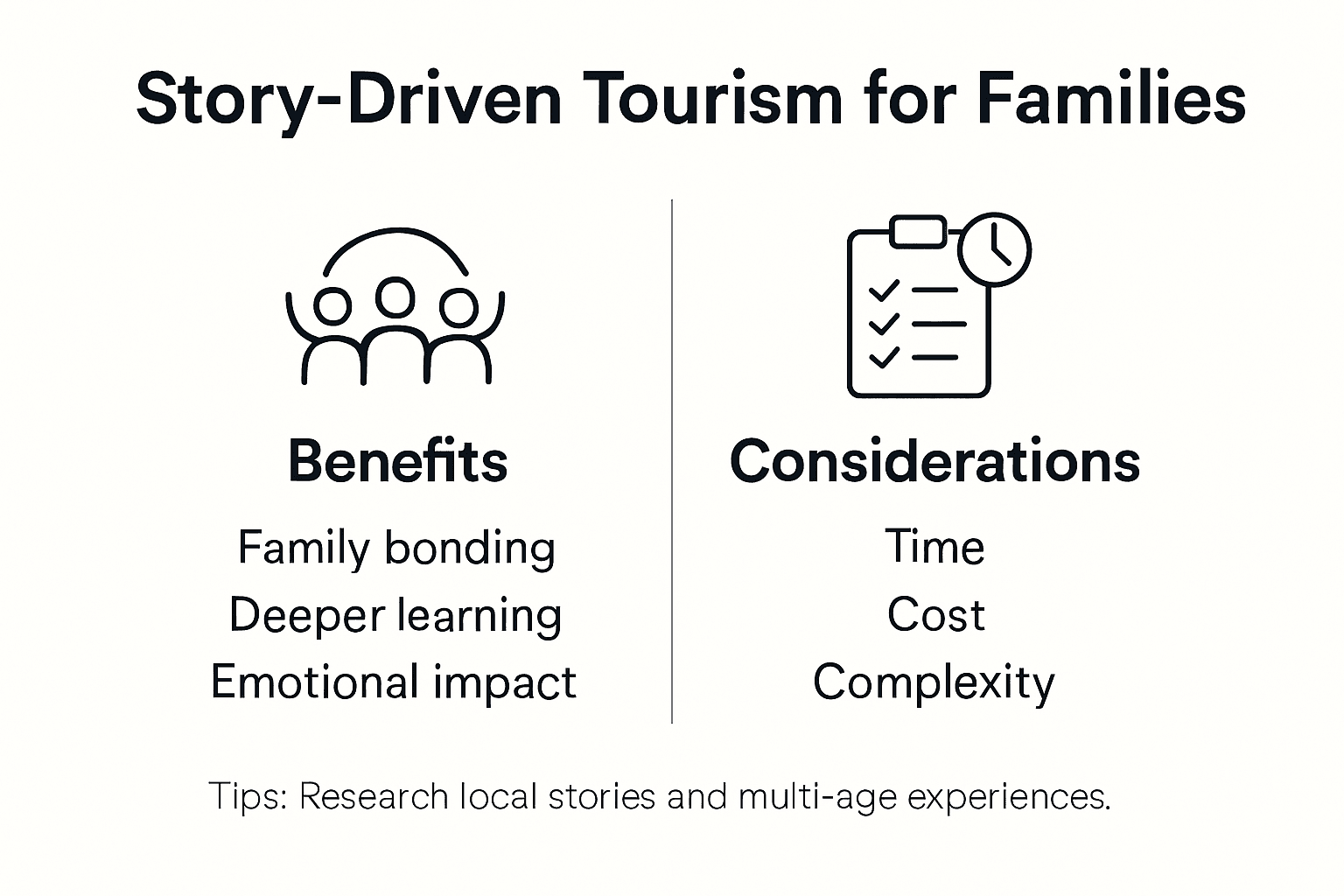
Navigating the complex landscape of immersive storytelling requires strategic decision-making. Family-friendly attraction strategies suggest prioritizing experiences that offer multilayered narratives, technological diversity, and inclusive storytelling approaches. Key warning signs to avoid include oversimplified cultural representations, experiences that feel performative or inauthentic, and attractions that prioritize entertainment over genuine cultural understanding. The most compelling story-driven tourism experiences create space for nuanced, respectful cultural exchange, allowing travelers to develop deeper, more meaningful connections with destinations.
Below is a comparison of benefits and risks when choosing story-driven tourism experiences:
| Aspect | Benefit | Risk |
|---|---|---|
| Cultural Connection | Promotes deeper understanding | Possible misrepresentation |
| Economic Impact | Supports local communities | May drive over-commercialization |
| Environmental Effects | Encourages conservation awareness | Risk of ecological strain |
| Visitor Engagement | Increases emotional connection | Can become performative |
Pro tip: Always research the cultural context and community involvement behind storytelling experiences, prioritizing attractions that demonstrate genuine commitment to cultural authenticity and local empowerment.
Experience Story-Driven Family Travel Like Never Before
The challenge families face today is finding travel experiences that engage all ages while delivering authentic cultural storytelling that fosters connection and lasting memories. This article highlights how story-driven tourism transforms trips into immersive journeys filled with emotional resonance and personal growth. At Flight of Aloha, we take this principle to new heights by blending immersive 8K visuals, motion effects, scents, and wind to simulate flying above the breathtaking landscapes of Hawaii. Our attraction connects you to Hawaiian legends such as “Naupaka” and “Lahaina” offering a multisensory experience that transcends typical sightseeing and invites your entire family to be active participants in a living story.

Discover the perfect family-friendly storytelling adventure designed to engage every generation. Explore the unique narratives and immersive ride films that deepen your cultural understanding while creating unforgettable shared moments. Don’t wait to transform your next family vacation into a powerful journey of discovery and emotional connection. Visit Flight of Aloha now to book your immersive experience. Learn more about our VIP experiences and annual passes to get the most out of your visit and create memories that last a lifetime.
Frequently Asked Questions
What is story-driven tourism?
Story-driven tourism is an immersive travel approach that connects visitors with local cultures and landscapes through rich narratives, transforming traditional sightseeing into engaging, participatory experiences.
How does story-driven tourism benefit family travelers?
Story-driven tourism enhances family travel by providing unique opportunities for collective memory-making, emotional engagement, and educational experiences that appeal to various age groups within the family.
What types of storytelling formats are available in story-driven tourism?
Story-driven tourism includes various formats such as virtual reality experiences, interactive exhibits, augmented reality guides, and personalized audio narratives, catering to different visitor preferences and learning styles.
What should families consider when planning a story-driven tourism experience?
Families should prioritize destinations that offer multilayered storytelling experiences with interactive elements, ensuring that activities engage all members across different ages and interests.
Recommended
- Why Family Attractions Matter For Vacation Fun | Flight Of Aloha
- Interactive Tourism: How It Elevates Visitor Engagement | Flight Of Aloha
- What Is Experiential Tourism? Complete 2024 Overview | Flight Of Aloha
- Why Try New Attractions: Enrich Your Kona Vacation | Flight Of Aloha
- Why Americans Love Oxford Tours – British Magic Unveiled – Walking tours of oxford