
Tourism Innovation: Transforming Visitor Experiences

Most American families searching for unforgettable adventures in Hawaii are surprised to discover that over 60 percent of visitors now seek cultural immersion over conventional sightseeing. This matters because Kailua-Kona offers experiential attractions where interactive innovation meets authentic Hawaiian traditions. Families looking to blend discovery with memorable entertainment will find insider tips on unique activities that go far beyond typical tourist options.
Table of Contents
- Core Definition And Common Misconceptions
- Types Of Tourism Innovation Explained
- How Innovation Enhances Visitor Experiences
- Technology’s Role In Sustainable Tourism
- Barriers, Risks, And Success Factors
Key Takeaways
| Point | Details |
|---|---|
| Authentic Tourism Innovation | True tourism innovation goes beyond technology to involve sustainable practices, community engagement, and strategic adaptability. |
| Types of Innovation | Four main categories drive transformation: technological, organizational, service-based, and sustainability innovations, each impacting industry practices. |
| Visitor Experience Enhancement | Innovations create personalized, engaging experiences, moving away from traditional service models to meaningful interactions. |
| Barriers and Success Factors | Effective tourism innovation requires addressing financial, organizational, and market challenges while fostering collaboration and adaptability. |
Core Definition and Common Misconceptions
Tourism innovation represents a dynamic and multifaceted approach to transforming visitor experiences far beyond simple technological upgrades. Comprehensive innovation frameworks reveal a complex landscape where technological, economic, social, and cultural dimensions intersect to create transformative travel encounters.
Traditionally, many organizations misunderstand tourism innovation as merely implementing new digital technologies or updating physical infrastructure. However, true innovation encompasses a broader spectrum of strategic adaptations. Systemic tourism innovation involves fundamental shifts in how destinations conceive, design, and deliver experiences, integrating multiple stakeholder perspectives and addressing complex visitor needs.
Key characteristics of authentic tourism innovation include:
- Collaborative approaches across public and private sectors
- Sustainability as a core design principle
- Cultural sensitivity and local community engagement
- Adaptive strategies responsive to changing market dynamics
- Holistic integration of technological and human-centered solutions
Technological innovation alone cannot guarantee transformative visitor experiences. Successful tourism innovation requires a nuanced understanding of cultural context, visitor expectations, and systemic interconnections between technology, human behavior, and environmental considerations.
Pro tip: When evaluating tourism innovations, look beyond surface-level technological upgrades and assess the deeper strategic and experiential transformations they enable.
Types of Tourism Innovation Explained
Tourism innovation encompasses multiple interconnected dimensions that collectively transform visitor experiences and industry practices. Comprehensive innovation typologies reveal a nuanced landscape where technological, organizational, and experiential innovations converge to create dynamic travel solutions.
Four primary categories of tourism innovation emerge as critical drivers of transformation:
- Technological Innovation
- Advanced digital platforms
- Virtual and augmented reality experiences
- Artificial intelligence applications
- Smart destination technologies
- Organizational Innovation
- Novel management approaches
- Cross-sector collaboration strategies
- Adaptive business models
- Stakeholder engagement frameworks
- Service-Based Innovation
- Personalized visitor experiences
- Immersive cultural interactions
- Customized travel packages
- Enhanced customer journey design
- Sustainability Innovation
- Eco-friendly destination practices
- Carbon-neutral tourism initiatives
- Conservation-focused experiences
- Community-driven environmental programs
Each innovation type plays a crucial role in reimagining tourism experiences, addressing complex challenges while creating more engaging, responsible, and transformative travel opportunities. The interconnectedness of these innovation types ensures a holistic approach to destination development and visitor engagement.
Here’s a summary comparing the four main types of tourism innovation and their industry impact:
| Innovation Type | Core Focus | Example Benefit | Industry Impact |
|---|---|---|---|
| Technological | Digital advancements | Streamlined booking | Improved efficiency |
| Organizational | Management strategies | Enhanced stakeholder relations | Greater operational agility |
| Service-Based | Experience design | Tailored travel programs | Increased visitor satisfaction |
| Sustainability | Eco-friendly practices | Reduced carbon footprint | Long-term destination health |
Pro tip: When assessing tourism innovations, evaluate their potential impact across multiple dimensions, not just technological capabilities.
How Innovation Enhances Visitor Experiences
Innovation fundamentally transforms tourism by creating more personalized, engaging, and meaningful travel experiences that transcend traditional service models. Digital transformation strategies are revolutionizing how travelers interact with destinations, enabling unprecedented levels of customization and immersion.
Key mechanisms through which innovation enhances visitor experiences include:
-
Personalization Technologies
- AI-driven recommendation systems
- Adaptive travel planning platforms
- Real-time personalized content delivery
-
Immersive Interaction Capabilities
- Augmented reality destination guides
- Interactive cultural storytelling experiences
- Contextual information overlays
-
Convenience and Accessibility Improvements
- Seamless digital booking processes
- Mobile-first destination navigation
- Multilingual communication support
These innovations collectively create dynamic visitor interactions that respond dynamically to individual preferences, transforming passive tourism consumption into active, personalized experiences. By leveraging advanced technologies, destinations can now craft experiences that feel uniquely tailored to each traveler’s interests, background, and expectations.
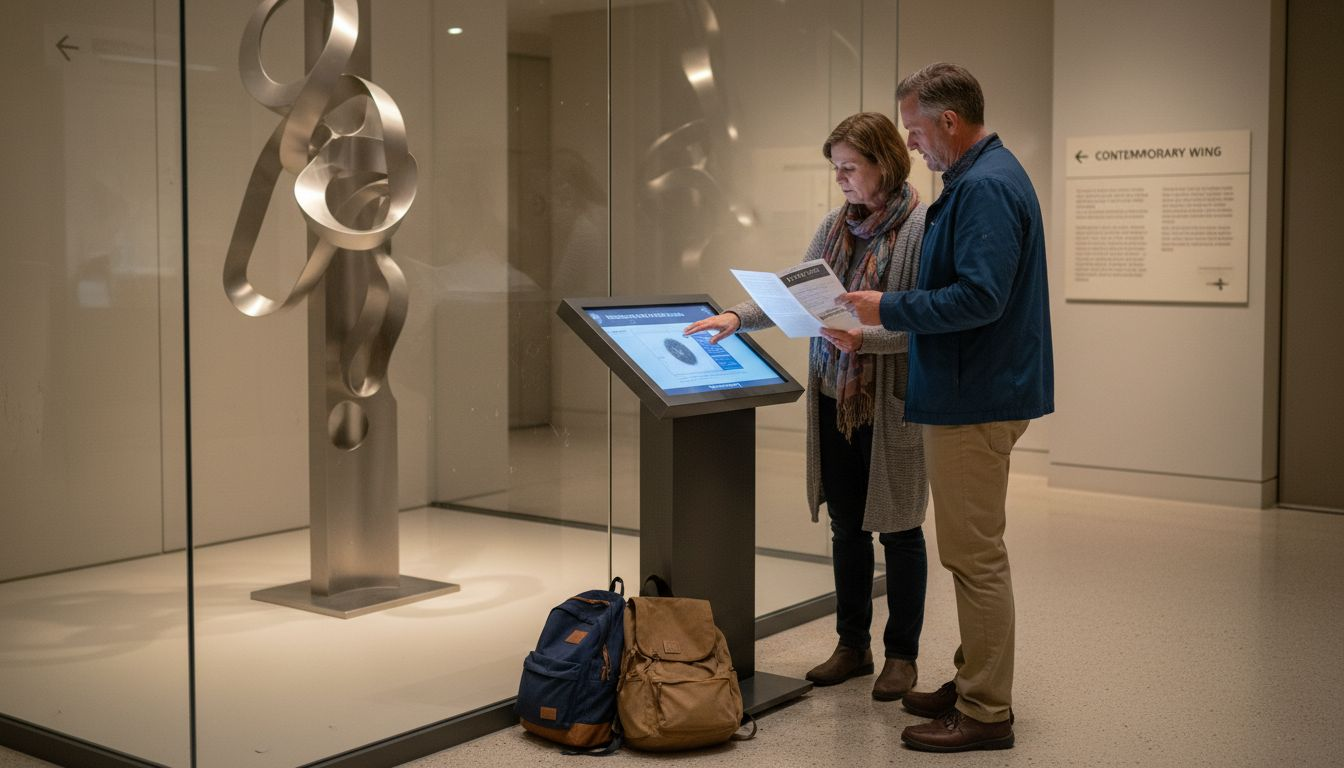
Modern tourism innovation goes beyond technological implementation, focusing on creating meaningful connections that make travelers feel genuinely understood and valued. This approach represents a paradigm shift from standardized services to deeply personalized, context-aware travel experiences.
Pro tip: Always evaluate tourism innovations based on their ability to create emotional connections, not just their technological sophistication.
Technology’s Role in Sustainable Tourism
Technology has emerged as a transformative force in sustainable tourism, providing unprecedented tools to monitor, manage, and mitigate environmental impacts while creating more responsible travel experiences. Sustainable tourism technologies are revolutionizing how destinations approach ecological preservation and resource management.
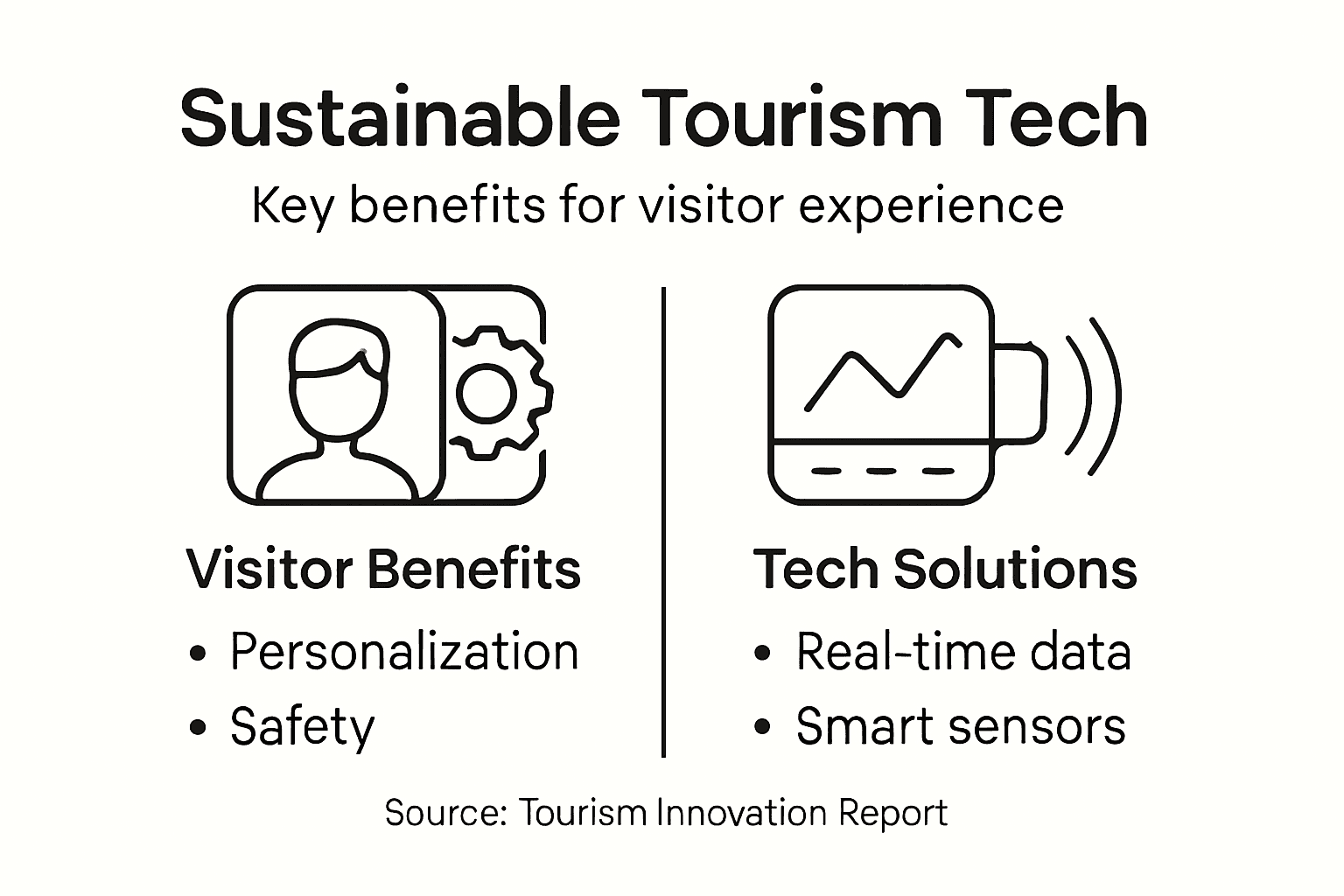
Key technological innovations driving sustainable tourism include:
Environmental Monitoring Technologies
- Internet of Things (IoT) sensor networks
- Real-time carbon footprint tracking systems
- Satellite-based ecosystem monitoring platforms
- Climate impact assessment tools
Resource Management Solutions
- Smart energy consumption tracking
- Waste reduction and recycling optimization systems
- Water conservation digital platforms
- Renewable energy integration technologies
Traveler Engagement Innovations
- Eco-friendly travel recommendation algorithms
- Sustainable destination rating systems
- Carbon offset calculation tools
- Interactive environmental education platforms
These technological interventions support responsible tourism practices by providing data-driven insights that enable more informed, environmentally conscious decision-making. By transforming complex ecological data into actionable information, technology empowers both travelers and destination managers to make more sustainable choices.
The future of tourism lies in leveraging technology not just as a tool for efficiency, but as a strategic mechanism for environmental stewardship and responsible global exploration.
Pro tip: Look for destinations and travel experiences that transparently integrate technology-driven sustainability metrics into their operational model.
Barriers, Risks, and Success Factors
Tourism innovation confronts complex challenges that require strategic navigation and sophisticated understanding. Systematic innovation barriers reveal multifaceted obstacles that organizations must systematically address to successfully transform visitor experiences.
Primary Barriers in Tourism Innovation
-
Financial Constraints
- Limited investment capital
- High implementation costs
- Uncertain return on innovation investments
-
Organizational Resistance
- Cultural inertia
- Fear of technological disruption
- Skill gaps in digital competencies
Key Risks to Consider
-
Technological Implementation Risks
- System integration challenges
- Potential technological failures
- Data security vulnerabilities
-
Market Adaptation Risks
- Misalignment with visitor expectations
- Rapid technological obsolescence
- Innovation fatigue
Critical Success Factors
- Robust stakeholder collaboration strategies
- Flexible and adaptive organizational culture
- Continuous learning and skill development
- Strategic alignment with sustainability goals
- Multi-dimensional innovation approaches
Successful tourism innovation requires a holistic approach that balances technological capabilities, organizational readiness, and visitor-centric design. Organizations must develop comprehensive strategies that address potential barriers while remaining agile and responsive to emerging market dynamics.
This table outlines distinctive barriers, risks, and success strategies in tourism innovation:
| Challenge Area | Typical Barrier | Common Risk | Success Strategy |
|---|---|---|---|
| Financial | Limited funding | Uncertain ROI | Targeted innovation investment |
| Organizational | Change resistance | Skill gaps | Employee upskilling and culture |
| Market | Misaligned offerings | Rapid tech changes | Continuous market analysis |
| Sustainability | Short-term focus | Neglected environmental needs | Integrated long-term goals |
Pro tip: Create a dedicated innovation task force with cross-functional representation to systematically identify and mitigate potential barriers before full-scale implementation.
Experience True Tourism Innovation with Flight of Aloha
The article highlights how authentic tourism innovation goes beyond technology alone to create deeply personalized and culturally rich visitor experiences. If you are seeking to engage with immersive storytelling rooted in Hawaiian legends and want a dynamic adventure that combines 8K visuals, motion effects, and sensory elements like wind and scents, Flight of Aloha offers a unique solution. This attraction successfully integrates cultural sensitivity and immersive interaction capabilities to transform traditional tourism into a memorable journey that connects you emotionally to Hawaiis beauty and heritage.
Discover how innovation enhances visitor engagement by exploring our detailed ride films like “Naupaka” and “Lahaina” and choose from our VIP packages or annual passes that tailor your experience to your interests. For those ready to embrace sustainable and meaningful travel experiences that align with modern tourism innovation principles, Flight of Aloha invites you to step into a world where technology meets heartfelt storytelling.
Unlock a new level of Hawaiian adventure now

Ready to experience immersive tourism innovation firsthand Visit Flight of Aloha to book your tickets today Explore our VIP experiences or learn more about what makes our Hawaiian flying theater a top thing to do in Kailua-Kona. Dive into a culturally rich and technologically advanced visit that only Flight of Aloha can offer and create unforgettable memories rooted in aloha.
Frequently Asked Questions
What is tourism innovation?
Tourism innovation refers to a dynamic approach that transforms visitor experiences through multiple dimensions including technological advancements, organizational change, and sustainability practices, rather than simple technological upgrades.
How does innovation enhance visitor experiences in tourism?
Innovation enhances visitor experiences by creating personalized, engaging, and meaningful travel encounters that leverage advanced technologies, such as AI and virtual reality, to cater to individual preferences and needs.
What are the key types of tourism innovation?
The four main types of tourism innovation include technological innovation, organizational innovation, service-based innovation, and sustainability innovation, each addressing different aspects of visitor experience and industry practices.
What challenges do organizations face in implementing tourism innovation?
Organizations often encounter barriers such as financial constraints, organizational resistance, and technological implementation risks, which can hinder successful innovation unless systematically addressed.