
Visitor Workflow for Tourists: Enhancing Immersion
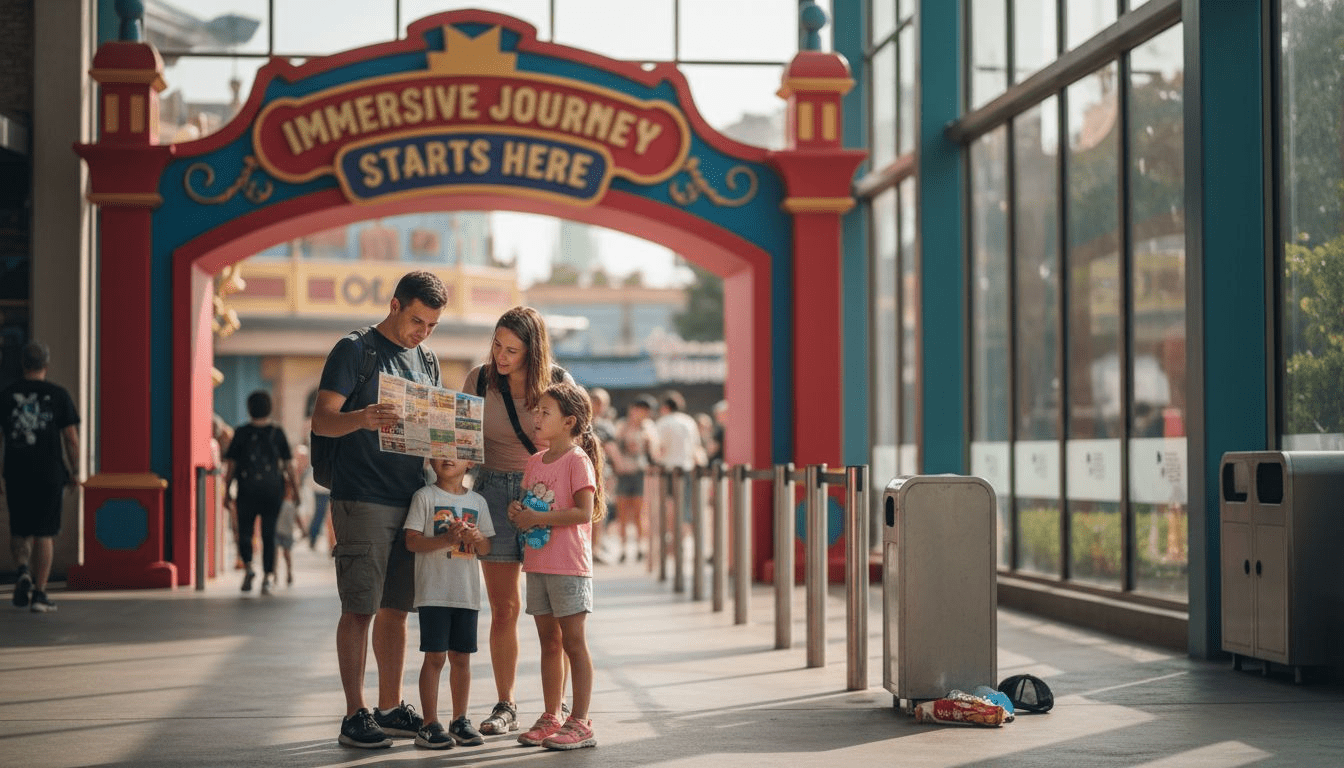
Every American family visiting Kailua-Kona discovers that true cultural immersion goes far beyond standard sightseeing. Nearly 80 percent of international tourists now seek experiences that blend advanced technology with authentic Hawaiian storytelling. Understanding the visitor journey can turn an ordinary trip into an unforgettable adventure, helping families and travelers engage deeply with the local spirit while exploring one-of-a-kind attractions designed for interactive discovery.
Table of Contents
- Defining Visitor Workflow For Tourists
- Stages Of The Immersive Attraction Journey
- Digital Booking And Pre-Arrival Steps
- Onsite Guest Experience And Orientation
- Cultural Storytelling And Sensory Engagement
- Safety, Accessibility, And Common Pitfalls
Key Takeaways
| Point | Details |
|---|---|
| Visitor Workflow Stages | Understanding stages like pre-trip research and post-experience reflection allows for enhanced tourist engagement and satisfaction. |
| Personalization in Experiences | Effective visitor workflows should prioritize flexibility and personalization to meet diverse traveler needs and preferences. |
| Cultural Storytelling | Integrating narrative elements with sensory engagement enriches visitor experiences, fostering deeper emotional and intellectual connections. |
| Safety and Accessibility | Comprehensive safety and accessibility strategies are essential for creating inclusive experiences that welcome all visitors. |
Defining Visitor Workflow for Tourists
A visitor workflow represents the comprehensive journey travelers experience from initial planning through post-visit reflection. Understanding this workflow helps tourism destinations design more engaging and seamless experiences. Spatial and behavioral dimensions play critical roles in mapping how tourists interact with destinations.
The visitor workflow typically encompasses multiple interconnected stages. These include pre-trip research, arrival and orientation, site exploration, interaction with attractions, and post-experience evaluation. Each stage presents unique opportunities for enhancing tourist engagement and satisfaction. Modern tourism strategies focus on creating smooth transitions between these stages, minimizing friction and maximizing enjoyment.
Tourist workflows are not uniform but vary based on individual preferences, cultural backgrounds, and destination characteristics. Comprehensive tourist experience frameworks highlight that effective workflow design requires deep understanding of diverse visitor motivations and expectations. Key elements include intuitive navigation, cultural interpretation, personalized experiences, and seamless technological integration.
Successful visitor workflows transform traditional tourism from passive observation to active participation. They encourage deeper connections with destinations by creating narrative-driven, immersive experiences that resonate on emotional and intellectual levels.
Here’s a summary of key stages and their objectives in the modern visitor workflow:
| Stage | Main Objective | Typical Tools/Features |
|---|---|---|
| Pre-Trip Research | Build anticipation and awareness | Online previews, reviews, itineraries |
| Booking & Pre-Arrival | Streamline planning and inform | Digital reservations, chatbots |
| Arrival & Orientation | Facilitate smooth entry and setup | Wayfinding apps, welcome centers |
| Engagement & Exploration | Foster interaction and immersion | Interactive exhibits, live guides |
| Post-Experience Reflection | Encourage feedback and loyalty | Surveys, loyalty programs |
Pro tip: When designing visitor workflows, prioritize flexibility and personalization to accommodate diverse traveler needs and preferences.
Stages of the Immersive Attraction Journey
The immersive attraction journey represents a carefully choreographed experience that transforms tourists from passive observers into active participants. Transformative travel experiences unfold through distinct stages that engage visitors emotionally, socially, and behaviorally, creating memorable interactions beyond traditional tourism models.
Typically, the immersive attraction journey consists of several interconnected phases. The initial stage involves pre-arrival anticipation and digital research, where travelers gather information and build expectations. During arrival and orientation, visitors receive contextual information that frames their upcoming experience. The core engagement phase involves direct interaction with attraction elements, leveraging technological and sensory engagement strategies that stimulate multiple senses and create deeper connections.

Each stage of the journey is designed to progressively increase emotional investment and participation. Interactive elements, narrative storytelling, and personalized experiences help tourists transition from external observers to internal participants. This approach transforms attractions from static environments into dynamic, responsive spaces that adapt to individual visitor preferences and engagement levels.
Successful immersive attractions understand that the journey extends beyond physical interaction, encompassing emotional and intellectual dimensions that continue even after the experience concludes. By creating multilayered, interconnected experiences, these attractions craft memorable narratives that resonate long after visitors depart.
Pro tip: Design your attraction’s journey with intentional progression, ensuring each stage builds upon the previous one to create a cohesive, emotionally engaging narrative.
Digital Booking and Pre-Arrival Steps
Digital booking represents the critical first touchpoint in the modern tourist experience, transforming how travelers plan and anticipate their upcoming journeys. Tourism innovation through technology has revolutionized the pre-arrival process, creating sophisticated platforms that offer more than simple transaction mechanisms.
The digital booking workflow typically involves several strategic components. First, travelers engage with interactive online platforms that provide comprehensive destination information, immersive previews, and personalized recommendations. Advanced booking systems now integrate multimedia elements like virtual tours, detailed attraction descriptions, and real-time availability tracking. These digital tools help visitors build anticipation and make informed decisions, reducing uncertainty and enhancing overall trip planning.
Modern pre-arrival engagement goes beyond basic reservation systems. Intelligent platforms now offer personalized communication channels, sending targeted information about attraction features, recommended experiences, and practical details tailored to individual visitor profiles. Some systems provide interactive preparation materials, cultural context, and even language learning resources to help travelers feel more connected and prepared before their actual arrival.
Successful digital booking experiences create a seamless transition from online planning to physical experience. By leveraging technology to provide comprehensive, engaging pre-arrival interactions, attractions can significantly enhance visitor expectations, reduce potential anxieties, and set the stage for a more immersive and satisfying journey.
Pro tip: Develop a pre-arrival digital strategy that provides progressively more detailed and personalized information, building excitement and preparedness for your upcoming experience.
Onsite Guest Experience and Orientation
Onsite guest experience represents the critical moment where digital anticipation transforms into physical engagement. Visitor centers play a pivotal role in creating seamless, immersive orientation strategies that guide guests through their attraction journey with precision and storytelling.
The orientation process begins immediately upon arrival, integrating multiple sensory and informational touchpoints. Effective onsite experiences leverage strategic design principles to manage guest flow, reduce confusion, and create intuitive navigation paths. Visitor flow management techniques help attractions control crowd movement while maintaining individual visitor comfort and engagement, ensuring each guest receives personalized attention and understands the attraction’s narrative context.
Successful orientation goes beyond simple wayfinding. It involves creating contextual frameworks that help visitors understand the significance of their experience, connecting them emotionally and intellectually with the attraction’s core story. Interactive information stations, strategically placed interpretive displays, and knowledgeable staff members work together to provide layered, nuanced guidance that transforms basic navigation into an integral part of the immersive journey.
Modern attractions recognize that orientation is not a static process but a dynamic, ongoing interaction. By anticipating visitor needs, providing clear yet engaging information, and creating flexible navigation experiences, attractions can turn initial moments of uncertainty into opportunities for deeper connection and wonder.
Pro tip: Design your orientation experience as a storytelling opportunity, using each informational touchpoint to gradually reveal the deeper narrative of your attraction.
Cultural Storytelling and Sensory Engagement
Transformative tourist experiences reveal how cultural storytelling transcends traditional information delivery, creating immersive journeys that connect visitors emotionally and intellectually with destinations. By integrating narrative elements with multisensory stimuli, attractions can transform passive observation into profound personal experiences.
Cultural storytelling operates through intricate layers of sensory engagement. Visual narratives, audio landscapes, tactile interactions, and carefully curated environmental designs work in concert to communicate deeper cultural meanings. Integrative tourism frameworks demonstrate that when sensory inputs are strategically aligned with cultural narratives, visitors experience heightened emotional resonance and cognitive understanding.
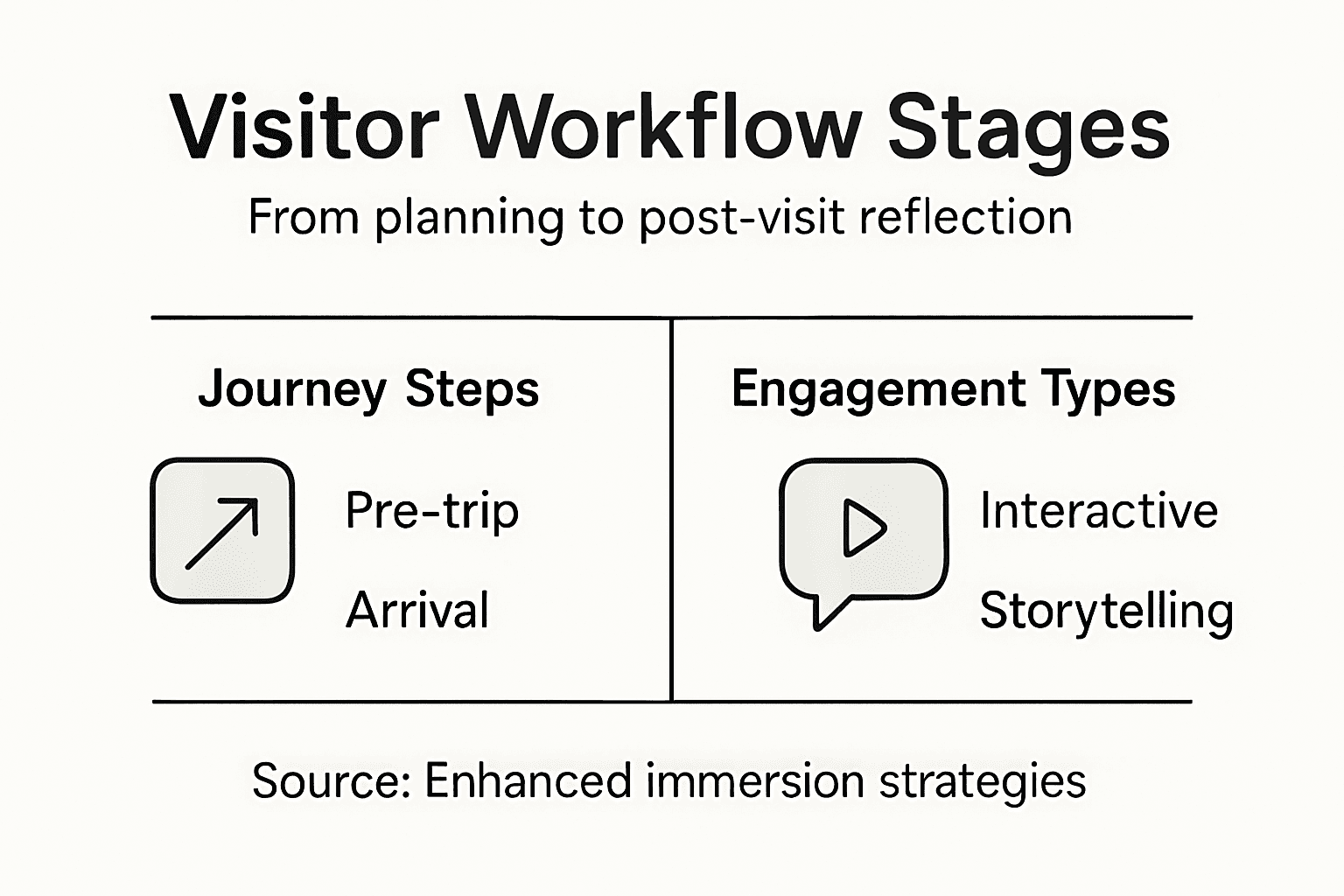
The most powerful storytelling approaches move beyond simple information transmission, creating immersive environments that invite active participation. By designing experiences that engage multiple senses simultaneously, attractions can help visitors connect with cultural contexts in more nuanced, meaningful ways. This approach transforms tourists from external observers into temporary participants in living cultural narratives.
Effective cultural storytelling recognizes that every sensory interaction is an opportunity for deeper connection. The most successful attractions craft experiences that feel simultaneously educational and deeply personal, allowing visitors to form authentic connections with the cultural landscape they are exploring.
Consider how sensory engagement techniques compare for deeper visitor connection:
| Sense | Typical Engagement Method | Impact on Visitor Experience |
|---|---|---|
| Visual | Multimedia displays, exhibits | Enhances understanding, grabs attention |
| Auditory | Soundscapes, guided narration | Builds atmosphere, aids storytelling |
| Tactile | Hands-on activities, models | Increases participation and retention |
| Olfactory | Scent zones, themed aromas | Triggers emotion and memory |
| Taste | Food tastings, local cuisine | Deepens cultural immersion |
Pro tip: Design storytelling experiences that engage multiple senses, creating layered narratives that invite emotional and intellectual exploration.
Safety, Accessibility, and Common Pitfalls
Sustainable tourist behavior demands comprehensive safety and accessibility strategies that go beyond basic compliance. Effective attractions must anticipate potential challenges, design inclusive experiences, and implement proactive risk management protocols that protect and empower all visitors, regardless of their individual capabilities or backgrounds.
Common pitfalls in visitor experiences often stem from inadequate planning and limited understanding of diverse visitor needs. Destination resilience approaches highlight the importance of adaptive strategies that address potential barriers, such as physical limitations, sensory sensitivities, and communication challenges. Successful attractions develop multilayered support systems that ensure seamless navigation and engagement for every visitor.
Safety considerations extend far beyond physical protection. They encompass emotional comfort, cultural sensitivity, and psychological well-being. This holistic approach requires attractions to create environments that feel welcoming, predictable, and supportive. Strategies might include clear wayfinding systems, multiple communication channels, flexible accommodation options, and staff training focused on inclusive, empathetic visitor interactions.
Universal design principles serve as the foundation for truly accessible attractions. By anticipating and designing for a wide range of human abilities and experiences, attractions can transform potential limitations into opportunities for innovative, engaging experiences that celebrate human diversity and create meaningful connections.
Pro tip: Conduct regular accessibility audits and involve diverse user groups in your design process to identify and address potential barriers before they impact visitor experiences.
Elevate Your Visitor Experience with Flight of Aloha
The article highlights the importance of designing a seamless visitor workflow that enhances immersion through cultural storytelling and multisensory engagement. One key challenge travelers face is finding experiences that go beyond passive observation to create meaningful emotional and intellectual connections. Flight of Aloha solves this by offering a Hawaiian immersive flying theater where 8K visuals, motion effects, scents, and wind come together to simulate the breathtaking sensation of flying over Hawaii. This attraction perfectly exemplifies an immersive journey that builds anticipation, guides visitors with intuitive orientation, and fosters deep cultural engagement rooted in Hawaiian legends.
Experience how the transformative power of immersive attraction journeys can come alive with detailed ride films like “Naupaka” and “Lahaina”. Flight of Aloha’s digital booking system ensures a smooth pre-arrival process that aligns with modern visitor workflows, making planning effortless and exciting. Discover VIP packages and annual passes that add personalized value to any visit.
Ready to transcend ordinary tourism and embrace a truly unique, memorable Hawaiian adventure?
Book your immersive flying experience now at Flight of Aloha. Dive into the story of Hawaii like never before and secure your place in this captivating journey. Explore all offerings and start your adventure at Flight of Aloha Tickets and Packages. Don’t miss your chance to make lasting memories in Kailua-Kona’s premier immersive attraction.
Frequently Asked Questions
What is a visitor workflow in tourism?
A visitor workflow is the comprehensive journey travelers experience from the planning stage through post-visit reflection, encompassing stages like research, arrival, exploration, and evaluation.
How can tourism destinations enhance tourist engagement?
Tourism destinations can enhance engagement by creating seamless transitions between visitor workflow stages, integrating personalized experiences, and utilizing technology to reduce friction and increase enjoyment.
What are key components of an immersive attraction journey?
Key components include pre-arrival anticipation, interactive experiences during the visit, effective storytelling, and sensory engagement that encourage visitors to transition from passive observers to active participants.
Why is safety and accessibility important in visitor experiences?
Safety and accessibility are crucial because they ensure that all visitors can enjoy the experience regardless of their individual capabilities, promoting inclusivity and comfort while minimizing potential risks.
Recommended
- Interactive Tourism: How It Elevates Visitor Engagement | Flight Of Aloha
- Story-Driven Tourism: Transforming Family Travel | Flight Of Aloha
- What Is Experiential Tourism? Complete 2024 Overview | Flight Of Aloha
- Visitor Guide Cultural Storytelling: Hawaiian Immersion Impact | Flight Of Aloha
- Experimental Graphic Storytelling: Exploring New Art Forms – The Mansion Press