
Artists in Hawaii tourism: why they matter for visitors
{
“@type”: “Article”,
“image”: {
“url”: “https://csuxjmfbwmkxiegfpljm.supabase.co/storage/v1/object/public/blog-images/organization-5115/1772843866194_image.png”,
“@type”: “ImageObject”,
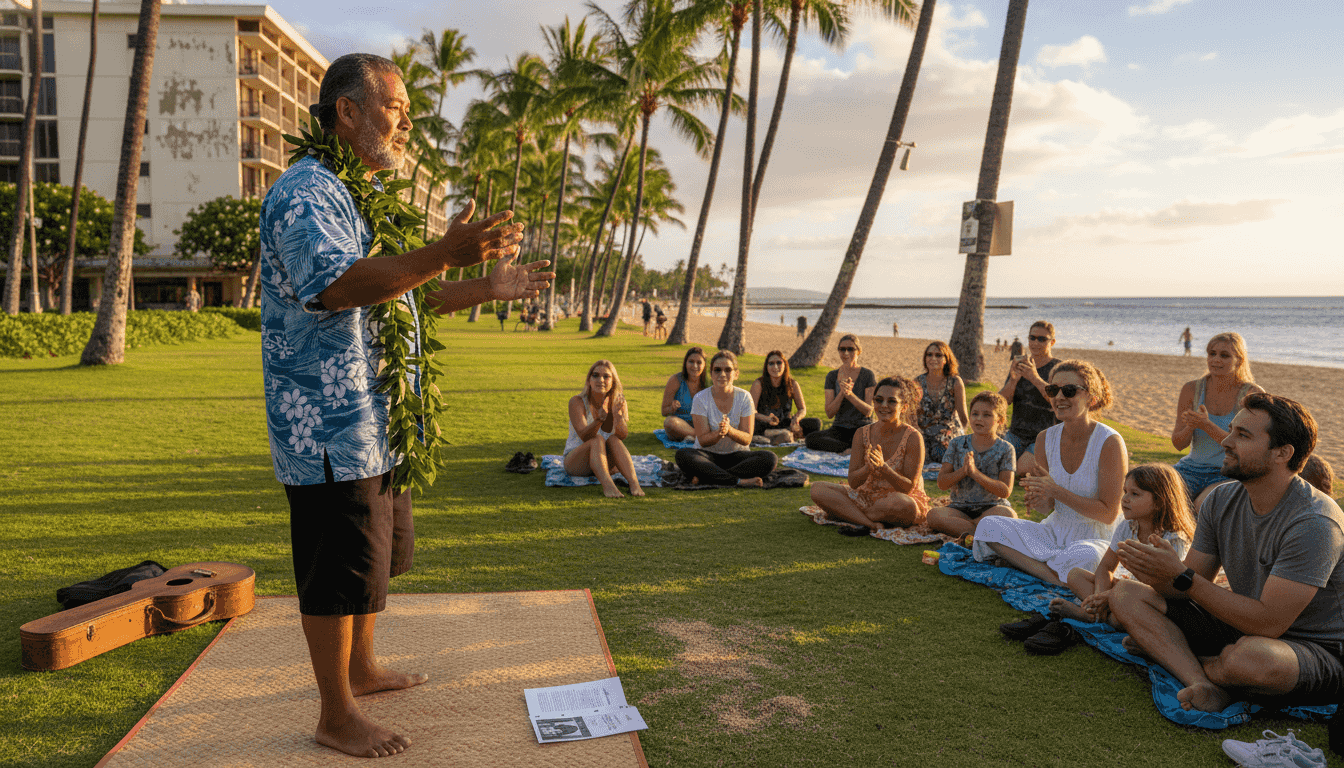
“caption”: “Hawaiian artist storytelling beside Waikiki Beach”
},
“author”: {
“url”: “https://flightofaloha.com”,
“name”: “Flightofaloha”,
“@type”: “Organization”
},
“@context”: “https://schema.org”,
“headline”: “Artists in Hawaii tourism: why they matter for visitors”,
“publisher”: {
“url”: “https://flightofaloha.com”,
“name”: “Flightofaloha”,
“@type”: “Organization”
},
“inLanguage”: “en-US”,
“articleBody”: “Discover how Hawaiian artists create authentic cultural experiences worth over $100 million annually. Learn to identify and support genuine artistry that enriches your visit while preserving heritage.”,
“description”: “Discover how Hawaiian artists create authentic cultural experiences worth over $100 million annually. Learn to identify and support genuine artistry that enriches your visit while preserving heritage.”,
“datePublished”: “2026-03-07T00:37:51.118Z”
}
Local Hawaiian artists contribute over $100 million annually to Hawaii’s visitor economy through cultural performances and events. Yet many tourists underestimate their role in creating authentic, meaningful experiences. These artists don’t just entertain, they preserve heritage, educate visitors, and reinvest in community sustainability. This guide reveals how engaging with local artistry transforms your Hawaiian visit from ordinary sightseeing into profound cultural connection.
Table of Contents
- Introduction: The Importance Of Artists In Hawaiian Tourism
- How Artists Shape Authentic Cultural Storytelling In Tourism
- Economic And Social Impact Of Artists On Hawaiian Tourism
- Common Misconceptions About Artists’ Role In Tourism
- Framework To Evaluate Immersive Artistic Tourism Experiences
- Practical Guide: How To Engage With Local Artists And Cultural Experiences In Hawaii
- Conclusion: Enhancing Your Hawaiian Visit Through Artistry
- Experience Authentic Hawaiian Artistry With Flight Of Aloha
- Frequently Asked Questions
Key takeaways
| Point | Details |
|---|---|
| Authentic storytelling drives engagement | Artists use traditional practices like hula and chants to create immersive cultural narratives that deepen visitor connections. |
| Substantial economic impact | Cultural events generate $100 million+ annually, with over 55% reinvested in community projects. |
| Education over entertainment | More than 70% of Hawaiian artists prioritize cultural preservation and education in their work. |
| Framework for evaluation | Four criteria help tourists identify authentic, respectful artist-led experiences worth supporting. |
| Sustainable tourism benefits | Engaging with local artists enriches family experiences while supporting cultural continuation and environmental stewardship. |
Introduction: the importance of artists in Hawaiian tourism
Hawaiian artists serve as living bridges between ancient traditions and modern visitors. Their performances, crafts, and teachings form the backbone of authentic cultural storytelling attractions that distinguish Hawaii from generic vacation destinations. Without artists actively sharing ancestral knowledge, visitors experience only surface-level tourism disconnected from the islands’ rich heritage.
These cultural practitioners do far more than perform. They educate, preserve endangered traditions, and create economic opportunities that benefit entire communities. When you engage with local artistry, you’re participating in a living cultural ecosystem rather than consuming packaged entertainment.
The economic ripple effects are significant:
- Artist-led cultural events attract premium-paying visitors seeking meaningful experiences
- Tourism revenue directly funds language revitalization programs and traditional apprenticeships
- Community cultural centers receive sustained support through visitor engagement
- Environmental conservation efforts gain resources through culture-focused tourism initiatives
Understanding artists’ multifaceted roles helps you make informed choices about where to spend your vacation time and money. Supporting authentic artistry creates win-win outcomes: richer experiences for you, sustainable livelihoods for artists, and preserved cultural heritage for future generations.
How artists shape authentic cultural storytelling in tourism
Hawaiian artists employ time-tested methods to transmit cultural knowledge through immersive storytelling experiences. Their approach differs fundamentally from commercial entertainment. Traditional hula, for example, isn’t just dance, it’s a sophisticated narrative system encoding history, genealogy, and spiritual concepts in movement and chant.
Authentic presentations increase visitor satisfaction by 40% compared to generic shows. This dramatic difference stems from emotional resonance. When artists share stories passed down through their families for generations, visitors sense genuine connection impossible to replicate through scripted performances.
Artists engage multiple senses simultaneously to deepen cultural transmission:
- Visual elements like traditional costumes and natural materials ground stories in place
- Authentic Hawaiian music using indigenous instruments creates emotional landscapes
- Oli (chants) convey genealogies and prayers in rhythmic Hawaiian language
- Scents from native plants like maile and pikake trigger memory and atmosphere
- Physical participation invites visitors into active rather than passive roles
The process artists use to prepare and deliver cultural storytelling in Kona follows deliberate steps:
- Artists consult kupuna (elders) to ensure accurate cultural representation
- They adapt traditional formats for visitor comprehension without diluting meaning
- Pre-performance protocols establish sacred space and respectful attention
- During performance, artists read audience energy and adjust pacing accordingly
- Post-performance interaction allows questions and deeper personal connection
- Artists reflect with mentors to continuously refine their cultural transmission skills
This intentional approach explains why Hawaiian stories remain important and effective. Artists don’t simplify culture for tourists, they create accessible entry points into complex worldviews. The difference transforms casual observers into engaged learners who carry cultural insights home.
Economic and social impact of artists on Hawaiian tourism
The financial contributions of Hawaiian artists extend far beyond ticket sales. Cultural events generate over $100 million annually in direct visitor spending across accommodations, dining, transportation, and related services. This represents a substantial economic engine powered by authentic cultural expression.
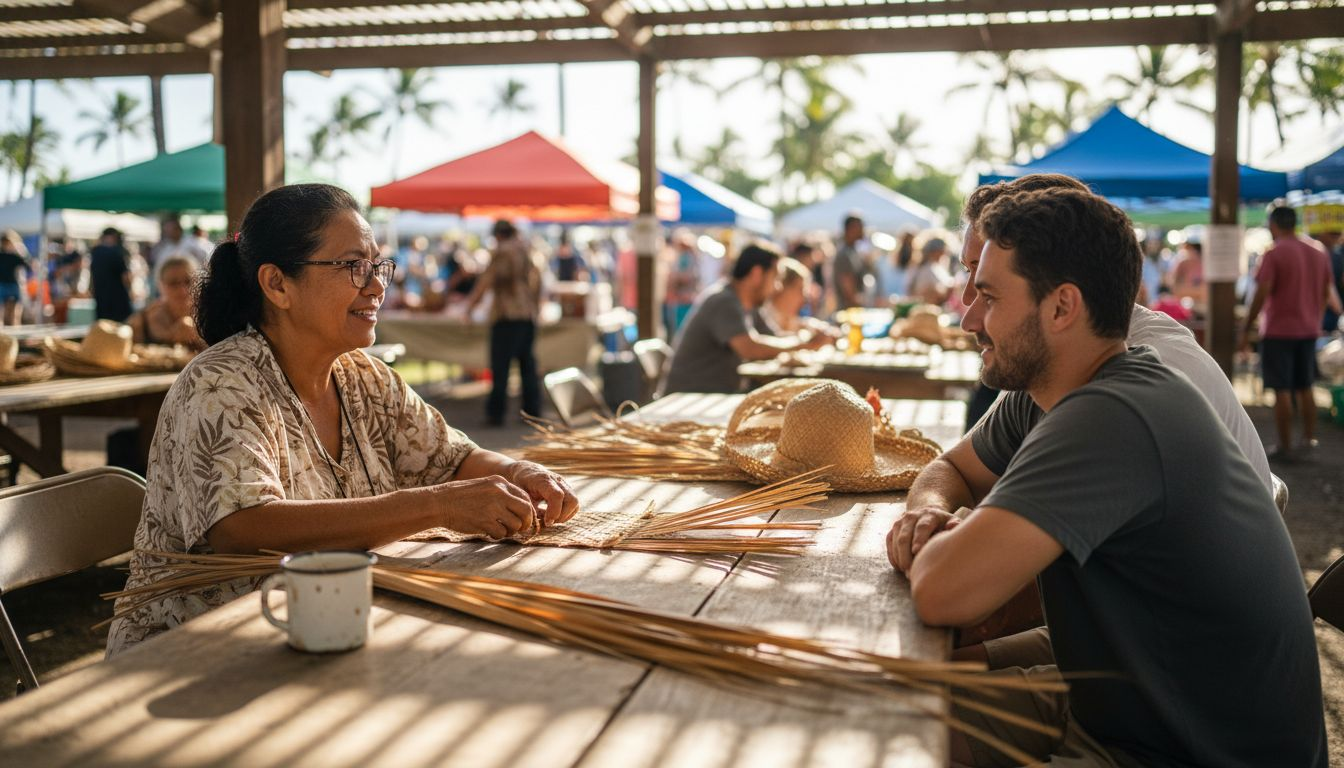
More impressive is how artists reinvest these resources. Over 55% of tourism income returns to community development projects including language schools, traditional farming initiatives, and youth mentorship programs. This circular economy model ensures cultural sustainability alongside economic growth.
| Impact Category | Annual Value | Community Benefit |
|---|---|---|
| Direct visitor spending | $100M+ | Artist livelihoods and business revenue |
| Community reinvestment | $55M+ | Cultural schools and preservation programs |
| Environmental programs | $15M+ | Land restoration and sustainable practices |
| Youth education | $8M+ | Apprenticeships and scholarship funding |
Social benefits multiply beyond pure economics:
- Cultural practitioners gain recognized professional status, attracting young people to traditional arts
- Communities rebuild pride in heritage previously suppressed or marginalized
- Intergenerational knowledge transfer accelerates as elders teach formal apprentices
- Environmental stewardship increases as cultural practices reconnect people to land
Pro Tip: Ask artists directly how your participation supports their community. Most cultural practitioners eagerly explain their reinvestment priorities, and your interest validates their work’s broader significance.
This economic model demonstrates how tourism, when structured around authentic cultural exchange, becomes a tool for preservation rather than exploitation. Your spending choices directly influence whether Hawaiian culture thrives or becomes commercialized performance art detached from living communities.
Common misconceptions about artists’ role in tourism
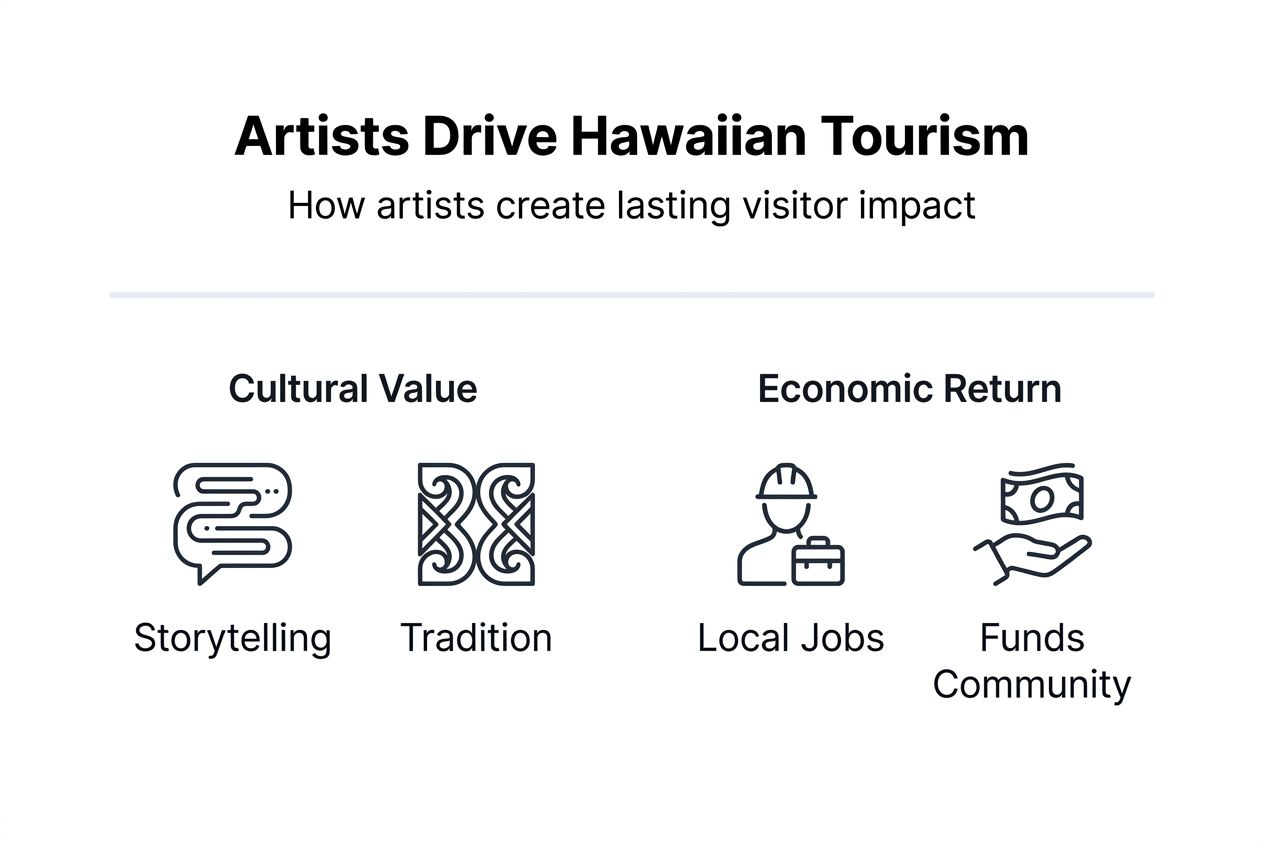
Many visitors mistakenly view Hawaiian cultural performances as simple entertainment comparable to dinner theater anywhere. This fundamental misunderstanding diminishes artists’ primary mission: education and cultural preservation. More than 70% of Hawaiian artists explicitly prioritize teaching and heritage continuation over audience amusement.
Another common myth suggests technology can replace live artists in delivering cultural storytelling. While multimedia enhancements add value, they complement rather than substitute human cultural transmission. Technology lacks the adaptive responsiveness, emotional authenticity, and sacred protocols that make artist-led experiences transformative.
Key misconceptions to avoid:
- Assuming all “Hawaiian shows” offer equal cultural authenticity
- Believing artists perform primarily for tourist income rather than cultural duty
- Thinking younger artists lack credibility compared to elders (many train for decades)
- Expecting artists to perform on demand without proper cultural protocols
- Undervaluing the years of training required to master traditional practices
Pro Tip: Research whether performers have lineage connections to the stories they share. Direct cultural inheritance, while not absolutely required, often indicates deeper authenticity and traditional knowledge transfer.
These misunderstandings lead tourists toward superficial experiences that neither enrich visitors nor support genuine cultural practitioners. Correcting these perceptions helps you identify and choose meaningful engagements that honor artists’ true cultural roles while delivering the profound experiences you seek.
Framework to evaluate immersive artistic tourism experiences
Choosing authentic artist-led experiences requires evaluating four essential criteria. This framework helps you distinguish between genuine cultural engagement and commercialized performances masquerading as authentic Hawaiian traditions.
| Criterion | Authentic Indicators | Red Flags |
|---|---|---|
| Authenticity | Artists with cultural lineage, traditional protocols observed | Generic “Polynesian” shows, rush performances |
| Artist Involvement | Performers design and lead experiences, share personal stories | Artists hired only as entertainers, scripted interactions |
| Educational Value | Cultural context explained, questions encouraged | Pure spectacle focus, no learning opportunities |
| Multisensory Immersion | Traditional elements engage sight, sound, scent, movement | Technology dominates, minimal traditional components |
Apply this evaluation process when researching options:
- Investigate artist backgrounds and cultural credentials on program websites
- Look for mentions of cultural advisors, kupuna involvement, or lineage connections
- Check whether programs explain the cultural significance behind performances
- Assess balance between traditional elements and modern enhancements
- Read reviews mentioning learning outcomes rather than just entertainment value
- Verify community reinvestment claims through independent sources when possible
Authentic experiences typically limit group sizes to maintain intimacy and allow personal interaction. They include time for questions and deeper conversation. Artists explain not just what they’re doing but why these practices matter to Hawaiian culture and identity.
Commercial alternatives rush through performances, maximize audience size, and focus on photo opportunities over cultural transmission. While sometimes enjoyable, they deliver fundamentally different value and don’t support the cultural preservation goals that make Hawaiian artistry significant.
Using this framework transforms you from passive consumer into informed cultural participant. Your choices then align with your values while ensuring your tourism dollars support authentic practitioners rather than cultural appropriation.
Practical guide: how to engage with local artists and cultural experiences in Hawaii
Successful engagement with Hawaiian artists begins before you board your flight. Research authentic programs through cultural organizations, artist collectives, and venues known for traditional rather than commercial presentations. Prioritize experiences emphasizing education, smaller group sizes, and direct artist interaction.
When selecting specific activities, look for programs that:
- Feature artists who explain their cultural training and family lineage
- Allocate time for meaningful questions and personal conversation
- Observe traditional protocols like opening and closing ceremonies
- Demonstrate clear community benefit through stated reinvestment practices
- Balance traditional methods with thoughtful modern accessibility enhancements
Your behavior during experiences significantly impacts mutual value. Hawaiian cultural protocols emphasize respect, presence, and reciprocity. Active, mindful participation deepens your learning while honoring artists’ cultural generosity.
Follow these steps for respectful engagement:
- Arrive early to settle your mind and prepare for focused attention
- Silence devices completely to demonstrate respect and presence
- Listen actively without interrupting performances or cultural explanations
- Participate when invited but don’t dominate group interactions
- Ask thoughtful questions that show genuine interest in cultural meaning
- Thank artists personally and acknowledge their cultural expertise
- Share experiences respectfully on social media, crediting artists by name
Families gain particular benefits from artist-led programs that enhance Hawaiian adventures through hands-on cultural learning. Children often absorb traditional stories and practices more readily than adults, creating shared family memories rooted in authentic cultural exchange.
Look for year-round family programs that adapt traditional teachings for different age groups. The best family attractions in Hawaii balance entertainment with educational substance, ensuring kids stay engaged while adults gain cultural depth.
Consider purchasing artist-created works like traditional crafts, music recordings, or artwork. This direct economic support sustains cultural practitioners while giving you meaningful souvenirs that carry authentic cultural stories home.
Conclusion: enhancing your Hawaiian visit through artistry
Local Hawaiian artists transform tourism from casual sightseeing into profound cultural exchange. Their work preserves endangered traditions while creating the authentic experiences that make Hawaii uniquely meaningful. When you prioritize artist-led programs, you gain educational and emotional benefits impossible through generic tourist activities.
Your engagement choices carry real consequences. Supporting authentic artistry funds community cultural programs, environmental initiatives, and intergenerational knowledge transfer. These investments ensure Hawaiian culture remains vibrant for your children’s future visits.
The framework and practical guidance provided here empower you to identify and choose experiences aligned with cultural respect and sustainability. Your informed participation honors artists’ cultural expertise while delivering the rich, memorable experiences you seek. Hawaii’s living culture awaits your thoughtful engagement.
Experience authentic Hawaiian artistry with Flight of Aloha
Ready to experience cultural storytelling that honors Hawaiian artists and traditions? Flight of Aloha in Kailua-Kona offers immersive experiences blending traditional narratives with cutting-edge technology. Local artists collaborate in creating films like Naupaka and Lahaina that bring ancestral stories to life through 8K visuals, motion effects, and multisensory elements.

Perfect for families and groups, Flight of Aloha demonstrates how technology can enhance rather than replace authentic cultural transmission. Every experience supports sustainable tourism practices that benefit local communities. Visit Flight of Aloha to explore packages, book your immersive cultural adventure, and discover why thoughtful artistry creates Hawaii’s most meaningful visitor experiences.
Frequently asked questions
What makes an artist-led experience more authentic than a typical cultural show?
Artist-led experiences feature cultural practitioners with direct lineage connections to the traditions they share. These artists train for years or decades under kupuna (elders), learning not just performance techniques but cultural protocols, genealogies, and spiritual significance. They adapt traditional knowledge for visitor understanding without compromising cultural integrity. Typical shows often hire entertainers without deep cultural training, focus on spectacle over education, and present generic “Polynesian” content rather than specifically Hawaiian traditions.
How can families find child-friendly artistic activities in Hawaii?
Research cultural centers, museums, and attractions that explicitly mention family programs or multi-generational experiences. Look for hands-on workshops teaching traditional crafts like lei-making, lauhala weaving, or poi pounding. Many artists offer storytelling sessions designed for children that use interactive elements to maintain engagement. Read reviews from other families mentioning age-appropriateness and educational value. Programs balancing fun with cultural learning create the most successful family experiences.
Are artist performances in Hawaii financially benefiting local communities?
Yes, authentic artist-led programs reinvest over 55% of tourism income into community development, cultural education, and environmental programs. This includes funding for Hawaiian language schools, traditional farming initiatives, youth apprenticeships, and land restoration projects. When you choose programs that explicitly state community reinvestment commitments and feature local artists as primary stakeholders rather than hired performers, your spending directly supports cultural sustainability and economic empowerment.
Can technology replace live artists in cultural tourism?
Technology enhances but cannot replace live cultural transmission. While multimedia elements like high-resolution visuals and immersive sound create engaging contexts, they lack the adaptive responsiveness, emotional authenticity, and sacred protocols that human artists provide. The most effective programs blend traditional artist-led storytelling with thoughtful technological enhancements, creating experiences that honor cultural integrity while increasing accessibility. Technology serves culture, not the reverse.
How do I show respect when participating in Hawaiian art experiences?
Arrive with focused attention, silence all devices, and listen without interrupting. Follow protocols like removing shoes when entering sacred spaces or refraining from photography during ceremonies. Participate genuinely when invited but don’t dominate group interactions. Ask thoughtful questions showing real interest in cultural meaning rather than superficial curiosity. Thank artists personally and acknowledge their expertise. Purchase their work when possible to provide direct economic support. Share experiences respectfully, crediting artists by name and explaining cultural context accurately.