
Why Cultural Experiences Matter for Hawaii Visitors
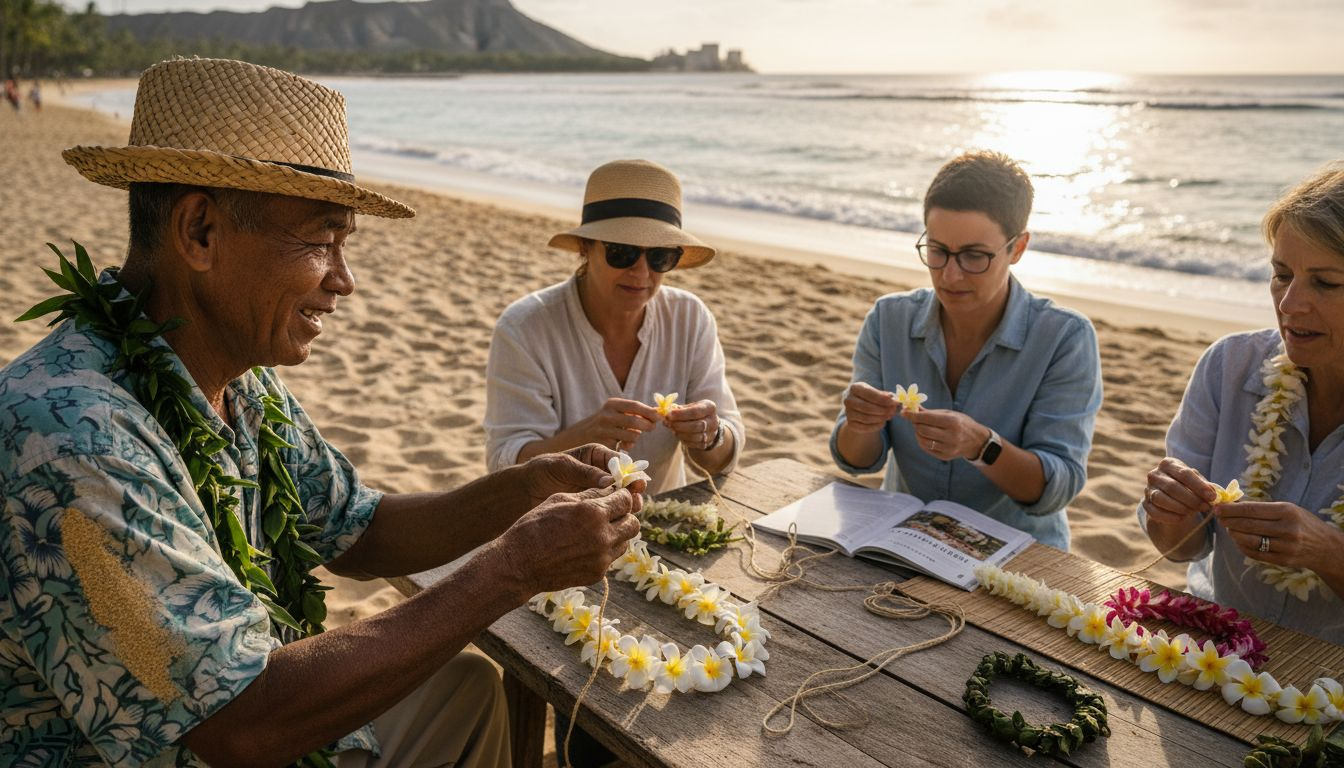
Choosing the right activities for your Hawaii family vacation often goes beyond beautiful beaches and stunning views. Families visiting the Hawaiian Islands want more than sightseeing—they seek meaningful experiences that help everyone connect and learn. Exploring cultural experiences offers a window into living traditions, authentic storytelling, and hands-on activities that spark curiosity for all ages. From engaging with local heritage to discovering the arts, this guide reveals how cultural encounters in Hawaii blend entertainment and learning for families who value discovery and connection.
Table of Contents
- Defining Cultural Experiences In Travel
- Types Of Immersive Cultural Encounters
- How Sensory Storytelling Enhances Learning
- Building Empathy And Family Connections
- Positive Impacts On Local Communities
- Common Mistakes In Cultural Engagement
Key Takeaways
| Point | Details |
|---|---|
| Cultural Experiences Enhance Travel | Engaging in cultural experiences fosters deeper connections with local communities and traditions. |
| Technology Transforms Immersion | Innovative technologies like VR and AR enrich cultural encounters and provide unique insights. |
| Empathy Through Shared Experiences | Family involvement in cultural activities promotes understanding and compassion across cultures. |
| Respect in Engagement is Crucial | Travelers should approach cultural interactions with humility and a genuine desire to learn. |
Defining Cultural Experiences in Travel
Tourism has evolved beyond simple sightseeing into a more immersive and meaningful engagement with destination cultures. Cultural experiences represent a profound way for travelers to connect deeply with the social fabric, traditions, and lived realities of the places they visit. Cultural tourism research reveals that modern travelers seek encounters that go far beyond traditional tourist activities.
At its core, a cultural experience involves active participation and genuine interaction with local heritage, arts, customs, and social practices. These experiences are not passive observations but dynamic exchanges that transform both the traveler and the local community. Cultural experiences can include:
- Participating in traditional craft workshops
- Engaging with indigenous storytelling sessions
- Learning traditional cooking methods
- Attending local festivals and ceremonies
- Exploring historical sites with community guides
What makes cultural experiences truly powerful is their multidimensional nature. Tourist experiences are deeply subjective, influenced by the complex interplay between a traveler’s background and the destination’s cultural context. Multidimensional tourist interactions involve cognitive understanding, emotional resonance, and social engagement that create lasting memories and personal transformations.
The richness of cultural experiences lies not just in observing differences but in creating meaningful connections that challenge preconceived notions and expand personal perspectives. These encounters provide travelers with insights that go far beyond traditional tourism, offering authentic windows into the living, breathing cultures of destinations.
Pro Tip: Always approach cultural experiences with genuine curiosity, respect, and a willingness to listen and learn from local community members.
Types of Immersive Cultural Encounters
Immersive cultural encounters have dramatically transformed the way travelers engage with destinations, moving far beyond traditional sightseeing. Cultural immersion now encompasses a rich spectrum of experiences that blend technology, storytelling, and direct interaction with local traditions. Innovative immersive technologies are revolutionizing how travelers explore and understand cultural heritage, offering multisensory journeys that engage visitors on multiple levels.
These immersive encounters can be categorized into several compelling formats:
- Technological Immersions
- Virtual Reality (VR) cultural experiences
- Augmented Reality (AR) historical reconstructions
- Mixed Reality (MR) interactive exhibits
- Participatory Experiences
- Traditional craft workshops
- Community storytelling sessions
- Culinary and cooking demonstrations
- Sensory Engagement
- Interactive museum exhibits
- Multisensory cultural performances
- Hands-on cultural learning environments
Digital cultural storytelling methods have emerged as powerful tools for transmitting intangible cultural heritage, allowing travelers to connect more deeply with local traditions. These approaches go beyond passive observation, creating dynamic, interactive experiences that foster genuine understanding and appreciation of diverse cultural practices.
The most effective immersive encounters create a bridge between visitors and local communities, transforming tourism from a superficial experience into a meaningful cultural exchange. By leveraging technology and authentic storytelling, these encounters provide travelers with profound insights into the living, breathing cultures of their destinations.
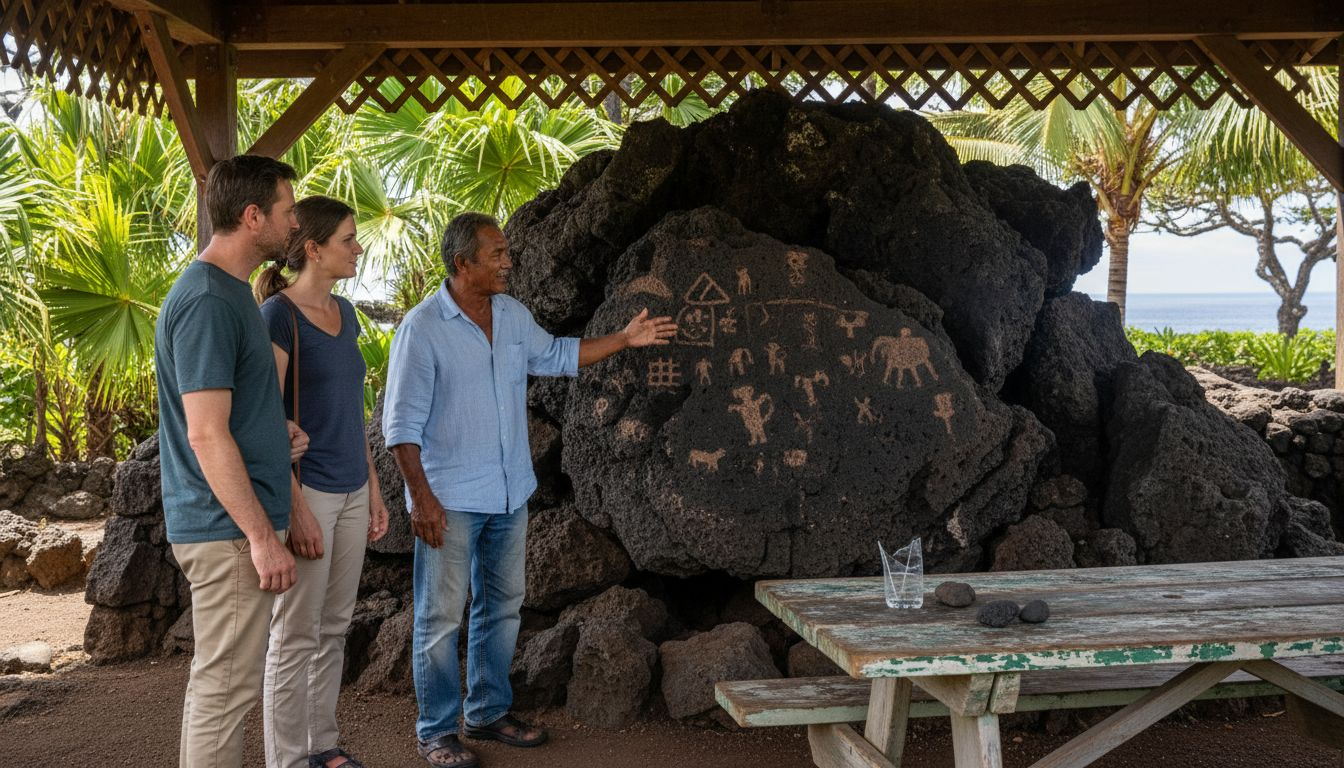
Here’s a comparison of immersive cultural encounter formats and their unique benefits:
| Format Type | Main Advantage | Ideal For |
|---|---|---|
| Technological | Access to rare experiences | Tech-savvy travelers |
| Participatory | Hands-on cultural learning | Curious, active learners |
| Sensory Engagement | Deeper emotional impact | Families, all age groups |
Pro Tip: Choose cultural experiences that offer genuine interaction and personal connection, prioritizing authenticity over purely entertainment-driven encounters.
How Sensory Storytelling Enhances Learning
Sensory storytelling represents a profound approach to transforming learning experiences, engaging audiences far beyond traditional narrative methods. Multisensory storytelling activates multiple cognitive pathways, creating deeper, more memorable educational encounters that transcend conventional information transfer. Cognitive engagement techniques reveal how integrating sensory experiences can dramatically enhance comprehension and emotional connection.
The key components of sensory storytelling include:
- Auditory Stimulation
- Authentic sound recordings
- Traditional musical elements
- Narrative vocal techniques
- Visual Engagement
- Immersive visual representations
- Cultural artifact demonstrations
- Dynamic storytelling projections
- Tactile Interactions
- Hands-on cultural object exploration
- Interactive historical recreations
- Textural experience stations
Digital multisensory storytelling approaches demonstrate remarkable potential for creating rich, emotionally resonant learning environments. These methods transform passive listeners into active participants, allowing learners to experience cultural narratives through a holistic sensory landscape that stimulates emotional and intellectual understanding.
By deliberately engaging multiple sensory channels, storytellers can create powerful learning experiences that connect audiences more intimately with cultural narratives. The magic happens when stories move beyond simple verbal communication, inviting listeners to feel, hear, see, and almost touch the essence of the experience being shared.
Pro Tip: Select cultural experiences that engage multiple senses, allowing for a more immersive and memorable learning journey.
Building Empathy and Family Connections
Cultural encounters offer profound opportunities for families to develop deeper understanding, compassion, and connection beyond their immediate experiences. Intercultural engagement transforms travel from a simple vacation into a transformative journey of mutual learning and emotional growth. Intercultural interaction strategies reveal how shared experiences can bridge cultural divides and nurture empathy across generations.
Families can cultivate empathy through various meaningful interactions:
- Shared Learning Experiences
- Participating in traditional cultural workshops
- Engaging in storytelling sessions with local elders
- Cooking traditional meals together
- Active Listening Strategies
- Asking open-ended questions about local traditions
- Respecting different perspectives without judgment
- Showing genuine curiosity about cultural practices
- Collaborative Activities
- Joint cultural craft projects
- Community service opportunities
- Intergenerational dialogue sessions
Emotional connection techniques demonstrate that empathy emerges through recognizing our shared human experiences. By creating spaces for authentic interaction, families can transcend cultural boundaries, developing a more nuanced understanding of diversity and interconnectedness.
The most powerful family connections happen when travelers approach cultural experiences with humility, openness, and a genuine desire to learn. These moments become treasured memories that reshape perspectives, challenge assumptions, and create lasting emotional bonds that extend far beyond the travel experience.
Pro Tip: Encourage family members to journal their cultural experiences, reflecting on personal insights and emotional discoveries.
Positive Impacts on Local Communities
Cultural tourism represents a powerful mechanism for sustainable community development, offering far more than mere economic transactions. Community-driven tourism transforms local landscapes by creating meaningful economic opportunities and social empowerment. Heritage tourism strategies demonstrate how thoughtful visitor engagement can generate substantial benefits for local populations.
The multifaceted impacts of cultural tourism include:
- Economic Benefits
- Job creation in hospitality and cultural sectors
- Small business development
- Income generation for local artisans
- Social Outcomes
- Preservation of cultural traditions
- Enhanced community pride
- Intergenerational knowledge transfer
- Infrastructure Improvements
- Investment in local facilities
- Enhanced transportation networks
- Community service upgrades
Cultural tourism development reveals profound socio-economic transformations that extend beyond immediate financial gains. By creating platforms for authentic cultural exchange, communities can leverage tourism as a tool for sustainable growth, social resilience, and cultural preservation.
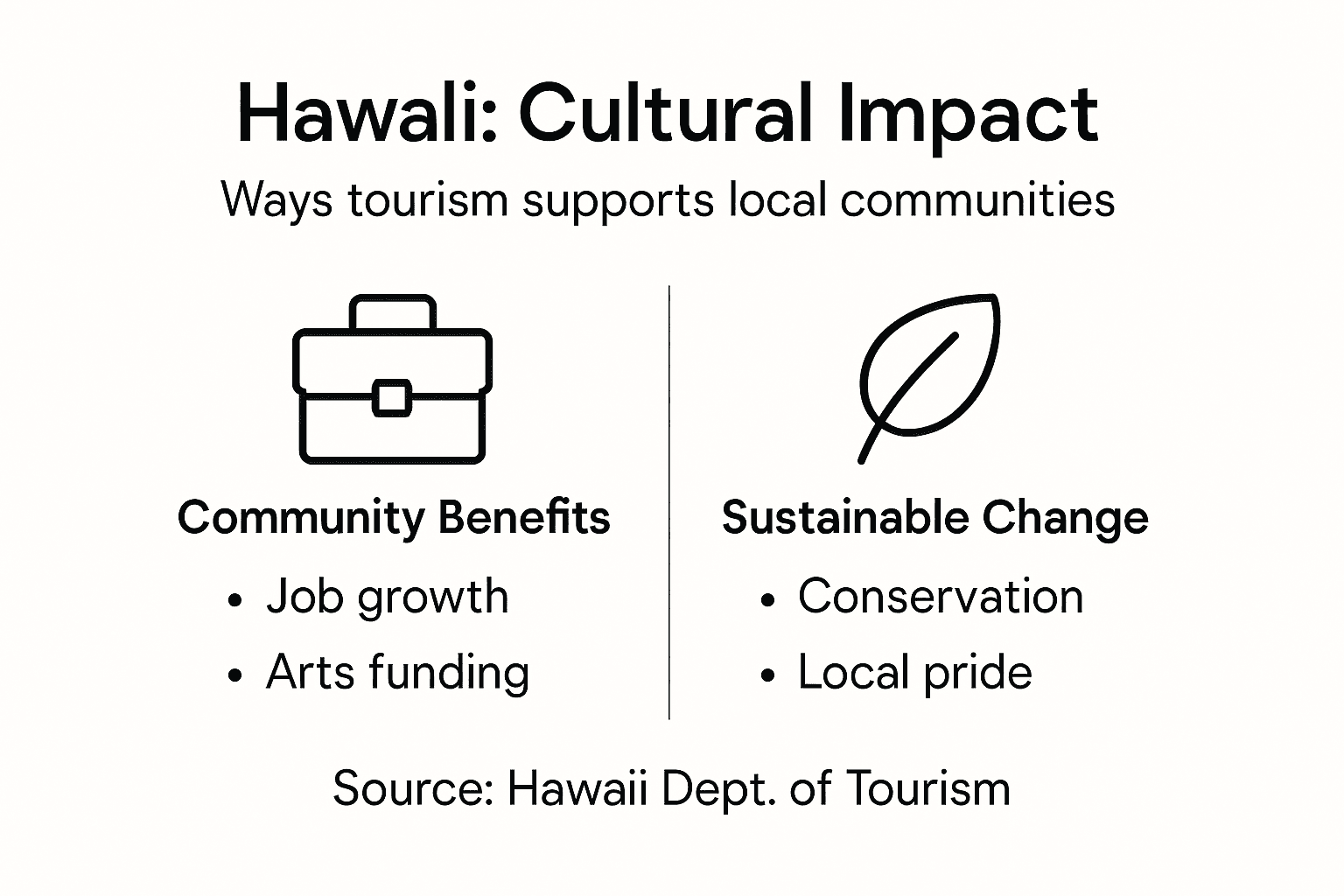
Successful community-centered tourism requires genuine partnership, ensuring local voices drive development strategies. This approach transforms visitors from passive observers into active contributors to community well-being, creating a mutually enriching experience that respects and uplifts local cultural identities.
Below is a summary of ways cultural tourism supports local communities:
| Impact Area | Description | Example Outcome |
|---|---|---|
| Economy | Boosts jobs and local income | New artisan marketplaces |
| Society | Revives and sustains traditions | Youth embrace local arts |
| Infrastructure | Improved public facilities | Renovated community halls |
Pro Tip: Seek out tourism experiences that demonstrate clear, transparent community benefit and direct local involvement.
Common Mistakes in Cultural Engagement
Cultural tourism demands nuanced understanding and deep respect, yet travelers frequently fall into predictable patterns of misunderstanding and inadvertent disrespect. Cultural missteps can transform potentially meaningful encounters into superficial, potentially offensive experiences. Cross-cultural engagement challenges reveal systematic errors that undermine genuine cultural understanding.
Common mistakes travelers often make include:
- Communication Errors
- Assuming universal communication styles
- Failing to learn basic local language courtesies
- Misinterpreting non-verbal cues
- Respect and Behavior Violations
- Photographing sacred sites without permission
- Dressing inappropriately for cultural contexts
- Ignoring local customs and social norms
- Engagement Misconceptions
- Treating culture as a static museum exhibit
- Expecting performative cultural experiences
- Approaching interactions with colonial perspectives
Cultural research methodologies emphasize the critical importance of recognizing cultural nuances and approaching interactions with genuine humility. Successful cultural engagement requires active listening, respectful curiosity, and a willingness to challenge one’s own preconceived notions.
True cultural understanding emerges not from perfect knowledge, but from an authentic commitment to learning, respecting, and honoring the complexity of human experiences. Travelers must recognize that cultural encounters are opportunities for mutual growth, not mere consumptive experiences.
Pro Tip: Always ask for permission, listen more than you speak, and approach cultural interactions with genuine respect and openness.
Experience Hawaii Like Never Before with Flight of Aloha
Travelers seeking authentic cultural experiences often face the challenge of finding immersive encounters that go beyond simple sightseeing. This article highlights the importance of engaging with culture through sensory storytelling, genuine interaction, and emotional connection. At Flight of Aloha, we bring these concepts to life by blending stunning 8K visuals, motion effects, scents, and wind to simulate the feeling of flying over Hawaii. Our rides like “Naupaka” and “Lahaina” are rooted in Hawaiian legends that offer a multisensory cultural journey perfect for families and visitors eager to connect deeply with the islands’ heritage.
Discover how to cultivate genuine empathy and create lasting memories by choosing experiences that respect and celebrate local culture. Flight of Aloha transforms your visit into a meaningful cultural exchange where you can participate in the rich storytelling traditions of Hawaii without leaving Kailua-Kona. Ready to dive into a cultural experience that engages your senses and heart?

Book your immersive journey today and take part in a unique Hawaiian adventure that honors authentic cultural expression. Visit Flight of Aloha to reserve your ride and explore our VIP experiences and annual pass options. Experience the magic of Hawaiian storytelling in a way that informs, inspires, and leaves you with unforgettable memories. Don’t wait—your cultural adventure starts now.
Frequently Asked Questions
Why are cultural experiences important for travelers?
Cultural experiences are essential for travelers because they provide an immersive connection to the local heritage, traditions, and social practices, allowing for genuine interactions that enrich the travel experience.
How can visitors engage in cultural experiences?
Visitors can engage in cultural experiences by participating in activities such as traditional craft workshops, storytelling sessions, cooking classes, local festivals, and guided historical site explorations.
What are some common mistakes to avoid during cultural engagements?
Common mistakes include failing to respect local customs, assuming universal communication styles, photographing sacred sites without permission, and treating culture as mere entertainment rather than meaningful engagement.
How do cultural experiences impact local communities?
Cultural experiences positively affect local communities by creating economic opportunities, preserving cultural traditions, fostering community pride, and improving local infrastructure through sustainable tourism initiatives.
Recommended
- Understanding Hawaiian Tradition In Tourism | Flight Of Aloha
- Understanding Hawaiian Cultural Rides: A Comprehensive Guide | Flight Of Aloha
- 7 Essential Hawaii Cultural Experiences List For Tourists | Flight Of Aloha
- Why Choose Cultural Entertainment In Hawaii | Flight Of Aloha
- Iceland Photographer in Reykjavik | Landscape Storytelling