
20 Things to Do on Oahu, With a Tip for Each
Oahu rewards a plan more than almost any other Hawaiian island, and the essentials come down to a handful of categories: a beach and snorkel day, the Diamond Head hike, a Pearl Harbor visit, the North Shore surf scene, and a solid helping of local food and culture. Below, we break those categories into a ranked list of activities, short itineraries, reservation specifics, and safety notes, with named stops like the USS Arizona Memorial and Diamond Head State Monument anchoring the plan.
TL;DR:
- Pearl Harbor tickets open eight weeks ahead, Diamond Head reservations up to 30 days ahead, and Hanauma Bay slots 48 hours ahead; book promptly.
- A reservation does not guarantee parking at Hanauma Bay, Diamond Head, or Pearl Harbor, so arrive at least 60 minutes before your scheduled time.
- Rent a car for the North Shore, Kualoa Ranch, or several islandwide stops; TheBus works well in Honolulu and Waikīkī but is slow beyond them.
- Choose Shark’s Cove for snorkeling only in summer, when water is calmer; winter surf makes entry dangerous, and lifeguards can assess current conditions.
1. The Island’s Top 20 Must-Do Experiences
Oahu packs beaches, history, and mountain trails into a single island, so prioritizing matters more than trying to see everything. Here’s our ranked rundown, each with a quick tip you can act on today.
- Waikīkī Beach. The island’s most famous stretch of sand is ideal for first-timers who want surf lessons, catamaran rides, and beachfront dining within walking distance of most hotels. Book a morning surf lesson before the crowds and onshore wind pick up.
- Diamond Head State Monument. This iconic volcanic crater delivers a 360-degree view of Waikīkī and the south shore after a steep but short climb. The hike covers about 0.8 miles and gains roughly 560 feet, and most visitors finish in 60 to 90 minutes, so plan parking and entry reservations ahead of time.
- Pearl Harbor and the USS Arizona Memorial. This working memorial honors the sailors lost on December 7, 1941, and remains one of the most moving history stops in the islands. Reserve your program tickets online well before your trip since same-day walk-up tickets are no longer issued.
- Hanauma Bay Nature Preserve. A protected volcanic bay with calm, clear water makes this the easiest place on Oahu to see tropical fish while snorkeling. Best for families and first-time snorkelers; reserve your entry slot online in advance since walk-ins are not guaranteed a spot.
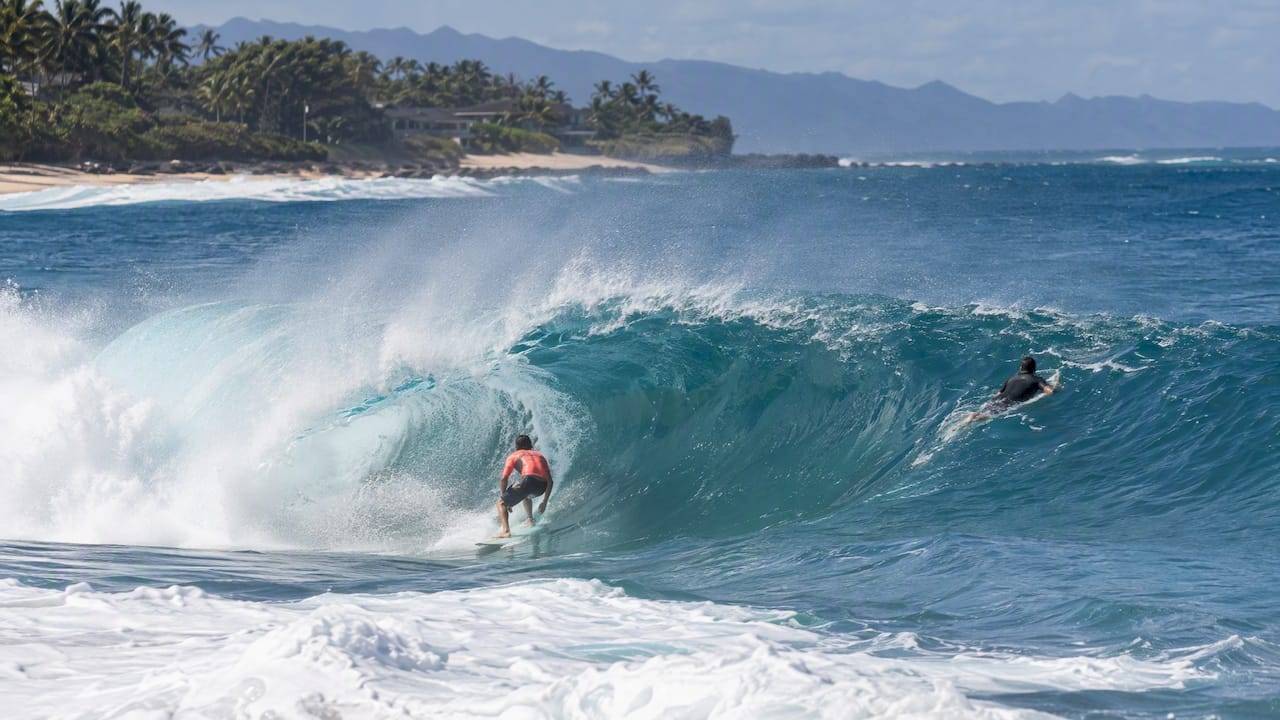
- North Shore circuit: Waimea Bay, Banzai Pipeline, and Sunset Beach. Winter swells turn this stretch into a world stage for big-wave surfing, while summer brings calm, swimmable water. Best for surf fans and photographers; visit midweek to dodge weekend traffic along Kamehameha Highway.
- Lanikai and Kailua Beaches. These neighboring beaches on the windward side offer powder-soft sand and some of the calmest, bluest water on the island. Best for couples and families looking to relax; arrive early since Lanikai has no public parking lot and street spots fill fast.
- Shark’s Cove. This North Shore lava-rock cove turns into a natural aquarium during summer’s calm water, with volcanic tide pools and reef fish close to shore. Best for experienced snorkelers; skip it in winter when surf makes entry dangerous.
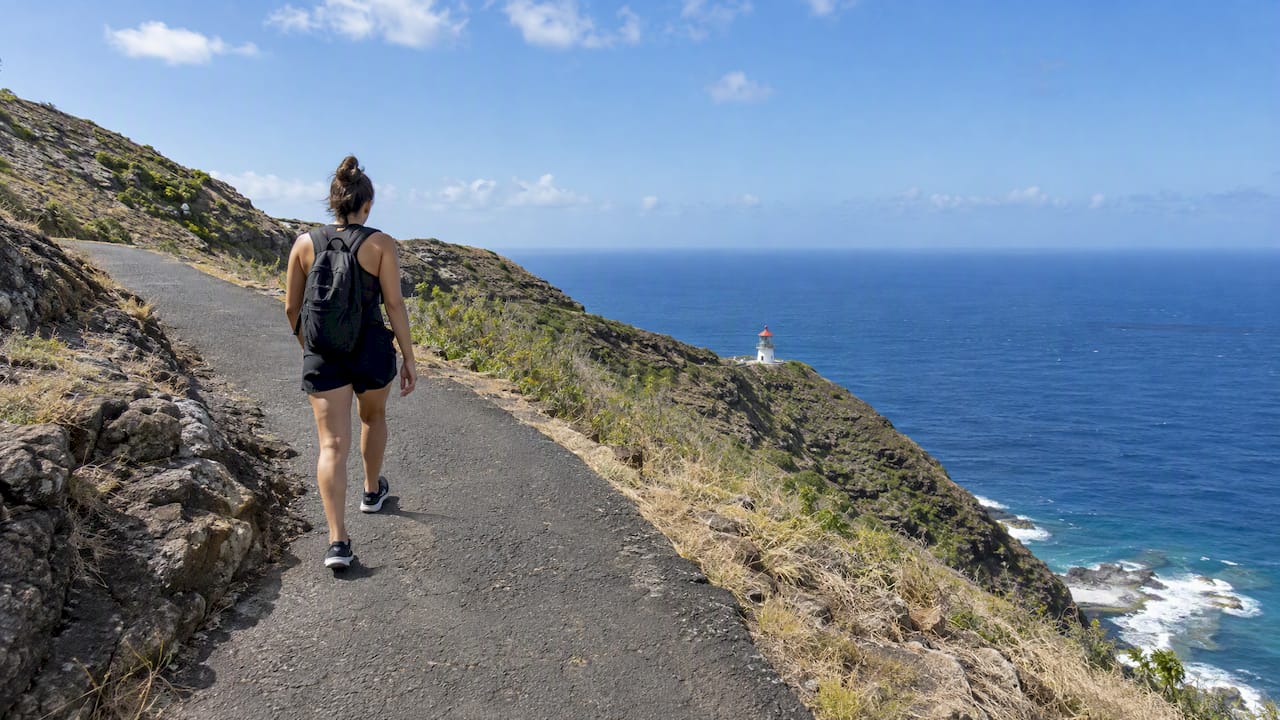
- Makapuu Point Lighthouse Trail. A paved path leads to panoramic ocean views and a historic lighthouse, with whale sightings common in winter. Best for families with strollers or anyone wanting a scenic walk; start early to beat the heat since there’s little shade.
- Koko Crater Railway Trail. Climbing old railway ties up a steep volcanic ridge, this trail rewards effort with panoramic views. Best for fit, adventurous hikers; bring water and start early to avoid full sun on the exposed stairs.
- Kualoa Ranch. Jagged green cliffs, valley tours, and ocean views make this working ranch a favorite backdrop for films and a solid pick for horseback rides, ATV tours, or a scenic boat trip. Best for families and movie buffs; book ranch activities ahead since popular tour times sell out.
- Polynesian Cultural Center. This center brings together villages representing several Pacific cultures with live demonstrations, canoe shows, and an evening luau. Best for travelers wanting an organized cultural deep dive; buy combo tickets in advance to pair the luau with the evening show.
- ʻIolani Palace. As the only official royal residence on American soil, this Honolulu landmark offers a close look at the Hawaiian monarchy’s final decades. Best for history-minded visitors; guided tours run on a set schedule, so check timing before arriving.
- Bishop Museum. Hawaii’s largest museum houses an extensive natural and cultural history collection, including a planetarium. Best for families on a rainy day; plan at least two hours to see the main galleries.
- Sunrise at Lanikai Pillboxes or sunset at Ala Moana Beach Park. Oahu offers dramatic light in both directions, from the pink-tinted pillbox view at dawn to a calm Waikīkī-skyline sunset at dusk. Best for photographers; arrive 20 to 30 minutes early to claim a spot.
- KCC Farmers Market. Held Saturday mornings at Kapiolani Community College, this market gathers local farmers and food vendors against a Diamond Head backdrop. Best for food lovers and early risers; go right at opening for the freshest produce and shortest lines.
- Food trucks and local plate lunches. Spots like Giovanni’s Shrimp Truck and The Lab, a North Shore food truck pod, capture the island’s casual, flavor-forward food culture. Best for budget travelers; cash often moves faster than card at truck windows.
- Dolphin and whale watching tours. Boat tours off the Waianae Coast and south shore offer regular dolphin sightings year-round and humpback whales roughly from December through April. Best for wildlife lovers; book morning departures for calmer water and better visibility.
- Sunset catamaran sail. A relaxed evening sail off Waikīkī pairs ocean views with a front-row seat to the sunset. Best for couples and groups wanting a low-effort evening activity; book a few days ahead during peak season.
- Pali Highway and Nuuanu Pali Lookout. This short scenic drive climbs to a windy overlook with sweeping views of the windward coast. Best for travelers short on time; hold onto hats and loose items since wind gusts here are strong.
- Shave ice and musubi stops. No Oahu trip is complete without a cup of finely shaved ice or a quick rice-and-spam musubi from a local shop. Best for anyone craving an easy, affordable treat between stops.
2. Short-Stay Itineraries: 24 Hours, 2 Days, and 3 to 5 Days
How much of this list you can realistically cover depends on your timeline, so here’s how to pace it.
- 24 hours: Start at Diamond Head for an early hike before the heat sets in, then head to Waikīkī Beach for lunch, a swim, and an afternoon surf lesson. Close the day with a sunset catamaran sail or dinner near the beach, using rideshare or a short walk to cover the short distances between stops.
- 2 days: Day one covers Pearl Harbor and the USS Arizona Memorial in the morning, followed by Bishop Museum or ʻIolani Palace in the afternoon for a history-focused day centered around downtown and Pearl Harbor. Day two shifts to the windward side with Hanauma Bay or Lanikai Beach in the morning and a drive over the Pali Highway back toward Honolulu in the afternoon; a rental car makes this loop far easier than transit.
- 3 to 5 days: Spread the big-ticket items (Diamond Head, Pearl Harbor, Hanauma Bay) across separate mornings so you’re not rushing reservation windows back to back, and add a full day for the North Shore loop through Waimea Bay, Shark’s Cove, and Sunset Beach. Build in one leisure day with no reservations, just beach time, a farmers market visit, and food trucks, and consider a day trip to Kualoa Ranch or the Polynesian Cultural Center if you have a fifth day to spare.
For any day involving Diamond Head, Pearl Harbor, or Hanauma Bay, book your entry reservation the moment it opens and plan to arrive at the site itself well before your scheduled window, since parking lots and check-in lines move slower than most visitors expect.
3. Reservations, Timing, Parking, and Costs for Oahu’s Busiest Sites
Oahu’s three most popular reservation-based sites each run on their own system, and missing the window is the most common way visitors lose a planned day.
- USS Arizona Memorial: Reservations go through Recreation.gov for a nominal $1 non-refundable management fee per ticket, and same-day in-person distribution has been discontinued. New reservation windows open 8 weeks in advance and release daily at 3:00 pm HST, so set a reminder if you’re booking close to your travel dates.
- Hanauma Bay Nature Preserve: Entry requires watching a mandatory orientation video, and non-residents must book an online reservation 48 hours in advance starting at 7:00 am HST. The park is closed every Monday and Tuesday for ecosystem rest, and parking is first-come, first-served, meaning the lot can fill even for visitors holding a valid entry reservation.
- Diamond Head State Monument: Entry and parking reservations are required for non-residents and open up to 30 days in advance, with the hike itself typically taking 60 to 90 minutes round trip.
A reservation confirms your entry window, but it never guarantees a parking spot. Arrive at least 60 minutes before your scheduled program or hike time at all three sites to allow for parking, security screening, and check-in, since lots at Hanauma Bay and Diamond Head routinely fill before midday during peak season.
4. Free and Low-Cost Things to Do on Oahu
A great Oahu trip doesn’t have to run up a big bill, and some of the island’s best moments cost nothing at all.
- Waimea Bay: Free to visit and stunning year-round, with calm swimming in summer and powerful waves to watch (not enter) in winter; cliff jumping here carries real risk and should only be attempted when lifeguards confirm safe conditions.
- Tantalus Lookout: A short drive above Honolulu delivers a free sunset view over the whole south shore; arrive about 30 minutes before sunset for the best light and easiest parking.
- Friday fireworks at Waikīkī: A free show lights up the beach after dark; grab a spot on the sand early for an unobstructed view.
- Foster Botanical Garden trails and public hiking paths: Many trails across the island, including stretches near Manoa Falls, are free or near-free and open daily; check closures after heavy rain since trails can flood.
- Pillbox hikes (Lanikai Pillboxes): Free, short, and steep, these windward trails offer some of the island’s best sunrise views; go early both for the light and to avoid midday heat on the exposed ridge.
- Byodo-In Temple grounds: A small entry fee covers the peaceful Japanese temple and koi ponds tucked into the Valley of the Temples; visit mid-morning on weekdays for the quietest experience.
- KCC Farmers Market: Free to browse, with only your food purchases costing money; Saturday mornings are busiest, so early arrival means better selection.
5. Getting Around Oahu: Rental Car vs. Transit and Parking Realities
Your transportation choice should match your itinerary more than your budget alone.
- Rent a car if your plan includes the North Shore, Kualoa Ranch, or multiple spread-out stops in one day; Oahu’s bus system (TheBus) is reliable within Honolulu and Waikīkī but slow for island-wide hopping.
- Skip the rental if you’re staying mostly in Waikīkī, since walking, rideshare, and TheBus cover the beach, Diamond Head, and nearby shopping and dining easily.
- Expect parking pressure at Hanauma Bay, Diamond Head, and Lanikai Beach; arriving right at opening or using a shuttle service where available saves real time compared to circling for a spot.
- Cruise visitors docking or tendering at Kailua Pier should prioritize nearby, time-flexible options and build in buffer time before their ship’s departure, since reservation-based sites like Hanauma Bay and Diamond Head carry real risk of delay if parking runs long.
Pro Tip: If your shore excursion window is under four hours, choose one reservation-free activity near your port rather than racing between two sites with fixed entry times.
6. Ocean Safety, Reef Etiquette, and Emergency Preparedness
Oahu’s ocean is powerful even on calm-looking days, and a few habits make a real difference.
- Check with a lifeguard before entering the water; the Honolulu Emergency Services Department notes that lifeguards have real-time knowledge of currents, surf, and hazards that visitors can’t judge from the shore.
- Never swim alone, and choose lifeguarded beaches whenever possible, especially on the North Shore in winter.
- Use reef-safe sunscreen and avoid touching coral or sea turtles, both to protect marine life and to avoid injury from sharp coral edges.
- Learn tsunami basics before visiting remote coastal spots: if a warning is issued, evacuate the coastal zone immediately, and use vertical evacuation to higher ground or a higher floor when leaving by road isn’t possible.
- For deeper guidance on reading surf and rip currents before you go, this rip current safety guide breaks down how to spot and escape one.
7. Seasonal and Special Event Highlights Unique to Oahu
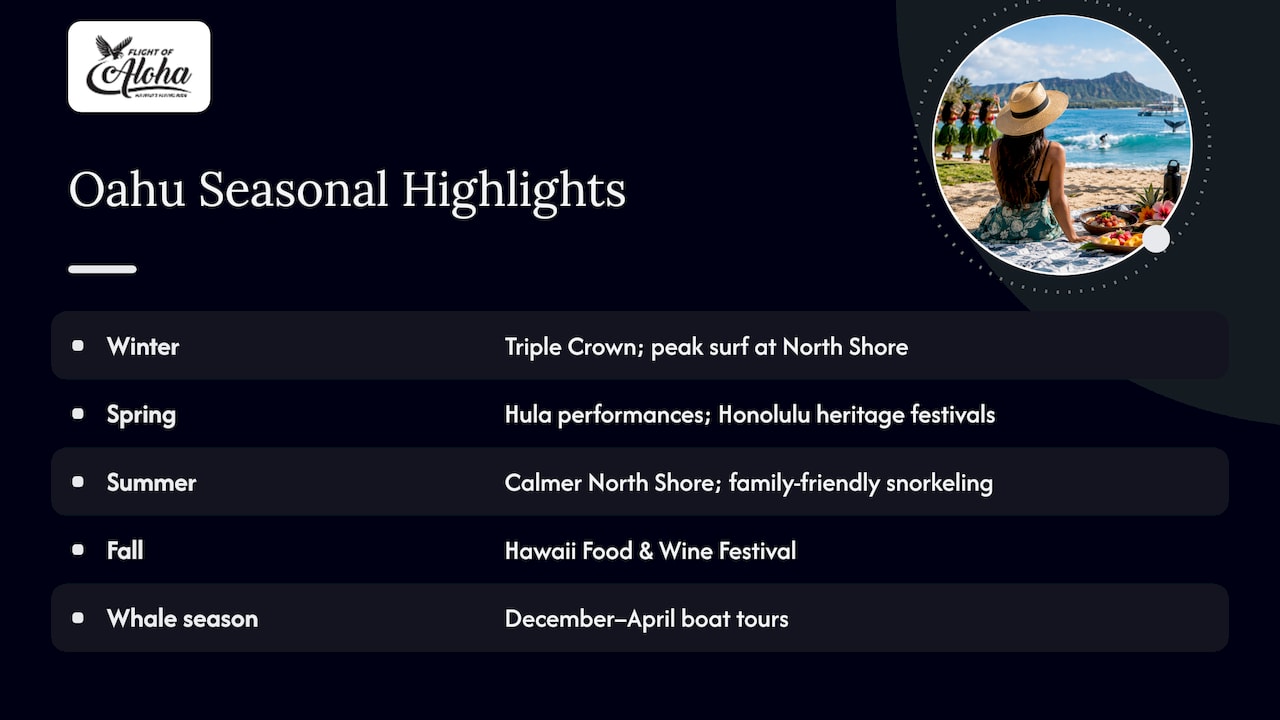
Oahu’s calendar shifts with the seasons, and a few events are worth timing a trip around. Winter (roughly November through February) brings the Vans Triple Crown of Surfing to the North Shore, drawing the world’s best surfers to Pipeline and Sunset Beach when swells peak. Spring brings the Merrie Monarch-adjacent hula performances and cultural festivals across Honolulu celebrating Hawaiian heritage, while summer months see calmer North Shore water and more family-friendly snorkeling conditions at Shark’s Cove and Waimea Bay. Fall brings the Hawaii Food & Wine Festival, pairing local chefs with island-grown ingredients across multiple Oahu venues. Whale season runs roughly December through April, making winter visits especially rewarding for boat tours. Checking a visit against these windows helps decide whether to chase surf, festivals, or calmer beach days.
8. Accessibility Information for Major Attractions and Tours
Several of Oahu’s top stops accommodate visitors with mobility needs, though the island’s natural terrain limits some options. The Pearl Harbor visitor center and USS Arizona Memorial boat program offer accessible features. Check with the site about current access and seating arrangements. Makapuu Point Lighthouse Trail’s paved surface makes it one of the more accessible scenic hikes on the island, while Diamond Head’s steep stairs and narrow tunnel sections make that trail difficult for visitors using mobility devices. Bishop Museum and ʻIolani Palace both offer accessible entrances and ground-floor exhibits. Check Hanauma Bay’s current accessibility information before planning a visit, as access options may vary. Calling ahead to confirm current accessibility features is worthwhile for any attraction before building it into your plan.
9. Tips for Sustainable and Respectful Tourism on Oahu
Oahu’s beaches, reefs, and cultural sites hold deep meaning for Native Hawaiian communities, and a few habits help protect both. Stick to marked trails at hiking sites to avoid damaging fragile volcanic soil and native plants, and never remove rocks, sand, or coral as souvenirs. Choose reef-safe sunscreen before any swim or snorkel to limit chemical runoff onto coral. Support local, family-run food trucks and farmers markets when you can, since that spending stays within island communities. Learn a little about the places you’re visiting, since sites like ʻIolani Palace and Pearl Harbor carry significant cultural and historical weight beyond their photo opportunities. Respecting posted cultural and natural area closures, even when they seem inconvenient, helps keep these places open for the next visitor.
10. How We’d Choose Activities for a First Oahu Trip
Faced with this much choice, we’d sort activities by four factors: energy level, weather and reservation timing, travel distance between stops, and who’s in your group. A family with young kids does well pairing Makapuu’s paved trail with a calm swim at Lanikai, skipping Koko Crater’s steep stairs entirely. An active traveler should anchor the trip around Diamond Head, Koko Crater, and a full North Shore day, booking reservations the moment they open. A budget-minded visitor can build an excellent week around free beaches, the KCC Farmers Market, and food trucks, saving spending for one or two priority reservations. For travelers who want an aerial view of the islands without the logistics of a helicopter tour, an indoor flying theater experience on another island offers that same wide-angle perspective in a controlled, weather-proof setting.
— Ola
Another Way to See the Islands from Above: Flight of Aloha
If a helicopter tour and an immersive theater ride had a baby, that’s close to what we built. Flight of Aloha gives you sweeping aerial views of Hawaii’s coastlines, valleys, and volcanoes through 8K visuals, motion effects, scent, and wind, without the $400 price tag or the motion sickness a real helicopter flight can bring. We’re Native Hawaiian-owned, and our films like Naupaka and Lahaina root the experience in real Hawaiian stories rather than just scenery.
- On rainy days in Kona or Maui, or when vog thickens the air outside, our indoor theaters stay comfortable with reliable air conditioning and zero weather dependency.
- Our Kailua-Kona location sits within walking distance of Kailua Pier, making it one of the easiest shore excursions to fit into a tight cruise schedule.
- We also operate at Whalers Village in Kaanapali, Maui, so the same comfortable, aerial experience is available on two islands.
- Our shows suit families, cruise visitors, and anyone who wants a seated, accessible way to experience Hawaii’s beauty.
Pair a flight like Naupaka or our Double Feature Flying Ride with your Kona or Maui day, or explore our VIP Package for a more immersive visit. Book online to secure your seat.
FAQ
What are the must-do things to do on Oahu?
The essentials are the Diamond Head hike, a Pearl Harbor and USS Arizona Memorial visit, snorkeling at Hanauma Bay or Shark’s Cove, a North Shore beach day, and local food stops like a farmers market or food truck. Most visitors combine two or three of these per day depending on reservation timing and travel distance.
Do I need reservations for Pearl Harbor and Diamond Head?
Yes, both require advance reservations: USS Arizona Memorial tickets open 8 weeks ahead through Recreation.gov for a $1 fee, while Diamond Head reservations open up to 30 days in advance for non-residents. Neither reservation guarantees parking, so arriving early matters as much as booking early.
What’s the best way to see Honolulu in one day?
A focused day pairs an early Diamond Head hike with afternoon beach time at Waikīkī, closing with a sunset catamaran sail or dinner near the shore. This route keeps travel distances short and avoids the longer drive out to the North Shore or windward side.
Is Oahu good for a rainy-day plan?
Yes, Bishop Museum, ʻIolani Palace, and the Polynesian Cultural Center all work well when weather turns, since each offers indoor or covered exhibits and programming. An indoor flying theater experience is another weather-proof option if you’re visiting the Big Island or Maui as part of your Hawaii trip.
How far in advance should I book Hanauma Bay?
Non-resident reservations open 48 hours in advance at 7:00 am HST, and slots can go quickly once the window opens. The park is closed every Monday and Tuesday, so check your travel dates against that schedule before planning around it.
Sources
- USS Arizona Memorial Programs – Pearl Harbor National Memorial (U.S. National Park Service)
- Frequently Asked Questions – Hanauma Bay State Park
- Diamond Head State Monument
- Staying Safe on Oʻahu – Honolulu Emergency Services Department