
10 Must Visit Places in Maui Every First-Timer Should Book
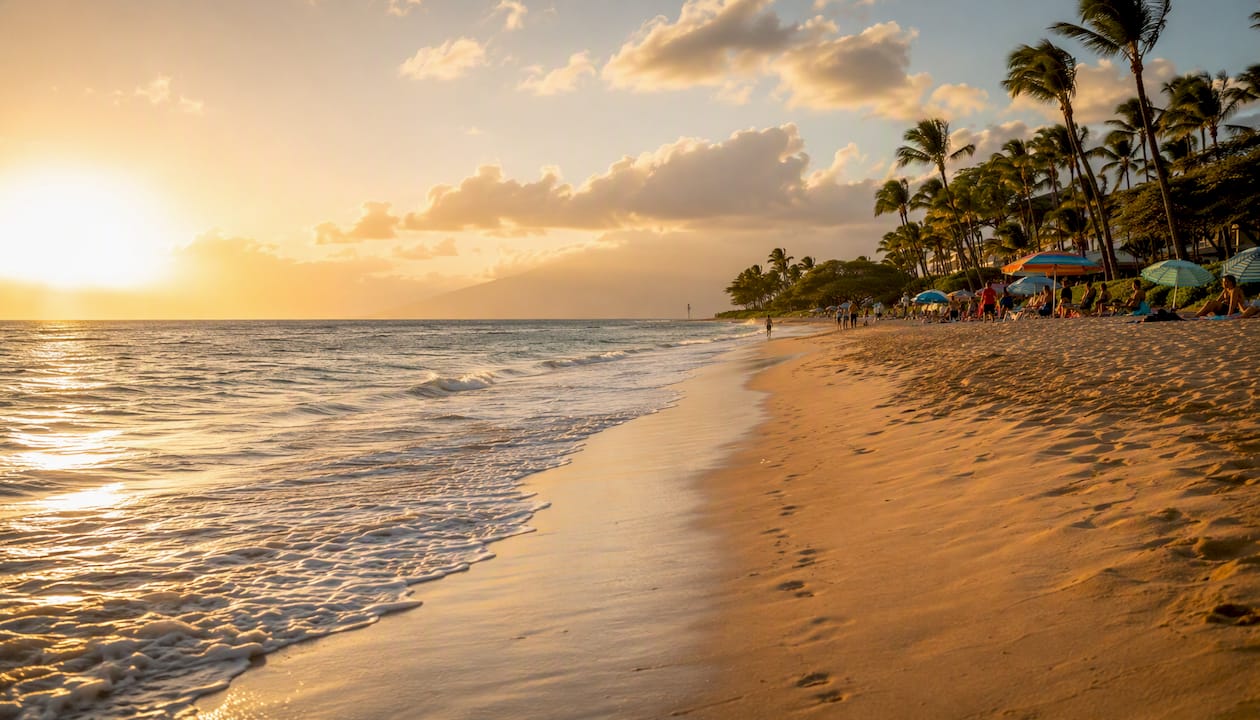
The must-visit places in Maui include the Haleakalā summit, the Road to Hāna, Molokini and Turtle Town for snorkeling, Kāʻanapali and historic Lāhainā, Waiʻānapanapa’s black sand beach, ʻĪao Valley, Makena’s Big Beach, the Pipiwai waterfalls, the Maui Ocean Center, and Flight of Aloha at Whalers Village Kāʻanapali. That last one surprises people, but it earns its spot; it’s the most accessible attraction on the island, an indoor cultural and aerial experience that works when the trade winds kick up, the vog rolls in, or your legs need a break from lava rock trails.
If you only book three things before you land, book these. Reserve your Haleakalā sunrise timed-entry permit, lock in a Molokini snorkel boat, and block a full day for the Road to Hāna. Everything else on Maui can be improvised. Those three cannot, and travelers who treat them as walk-up experiences are the ones who end up watching the sunrise from a parking lot outside the reservation gate.
- Haleakalā summit — sunrise or midday, both require planning
- Road to Hāna — a full-day drive, not a quick loop
- Molokini / Turtle Town snorkeling — book the boat weeks ahead
- Kāʻanapali & Lāhainā — West Maui’s resort and history hub
- Waiʻānapanapa State Park — black sand, lava tubes, cultural significance
- ʻĪao Valley — the green needle everyone photographs
- Makena / Big Beach — the wildest stretch of sand in South Maui
- Pipiwai Trail waterfalls — bamboo forest and the Waimoku Falls payoff
- Maui Ocean Center — indoor, air-conditioned, great with kids
- Flight of Aloha — the accessible flying theater experience in Kāʻanapali
Booking priority in one line: secure the Haleakalā permit through Recreation first, because that window sells out fastest, then work backward from there to fill in your snorkel boat and Hāna day.
Key Takeaways
Prioritizing Maui’s must-visit places by permit deadlines, weather patterns, and drive times gets you more of the island than any rigid checklist ever will.
| Point | Details |
|---|---|
| Book Haleakalā first | Timed-entry sunrise permits release 60 days out on Recreation.gov and sell out fastest. |
| Reserve your snorkel boat early | Molokini and Turtle Town trips from Maalaea or Kihei fill weeks ahead in peak season. |
| Confirm your rental car | Public transit doesn’t reach Hāna or Haleakalā, so a car is required, not optional. |
| Pack reef-safe sunscreen | Mineral-based, oxybenzone-free formulas protect the coral around Maui’s snorkel sites. |
| Split your base by region | Three nights near Kāʻanapali or Wailea and two near Hāna beats daily long drives. |
| Have a rainy-day plan | Flight of Aloha at Whalers Village runs in any weather and works well for a wet morning or a hot afternoon. |
Must-Visit Places in Maui by Region
Maui doesn’t reward a single loop drive the way some islands do. The terrain shifts so much between coasts that locals plan by zone, not by mileage, and that’s the smartest way for you to build an itinerary too. Here’s what matters in each part of the island, and what to actually do once you’re standing there.
West Maui centers on Kāʻanapali and historic Lāhainā, where beach resorts meet whaling-era streets. Lāhainā’s historic walking trail covers old missionary buildings and harbor sites, best explored in the cooler morning hours before the afternoon sun turns the pavement into a griddle. Kāʻanapali Beach is where you want to be for sunset, and parking gets tight after 4 p.m., so arrive by mid-afternoon if you want a spot near Whalers Village. Budget two to three hours for a beach walk and dinner, longer if you’re diving into shops and galleries.
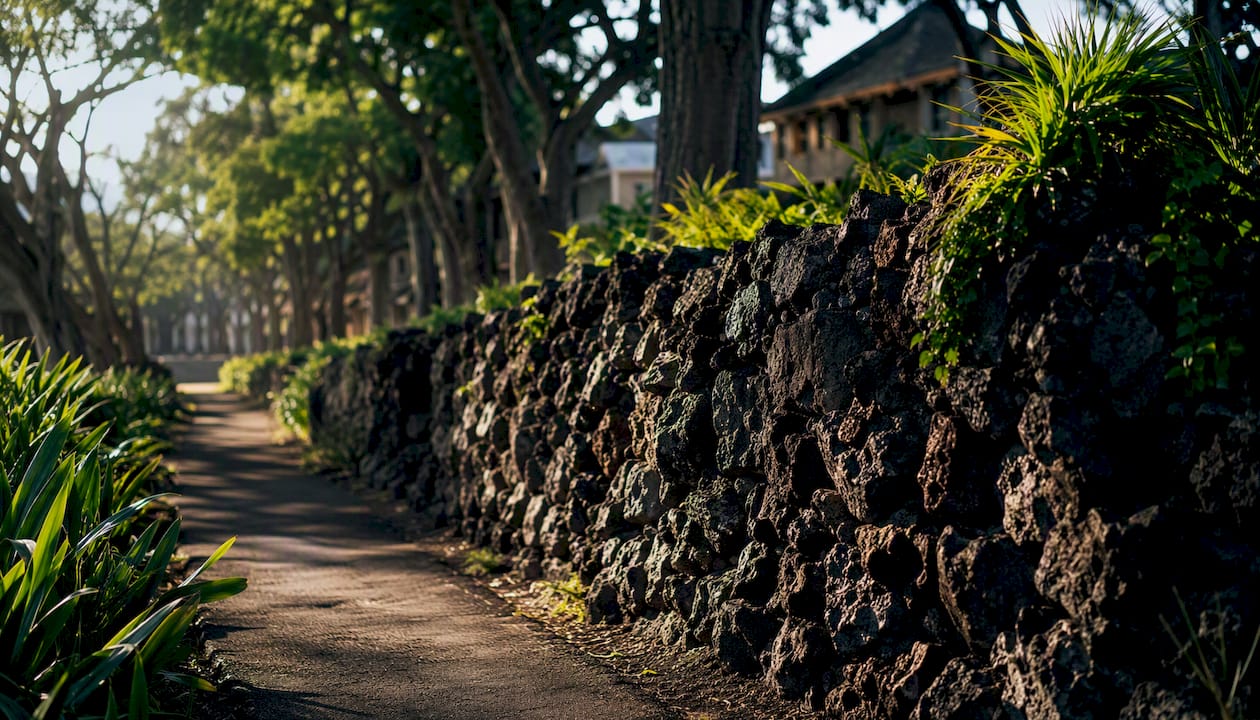
South Maui is calmer water and family territory. Wailea’s beaches are manicured and gentle, ideal for young kids or anyone who wants postcard sand without a hike to reach it. Makena, known locally as Big Beach, is wilder and less developed, with bodysurfing waves that demand real respect. The Kamaʻole Beach parks in Kihei sit in between: easy parking, lifeguards, and a solid base if you’re staying in South Maui rather than the resort corridor.
Central Maui holds two of the island’s most underrated stops. ʻĪao Valley State Monument frames the ʻĪao Needle, a 1,200-foot volcanic spire wrapped in rainforest, and the walk to the main viewpoint takes only 20 to 30 minutes round trip. The Department of Land and Natural Resources manages the site and posts current access notes, worth a quick check before you go. Nearby Wailuku town has a walkable historic district, and the Maui Ocean Center in Maalaea gives you an indoor, climate-controlled hour or two with reef sharks and green sea turtles when the outdoor heat gets old.
Upcountry means Haleakalā National Park and the farm towns that ring its base. The summit sits above 10,000 feet, cold enough for a jacket even in July, and both sunrise and midday visits require the same timed-entry reservation. Kula’s lavender farms and Makawao’s cowboy-town main street make a relaxed half-day if you’re not chasing sunrise and want to see a slower side of the island.
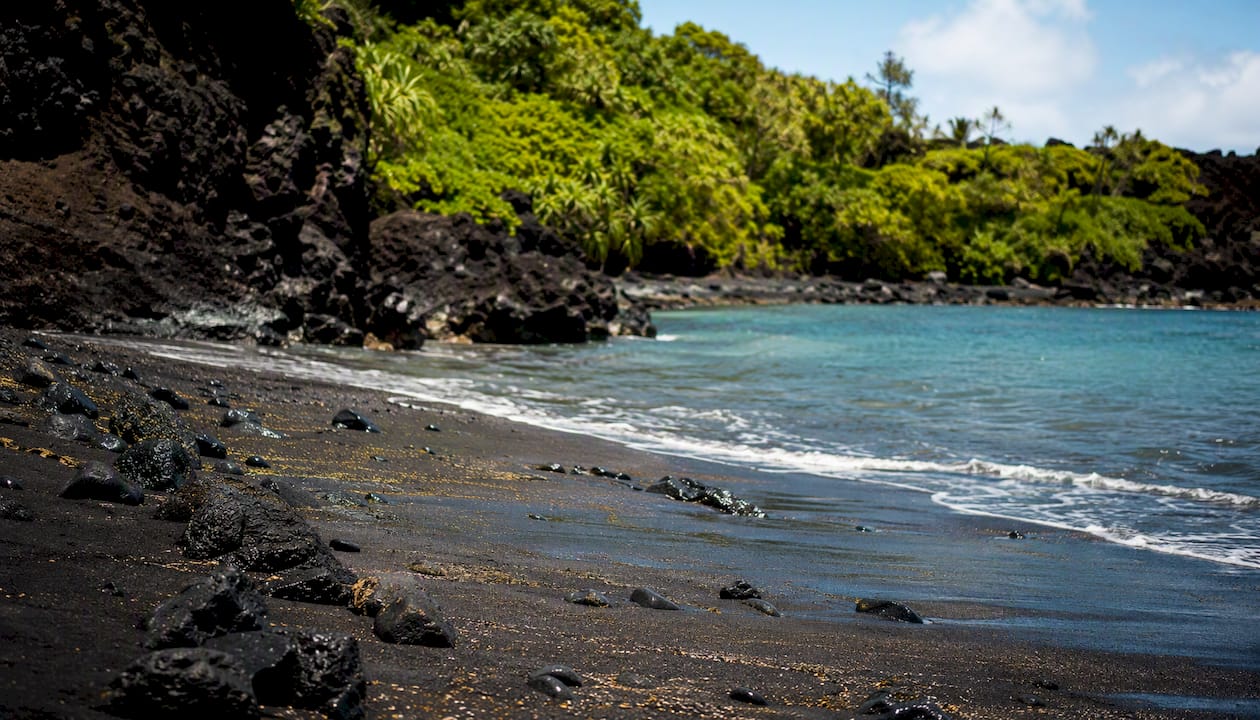
East Maui, the Road to Hāna corridor, holds the highest concentration of must-see stops per mile anywhere on the island. Waiʻānapanapa State Park’s black sand beach formed from lava rock ground smooth by centuries of surf, and the site carries deep cultural significance, so stick to marked paths. The Pipiwai Trail near Hāna cuts through a bamboo forest to Waimoku Falls, a four-mile round trip that takes most people two to three hours.
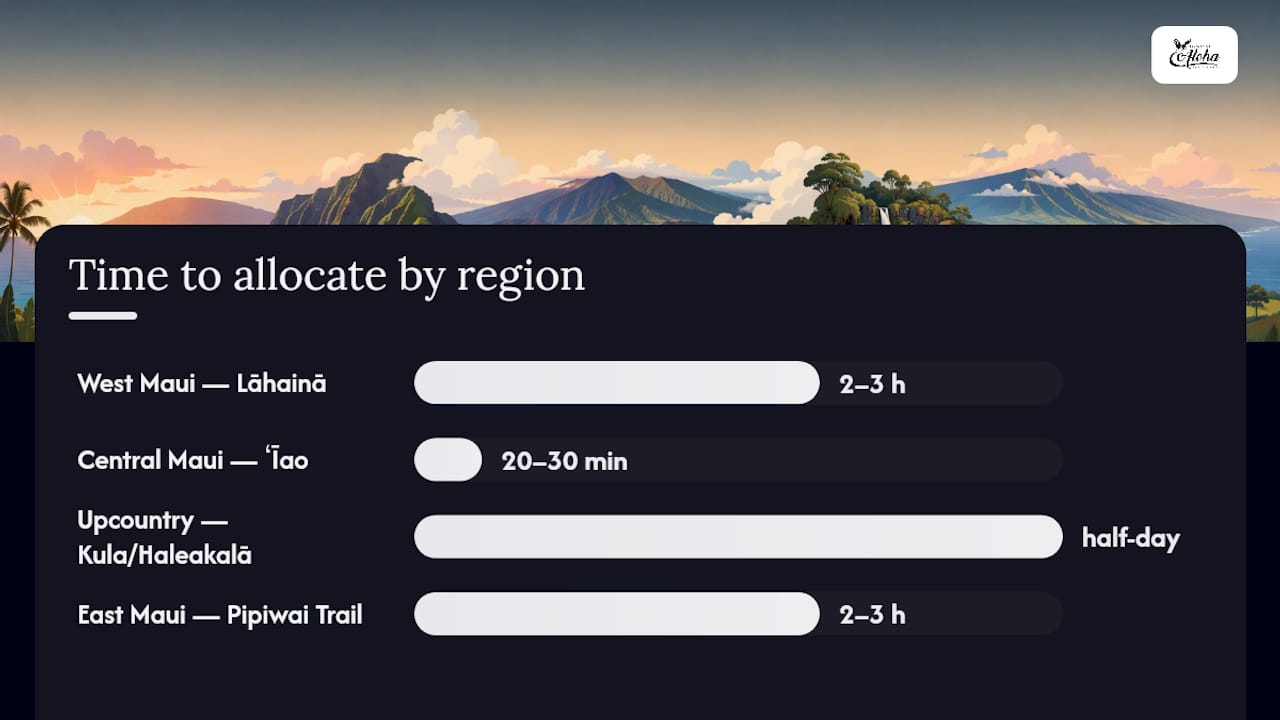
| Region | Signature Stop | Best Time of Day | Time to Allocate |
|---|---|---|---|
| West Maui | Kāʻanapali & Lāhainā | Late afternoon into sunset | 2 to 3 hours |
| South Maui | Makena / Big Beach | Morning, before wind picks up | 2 to 4 hours |
| Central Maui | ʻĪao Valley | Early morning, fewer crowds | 1 to 2 hours |
| Upcountry | Haleakalā summit | Sunrise or clear midday | 3 to 5 hours round trip |
| East Maui | Pipiwai Trail & Waiʻānapanapa | Morning start, full day | 3 to 5 hours |
What Should You Book Before You Land in Maui?
Three experiences on this list function on a completely different clock than the rest of the island, and treating them casually is the single most common planning mistake.
- Haleakalā sunrise: timed-entry reservations go live 60 days out and release in small batches. Book the moment your window opens.
- Molokini and Turtle Town snorkel boats: operators sail from Maalaea Harbor or Kihei, and peak-season slots fill weeks to months ahead.
- Road to Hāna: no reservation required, but you need a full day and a rental car reserved well before arrival, since Maui’s fleet tightens up fast in summer and around the holidays.
Travel guides covering the best things to do on Maui consistently flag these same three as the ones people underestimate, and the pattern holds for a reason: they’re the only experiences on this list with a hard external gatekeeper, whether that’s a park permit system or a boat with limited seats.
| What to Book | Where | How Far Ahead |
|---|---|---|
| Haleakalā sunrise permit | Recreation.gov | 60 days, book on release day |
| Molokini/Turtle Town boat | Maalaea or Kihei harbor operators | weeks to months ahead |
| Rental car | Kahului or Kapalua airport | 1 to 3 months for best rates |
| Flight of Aloha show | Whalers Village, Kāʻanapali | Anytime, walk-in friendly |
Pro Tip: The most common Haleakalā mistake isn’t forgetting to book, it’s booking the wrong slot. The sunrise reservation only covers the 3 a.m. to 7 a.m. window. If you’re arriving at 9 a.m. for the crater views without the crowd, you don’t need it at all.
How Many Days Do You Need in Maui?
Your trip length decides how much of this list you can realistically hit, and that’s where a lot of first-timers overreach.
A 3-day trip should stay tight. Day one: settle into your base, walk Kāʻanapali Beach, catch sunset at Whalers Village. Day two: full Road to Hāna day, starting at dawn to beat tour traffic near Twin Falls. Day three: Haleakalā sunrise, breakfast in Kula, then Molokini snorkel boat in the afternoon if your operator runs a midday trip, or ʻĪao Valley if you’d rather ease into your flight home.
A 5-day trip lets you split your base, which local guides consistently recommend over daily long drives across zones. Spend three nights in Kāʻanapali or Wailea and two in or near Hāna.
- Day one: arrive, unpack, sunset at your resort beach.
- Day two: Haleakalā sunrise, then Upcountry farms and Makawao.
- Day three: drive the Road to Hāna, overnight in or near Hāna town.
- Day four: Pipiwai Trail and Waiʻānapanapa in the morning, drive back by afternoon.
- Day five: Molokini snorkel boat, then Flight of Aloha in the evening if weather turns or legs are tired.
A 7-day trip adds breathing room for ʻĪao Valley, a full South Maui beach day at Makena, the Maui Ocean Center, and a second attempt at snorkeling if conditions were rough the first time. It also lets you treat one full day as a buffer, which matters more than people expect once a rain system rolls through Upcountry.
Budget a full day for the Road to Hāna, three to five hours for Haleakalā sunrise and summit combined, and a half-day minimum for any snorkel trip once you factor in boat time and gear.
Getting Around Maui: Cars, Roads, and Parking
A rental car isn’t optional here. Public transit exists but doesn’t reach Hāna, Haleakalā, or most trailheads, so plan your budget around a vehicle from day one. Drive times run longer than the map suggests: Kahului to Hāna takes about two and a half hours one-way even without stops, and the road’s 600-plus curves make speeding pointless and dangerous.
If you’re basing in Kāʻanapali, Kapalua Airport offers a closer landing point than Kahului for some connecting flights. Most visitors still fly into Kahului (OGG), the island’s main hub, and drive from there.
On the Road to Hāna, turn around at Waiʻānapanapa if you’re short on time rather than pushing to the Kīpahulu district and driving back in the dark. Parking at Haleakalā summit lots fills fast during sunrise season, and rangers do enforce the reservation system at the gate. Reef-safe sunscreen matters more than people realize; mineral-based formulas without oxybenzone protect the coral you’re there to see. Ocean conditions shift fast on the north and east shores, so check posted flags before swimming anywhere unfamiliar.
For lodging, Wailea suits couples and travelers chasing calm water and quiet resorts. Kāʻanapali fits families who want walkability and a built-in sunset view. Kihei offers a lower-cost, condo-heavy alternative in South Maui. Staying a night in Hāna itself, even at a modest inn, saves you from the exhausting round-trip drive in a single day. Upcountry lodging near Kula suits travelers prioritizing Haleakalā sunrise over beach time.
Pro Tip: Rent your car with a full tank policy in mind. Gas stations thin out fast past Paia heading toward Hāna, and running low on the winding stretch past Keanae is not where you want to test your fuel gauge.
Flight of Aloha: The Indoor Pick for Rainy Days in Maui
Every Maui itinerary needs a backup plan, because East Maui and Upcountry pull in noticeably more rain than the resort coasts, and a wet morning can wreck a day you didn’t buffer for. Flight of Aloha, located inside Whalers Village in Kāʻanapali, is that backup, and it’s good enough to book on purpose, not just when the weather forces your hand.
The show is a flying theater: 8K visuals, motion effects, wind, and scent work together to simulate soaring over Hawaiian landscapes, paired with films rooted in real cultural storytelling like Naupaka and Lahaina. It’s Native Hawaiian-owned, which means the legends on screen come from the culture itself rather than a generic tropical backdrop. For cruise passengers docking nearby, it sits close enough to the harbor area to work as a quick, satisfying shore stop without eating your whole port day.
Helicopter tours over Maui routinely run several hundred dollars a seat, come with strict weight and motion-sickness disclaimers, and depend entirely on clear skies to fly at all. Flight of Aloha delivers the same soaring, cliff-diving, waterfall-chasing sensation from a seat that never leaves the ground, works in any weather, and costs a fraction of a helicopter ticket.
- Located in Whalers Village, Kāʻanapali (Maui), with a sister location in Kailua-Kona
- Fully climate-controlled, a genuine relief from midday heat or vog haze
- Runs regardless of rain, wind, or cloud cover, unlike aerial tours
- Native Hawaiian-owned, with cultural storytelling built into every film
If you’re weighing a helicopter tour against a flying theater, the honest case for Flight of Aloha comes down to reliability: it flies every single showtime, every single day.
Why Prioritizing Culture and Weather Beats a Rigid Checklist
Most Maui checklists treat every stop as equally urgent, and that’s the wrong instinct. Haleakalā and the Road to Hāna genuinely need to be planned around, because they’re gated by permits and distance. Everything else should bend around your weather, your energy, and how much driving you can stomach on a given day.
The bigger blind spot is cultural etiquette, and it deserves more attention than most guides give it. Waiʻānapanapa and ʻĪao Valley aren’t just scenic backdrops; they carry real significance in Hawaiian history, and treating cultural experiences with respect matters as much as getting the photo. Stay on marked trails, never remove lava rock or sand as a souvenir, and if you’re at a heritage site, keep the volume down. These aren’t arbitrary rules; they’re the difference between visiting a place and intruding on one.
If your trip is short, cut ruthlessly rather than rushing everything. A 3-day visitor should skip ʻĪao Valley before they’d skip Haleakalā. A family with young kids should weight the Maui Ocean Center and Flight of Aloha over a strenuous Pipiwai hike. Match the list to your actual trip, not the other way around.
Book Your Maui Must-See List Before You Fly
You’ve got the Haleakalā permit locked, the Molokini boat booked, and a full day blocked for Hāna. Now build in the one stop that works no matter what the sky does: Flight of Aloha at Whalers Village in Kāʻanapali, with a sister location in Kailua-Kona for anyone splitting a trip across islands.

This is the flying theater experience that solves the problem helicopter tours can’t: no $400 seat, no motion sickness, no grounded flights when the trades kick up or the vog rolls in. It’s climate-controlled, walking distance from cruise tender docks for a quick shore excursion, and Native Hawaiian-owned, with films built on real cultural storytelling rather than a tourist gloss. Whether you’re dodging a rainy Upcountry morning or just want the best air-conditioning in Kāʻanapali after a day on the sand, this is where you land. Check showtimes and grab tickets for Flight of Aloha before your trip fills up with everything else on this list. Book online to secure your seat.
Sources
Book permits and verify park rules through official channels only. Tour operators and blogs are great for planning ideas, but the reservation itself should always come from the primary source.
Check seasonal alerts before you travel. Trail closures, flash flood warnings on the Road to Hāna, and park capacity limits change without much notice, and the official pages above update faster than most travel blogs.