
Role of Family-Friendly Attractions – Impact on Travel
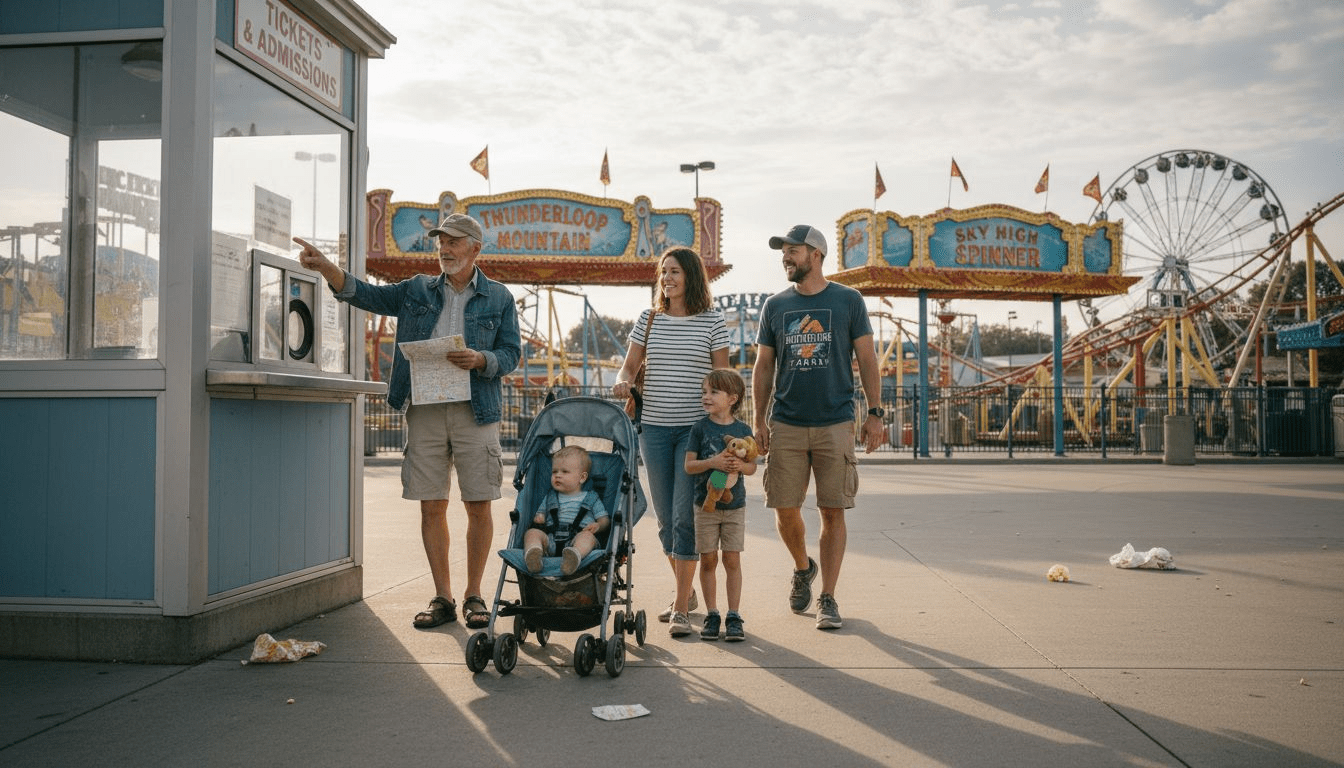
Every American family knows the challenge of finding attractions where everyone—from toddlers to grandparents—can truly connect. More than eighty percent of travelers say shared experiences are their top priority during vacations in places like Kailua-Kona. With so many entertainment options competing for attention, discovering immersive spaces that blend fun, safety, and cultural storytelling matters even more. This guide spotlights ways families can enjoy memorable adventures while booking with total confidence in Kailua-Kona.
Table of Contents
- Defining Family-Friendly Attractions And Concepts
- Types Of Family-Friendly Experiences In Tourism
- Core Features: Immersion, Safety, And Accessibility
- Cultural Storytelling And Educational Value
- Traveler Benefits: Bonding, Convenience, And Engagement
- Common Mistakes And Emerging Trends In Family Tourism
Key Takeaways
| Point | Details |
|---|---|
| Family-Friendly Attractions | These spaces foster multi-generational engagement, prioritize safety, and encourage interactive participation for all family members. |
| Diverse Family Experiences | Family tourism includes various experiences such as adventure, culture, education, and nature to cater to different family interests and enhance bonding. |
| Immersive and Accessible Design | Attractions should emphasize sensory engagement and universal accessibility to ensure enjoyable experiences for every visitor, regardless of ability. |
| Modern Inclusive Approaches | Current trends focus on recognizing diverse family structures and providing flexible, adaptive experiences that enhance engagement and accessibility for all. |
Defining Family-Friendly Attractions and Concepts
Family-friendly attractions represent dynamic entertainment spaces designed to create meaningful shared experiences across diverse family structures. These environments go beyond traditional entertainment, offering inclusive settings that accommodate multiple generations and family models. Modern attractions recognize that families are not confined to the classic nuclear model but encompass blended, multicultural, and chosen family units.
Research highlights three fundamental characteristics that define truly family-friendly attractions. First, they provide multi-generational engagement opportunities where children, parents, and grandparents can participate together. Second, these spaces prioritize safety and accessibility, ensuring comfortable experiences for all age groups. Third, they offer interactive elements that encourage collective participation rather than passive observation. The goal is creating memorable moments that strengthen familial connections and provide enjoyable shared adventures.
Global research trends demonstrate that family-friendly attractions are increasingly focused on emotional experiences and personal connections. They are not merely entertainment venues but platforms for storytelling, cultural learning, and creating lasting memories. These attractions understand that families seek experiences that spark curiosity, encourage learning, and provide opportunities for meaningful interaction.
Pro tip: When selecting a family-friendly attraction, prioritize venues that offer diverse engagement levels and interactive experiences that cater to different age groups and interests.
Types of Family-Friendly Experiences in Tourism
Family tourism experiences reveal a rich tapestry of travel options designed to meet diverse family needs and interests. These experiences range from adventure-based activities to cultural immersion, educational journeys, and nature-oriented expeditions. Each type of experience offers unique opportunities for families to connect, learn, and create lasting memories together, with selections varying based on factors like children’s ages, family interests, and desired outcomes.
Research identifies several primary categories of family-friendly tourism experiences. Adventure tourism provides active, physically engaging experiences that challenge and excite family members. Cultural tourism focuses on exploring local traditions, historical sites, and community interactions, offering educational insights and cross-cultural understanding. Educational trips intentionally incorporate learning experiences, such as museum visits, historical tours, or scientific exploration, making knowledge acquisition an integral part of the travel experience.
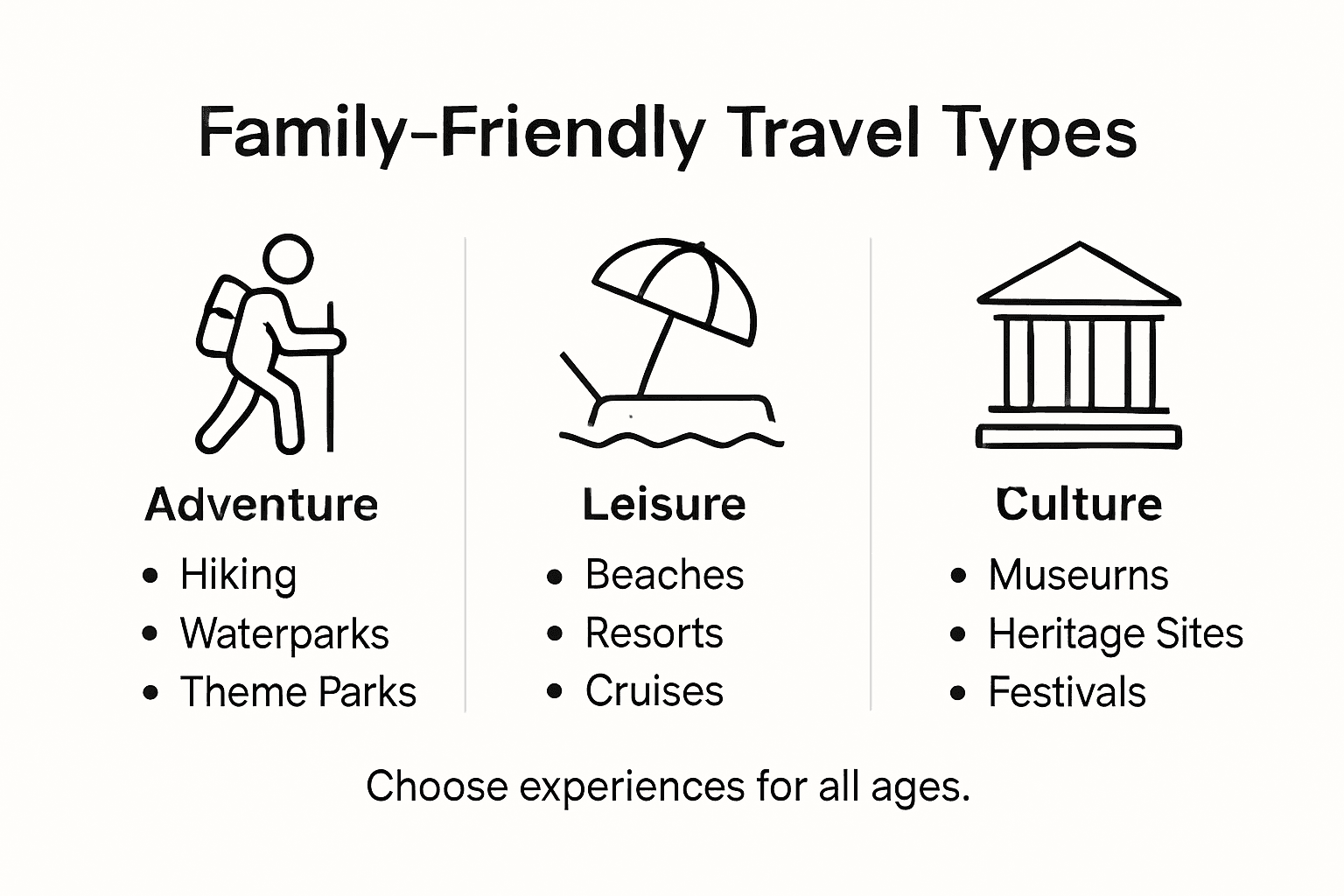
Global tourism studies also highlight specialized categories like nature-based tourism, which immerses families in natural environments through activities like wildlife viewing, hiking, and ecological exploration. Urban tourism offers families the excitement of city experiences, including museums, attractions, and multicultural environments. Additionally, visiting friends and relatives remains a significant family travel category, providing opportunities for intergenerational bonding and maintaining familial connections across geographic distances.
Here’s a summary of the main types of family-friendly tourism experiences and what they offer:
| Experience Type | Key Activities | Primary Benefits |
|---|---|---|
| Adventure Tourism | Hiking, zip-lining, water sports | Builds confidence, excitement |
| Cultural Tourism | Museum visits, local festivals | Encourages learning, empathy |
| Nature-Based Travel | Wildlife viewing, nature walks | Promotes sustainability, awe |
| Urban Exploration | City tours, theme parks, exhibits | Expands perspectives, fun |
| Visiting Relatives | Family gatherings, reunions | Strengthens bonds, tradition |
Pro tip: When planning family travel, select experiences that balance activity levels, offer multi-generational appeal, and provide opportunities for both structured and spontaneous interactions.
Core Features: Immersion, Safety, and Accessibility
Immersive tourism environments represent sophisticated design approaches that transform traditional visitor experiences into multisensory, emotionally engaging journeys. These environments go beyond simple entertainment, creating holistic experiences that integrate physical spaces, technological interfaces, and human interactions to deliver meaningful, inclusive encounters for all family members. The core objective is to design attractions that simultaneously stimulate emotional connection, ensure personal safety, and provide universal accessibility.
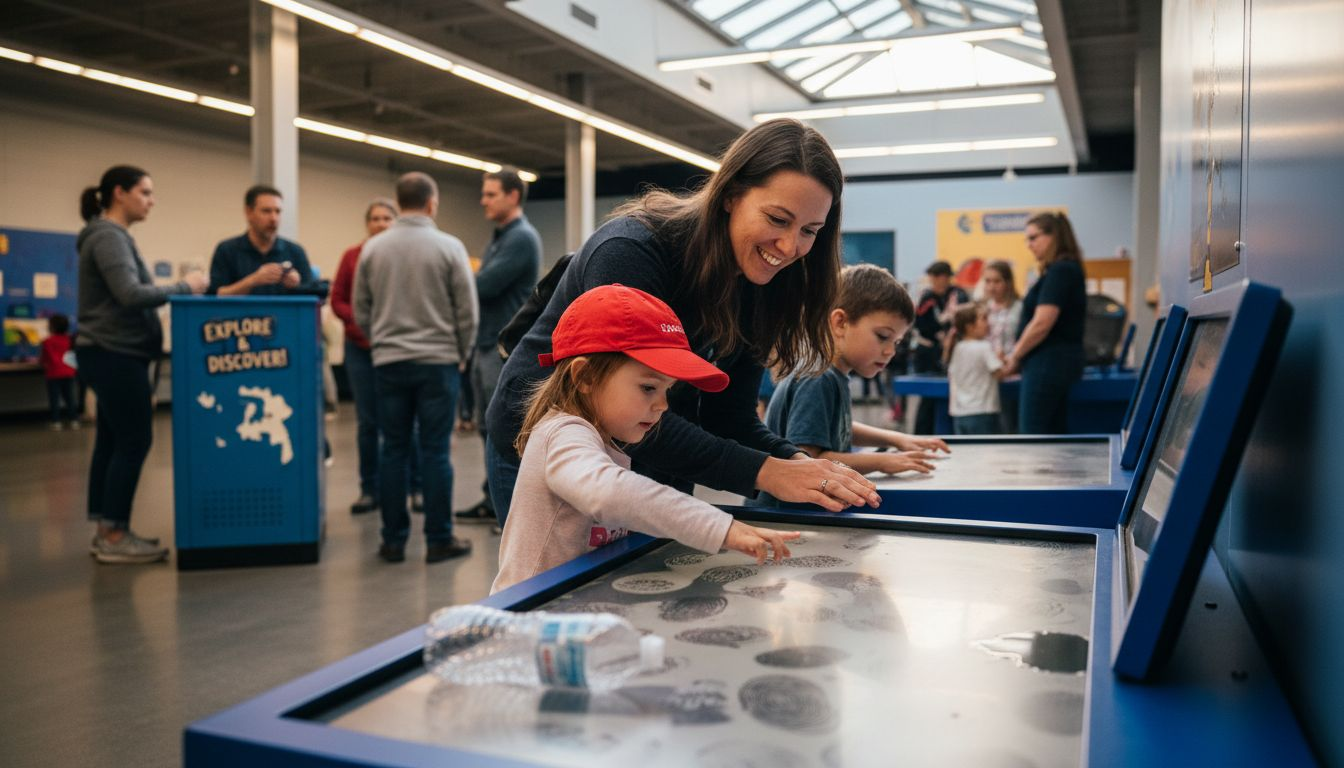
Immersion emerges as a critical feature characterized by deep sensory engagement. This involves creating environments that activate multiple senses through carefully crafted visual, auditory, olfactory, and tactile experiences. Interactive elements encourage active participation, transforming visitors from passive observers to engaged participants. Safety becomes intrinsic to immersive design, with attractions implementing comprehensive strategies that protect physical well-being while maintaining an atmosphere of excitement and discovery.
Sustainable tourism research emphasizes accessibility as a fundamental design principle. This goes beyond physical accommodations for individuals with disabilities, encompassing cognitive, sensory, and emotional accessibility. Family-friendly attractions must create environments that welcome diverse abilities, ages, and backgrounds, ensuring that every family member can fully participate and enjoy the experience. Technological innovations like adaptive interfaces, multilingual support, and customizable interaction levels are becoming standard in creating truly inclusive attractions.
Pro tip: When evaluating family-friendly attractions, assess their immersion quality by checking for multisensory experiences, adaptive technologies, and inclusive design features that accommodate different age groups and abilities.
Cultural Storytelling and Educational Value
Historical storytelling in cultural heritage tourism represents a powerful mechanism for transforming passive visitor experiences into deeply engaging, emotionally resonant learning journeys. By weaving narratives that connect personal experiences with broader cultural contexts, family-friendly attractions create immersive educational environments that transcend traditional information delivery. These storytelling approaches allow families to explore complex cultural landscapes through interactive, emotionally compelling narratives that make learning feel like a natural, exciting discovery.
The narrative design of cultural attractions plays a crucial role in educational engagement. Successful storytelling integrates multiple sensory and cognitive elements, transforming historical and cultural information into memorable experiences. Interactive exhibits, multimedia presentations, and first-person narrative techniques enable visitors to connect personally with cultural content. This approach moves beyond traditional didactic methods, encouraging active participation, critical thinking, and emotional connection with the cultural context being explored.
Digital storytelling frameworks highlight the importance of community participation and cultural authenticity in creating meaningful educational experiences. Modern family-friendly attractions increasingly leverage technology to provide multilayered storytelling that appeals to different age groups and learning styles. Multimedia integration, adaptive narratives, and cross-generational engagement strategies ensure that educational content remains accessible, engaging, and relevant to diverse family members. These approaches transform cultural learning from a passive experience into an interactive, collaborative journey of discovery.
Pro tip: When selecting cultural attractions, look for experiences that offer interactive storytelling, multiple narrative perspectives, and opportunities for family members to engage with content at their own pace and understanding level.
Traveler Benefits: Bonding, Convenience, and Engagement
Family tourism experiences represent far more than simple vacations. They are transformative journeys that foster deep connections, personal growth, and shared understanding among family members. By creating environments that facilitate meaningful interactions, these experiences help families break away from routine, develop stronger emotional bonds, and create lasting memories that extend well beyond the actual travel period.
The psychological benefits of family-friendly attractions are profound and multidimensional. Shared experiences provide opportunities for intergenerational learning, communication skill development, and mutual understanding. Children gain exposure to new environments, developing adaptability and curiosity, while parents experience reduced stress and enhanced relationship quality through collaborative exploration. Interactive attractions that encourage collective participation become powerful platforms for family members to connect, play, and learn together in ways that daily life rarely permits.
Travel and tourism activities unlock unique convenience and engagement mechanisms that traditional home environments cannot replicate. These attractions offer structured yet flexible experiences that accommodate diverse family member needs, preferences, and energy levels. By providing carefully designed spaces with multiple interaction points, age-appropriate activities, and supportive infrastructure, family-friendly destinations eliminate typical travel stress. They transform potential logistical challenges into smooth, enjoyable journeys that prioritize collective comfort and individual exploration.
Pro tip: Select family attractions that offer varied activity levels, provide clear information about accessibility, and demonstrate flexibility in accommodating different family member needs and interests.
Common Mistakes and Emerging Trends in Family Tourism
Future-focused tourism analysis reveals critical shortcomings in current family travel approaches, highlighting systematic challenges that limit meaningful travel experiences. Many destinations continue to operate with narrow, traditional definitions of family structures, creating barriers that exclude diverse family compositions. These limitations manifest in rigid programming, inflexible accommodations, and one-dimensional experience designs that fail to recognize the complexity of modern familial relationships.
Research consistently exposes several persistent mistakes in family tourism. Attractions frequently overlook children’s perspectives and agency, designing experiences around adult expectations rather than collaborative engagement. Another significant error involves creating homogeneous experiences that do not account for varying family member abilities, interests, and energy levels. These oversights result in fragmented travel experiences where some family members feel marginalized or disengaged, undermining the core purpose of shared travel.
Emerging global research trends indicate a transformative shift towards inclusive and adaptable tourism models. Modern family-friendly destinations are increasingly prioritizing multigenerational experiences, designing flexible environments that accommodate diverse family structures. Innovations include adaptive technology interfaces, customizable activity paths, and programming that allows individual and collective engagement. Social tourism initiatives are also expanding, focusing on making travel more accessible for disadvantaged groups and recognizing travel as a fundamental human experience rather than a privileged activity.
Compare key challenges in traditional family tourism and modern inclusive approaches:
| Challenge | Traditional Approach | Modern Inclusive Approach |
|---|---|---|
| Family Structure Focus | Nuclear family paradigm | Recognizes blended/chosen families |
| Accessibility | Limited, physical only | Universal, including sensory/cognitive |
| Activity Flexibility | Rigid, one-size-fits-all | Customizable, multi-level engagement |
| Children’s Engagement | Adult-centric design | Participatory, child agency valued |
Pro tip: When evaluating family travel destinations, prioritize those offering flexible, adaptive experiences that provide multiple engagement levels and recognize diverse family structures.
Discover Truly Immersive Family-Friendly Attractions in Hawaii
The article highlights the challenge many families face in finding immersive, multi-generational entertainment that balances cultural storytelling with safety, accessibility, and engaging experiences. Family travel is evolving beyond traditional models, with a growing need for attractions that provide emotional connections and interactive adventures suitable for all ages. If you seek a destination that embraces inclusive, sensory-rich environments while honoring cultural narratives, the key is choosing attractions designed to create lasting bonds through shared discovery.
Flight of Aloha in Kailua-Kona perfectly answers these needs. This Hawaiian immersive flying theater attraction combines 8K visuals, motion effects, and authentic Hawaiian scents and sounds to simulate breathtaking flights over the islands. Rooted deeply in Hawaiian legends, it offers a cultural storytelling experience that appeals to children, parents, and grandparents alike. Its accessible design and multi-sensory engagement transform family visits into memorable journeys that spark curiosity and emotional connection.
Experience first-hand why Flight of Aloha is the ultimate choice for families seeking immersive adventures with meaningful cultural context. Explore VIP experiences and annual passes to customize your visit and ensure comfort and convenience for every family member. Don’t miss out on one of the best Kailua Kona things to do that perfectly blends education, entertainment, and togetherness.

Embrace the future of family-friendly attractions today by booking your immersive Flight of Aloha experience. Create unforgettable moments that will bring your family closer and make your Hawaiian vacation truly special. Reserve your tickets now at https://flightofaloha.com and start your journey rooted in aloha.
Frequently Asked Questions
What defines a family-friendly attraction?
Family-friendly attractions are designed to accommodate diverse family structures and provide multi-generational engagement, prioritizing safety, accessibility, and interactive experiences that foster connections among family members.
How do family-friendly attractions benefit families on vacation?
These attractions offer opportunities for bonding, learning, and shared adventures, allowing families to break away from routine, develop emotional bonds, and create lasting memories through engaging, interactive experiences.
What types of experiences should families look for in tourism?
Families should consider adventure tourism, cultural tourism, educational trips, nature-based travel, and urban exploration, as each type presents unique opportunities for connection and learning suitable for different ages and interests.
How can I evaluate the accessibility of a family-friendly attraction?
When assessing accessibility, look for venues that provide physical accommodations as well as sensory, cognitive, and emotional accessibility. Check for adaptive technologies, multilingual support, and customizable interaction options to ensure all family members can participate fully.
Recommended
- Why Family Attractions Matter For Vacation Fun | Flight Of Aloha
- Family-Friendly Attractions: Complete Guide For Visitors | Flight Of Aloha
- Expert Tips For Family Attractions In Hawaii | Flight Of Aloha
- Complete Guide To Why Choose Indoor Attractions | Flight Of Aloha
- The Essential Guide to Guided Tours in the UK – Walking tours of oxford