
Role of Local Art in Attractions: Complete Guide
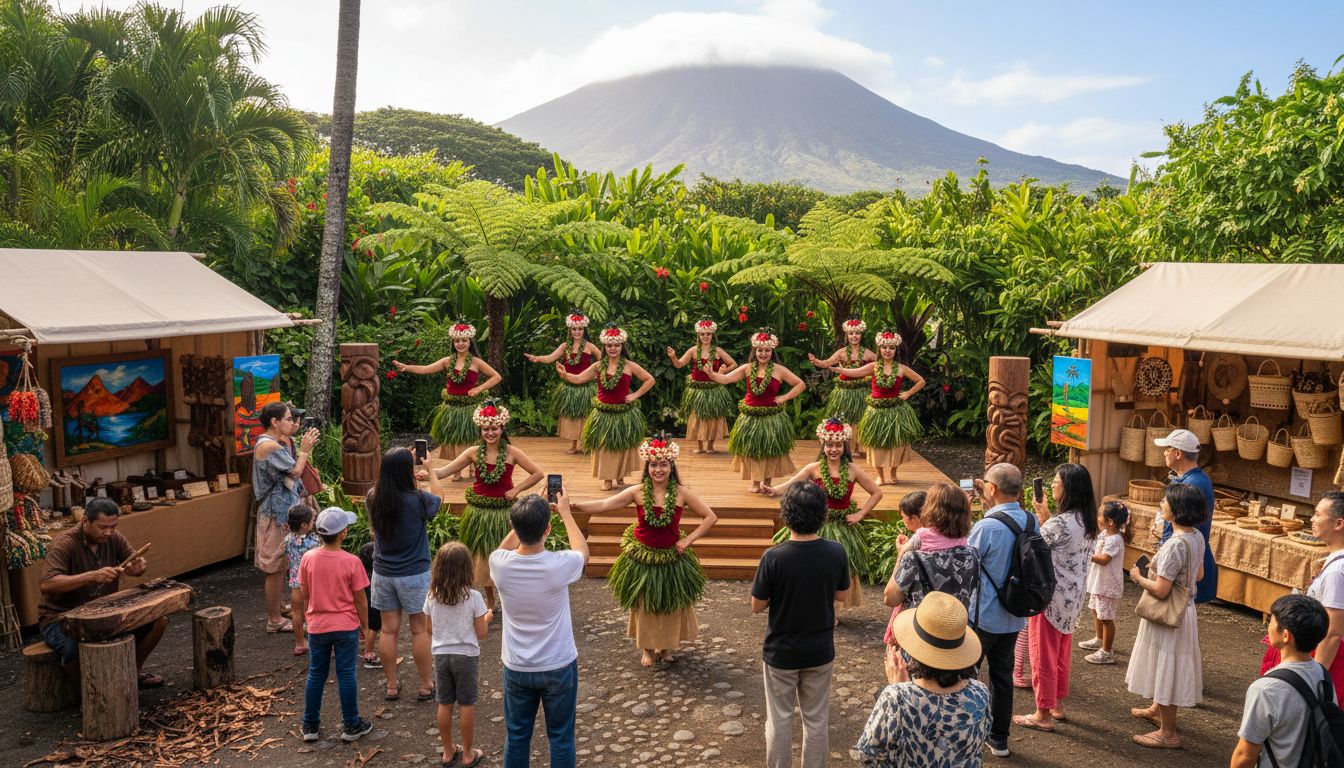
Over seventy percent of american travelers say authentic local art is what makes an attraction truly memorable. Art has the unique power to turn a simple visit into a meaningful cultural encounter, whether you are admiring murals in a bustling city or watching a performance in a small town. Understanding how local art shapes these experiences will help you see why visitor attractions feel so alive and why they matter to communities and travelers alike.
Table of Contents
- Defining Local Art In Visitor Attractions
- Types Of Local Art Showcased In Attractions
- Integrating Art For Cultural Storytelling
- Enhancing Visitor Experience Through Art
- Challenges And Best Practices For Inclusion
Key Takeaways
| Point | Details |
|---|---|
| Local art enhances cultural tourism | Integrating local art into visitor attractions creates immersive experiences that connect visitors with unique regional identities. |
| Multiple forms of artistic expression | Attractions showcase a spectrum of local art, including visual arts, performance arts, crafts, and multimedia, to engage diverse visitor interests. |
| Art as a storytelling tool | Successful cultural storytelling through art balances authenticity and accessibility, fostering deeper emotional connections for visitors. |
| Inclusive practices are essential | Ensuring equitable representation and collaboration with local artists is crucial for authentic cultural experiences that respect community perspectives. |
Defining Local Art in Visitor Attractions
Local art represents a profound narrative of cultural expression, transforming visitor attractions from mere tourist destinations into living, breathing storytelling platforms. According to research in Academica Turistica, cultural tourism thrives when local art becomes an integrated experience that connects visitors directly with a region’s unique identity.
At its core, local art is more than just visual artifacts or performance pieces. It’s a dynamic representation of community heritage, traditions, and contemporary creative expressions. Lucy Lippard’s seminal work emphasizes that local art creates a powerful “sense of place” – transforming attractions from passive viewing experiences into immersive cultural journeys.
Visitor attractions leveraging local art typically showcase creativity through multiple dimensions:
- Visual art installations reflecting regional history
- Performance art representing traditional cultural practices
- Craft demonstrations showing generational skills
- Interactive exhibits allowing visitor participation
- Multimedia presentations exploring local narratives
By integrating local art, attractions do more than entertain – they educate, preserve cultural memory, and create meaningful connections between visitors and communities. Whether through traditional Hawaiian wood carvings, hula performances, or contemporary island paintings, local art becomes the bridge that transforms a simple visit into an unforgettable cultural experience.
For visitors seeking deeper understanding of destination culture, exploring unique attractions can provide rich insights into local artistic expressions and community narratives.
Types of Local Art Showcased in Attractions
Visitor attractions around the world have evolved to become dynamic canvases for local artistic expression, offering immersive experiences that go far beyond traditional museum displays. Street art represents one of the most vibrant and accessible forms of local art, transforming public spaces into open-air galleries that capture the pulse of community creativity.
The spectrum of local art in attractions typically encompasses several compelling categories that engage visitors through diverse mediums. According to Wikipedia’s Arts District research, these categories include:
- Visual arts: Paintings, sculptures, and installations
- Performance arts: Traditional dance, music, and theatrical presentations
- Craft demonstrations: Pottery making, weaving, woodcarving
- Digital and multimedia art: Interactive digital displays and technology-enhanced experiences
- Architectural art: Buildings and public spaces that reflect local design traditions
Local art attractions often serve multiple purposes beyond aesthetic appeal. They become powerful storytelling platforms that communicate community history, cultural identity, and contemporary social narratives.
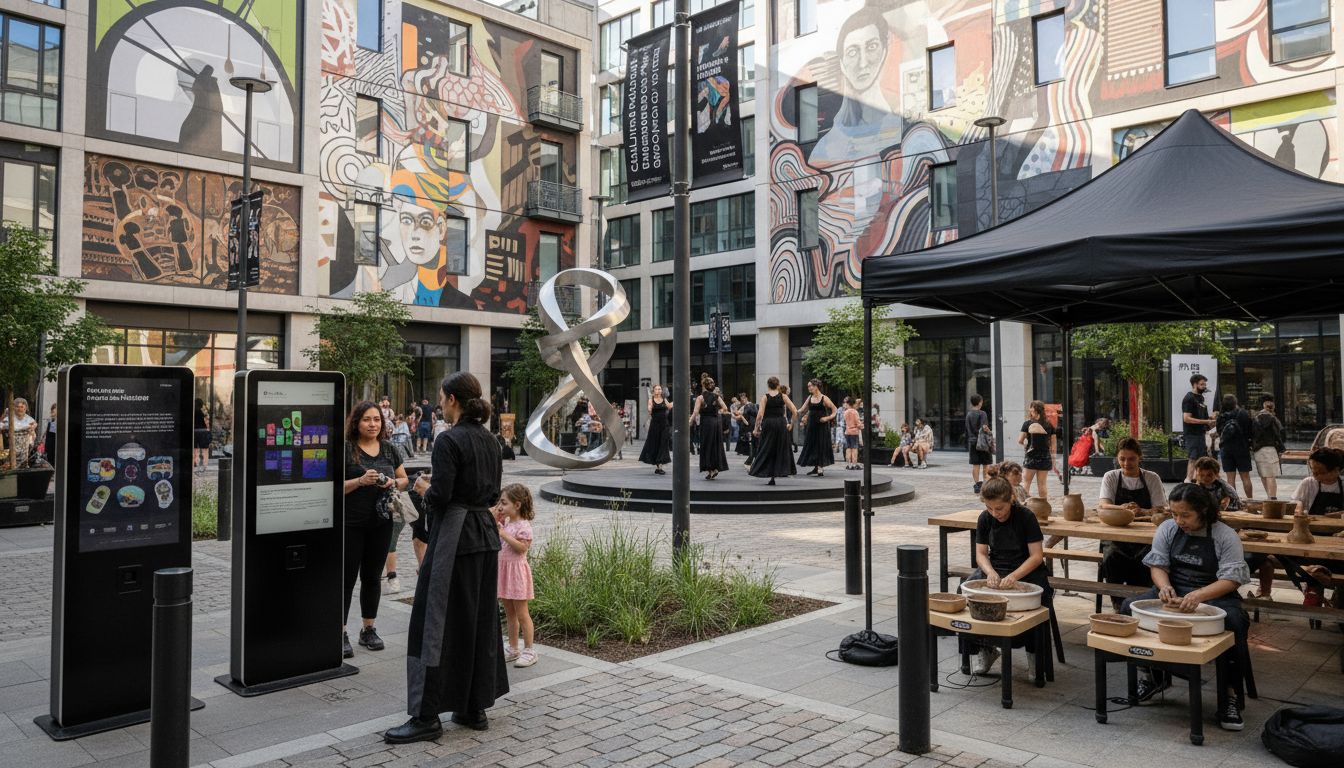 In Hawaiian contexts, this might mean showcasing traditional hula performances, intricate kapa cloth making, or contemporary island painters exploring themes of cultural resilience.
For travelers seeking deeper cultural connections, understanding location-based attractions can provide invaluable insights into how local art transforms visitor experiences from passive observation to meaningful cultural engagement.
Integrating Art for Cultural Storytelling
Cultural storytelling through art has transcended traditional presentation methods, emerging as a sophisticated narrative technique that transforms visitor experiences. Recent technological innovations are revolutionizing how attractions integrate art to communicate complex cultural narratives. Recent research from ArXiv reveals groundbreaking approaches using audio augmented reality to create immersive storytelling environments that connect visitors more deeply with cultural experiences.
The integration of art as a storytelling mechanism involves multiple strategic approaches. Substitutional reality installations demonstrate how technology and artistic expression can collaborate to create multilayered narrative experiences. These innovative methods typically incorporate:
- Contextual audio narratives
- Interactive digital displays
- Sensory engagement techniques
- Multimedia storytelling platforms
- Personalized cultural exploration tools
Effective cultural storytelling through art requires a delicate balance between authenticity and accessibility. Attractions must create experiences that are both educational and emotionally resonant, allowing visitors to connect with cultural narratives on a personal level. In Hawaiian contexts, this might involve using traditional storytelling techniques like oli (chants) or hula to communicate historical and spiritual narratives.
For travelers seeking to understand how cultural experiences are crafted, exploring local attraction strategies can provide deeper insights into the intricate process of transforming artistic expression into meaningful visitor experiences.
Enhancing Visitor Experience Through Art
Modern visitor attractions are transforming traditional engagement models by leveraging art as a powerful experiential tool. Groundbreaking research from ArXiv proposes innovative methods for personalizing museum tours, demonstrating how tailored art experiences can dramatically improve visitor satisfaction and emotional connection.
The art of visitor engagement goes beyond passive observation, creating immersive journeys that speak directly to individual interests and cultural backgrounds. Egocentric visitor localization techniques reveal fascinating approaches to customizing artistic encounters, allowing attractions to craft experiences that feel uniquely personal and meaningful.
Key strategies for enhancing visitor experiences through art include:
- Interactive multimedia presentations
- Personalized audio guides
- Adaptive storytelling techniques
- Sensory engagement technologies
- Cultural context and historical interpretation
In Hawaiian cultural contexts, this approach might involve transforming traditional art forms like hula or wood carving into dynamic, interactive experiences that invite visitors to not just observe, but participate and connect. The goal is creating moments of genuine cultural understanding that transcend typical tourist interactions.
Visitors seeking deeper insights into crafting memorable cultural experiences can explore the nuances of experiential tourism, which provides a comprehensive framework for understanding how art can transform visitor engagement.
Challenges and Best Practices for Inclusion
Incorporating local art into visitor attractions requires navigating complex cultural and logistical landscapes. Research from Redalyc reveals significant challenges faced by cultural destinations in developing authentic and inclusive artistic representations that respect local communities while engaging diverse visitor populations.
The critical considerations for successful art inclusion involve balancing multiple stakeholder perspectives. Case studies examined by IIETA highlight several fundamental challenges and recommended practices:
- Authentic representation of cultural narratives
- Equitable compensation for local artists
- Maintaining cultural integrity
- Creating accessible and engaging experiences
- Developing collaborative curatorial approaches
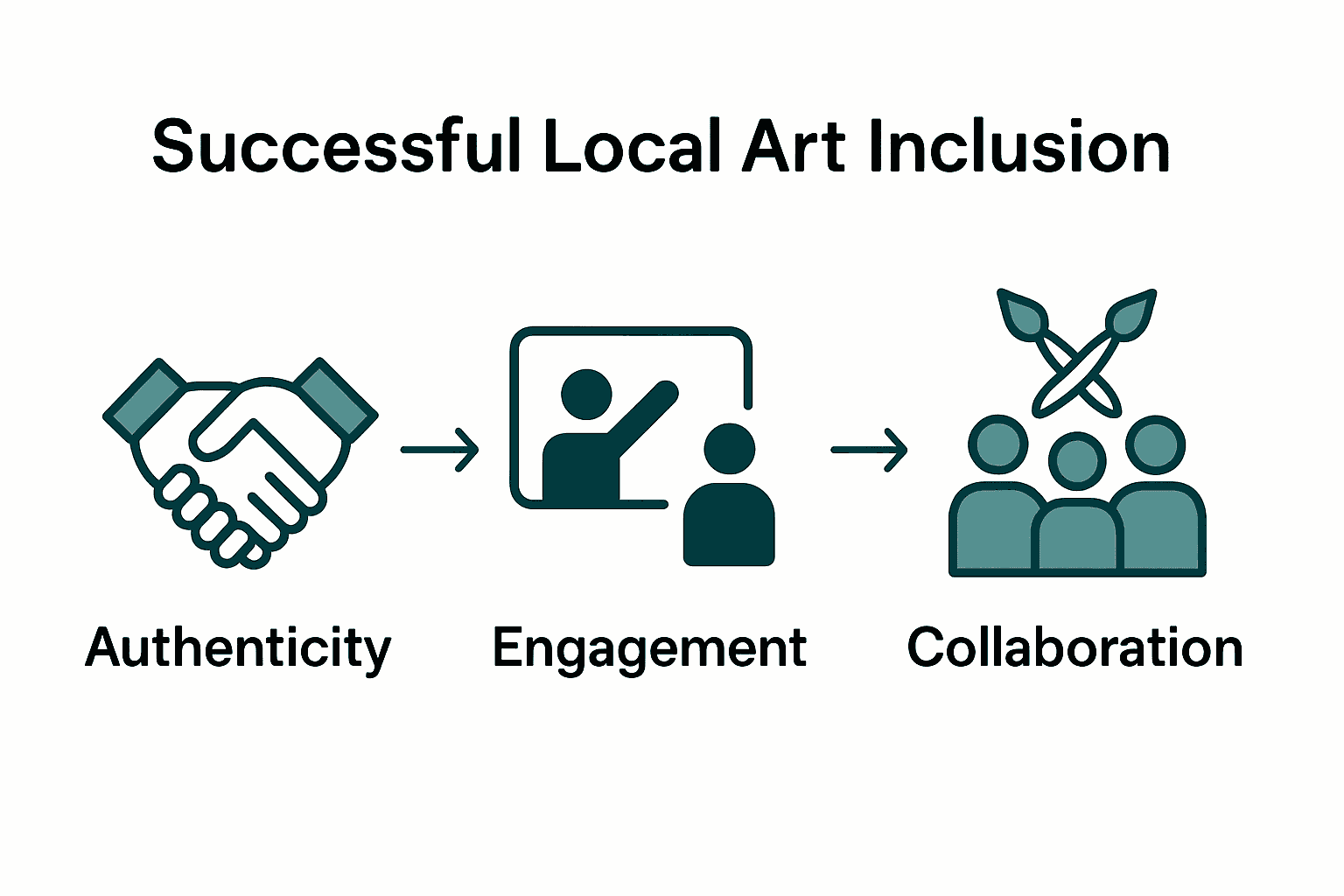
Successful inclusion strategies demand transparent communication and meaningful partnerships with indigenous artists and community leaders. In Hawaiian contexts, this means moving beyond tokenistic displays to create platforms where local artists can actively shape their cultural narrative, ensuring that visitor experiences reflect genuine community perspectives and lived experiences.
Visitors interested in understanding the nuanced approaches to cultural representation can explore Hawaiian historical interpretations in themed attractions, which provide deeper insights into respectful cultural storytelling.
Experience Authentic Hawaiian Cultural Storytelling Through Local Art at Flight of Aloha
The article highlights the challenge of integrating local art authentically into visitor attractions while preserving cultural integrity and creating immersive, meaningful experiences. Many attractions struggle with balancing authentic representation, engaging storytelling, and emotional connections that resonate personally with visitors. Flight of Aloha addresses these issues by transforming traditional Hawaiian narratives into stunning immersive journeys that blend 8K visuals, motion, scents, and wind to simulate flying over the islands. This approach brings local art, legends, and cultural storytelling vividly to life in ways that go beyond passive observation.
Discover how cultural storytelling rooted in authentic Hawaiian legends can elevate your experience at a visitor attraction designed to educate, engage, and emotionally connect. Flight of Aloha offers a unique platform where art and technology combine to create personalized, sensory-rich encounters that honor community narratives and invite participation. For a deeper look at how local art and cultural storytelling intersect to create unforgettable memories explore Hawaiian historical interpretations in themed attractions and learn why supporting genuine local attractions matters by visiting Why Support Local Attractions.
Unlock a new dimension of cultural immersion and support authentic artistic expression. Plan your visit to Flight of Aloha today and experience firsthand how immersive art transforms the way you connect with Hawaiian culture.
Discover the stories that make Hawaii come alive.

Frequently Asked Questions
What is local art in visitor attractions?
Local art in visitor attractions refers to artistic expressions that showcase a region’s cultural heritage, traditions, and contemporary creativity. It plays a key role in transforming attractions into immersive storytelling platforms that connect visitors with a community’s identity.
How does local art enhance the visitor experience?
Local art enhances the visitor experience by providing interactive and engaging ways to learn about cultural narratives. It creates opportunities for personal connection, education, and appreciation of the local community’s heritage through various forms, such as visual arts, performance arts, and craft demonstrations.
What types of local art are typically showcased in attractions?
Typical types of local art showcased in attractions include visual arts like paintings and sculptures, performance arts such as dance and music, craft demonstrations, digital and multimedia art, and architectural art that reflects local design traditions.
What are some best practices for including local art in visitor attractions?
Best practices for including local art involve ensuring authentic representation of cultural narratives, equitable compensation for local artists, maintaining cultural integrity, and developing collaborative partnerships with community members to create engaging and accessible experiences.
Recommended
- What Is A Location-Based Attraction? Complete Guide | Flight Of Aloha
- Why Support Local Attractions: Complete Guide | Flight Of Aloha
- What Makes A Unique Attraction: Complete Guide | Flight Of Aloha
- Why Choose Local Attractions For Groups: Complete Guide | Flight Of Aloha
- Success Exhibiting at IFEMA Madrid: The Ultimate Exhibitor Guide