
Why annual passes can enhance your Hawaii family adventures
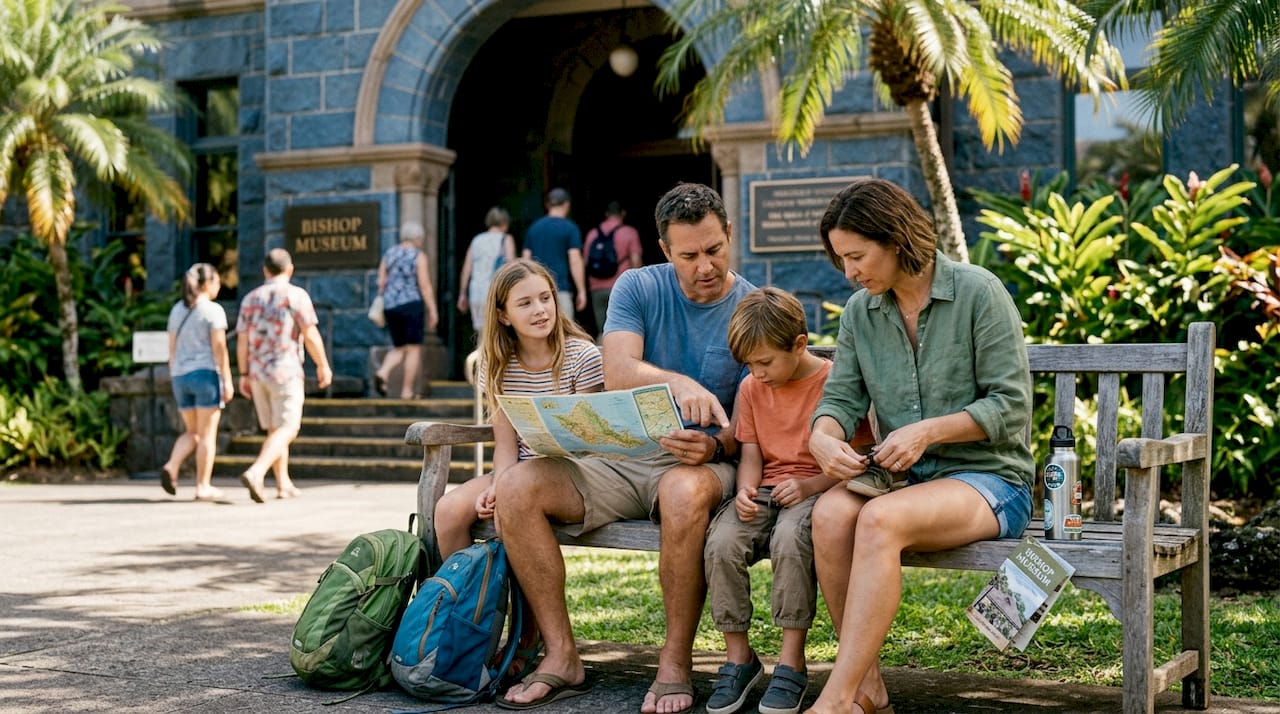
Many families visiting Hawaii believe paying per attraction is the smartest choice. You buy a ticket, enjoy the experience, and move on. But this approach often overlooks hidden value. Annual passes unlock surprising savings and cultural immersion that single tickets cannot match. For families planning multiple visits or extended stays, the right pass transforms your adventure from a checklist of sights into a meaningful journey through Hawaiian culture. This article clarifies who benefits most from annual passes, compares costs across pass types, and reveals practical strategies to maximize your family’s Hawaii experience while saving money.
Table of Contents
- Key takeaways
- Understanding the types of passes for Hawaii attractions
- Financial benefits and savings for families and groups
- Cultural immersion and experiential benefits of annual passes
- Practical tips for choosing and using annual passes effectively
- Explore Hawaii with confidence using annual passes and expert help
- FAQ
Key Takeaways
| Point | Details |
|---|---|
| Unlimited entry value | Annual passes grant unlimited access for a full year, enabling repeat visits and deeper cultural immersion at a predictable total cost. |
| Multi day value | Multi day passes provide significant savings for travelers who plan to visit several attractions within a single trip. |
| Family savings strategy | Families can cut per person costs by using family tier options and group discounts on passes. |
| Kamaaina resident programs | Kamaaina passes offer discounted or free entry specifically for Hawaii residents. |
Understanding the types of passes for Hawaii attractions
Hawaii attractions offer three main pass categories, each designed for different visitor needs and travel patterns. Understanding these options helps you choose the right investment for your family.
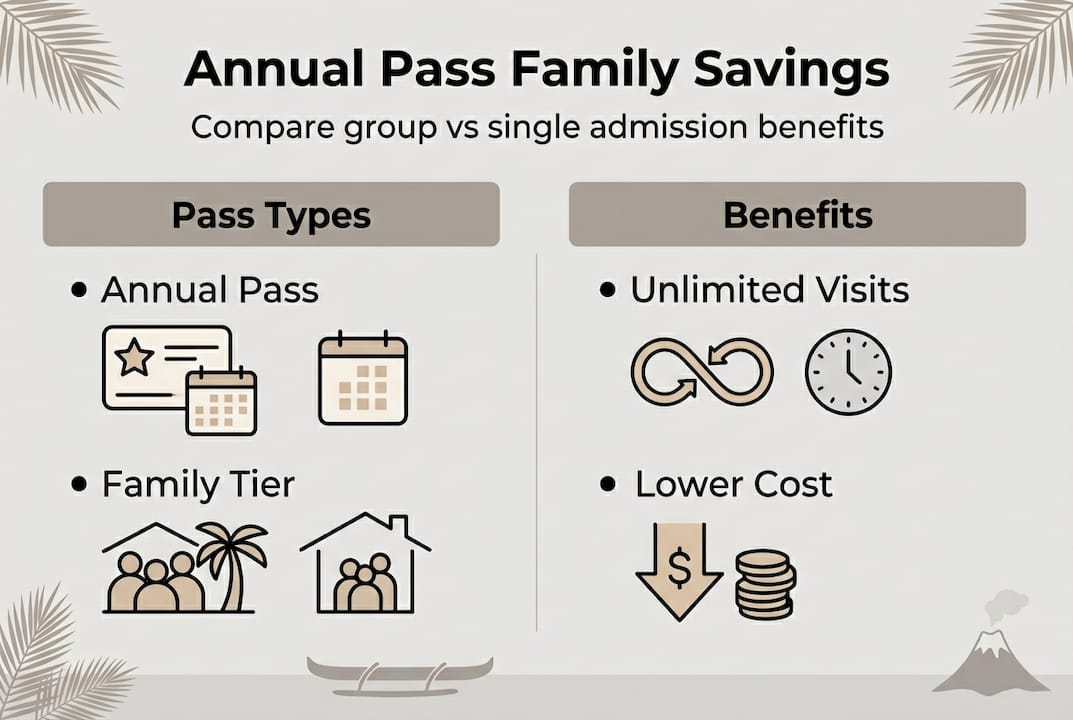
Annual passes grant unlimited access for one full year from activation. Annual passes provide unlimited year-round access, ideal for families and groups making repeat visits to immersive cultural and marine experiences. These passes suit locals, frequent visitors, and families who return to Hawaii regularly or stay for extended periods. You pay once and visit as often as you want within the validity period.
Multi-day passes target short-stay tourists wanting to pack many attractions into a week or two. Multi-day passes like Oahu Go City offer up to 50% savings on top attractions including cultural sites such as luaus and Polynesian Cultural Center. These passes activate on first use and remain valid for a set number of days, typically ranging from 1 to 7 days depending on the package. You select attractions from a menu and visit them within your pass window.
Kamaaina or resident passes offer special pricing exclusively for Hawaii residents. These programs emphasize cultural access and community connection by providing discounts or limited free entry to locals. Some restrict usage to weekdays or off-peak times, balancing local access with tourist revenue needs.
| Pass Type | Duration | Typical Cost Range | Target Users | Savings Potential |
|---|---|---|---|---|
| Annual | 12 months | $80-200 per person | Locals, repeat visitors, extended stays | High for 3+ visits |
| Multi-day | 1-7 days | $100-300 per person | Short-term tourists | 40-50% on bundled attractions |
| Kamaaina | Varies | $50-100 or free | Hawaii residents | Very high for locals |
Who benefits most from each pass type:
- Annual passes work best for families planning multiple Hawaii trips within a year or staying longer than two weeks
- Multi-day passes suit first-time visitors cramming many attractions into a short vacation
- Kamaaina passes serve local residents seeking regular, casual access to cultural sites
- Group travelers benefit most from family-tier annual passes that reduce per-person costs
Choosing the right pass depends on your visit frequency, length of stay, and cultural interests. Annual passes for Hawaii parks provide detailed comparisons to help you decide.
Financial benefits and savings for families and groups
The math behind pass savings reveals when annual passes become your best financial choice. Understanding break-even points and cost structures helps you maximize value.
Consider a family of four visiting Bishop Museum. Single admission costs $25 per adult and $20 per child, totaling $90 per visit. An annual family pass costs $150. After just two visits, you save $30 and all subsequent visits are free. If you visit three times, you save $120 compared to buying tickets each time.
Family vacation activities budget ranges from $400-1000 for 7 nights; passes cut per-attraction costs by 40-50%. Multi-day passes bundle popular attractions at discounted rates. A 3-day Oahu Go City pass costs around $200 per adult but provides access to attractions worth $400+ at regular prices. For families visiting 5-6 attractions in a week, savings exceed $150 per person.
Factors affecting your actual savings:
- Visit frequency determines break-even timing; annual passes pay off after 2-3 visits for most attractions
- Group size amplifies savings; family-tier passes offer better per-person rates than individual passes
- Attraction mix matters; passes covering high-value experiences like luaus and cultural centers deliver greater savings
- Seasonal pricing affects single-ticket costs; passes eliminate premium pricing during peak tourist seasons
Pro Tip: Calculate your expected number of visits before buying. List attractions you plan to see, add up single-ticket costs, then compare to pass prices. If pass cost is less than 60% of total single tickets, you have a winner.
| Scenario | Annual Pass Cost | Multi-Day Pass Cost | Single Tickets Total | Best Choice | Savings |
|---|---|---|---|---|---|
| Family of 4, 2 visits/year | $150 | N/A | $180 | Annual | $30 |
| Family of 4, 5 attractions in 7 days | $600 | $800 | $1200 | Multi-day | $400 |
| Couple, 3 visits/year | $160 | N/A | $150 | Single tickets | $0 |
| Group of 6, 4 attractions in 5 days | $900 | $1200 | $1800 | Multi-day | $600 |
Family-tier passes reduce per-person costs significantly compared to buying individual passes. Annual passes savings strategies help you identify the best options for your group size. The key is honest assessment of your actual visit plans, not wishful thinking about how often you might go.
Family attractions tips provide additional guidance on stretching your vacation budget while maximizing cultural experiences.
Cultural immersion and experiential benefits of annual passes
Beyond dollars saved, annual passes transform how you experience Hawaiian culture. Unlimited access changes your relationship with attractions from tourist checklist items to ongoing learning opportunities.
Annual passes foster deeper cultural immersion via repeat visits, supporting preservation of Hawaiian artifacts and marine life. When you know you can return anytime, you explore differently. You spend more time with exhibits that fascinate you. You attend special events and workshops included with membership. You bring visiting friends and family, sharing knowledge you gained on previous visits.
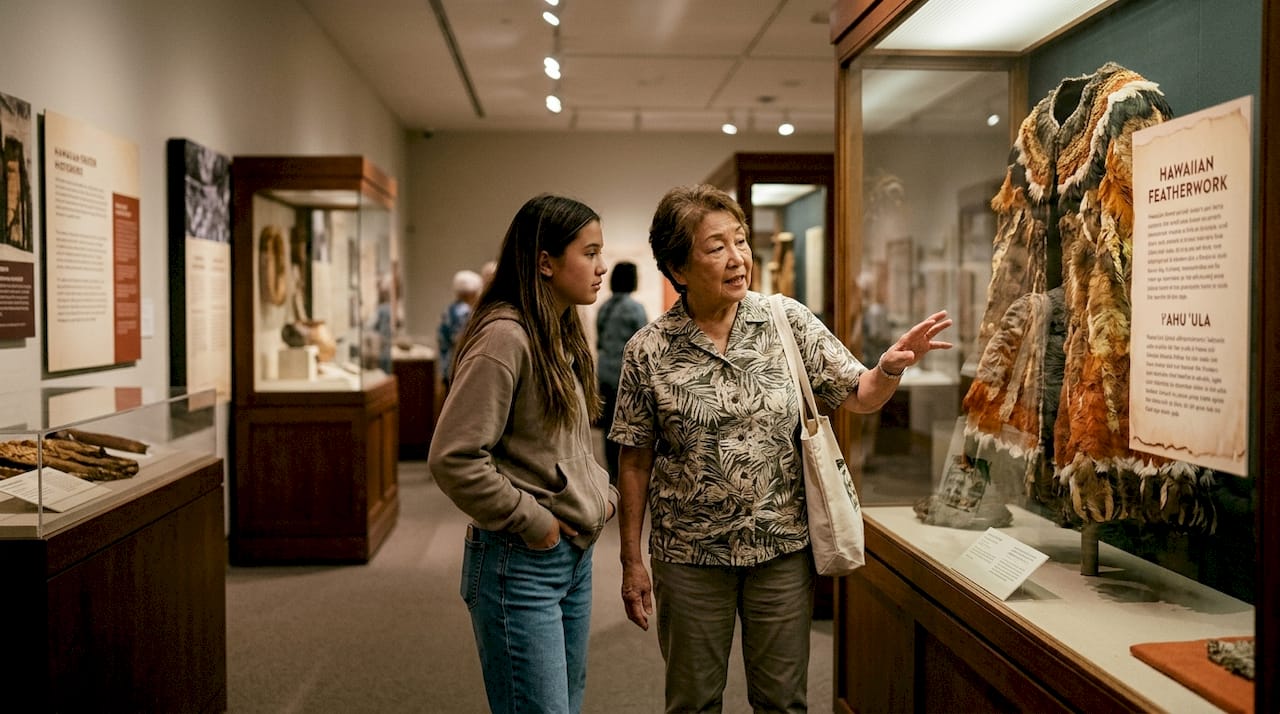
Repeat visits build understanding impossible to achieve in single-day tourist rushes. You notice seasonal changes in marine life. You catch different cultural demonstrations and storytelling sessions. You ask deeper questions of staff who recognize you as a regular visitor. This ongoing engagement connects you to Hawaiian heritage in authentic ways.
Annual passes also support conservation and cultural preservation through stable funding. Attractions use membership revenue to maintain exhibits, fund research, and develop new educational programs. Your pass purchase directly contributes to protecting the cultural resources you enjoy.
Cultural activities and events accessed more fully with annual membership:
- Special exhibitions and rotating displays that change throughout the year
- Cultural workshops teaching traditional crafts, navigation, or language
- Lecture series featuring Hawaiian historians and cultural practitioners
- Seasonal festivals and celebrations honoring Hawaiian traditions
- Behind-the-scenes tours and member-only access to restricted areas
“Annual pass holders develop relationships with places rather than simply visiting them. This sustained engagement creates cultural ambassadors who understand and share Hawaiian values with others, multiplying the educational impact far beyond single visits.”
Kamaaina programs strengthen community connections by ensuring locals can access their own cultural heritage regularly. Residents use these passes to stay connected with Hawaiian history, bring children to learn traditional practices, and participate in community events. This ongoing local engagement keeps cultural institutions rooted in the communities they serve rather than becoming tourist-only destinations.
Importance of cultural experiences extends beyond vacation memories to genuine understanding of Hawaiian values and history. Annual passes cultural benefits include educational value that compounds with each visit, building knowledge and appreciation over time.
Practical tips for choosing and using annual passes effectively
Smart pass selection and strategic planning maximize both savings and enjoyment. Follow these steps to choose the right pass and optimize your Hawaii attraction visits.
Evaluate your visit frequency honestly. Count how many times you realistically plan to visit Hawaii in the next 12 months. Include any trips already booked plus likely additional visits. If the answer is two or more trips totaling more than 10 days in Hawaii, annual passes merit serious consideration.
Assess your group size and composition. Families with children benefit most from family-tier passes that cover 2 adults and 2-4 children at reduced rates. Couples or solo travelers need fewer visits to break even on individual passes. Groups of friends can pool resources to buy family passes and share access.
Match passes to your cultural interests. If you love marine life, prioritize passes covering aquariums and ocean centers. If Hawaiian history fascinates you, focus on cultural centers and museums. Some multi-attraction passes bundle diverse experiences, while single-venue annual passes offer depth in one area.
Steps for booking the best pass:
- List all attractions you want to visit and their individual admission costs
- Compare total single-ticket costs to available pass options covering those attractions
- Check for family tiers, group discounts, and kamaaina rates if eligible
- Book passes at least 2 weeks before your trip to ensure availability and allow time for delivery
- Schedule your visits strategically, spacing them to maximize the pass validity period
Pro Tip: Activate multi-day passes on your first full day of activities, not your arrival day. This maximizes your available days since most passes expire after a set number of calendar days from first use, not actual usage days.
Make reservations early for priority access to popular cultural events, special tours, and limited-capacity experiences. Many attractions offer advance booking windows for pass holders, ensuring you get your preferred time slots even during peak tourist seasons. Some venues require reservations even with annual passes, so check requirements when you book.
Expert advice suggests planning reservations early for popular slots; multi-day passes activate on first use with validity for 1 year but limited days; family tiers maximize group savings. Contact attractions directly if you have questions about pass terms, sharing policies, or special accommodations.
Sharing or pooling passes within families or groups spreads costs and increases value. Some annual passes explicitly allow family members to use them independently. Others restrict usage to simultaneous entry by the named pass holder and guests. Read terms carefully and ask about sharing policies before purchase.
Family attraction planning tips help you coordinate schedules and maximize pass benefits across multiple family members. Hawaiian experience passes details clarify specific terms and conditions for different pass types.
Explore Hawaii with confidence using annual passes and expert help
Navigating Hawaii’s annual and multi-day pass options can feel overwhelming with so many attractions and package choices. Flight Of Aloha specializes in helping families and groups find the perfect pass combinations for their unique travel plans and cultural interests. Our expertise in immersive Hawaiian experiences means we understand which passes deliver the best value for different visitor types.

Using Flight Of Aloha’s travel services simplifies planning cost-effective family adventures that balance savings with authentic cultural immersion. We provide detailed guides comparing annual pass options and practical advice on booking strategies. Our family attraction tips help you create itineraries that maximize pass benefits while ensuring everyone in your group enjoys memorable Hawaiian experiences rooted in aloha.
FAQ
Is an annual pass worth it for a short family trip to Hawaii?
Annual passes typically break even after 2-3 visits to the same attraction. For a single week-long trip, multi-day passes usually offer better value since they bundle multiple attractions at discounted rates. Consider annual passes only if you plan to return to Hawaii within 12 months or if your current trip exceeds two weeks with plans to revisit favorite attractions multiple times.
How do kamaaina passes differ from regular annual passes?
Kamaaina passes offer special pricing or free events exclusively for Hawaii residents with valid ID. They sometimes restrict unlimited entry to weekdays or exclude peak weekend times to balance local access with tourist revenue. Kamaaina discount programs provide ideal options for locals wanting casual, ongoing cultural access without the full cost of tourist-priced annual passes. Some attractions like Valley of the Latte offer kamaaina-specific annual passes with unique benefits tailored to residents.
Can families share an annual pass or multi-day pass to save money?
Many attractions offer family-tier passes that cover 2 adults and 2-4 children at reduced per-person rates, effectively allowing families to share access. However, most passes require all family members to enter together with the primary pass holder. Some passes allow limited independent usage by named family members, but policies vary widely. Check specific terms before purchase and ask about group discounts if your party exceeds standard family definitions. Family pass sharing tips provide detailed guidance on maximizing group savings.
What are the best times to use my annual pass for Hawaiian attractions?
Plan visits during weekdays and shoulder seasons like April-May or September-October to avoid crowds and secure easier reservations. Book early for popular cultural events, special exhibitions, and limited-capacity experiences included with annual passes. Spread your visits throughout the year rather than clustering them in one season to deepen cultural understanding and maximize the experiential value of unlimited access. Best times using annual passes strategies help you optimize scheduling for both savings and enjoyment.
Recommended
- Why Book Annual Passes For Hawaii Parks In 2026: Save $75+ | Flight Of Aloha
- Expert Tips For Family Attractions In Hawaii | Flight Of Aloha
- Annual Passes For Attractions—How They Enhance Travel | Flight Of Aloha
- 7 Ways To Enjoy Year-Round Family Fun In Hawaii | Flight Of Aloha
- Types of travel passes to save big in 2026 – PilotTravelDeals.com