
Checklist for Group Visits: Plan Smarter 🌺
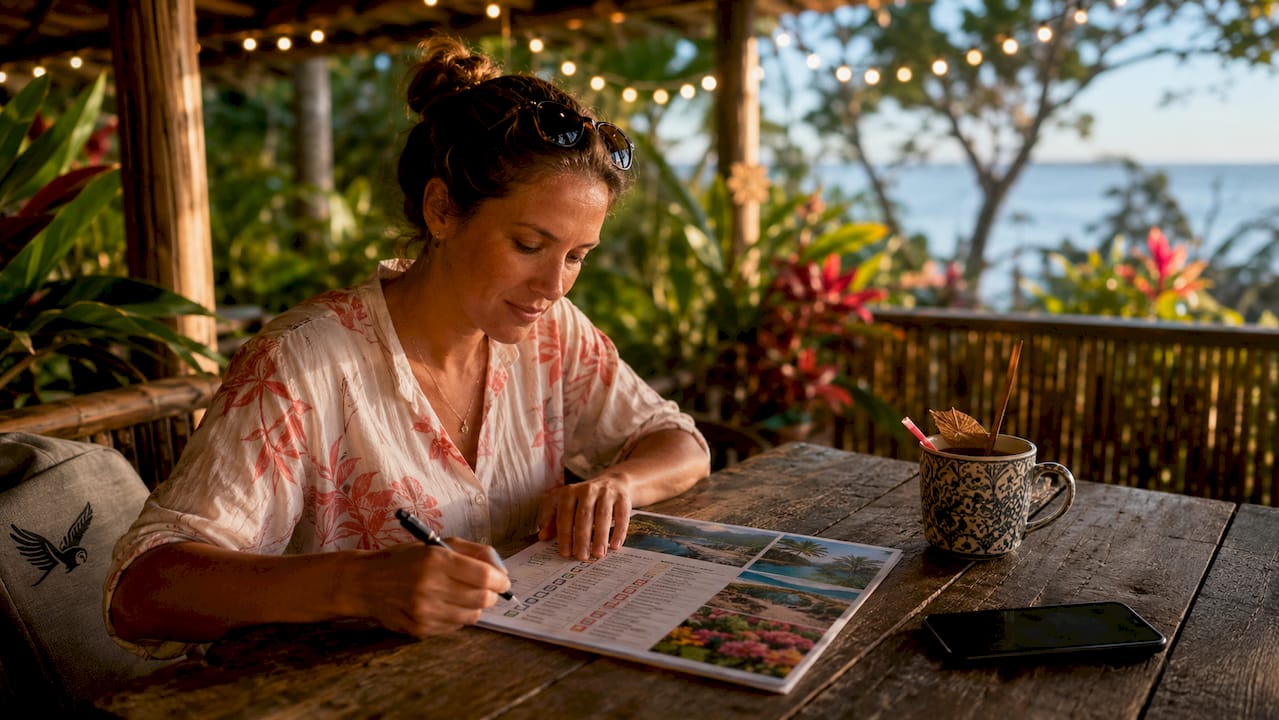
A checklist for group visits is a structured planning tool that outlines every logistical, financial, and experiential step needed to bring a group of people to an attraction without chaos. Whether you’re coordinating 15 coworkers, a family reunion, or a school field trip to one of the top things to do in Kona, the difference between a memorable outing and a stressful one comes down to preparation. This guide covers everything from appointing a trip leader and setting budgets to crafting a balanced itinerary and managing group communication. Tools like Splitwise, Doodle, and Flightofaloha’s group visit workflow all play a role in making it work.
1. start with a solid checklist for group visits ️
The best group visit planning starts with one clear document everyone can reference. Think of it as your group’s single source of truth: dates, headcount, budget range, key contacts, and confirmed bookings all in one place.

Before anything else, define the purpose of the visit. Is this a fun family outing, a corporate team event, or a shore excursion from Kailua Pier? The answer shapes every decision that follows, from venue selection to activity pacing. A clear purpose also makes it easier to say no to ideas that don’t fit.
Your checklist for group outings should include these core categories:
- Travel goals and purpose (cultural experience, entertainment, education)
- Group size and demographics (ages, mobility needs, dietary restrictions)
- Budget range per person
- Preferred dates and backup dates
- Confirmed bookings and reservation numbers
- Communication channel and point of contact
- Emergency contacts and medical needs
Keep this document in a shared Google Doc or Notion page so every member can access it in real time.
2. appoint a trip captain and align schedules
Appointing a single trip captain prevents the planning paralysis that comes from too many people making decisions at once. One person owns the logistics, sets deadlines, and keeps momentum going. Everyone else contributes input, but the captain has final say on timing and bookings.
Once you have a captain, use a scheduling tool like Doodle or Google Forms to find dates that work for the group. The goal is 80% consensus on travel dates, not unanimous agreement. Waiting for 100% buy-in stalls planning and often means the trip never happens.
Set a firm response deadline of 24–48 hours for all scheduling polls. Longer windows invite procrastination and drag out the process by days or weeks.
Pro Tip: Limit your scheduling poll to 3–4 date options. More choices create more debate. Fewer options force faster decisions.
3. set a realistic group budget
Budget conversations are the most common source of group conflict. Professional planners collect private budget maximums from each member, then identify a realistic middle ground and present 2–3 pre-selected options. This avoids open-ended debates that go nowhere.
Here is a simple framework for group budgeting:
- Ask each member to submit their maximum spend privately (via Google Form).
- Identify the median figure, not the average, to avoid outliers skewing the number.
- Build the itinerary around that median with one premium upgrade option available for those who want it.
- Separate shared costs (transportation, venue entry) from personal costs (meals, souvenirs).
- Use Splitwise to track shared expenses and settle up at the end.
Accommodation comparison for groups:
| Type | Best For | Typical Advantage |
|---|---|---|
| Hotel block | Corporate groups, school trips | Centralized location, group rates |
| Vacation rental | Family groups, friend trips | Shared common space, kitchen access |
| Hostel dorm | Budget-conscious young adult groups | Lowest cost per person |
Pro Tip: Book attraction tickets at least 14 days in advance. Most major venues define groups as 15 or more participants and require advance reservations to unlock group pricing and special arrangements.
4. book flights and accommodations the smart way ✈️
Start overall trip planning at least 3 months out, with flights locked in 8–12 weeks before departure for the best rates and availability. Waiting until the last month almost always means higher prices and fewer seat options for large groups.
The safest booking method is individual reservations under a shared itinerary. Booking individually under one itinerary means that if one person cancels, the rest of the group is not affected. One person booking for everyone creates a single point of failure that can unravel the whole trip.
For attractions specifically, call ahead to ask about group entrances, dedicated drop-off zones, and staggered entry options. Many family-friendly Kona venues and Big Island activities offer these features to reduce crowding at the front door. Confirm payment deadlines too. Some museums and attractions require final headcounts and payments 14 days before the visit to hold the reservation.
5. build a balanced group itinerary ️
The 70/30 rule is the most reliable framework for group itinerary planning. Structure 70% of each day with confirmed activities and leave 30% open for rest, spontaneous exploration, or buffer time between venues. Groups that over-schedule burn out fast and start resenting the trip by day two.
Lock in your non-negotiable experiences first. These are the anchor activities everyone agreed on before the trip. Then build the rest of the day around them.
Key elements to include in every group itinerary:
- Arrival and meeting point with a specific address and time (not just “the front entrance”)
- Confirmed activity slots with booking reference numbers
- Group meal windows with restaurant reservations where possible
- Transportation logistics including parking, shuttle times, or walking routes mauka or makai from your hotel
- Free time blocks clearly labeled so people know when they are on their own
- Emergency contact and rally point in case anyone gets separated
One person drafts the full itinerary first, then shares it for group feedback. Soliciting targeted reactions rather than open-ended input cuts planning discussions dramatically. Ask “Does this timing work for you?” not “What do you want to do?”
6. manage group communication like a pro
Clear communication channels prevent the confusion that derails group trips. Use WhatsApp or Slack as your primary group chat. Keep one thread for logistics only and a separate one for casual conversation so important updates do not get buried in memes.
For expense tracking, Splitwise and Venmo are the two most widely used tools. Splitwise and Venmo improve transparency and reduce the awkward money conversations that damage friendships after trips. Set the expectation before the trip that all shared costs go through Splitwise.
Assign roles to spread the workload:
- Trip captain: Final decisions, booking confirmations, emergency contact
- Budget manager: Tracks shared expenses in Splitwise, sends reminders
- Itinerary keeper: Maintains the shared Google Doc, sends daily summaries
- Social coordinator: Manages group chat energy, plans optional evening activities
Pro Tip: For any group decision that needs a fast answer, post a poll with exactly two or three options and a 24-hour deadline. Open-ended questions in group chats produce 20 opinions and zero decisions.
7. prepare for last-minute changes and emergencies
Every group trip hits at least one unexpected snag. Someone gets sick, a venue closes early, or the weather turns. The groups that handle this well are the ones who planned for it.
Build a 30-minute buffer between major activities. This single habit absorbs most delays without cascading into a ruined afternoon. Keep a short list of backup options for each day, especially for outdoor activities on the Big Island where vog or rain can change plans quickly.
Indoor activities on the Big Island are your best backup for bad weather days. Venues like Flightofaloha, located inside King Kamehameha’s Kona Beach Hotel, offer climate-controlled experiences that work regardless of conditions outside. For groups on shore excursions from Kailua Pier, having an indoor option within walking distance is not just convenient. It is a genuine lifesaver when the weather shifts.
Share emergency contacts and a rally point with every group member before day one. A simple card or pinned message in the group chat with the trip captain’s phone number and the hotel address handles most scenarios.
8. what to include in a visit checklist for attractions ️
A visit checklist for attractions differs from a general travel checklist. It focuses on the experience itself rather than getting there. Here is what every group should confirm before arriving at any attraction:
- Reservation confirmation numbers for every member or subgroup
- Accessibility needs communicated to the venue in advance
- Photography and device policies (some immersive experiences restrict phones)
- Age or height restrictions for ride-based attractions
- Dress code or footwear requirements
- Locker or bag storage availability
- Estimated experience duration so transportation is timed correctly
- On-site dining or snack options for longer visits
For immersive flying theater experiences like Flightofaloha, check whether the venue offers group booking options that include reserved seating blocks and dedicated entry times. This removes the stress of managing a large group through a general admission queue.
Key takeaways
A well-built checklist for group visits covers leadership, budgeting, booking timelines, itinerary balance, and communication tools before the first person packs a bag.
| Point | Details |
|---|---|
| Appoint one trip captain | One decision-maker prevents planning paralysis and keeps deadlines on track. |
| Book attractions 14+ days out | Groups of 15 or more need advance reservations to access discounts and reserved entry. |
| Use the 70/30 itinerary rule | Plan 70% of each day and leave 30% open to protect group energy and reduce conflict. |
| Collect private budget maximums | Private submissions prevent open debates and help identify a realistic spending middle ground. |
| Assign communication roles | Splitwise, Venmo, and WhatsApp work best when one person owns each tool and updates the group. |
Why strong leadership makes or breaks a group visit
I have seen beautifully planned itineraries fall apart because no one was willing to make the final call. The checklist matters, but the person holding it matters more. Groups with a confident trip captain who sets deadlines and moves past debate consistently have better experiences than groups that try to reach consensus on every detail.
What I have also noticed is that the most enjoyable group visits are the ones that include at least one shared anchor experience. Something everyone does together, at the same time, in the same room. That shared moment becomes the story everyone tells afterward. For groups visiting Kona, Flightofaloha delivers exactly that. The immersive flying theater puts every person in the group inside the same breathtaking aerial journey over Hawai’i, from the lush valleys of Waimea to the volcanic coastline near Kona. No one is off on a separate trail or waiting in a different line. Everyone soars together.
The other thing I would tell any group organizer is this: build your checklist around the experience you want people to feel, not just the logistics you need to manage. Logistics are the floor. The experience is the ceiling. Raise the ceiling.
— Ola
Plan your group visit to Flightofaloha
Flightofaloha is the top indoor activity on the Big Island and the smartest choice for groups visiting Kona. Located inside King Kamehameha’s Kona Beach Hotel, it is walking distance from Kailua Pier, making it perfect for shore excursions. Skip the $400 helicopter tour and the motion sickness. Flightofaloha delivers the same breathtaking aerial views of Hawai’i through 8K visuals, wind, scent, and motion effects in a fully air-conditioned theater. This Native Hawaiian-owned attraction blends cultural storytelling with thrilling immersion, and it works beautifully as a family-friendly Kona group anchor experience for any size party. Book online to secure your seat.
FAQ
What is a checklist for group visits?
A checklist for group visits is a structured planning document covering logistics, bookings, budget, itinerary, and communication steps needed to organize a group outing to an attraction. It keeps every member aligned and reduces last-minute surprises.
How far in advance should groups book attractions?
Most major attractions define groups as 15 or more people and require at least 14 days advance notice to access group pricing and reserved entry. For flights, book 8–12 weeks out for the best rates.
What apps help with group trip planning?
Splitwise and Venmo handle shared expenses, while WhatsApp and Slack work well for group communication. Doodle and Google Forms are the most reliable tools for scheduling polls and collecting budget input.
How do you balance a group itinerary?
The 70/30 rule works best: plan 70% of each day with confirmed activities and leave 30% open for rest or flexibility. This protects group energy and prevents the fatigue that causes conflict on longer trips.
What should groups look for in an attraction booking?
Confirm reserved seating blocks, dedicated entry times, accessibility accommodations, and group payment deadlines before arrival. Immersive venues like Flightofaloha offer group tour options that include all of these features for a smooth, coordinated experience.