Cultural Preservation in Tourism: Hawaii’s Role
{
“@type”: “Article”,
“image”: {
“url”: “https://csuxjmfbwmkxiegfpljm.supabase.co/storage/v1/object/public/blog-images/organization-5115/1771821885429_image.png”,
“@type”: “ImageObject”,
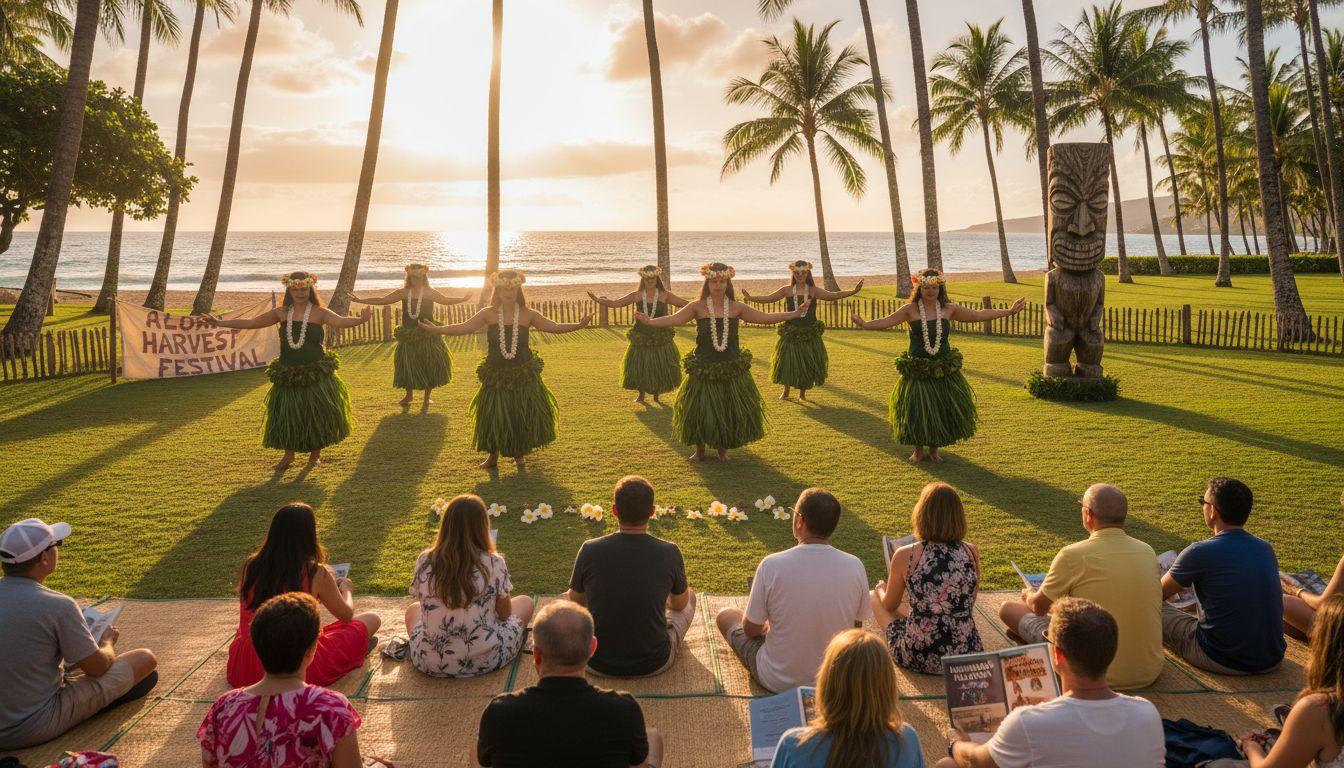
“caption”: “Native Hawaiian dancers perform for visitors outdoors”
},
“author”: {
“url”: “https://flightofaloha.com”,
“name”: “Flightofaloha”,
“@type”: “Organization”
},
“@context”: “https://schema.org”,
“headline”: “Cultural Preservation in Tourism: Hawaii’s Role”,
“publisher”: {
“url”: “https://flightofaloha.com”,
“name”: “Flightofaloha”,
“@type”: “Organization”
},
“inLanguage”: “en-US”,
“articleBody”: “Explore the importance of cultural preservation in Hawaii tourism, types of heritage protected, authentic experiences, and risks of cultural loss.”,
“description”: “Explore the importance of cultural preservation in Hawaii tourism, types of heritage protected, authentic experiences, and risks of cultural loss.”,
“datePublished”: “2026-02-23T04:46:02.075Z”
}
Every traveler who cares about authentic connection faces a choice in Kailua-Kona: participate in experiences that honor Hawaiian culture, or risk supporting activities that dilute what makes these islands unique. For cultural tourists, how those choices shape real community benefit and protect living traditions matters deeply. Here you will discover the meaning of cultural preservation in tourism—why local voices, community-led programs, and authentic storytelling ensure Hawaii’s heritage is respected and truly comes alive for visitors.
Table of Contents
- Defining Cultural Preservation In Tourism
- Types Of Heritage Protected In Hawaii
- Authentic Experiences And Cultural Storytelling
- Responsibilities Of Tourists And Tourism Operators
- Risks Of Cultural Loss Without Safeguards
Key Takeaways
| Point | Details |
|---|---|
| Cultural Preservation | Cultural preservation in tourism involves protecting heritage while allowing communities to control how their culture is shared with visitors. |
| Community Involvement | Active participation from local communities ensures authentic representation and economic benefits, contrasting with commercial exploitation. |
| Sustainable Tourism | Responsible tourism can strengthen cultural preservation by funding heritage conservation and promoting authentic community-led experiences. |
| Visitor Responsibilities | Tourists can support cultural preservation by choosing authentic, community-led experiences and respecting local traditions and sacred sites. |
Defining Cultural Preservation in Tourism
Cultural preservation in tourism is the practice of protecting both tangible and intangible cultural heritage while integrating it meaningfully into visitor experiences. It’s not about freezing culture in time—it’s about allowing communities to control how their traditions, stories, and ways of life are shared with the world.
At its core, cultural preservation safeguards tangible and intangible heritage while maintaining the cultural identity and values of local communities. Think of it as a partnership between tourism development and heritage protection.
What Makes Cultural Preservation Different
Cultural preservation goes beyond simply displaying artifacts in museums or performing traditional dances for tourists. It involves these key elements:
- Active community involvement in deciding what gets shared and how
- Economic benefits that flow back to the communities whose culture is being presented
- Authentic representation that reflects real traditions, not tourist-friendly versions
- Protection of sacred or sensitive cultural elements that shouldn’t be commercialized
- Intergenerational knowledge transfer where tourism becomes a tool for teaching younger generations
The difference between authentic cultural preservation and exploitation comes down to control and respect. When a community decides what aspects of their culture to share, maintains ownership of those narratives, and benefits economically, that’s preservation. When tourism extracts cultural elements for profit without community input, that’s extraction.
The Balance Between Preservation and Tourism
This isn’t either-or. Sustainable tourism can actually strengthen cultural preservation when done responsibly. The advantages of cultural tourism include funding for heritage conservation, incentives for communities to maintain traditions, and platforms for sharing authentic stories.
Proper cultural preservation means tourism and heritage protection work together, not against each other. Communities benefit economically while maintaining control over their cultural narrative.
Why Hawaii’s Example Matters
Hawaii demonstrates how cultural preservation shapes destination identity. The islands face constant pressure to commodify Hawaiian culture—music, language, spirituality, and traditions. Real preservation means Hawaiian communities lead these conversations and decisions.
Effective preservation requires several components working in tandem:
- Community leadership in tourism planning and cultural representation
- Revenue-sharing models that directly support Hawaiian families and organizations
- Protection of sacred sites and spiritual practices from commercialization
- Language revitalization programs integrated into tourism education
- Training local guides and cultural ambassadors from the community
Authentic cultural preservation means communities control their narrative, maintain their heritage, and benefit economically from sharing it with visitors.
Without these elements, what looks like cultural tourism becomes cultural erosion. Hawaii’s challenge—and opportunity—is ensuring that tourism strengthens rather than dilutes Hawaiian identity.
Pro tip: When choosing cultural experiences as a visitor, prioritize attractions owned and operated by community members, where cultural narratives are shared by people with genuine ties to those traditions.
Types of Heritage Protected in Hawaii
Hawaii protects multiple forms of heritage, each representing different aspects of the islands’ identity. From ancient temples to living cultural practices, these protections ensure that what makes Hawaii distinctive survives for future generations.
Tangible Heritage: The Physical Record
Hawaii’s State Historic Preservation Division safeguards archaeological sites, historical buildings, and cultural landscapes that tell the story of Hawaiian settlement and development. These tangible resources include everything from pre-contact Hawaiian structures to plantation-era buildings.
Tangible heritage includes:
- Archaeological sites with artifacts and burial grounds holding spiritual significance
- Historic buildings and structures representing different periods of Hawaiian history
- Cultural landscapes shaped by traditional Hawaiian practices like loʻi kalo (taro patches)
- Sacred sites such as heiaus (temples) and gathering places
- Historic districts preserving communities that reflect Hawaiian identity
These physical spaces serve as anchors for cultural memory. When a heiau remains protected, it becomes a classroom for teaching Hawaiian spirituality and history.
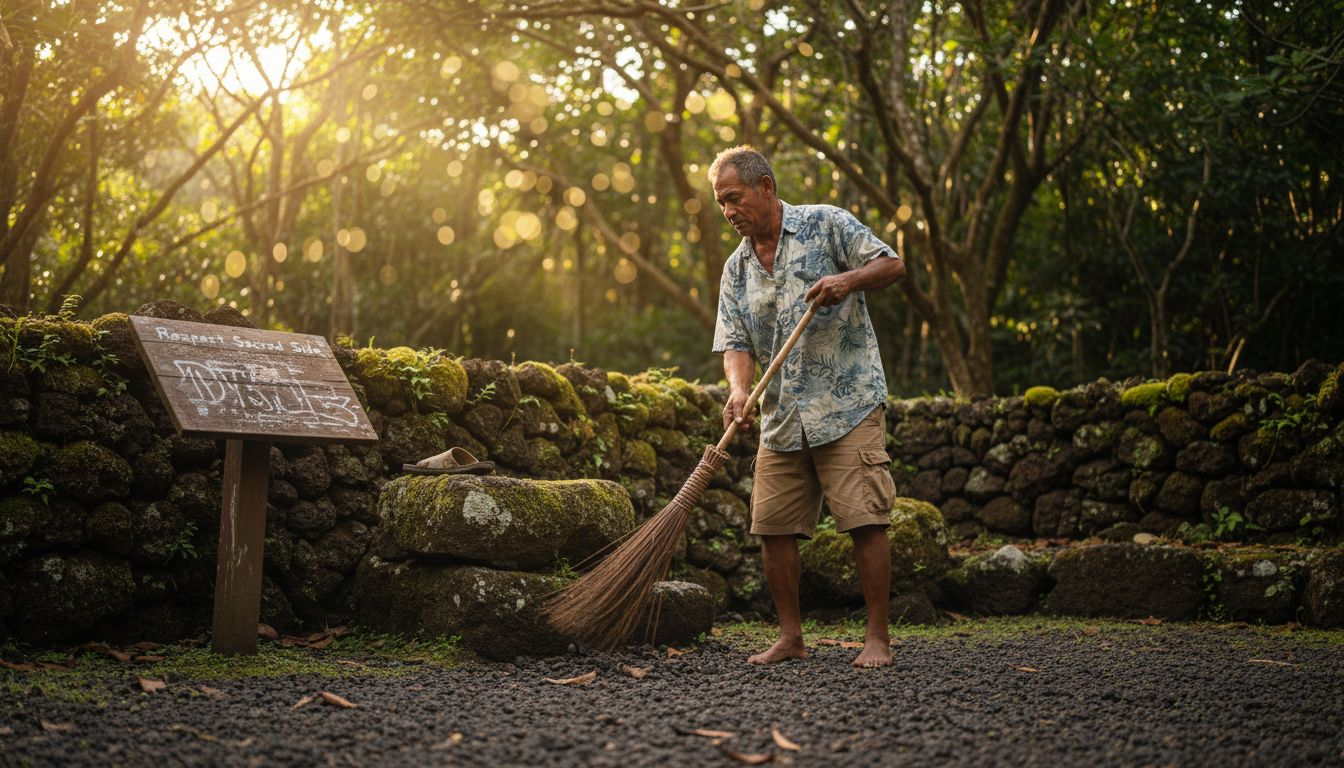
Here’s how tangible and intangible heritage differ in the context of Hawaiian cultural preservation:
| Aspect | Tangible Heritage | Intangible Heritage |
|---|---|---|
| Definition | Physical locations and objects | Practices, language, knowledge |
| Examples | Temples, landscapes, artifacts | Hula, chants, spiritual values |
| Protection Methods | Site conservation, permits | Community teaching, language programs |
| Impact of Tourism | Can aid preservation with funding | Enables sharing and revitalization |
Intangible Heritage: Knowledge and Traditions
Intangible heritage—the practices, languages, and knowledge systems—matters just as much as buildings and artifacts. This includes Hawaiian language, chants, hula, traditional crafts, and spiritual practices that communities actively maintain and pass down.
Understanding how Hawaiian traditions function in tourism helps clarify why protection of these living practices is critical. Intangible heritage isn’t static; it evolves through practice and community participation.
Intangible protected elements include:
- Hawaiian language and oral traditions
- Hula and traditional music
- Lomilomi (traditional massage) and healing practices
- Fishing and agricultural knowledge systems
- Genealogical traditions and family structures
- Spiritual beliefs and ceremonial practices
The Balance Between Access and Protection
Heritage protection doesn’t mean closing sites to visitors. Instead, it means managing access thoughtfully so that cultural integrity remains intact. A heiau can welcome visitors when Hawaiian practitioners guide the experience and set boundaries around sacred elements.
Heritage protection strengthens when communities control access and determine which traditions are shared publicly versus kept private.
Protection mechanisms vary by heritage type. Some sites require special permits for entry. Others rely on community guardianship where Native Hawaiian families maintain stewardship. Still others operate through education programs that teach proper cultural protocols.
Why This Matters for Hawaii’s Future
Without these protections, development pressure would erase irreplaceable sites. Tourism demand could push communities to commodify sacred practices. Language might disappear as younger generations choose English for practical reasons.
Protection ensures tourism becomes a tool for cultural strengthening rather than a threat to cultural survival. When heritage is properly protected, both visitors and locals benefit from authentic, respectful experiences.
Pro tip: Seek out heritage sites managed by Hawaiian organizations or community groups, where your visit directly supports preservation efforts and you’ll receive culturally accurate information from knowledge keepers.
Authentic Experiences and Cultural Storytelling
Authentic cultural experiences center on storytelling led by Native Hawaiians who hold deep connections to the traditions they share. These aren’t performances staged for tourists—they’re genuine expressions of Hawaiian identity, knowledge, and values.
What Makes an Experience Authentic
Authenticity means several things. The person sharing the story has genuine ties to that culture. The narrative reflects real traditions, not invented ones designed to appeal to visitors. Most importantly, the community benefits economically and maintains control over how their culture is represented.
When visitors participate in authentic storytelling experiences led by Native Hawaiians, they gain deeper understanding than passive observation provides. Stories become memorable lessons rather than entertainment consumed and forgotten.
Authentic experiences typically include:
- Community-led narratives where knowledge keepers share their own stories
- Hands-on participation that teaches visitors proper cultural protocols
- Educational depth explaining historical context and contemporary significance
- Spiritual respect for sacred elements without commodifying them
- Economic fairness where communities receive fair compensation
Storytelling as Cultural Preservation
Storytelling isn’t just entertainment. It’s how Hawaiian knowledge transfers between generations. When visitors hear stories directly from cultural practitioners, they become witnesses to living traditions. They also become advocates who share these narratives with their own communities.
Cultural storytelling experiences in Kailua-Kona demonstrate how immersive environments can deepen visitor understanding. Stories become more powerful when combined with sensory elements—hearing chants, seeing cultural artifacts, understanding landscape history.
Effective storytelling creates emotional connections. Visitors don’t just learn facts; they understand why these traditions matter to Hawaiian communities today.
The Difference Between Authentic and Commercialized Culture
Commercialized experiences extract cultural elements for profit without community input. Authentic experiences empower communities as narrators of their own stories.
Authentic storytelling happens when Native Hawaiians control the narrative, set boundaries around sacred knowledge, and benefit economically from sharing their culture.
This distinction affects what gets preserved. When communities lead storytelling, they choose which traditions to share and which to keep private. They decide whether certain stories are appropriate for tourists or meant only for family and spiritual contexts.
Why Visitors Prefer Authentic Experiences
Visitors increasingly seek real cultural engagement over staged performances. They want to learn from knowledge keepers. They want stories that challenge them to think differently about Hawaiian history and contemporary island life.
Authentic experiences also create more meaningful memories. Visitors leave with genuine understanding rather than superficial impressions. They become invested in Hawaiian culture preservation and more likely to support it through future choices.
Pro tip: Prioritize experiences where the guide shares personal family connections to the traditions they teach, such as a farmer explaining their ancestors’ agricultural practices or a cultural practitioner discussing their spiritual training.
Responsibilities of Tourists and Tourism Operators
Both visitors and tourism businesses share kuleana—the Hawaiian concept of responsibility—to protect Hawaiian culture while enabling meaningful tourism. This isn’t about restricting access; it’s about ensuring tourism strengthens rather than harms cultural preservation.
What Tourists Can Do
Visitors arriving in Hawaii have real power to influence cultural preservation through their choices. Every dollar spent, every site visited, and every interaction with locals sends a message about what kind of tourism gets rewarded.
Tourists should prioritize these actions:
- Learn Hawaiian history before arriving so you understand context for what you encounter
- Support locally-owned businesses where profits stay in Hawaiian communities
- Respect sacred sites by following posted guidelines and listening to cultural practitioners
- Ask permission before photographing people, cultural ceremonies, or private land
- Choose authentic experiences led by Native Hawaiians over commercialized performances
- Reduce environmental impact by using reef-safe sunscreen and respecting natural areas
These choices seem individual, but collectively they shape Hawaii’s tourism economy. When visitors demand authentic, community-led experiences, operators follow.
Tourism Operators’ Responsibilities
Tourism businesses hold significant influence over how Hawaiian culture is presented and whether communities benefit economically. Responsible tourism practices require operators to prioritize cultural integrity alongside profit.
Operators must:
- Partner with Hawaiian communities as decision-makers, not just employees
- Ensure fair compensation flows to cultural practitioners and knowledge keepers
- Implement environmental protections that safeguard natural and cultural resources
- Educate visitors about proper cultural protocols before experiences begin
- Avoid commercializing sacred practices or spiritual beliefs
- Train staff in Hawaiian history and cultural sensitivity
These aren’t optional gestures—they’re business fundamentals for sustainable tourism.
Creating Accountability Systems
Responsibility requires accountability. When operators cut corners on cultural respect, there should be consequences. When tourists disrespect sites, communities need recourse.
Sustainable tourism works when both tourists and operators understand that cultural preservation directly benefits everyone—economically, socially, and spiritually.
This means establishing clear standards. Some operators now pursue cultural certification programs demonstrating their commitment to authentic, respectful practices. Tourists can seek these certifications when booking.
The Ripple Effect
Individual actions compound. One visitor choosing an authentic experience supports one Hawaiian family. Multiply that across thousands of annual visitors, and you’ve transformed Hawaii’s tourism economy. One operator committing to fair revenue-sharing sets a standard competitors must match.
Both tourists and operators shape what Hawaii’s tourism becomes. The choice is active—make it intentionally.
Pro tip: Before booking any cultural experience, verify it’s Native Hawaiian-owned or operated by checking business ownership and reading reviews from other visitors describing how communities benefited from their visit.
Risks of Cultural Loss Without Safeguards
Without protection mechanisms, tourism can accelerate cultural erosion rather than strengthen it. Hawaii has already experienced centuries of cultural suppression—tourism without safeguards risks completing what colonization started.
Language and Oral Traditions at Risk
Hawaiian language nearly disappeared in the 20th century due to colonial education policies that punished children for speaking it. Today, revitalization efforts have brought the language back, but tourism pressure creates new threats.
When tourism commodifies language by reducing it to catchy phrases or incorrect pronunciations, it distorts meaning. Young Hawaiians may choose English for tourism employment rather than learning their heritage language. Without safeguards protecting authentic language use in tourism, the shallow version tourists hear becomes the “Hawaiian language” in their minds.
The same applies to oral traditions. Stories passed down through families for generations can be altered when tourism operators retell them for commercial purposes.
Physical Sites and Sacred Spaces Threatened
Unregulated development and displacement directly threaten culturally significant areas across Hawaii. When land developers prioritize profit over heritage, temples, burial grounds, and gathering places disappear or become inaccessible to the communities they belong to.
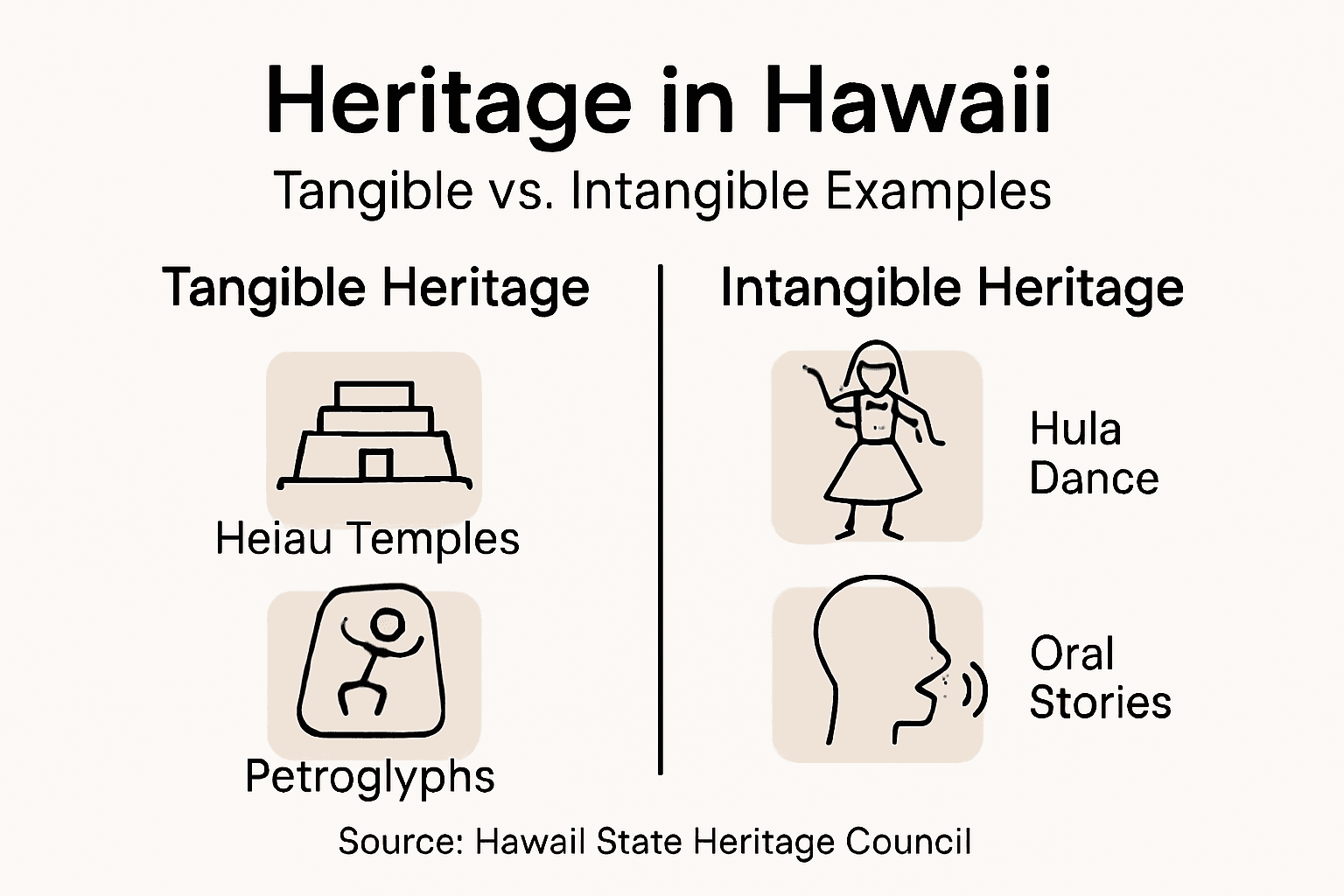
Without zoning protections and community input requirements, tourism development consumes the very spaces that make Hawaiian culture tangible. Lahaina’s recent fires revealed how development patterns had already erased many historic cultural sites.
Sacred sites face additional pressure. Increased foot traffic from tourists damages delicate ecosystems. Visitors unfamiliar with cultural protocols may disrespect sacred boundaries. Without clear protection standards, sacred spaces become recreational attractions.
Economic Displacement and Brain Drain
When tourism jobs pay better than traditional Hawaiian occupations, younger generations abandon cultural practices for tourism wages. A person becomes a tour guide instead of a fisherman, a hotel worker instead of a traditional healer.
This creates economic dependency on tourism while eroding the knowledge systems that made Hawaiian culture distinctive. Generational knowledge disappears when there’s no economic incentive to maintain it.
The Cost of Inaction
Cultural loss isn’t reversible. Once a language fully dies, teaching it becomes historical study rather than living practice. Once sacred sites are developed, their spiritual significance cannot be recreated.
Risks of cultural erosion include:
- Language disappearance despite revitalization efforts
- Sacred knowledge lost when knowledge keepers pass away without successors
- Spiritual practices commodified and distorted
- Burial grounds disturbed by development or tourism access
- Traditional livelihoods abandoned for tourism employment
- Community displacement due to rising land costs from tourism
Without active safeguards, tourism inevitably extracts cultural value faster than communities can regenerate it, leaving behind shallow commercialized versions of rich living traditions.
Hawaii’s experience shows that good intentions aren’t enough. Explicit protections, community control, and enforcement mechanisms must precede tourism development, not follow it.
Pro tip: Support tourism operators and policies that prioritize Hawaiian community ownership, decision-making authority over cultural content, and measurable outcomes benefiting Native Hawaiian families directly.
Experience Hawaii’s Living Culture Through Immersive Storytelling
The challenge of preserving Hawaiian culture while sharing it with visitors demands authentic, respectful experiences that honor community voices and heritage. This article highlights the importance of cultural storytelling led by Native Hawaiians and protecting sacred traditions from commercialization. At Flight of Aloha, we bring these values to life with an immersive flying theater offering breathtaking 8K visuals, motion effects, scents, and wind that simulate flying over Hawaii’s iconic landscapes while sharing genuine Hawaiian legends rooted in aloha.
Discover authentic cultural preservation without compromising respect or depth. Our carefully crafted experiences like “Naupaka” and “Lahaina” invite you to connect emotionally with Hawaii’s history and natural beauty. Flight of Aloha supports community-led narratives and protects intangible heritage by promoting education and economic benefits for Hawaiian families. Start your journey today and make a difference by choosing culturally conscious tourism.

Ready to deepen your appreciation of Hawaiian culture through a unique immersive adventure Visit Flight of Aloha to book your tickets now and experience stories told with true Hawaiian spirit. Explore our VIP experiences and annual passes that encourage repeated visits and ongoing support for cultural preservation. Embrace an unforgettable Hawaiian cultural encounter while helping sustain the heritage that makes Hawaii truly special.
Frequently Asked Questions
What is cultural preservation in tourism?
Cultural preservation in tourism involves protecting tangible and intangible cultural heritage while responsibly integrating it into visitor experiences. It empowers communities to control how their traditions and stories are shared.
How does tourism support cultural preservation?
Sustainable tourism can strengthen cultural preservation by providing funding for heritage conservation, encouraging economic benefits for local communities, and creating platforms to share authentic cultural narratives.
What are the key elements of effective cultural preservation?
Effective cultural preservation includes active community involvement, economic benefits for local communities, authentic representation of traditions, protection of sacred elements, and intergenerational knowledge transfer.
Why is authenticity important in cultural experiences?
Authenticity ensures that cultural experiences are led by individuals with genuine ties to the culture, providing real insights into traditions and values while ensuring that communities benefit economically and maintain control over their narratives.