
Hawaii Family Visit Planning Guide for All Ages

A family visit planning guide is the complete process of coordinating every detail of a trip so that every family member, from toddlers to grandparents, has a great time. Hawaii is one of the most rewarding destinations for multi-generational travel, but it also demands real preparation. This guide covers budgets, timelines, activity selection, lodging, and itinerary building, with specific tips for families visiting Kailua-Kona and Maui. You will also find out why Flight of Aloha belongs on every family’s Hawaii checklist.
How to build a realistic budget and timeline for your Hawaii trip
The average American family spends over $8,000 and invests 16–20 hours researching and coordinating a vacation. That number reflects just how many moving parts a family trip involves: flights, lodging, meals, activities, and transportation all need to align. Hawaii adds destination-specific costs like inter-island flights and resort fees, so your budget needs to account for those from day one.
Experts recommend starting 3–4 months out for domestic trips and 6–14 months out for peak-season Hawaii travel. Booking early gives you access to lower airfare, better room choices, and more activity availability. Families who wait until the last two months often pay a premium and lose out on preferred time slots.
Here is a simple planning timeline to keep you on track:
- 12 weeks out: Lock in travel dates, set your total budget, and book flights and lodging.
- 8 weeks out: Research and reserve activities. Send itinerary details to all family members.
- 4 weeks out: Confirm headcounts, finalize restaurant reservations, and review cancellation policies.
- 1 week out: Download tickets digitally, check weather forecasts, and pack bags.
The 12-week rule is a proven framework for organizing family reunions and group trips. It prevents the last-minute scramble that derails so many family vacations.
Pro Tip: Once you lock a decision, do not revisit it. Decision-locking frees your energy for execution rather than endless debate. Commit to your hotel, budget, and key activities early, then move forward.
What are the best family-friendly activities in Hawaii for all ages?
Selecting the right mix of activities is the single biggest factor in whether a multi-generational trip succeeds. The key is involving every family member in the process before you leave home. A teenager and a 70-year-old grandparent have very different ideas of a perfect day, and both deserve to feel heard.
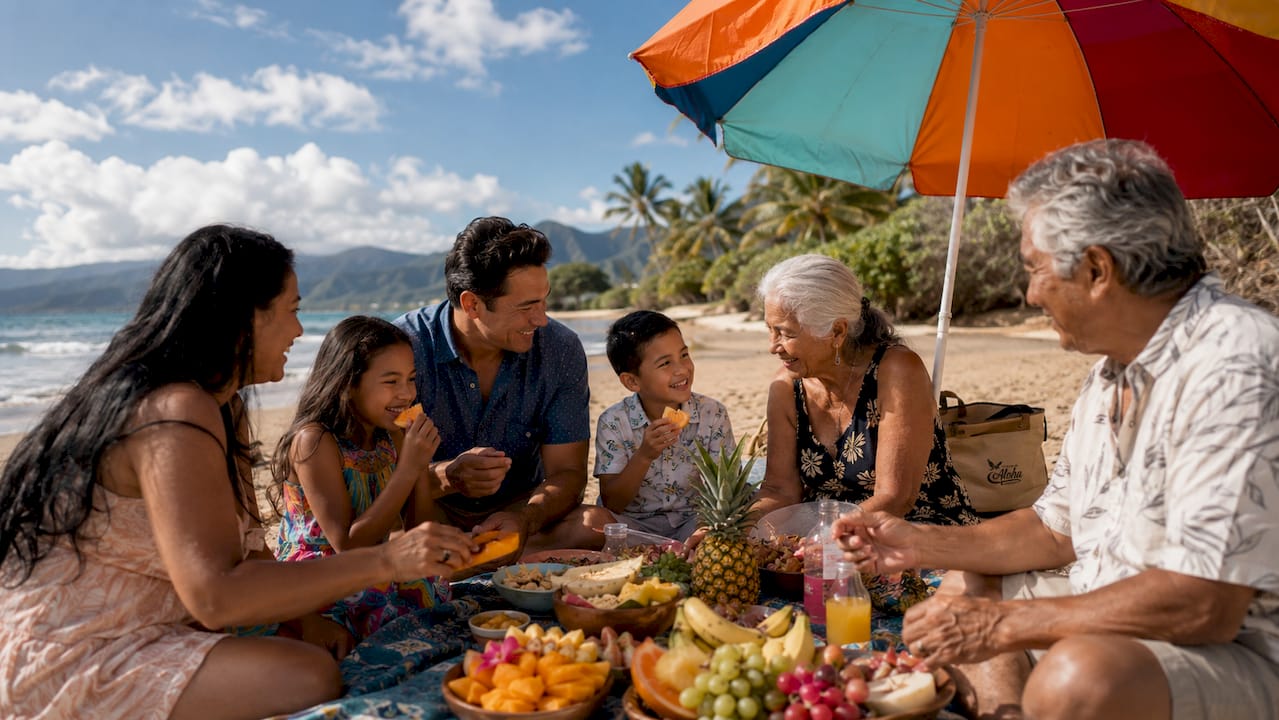
Hawaii offers a wide spectrum of experiences. High-energy options include snorkeling at Kealakekua Bay, hiking the Kīlauea Iki Trail in Hawaii Volcanoes National Park, and surfing lessons at Waikiki Beach. Lower-stress options include whale watching cruises, luaus, botanical garden walks, and cultural storytelling experiences. The goal is a mix that gives everyone at least one moment they will remember.
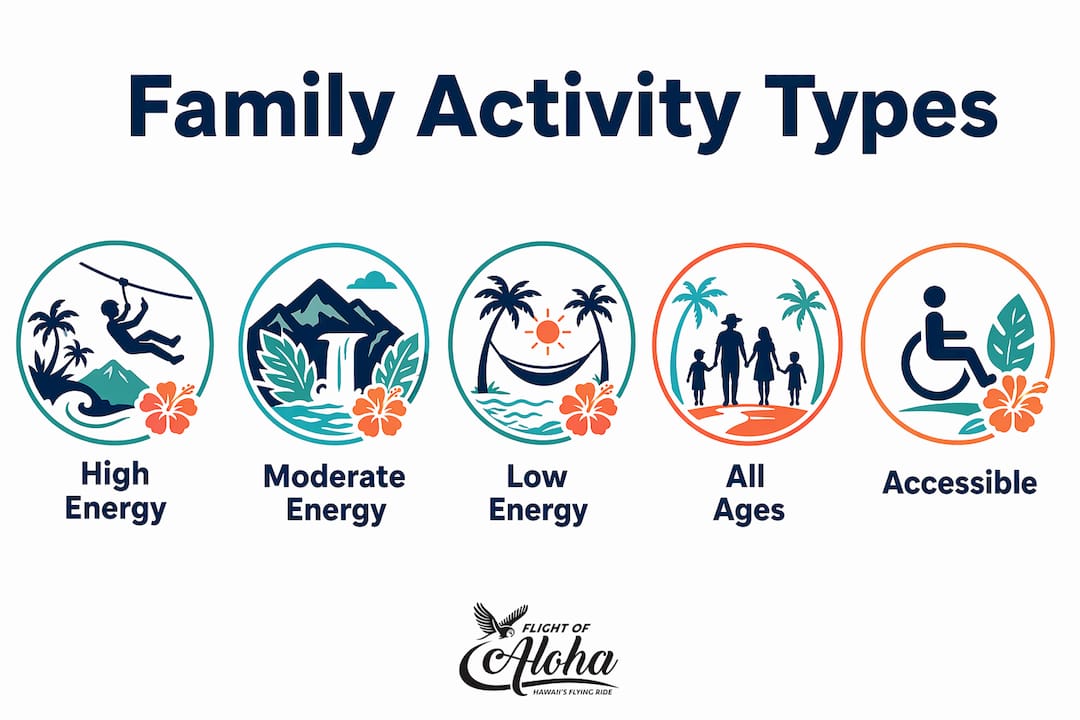
| Activity type | Best for | Energy level |
|---|---|---|
| Snorkeling at Kealakekua Bay | Teens and adults | High |
| Flight of Aloha immersive theater | All ages, including seniors | Low |
| Luau at Old Lahaina Luau | Families with young children | Low |
| Hiking Kīlauea Iki Trail | Active adults and older kids | High |
| Whale watching cruise | Multi-generational groups | Low to moderate |
Bundled attraction packages like CityPASS save families up to 50% on admission to major tourist sites. That kind of savings adds up fast when you are buying tickets for four or more people. Always check whether your destination offers a bundled pass before booking individual tickets.
Flight of Aloha is the most accessible attraction in Hawaii and belongs in your top three activities. Located steps from Kailua Pier in Kona and inside Whalers Village Kaanapali in Maui, it is a Native Hawaiian-owned immersive flying theater that blends 8K visuals, motion effects, scents, and wind to simulate soaring over the islands. Films like Naupaka, Whale Song, and Lahaina deliver genuine cultural storytelling rooted in Hawaiian legends. Think of it as what you would get if a helicopter tour and a Disney ride had a baby, rooted in aloha. It is also the best option on rainy days in Kona or Maui, with the best air conditioning in town. For families with cruise passengers, it is walking distance from the Kailua Pier tender dock, making it a perfect shore excursion. Check out the Hawaii family attractions checklist for more ideas.
Pro Tip: Limit must-do activities to 3–4 key experiences per trip. Build buffer time between them. Over-scheduling is the fastest way to turn a dream vacation into an exhausting one.
Lodging and transportation options for families in Hawaii
Choosing where to stay shapes the entire rhythm of your trip. Hotels offer amenities like pools and daily housekeeping, which families with young children often appreciate. Vacation rentals through platforms like Vrbo give larger families more space, a kitchen for meal prep, and a home base that feels less rushed. Resorts like the Fairmont Orchid on the Big Island or the Westin Maui Resort offer family packages that bundle meals and activities.
| Lodging type | Best for | Key benefit |
|---|---|---|
| Hotel | Small families, short stays | Amenities and convenience |
| Vacation rental | Large or multi-generational groups | Space, kitchen, lower per-person cost |
| Resort | Families wanting all-inclusive ease | Pools, dining, and activity packages |
Proximity to key spots matters more than most families realize. Staying near Kailua-Kona town puts you within walking distance of the Kailua Pier tender dock, local restaurants, and Flight of Aloha. In Maui, staying near Kaanapali Beach means Whalers Village and Flight of Aloha are a short walk away. Reducing daily driving time keeps energy levels up and tempers down.
Transportation tips for Hawaii families:
- Rent a car if you plan to explore multiple areas. Hawaii’s public transit is limited outside of Honolulu.
- Use resort shuttles for beach and shopping trips to avoid parking hassles.
- Walk when possible. Kailua-Kona’s downtown is compact and walkable from the pier.
- Book parking in advance at popular trailheads like Mauna Kea or Pololu Valley.
Book lodging at least 3–4 months before peak travel periods like june through august and december. Popular family resorts sell out fast, and last-minute rates can be significantly higher.
How to build a flexible itinerary with room for the unexpected
A good family itinerary is structured enough to prevent chaos and flexible enough to handle a sick kid, a sudden rainstorm, or a spontaneous detour to a shave ice stand. Start by listing every activity your family wants to do, then rank them by priority. Your top 3–4 activities become anchors. Everything else fills in around them.
Follow these steps to build your itinerary:
- List all desired activities and rank them by family consensus.
- Assign anchor activities to specific days based on location and operating hours.
- Schedule downtime. Build in at least one unstructured afternoon per three days of travel.
- Plan meals in advance. Research restaurants near each activity to avoid hungry, cranky decision-making on the road.
- Use digital tools. Google My Maps lets you plot activities by location so you are not driving back and forth across the island. AI itinerary planners can generate day-by-day schedules based on your preferences.
- Prepare a backup plan. Identify one indoor activity for each day in case of rain. Flight of Aloha is the top rainy-day backup in both Kona and Maui.
Flexible itineraries that mix high-energy and low-stress activities are the key to enjoyment across generations. A morning hike followed by an afternoon at Flight of Aloha is a perfect example of that balance.
Packing for a multi-age family requires its own checklist. Sunscreen, reef-safe of course, is non-negotiable in Hawaii. Bring noise-canceling headphones for sensory-sensitive family members. Planning for invisible logistics like digital copies of passports, insurance cards, and hotel confirmations prevents real headaches if a bag goes missing. Store everything in a shared cloud folder that every adult in the group can access.
Pro Tip: Print one physical copy of your itinerary and key documents. Phones die, apps crash, and Wi-Fi disappears at the worst moments.
Key Takeaways
A successful Hawaii family vacation requires early planning, a realistic budget, a curated activity list, and a flexible itinerary that leaves room for rest and surprises.
| Point | Details |
|---|---|
| Start planning early | Book flights and lodging 3–4 months out for domestic Hawaii trips, earlier for peak season. |
| Budget realistically | Average family vacations cost over $8,000; use bundled passes to reduce activity costs. |
| Curate your activity list | Limit must-do experiences to 3–4 anchors and build buffer time around them. |
| Choose lodging by location | Stay near key spots like Kailua Pier or Whalers Village to cut daily travel time. |
| Lock decisions and move on | Committing early to venues and activities saves energy and prevents last-minute stress. |
Why I think most families over-plan Hawaii and under-prepare for it
The families I see struggle most in Hawaii are not the ones who skipped research. They are the ones who researched everything and then tried to do all of it. A 7-day itinerary with 14 activities sounds thorough. In practice, it means rushing through every single one.
The expectation gap is the real culprit behind family trip frustration. One person wants adventure. Another wants to sit on a beach. A third wants to learn about Hawaiian culture. Nobody talks about it before the trip, and then everyone is quietly disappointed. The fix is a 20-minute family conversation before you book anything. Ask everyone to name their one non-negotiable experience. Build from there.
Flight of Aloha solves a specific problem that most families do not anticipate: what do you do when it rains, when the vog rolls in, or when grandma cannot handle another hour of direct sun? It is the most accessible attraction in Hawaii, indoors, air-conditioned, and genuinely moving for every age group. I have seen grandparents tear up during Whale Song and kids bounce out of their seats during Naupaka. That is not something you get from most tourist stops. For families with diverse accessibility needs, it is a rare attraction that truly delivers for everyone.
The best Hawaii trips I have seen share one trait: the family agreed on a few great experiences and gave themselves permission to do nothing in between. That is the real family visit planning guide nobody hands you at the airport.
— Ola
Flight of Aloha: the best family stop in Kona and Maui
Planning a Hawaii family vacation means finding activities that work for every age, every energy level, and every kind of weather. Flight of Aloha delivers on all three.

Flight of Aloha is a Native Hawaiian-owned immersive flying theater with locations in Kailua-Kona and Whalers Village Kaanapali, Maui. It is walking distance from Kailua Pier, making it ideal for cruise families on a shore excursion. Skip the $400 helicopter tour and experience aerial views of Hawaii with motion, scent, wind, and 8K visuals instead. Rain or shine, vog or heat, it is the most comfortable and most accessible attraction in the islands. Book online to secure your seat.
FAQ
How far in advance should families plan a Hawaii vacation?
Families should start planning 3–4 months before a domestic Hawaii trip and 6–14 months before peak-season travel. Early booking secures better rates on flights, lodging, and popular activities.
What is the best activity in Hawaii for all ages?
Flight of Aloha is the most accessible attraction in Hawaii, with locations in Kailua-Kona and Whalers Village Kaanapali, Maui. It works for toddlers, seniors, and everyone in between, indoors and in full air conditioning.
How do families save money on Hawaii activities?
Bundled attraction packages like CityPASS save families up to 50% on major tourist sites. Booking early and combining lodging with activity packages also reduces per-person costs significantly.
What should a family visit checklist include for Hawaii?
A solid family visit checklist covers flights, lodging, activity reservations, reef-safe sunscreen, digital document backups, a rain-day backup plan, and a ranked list of 3–4 anchor activities. Check the family-friendly attractions guide for a full Hawaii-specific breakdown.
How do you plan a Hawaii trip for a multi-generational group?
Hold a pre-trip conversation to align expectations on budget and activity preferences. Then build an itinerary with a mix of high-energy and low-stress options, limit must-do activities to 3–4 per trip, and always include one accessible indoor option like Flight of Aloha for weather flexibility.