
Book Hāʻena 30 Days Ahead: What Kauai Visitors Must See and When
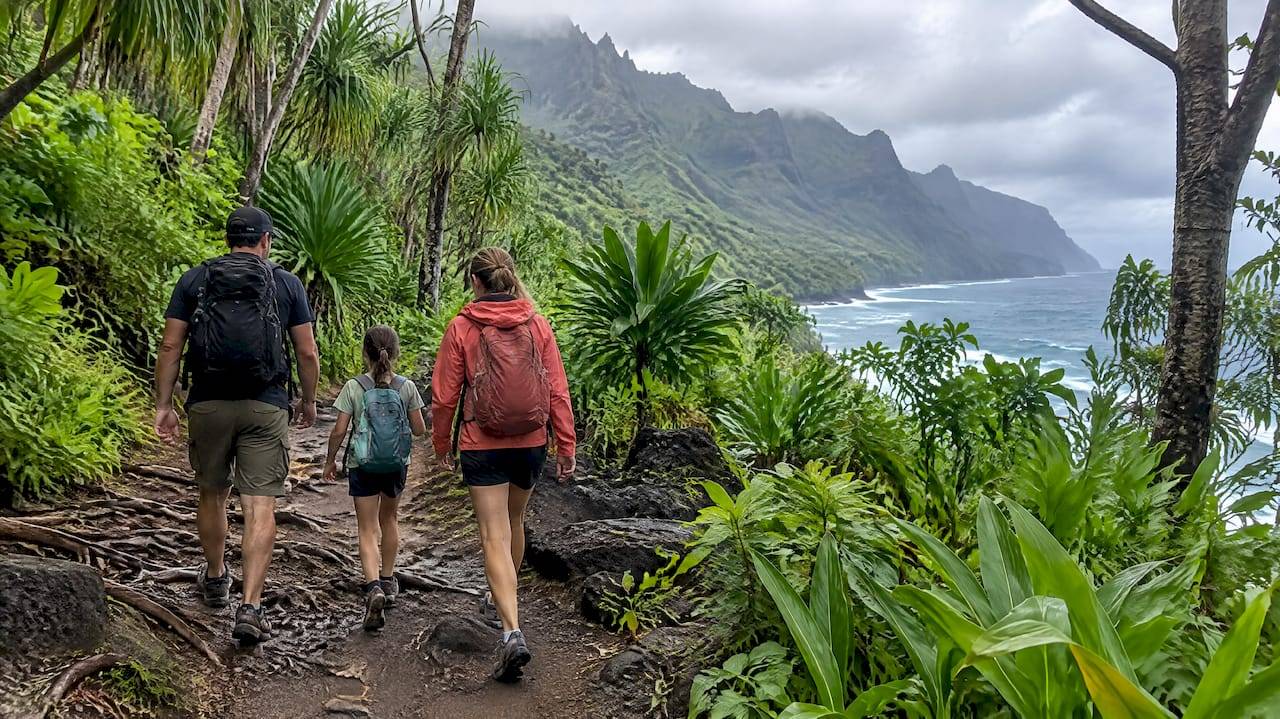
Kauai’s must-see list starts with the Nāpali Coast for its cliff views, Waimea Canyon for its red-rock drama, Hāʻena State Park and the Kalalau Trail for the island’s most famous hike, Kīlauea Point for seabirds and winter whales, Hanalei Bay and Poʻipū for the best beach time, Polihale for sheer isolation, and the Wailua River for waterfalls by kayak. Book Hāʻena’s day-use reservation ahead, since it sells out, and check park pages before you go.
TL;DR:
- Kauai’s key sites require advance reservations, especially Hāʻena State Park and Kalalau permits, to avoid missing out on popular hikes and beaches.
- Road conditions can fluctuate due to weather and ongoing construction, so checking updates before driving to spots like Waimea Canyon and Polihale is essential.
- Incorporating a mix of activities, such as one major hike or paddle day with relaxed beach days, maximizes enjoyment and minimizes travel stress.
- Viewing humpback whales from Kīlauea Point is reliable from October to April, often without needing a boat trip, making it accessible for most travelers.
- The safest and most eco-friendly approach means respecting site boundaries, carrying reef-safe sunscreen, packing out trash, and avoiding driving on protected dunes or beaches.
1. Must-see natural wonders and viewpoints ranked
Kauai rewards a traveler who plans ahead more than one who wings it. The island’s best spots cluster into a few regions, so pace yourself, and treat reservations and road conditions as part of the itinerary, not an afterthought.
- Nāpali Coast: This string of fluted green cliffs along the northwest shore is the single image most people picture when they hear “Kauai,” and you can take it in from a boat tour, a helicopter ride, or the Kalalau Trail itself. Early morning offers the calmest ocean and the clearest light for photos. Boat access depends on surf and season, so check operator conditions before booking, and remember that no road reaches this coastline.
- Waimea Canyon and Kōkeʻe State Park: Mark Twain’s famous nickname aside, this gorge carves ten miles across the island’s west side and the lookouts along Waimea Canyon Drive deliver some of the most dramatic views anywhere in Hawaii. Visit in the morning before clouds roll in, and check current roadwork notices since construction has closed lookouts and squeezed parking. Stick to marked overlooks, since the canyon walls drop fast and the edges are not always fenced.
- Hāʻena State Park, Kalalau Trail, and Hanakāpīʻai: This is the gateway to Kauai’s north shore wilderness, where Kēʻē Beach marks the trailhead for the Kalalau Trail and the shorter walk to Hanakāpīʻai Beach. The park now runs on a daily reservation system for entry and parking, and overnight camping past Hanakāpīʻai requires a separate Kalalau permit. Go early, since afternoon brings crowds and the trail’s narrow sections get slippery after rain.
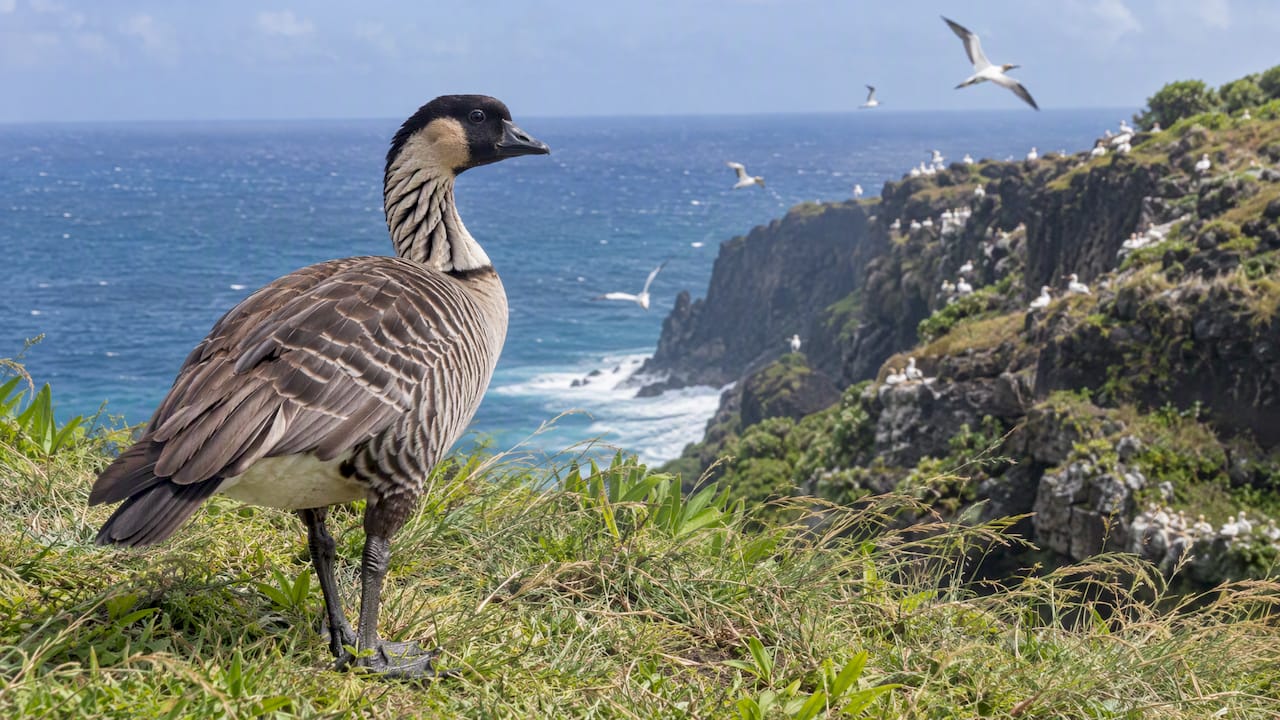
- Kīlauea Point National Wildlife Refuge: Perched on the island’s northernmost tip, this refuge is one of the best places in Hawaii to watch seabirds nest on sea cliffs, and from October through April you can often spot humpback whales offshore without ever boarding a boat. The refuge also protects the nēnē, Hawaii’s native goose. Arrive in the morning for the clearest skies, and keep to the paved paths since the cliffs are unstable at the edges.
- Limahuli Garden and Preserve: Tucked into a valley near the north shore’s end, this garden run by the National Tropical Botanical Garden traces how Native Hawaiians shaped the land for centuries, and the short loop trail winds past terraced lo’i and native plants you will not see roadside anywhere else. Reservations are generally required for guided visits, so book before you arrive. Stay on the trail, since the valley is both a working preserve and a cultural site.
- Hanalei Bay: This two-mile crescent of sand backed by mountains is the north shore’s social hub, popular for swimming in summer and watching big winter surf from the sand. Weekday mornings are quieter than weekend afternoons. Winter swells can be dangerous for swimmers, so check posted flags and conditions before getting in.
- Keʻe (Kēʻē) Beach: Sitting at the very end of the road and the start of the Kalalau Trail, this small beach offers a protected reef for snorkeling in calm summer months and a front-row seat to the Nāpali cliffs. Go early, since it shares the Hāʻena reservation system and fills up by midday. Currents strengthen outside the reef, so stay inside the calmer shallows.
- Tunnels Beach (Mākua): Named for the lava tube caverns divers explore offshore, this beach pairs a wide sandy stretch with some of the north shore’s best snorkeling among coral formations. Visit at low tide for the calmest water and the best visibility. Winter brings strong currents and surf, so this is primarily a summer snorkel spot.
- Poʻipū Beach and the Poʻipū area: On the sunnier south shore, Poʻipū Beach Park is a family favorite with a natural rock barrier that keeps one section calm for kids, and green sea turtles regularly rest right on the sand. Afternoon brings the warmest water and the best light for turtle spotting. Give the turtles space, since Hawaii law protects them from being touched or crowded.
- Wailua River and Fern Grotto: This is the island’s only navigable river, and kayak outfitters and small boat tours both run trips upstream past jungle banks to waterfalls and the lava-rock amphitheater known as Fern Grotto. Morning trips avoid the afternoon heat and the midday crowds. Rain upstream can turn the river fast and muddy within hours, so check forecasts before paddling.
- ʻŌpaekaʻa Falls: A short walk from the parking area near Wailua River State Park delivers one of Kauai’s most photographed waterfalls, dropping 151 feet into a green gorge. Midmorning light tends to hit the falls best for photos. The overlook has no direct trail to the base, so admire it from the platform rather than attempting to scramble down.
- Polihale State Park: At the far west end of the island, this is Hawaii’s longest beach and one of its most remote, backed by dunes and facing open ocean with no reef to break the waves. Sunset here is spectacular and far less crowded than the south shore. The access road is rutted dirt that regularly floods, and driving on the dunes or beach itself is illegal.
- Spouting Horn and the south shore secret spots: Near Poʻipū, this lava shelf forces incoming waves through a natural tube, sending up a spout and sometimes a low moaning sound through a second opening. Visit near high tide for the most dramatic spray. Stay behind the railing, since the rock is slick and the surf below is far rougher than it looks.
- Boat or helicopter viewing of the coast: For travelers who want to see the Nāpali Coast without hiking it, a boat tour along the shoreline or a scenic flight over the island shows you waterfalls and valleys the trail never reaches. Book boat tours for calmer summer swell when possible. Helicopter tours deliver real aerial views, though cost and motion sensitivity are worth weighing against other ways to see the island from above.
Pro Tip: Pair one big hike or paddle day with one slow beach day. Kauai’s best moments often come from not rushing between six attractions before lunch.
2. Reservations, road conditions, and safety before you go
Kauai rewards planning more than almost any other Hawaiian island, mostly because its most famous sites gate access on purpose. Knowing the rules before you land saves a wasted morning.
Hāʻena State Park’s reservation system opens 30 days in advance at 12:00 a.m. Hawaii Standard Time, and slots for parking and entry often disappear within minutes. If you miss your date, cancellations tend to surface in a short window around 7 to 8 a.m. Hawaii Standard Time, so refreshing the booking page that morning is a realistic backup plan. Overnight hikers continuing past Hanakāpīʻai to Kalalau Beach need a separate camping permit, and that permit system runs on its own calendar, so check it the moment you lock in travel dates.
Waimea Canyon and the adjoining Kōkeʻe State Park have dealt with ongoing roadwork that has closed lookouts and squeezed parking for stretches lasting months at a time. The DLNR’s own visitor notices advise checking conditions before the drive up, and weekday construction crews mean weekend visits often avoid the worst delays.
Polihale State Park sits at the end of a dirt road that floods easily and turns to deep ruts after rain. A standard rental sedan will struggle, and many rental agreements prohibit driving it at all, so a four-wheel-drive vehicle is the safer call. Driving on the dunes or the beach itself is illegal and damages fragile habitat that takes years to recover.
Flash flooding is a real hazard across the island, not just a line in a safety brochure. The National Weather Service warns that streams on Kauai can rise from a trickle to a dangerous current within minutes after rain falls upslope, even on a sunny day at the trailhead. The rule that matters most: never cross a fast-flowing stream, and check the forecast before any hike that crosses water, including the Kalalau Trail’s stream crossings.
A few more things worth knowing before you set your schedule:
- Arrive at major trailheads and beach parks by mid-morning at the latest, since small lots fill fast and towing does happen.
- Shuttle service exists at some high-traffic sites during peak periods, so check current park pages for pickup windows rather than assuming a schedule.
- Keep a printed or saved copy of any reservation confirmation, since cell service drops out along much of the north shore.
Rangers and conservation staff on Kauai point to managed access models like Hāʻena’s reservation system as a way to ease overcrowding while protecting sites that carry deep cultural significance for Native Hawaiian communities.
3. Three sample itineraries by trip length
However many days you have, sequencing matters more than speed. Here is how to stack the island’s must-sees without wasting half your trip in the car.
- One day (based from Lihue or Poʻipū): Start at Waimea Canyon by 8 a.m. for clear lookouts and light traffic, spend about two hours at the rim trails and overlooks, then drive the coast road toward Poʻipū for lunch and an afternoon at Poʻipū Beach Park, wrapping with sunset at Spouting Horn ten minutes away. This loop keeps driving under two hours total and skips the north shore, which needs its own day given the distance and reservation requirements.
- Three days (north, west, and east/south sequencing): Day one covers the north shore: book your Hāʻena State Park slot in advance, hike to Hanakāpīʻai or just enjoy Kēʻē Beach, then swing by Hanalei Bay for a late lunch. Day two is the west side: Waimea Canyon and Kōkeʻe in the morning, with the afternoon open for Polihale if your vehicle can handle the access road, otherwise rest at your lodging. Day three covers Kīlauea Point in the morning for birds and possible whale sightings, then Wailua River for a kayak or boat trip to the falls in the afternoon. Flag both the Hāʻena reservation and, if you are camping, the Kalalau permit as the two bookings to lock in first, since both run on limited calendars.
- Five days (relaxed pacing): Spread the same three regions across five days instead of three, adding a half-day at Limahuli Garden and Preserve on the north shore and a second beach day split between Tunnels Beach for snorkeling and Poʻipū for calmer swimming with kids. Basing yourself in Princeville suits a north-shore-heavy trip, Poʻipū suits a south-shore-heavy one, and Lihue splits the difference if you want to minimize total driving distance across the week. Aim for no more than one major driving day out of five, and build in at least one afternoon with no plan at all.
For travelers connecting this trip to other islands or international flights, a broader Hawaii trip planning guide can help with logistics beyond Kauai itself.
4. Where to eat near the island’s top sights
Kauai’s food scene leans local and unfussy, and the best meals tend to sit right along your route rather than requiring a detour. Near the north shore, Hanalei’s small-town strip has plate lunch counters and food trucks serving fresh fish and musubi, perfect for refueling after a morning at Hāʻena or Kīlauea Point.

On the west side, Waimea town has a handful of local spots serving shave ice and plate lunch within easy reach of the canyon drive, a good stop before or after the lookouts. The south shore around Poʻipū has the island’s densest cluster of restaurants, from casual poke bowls to sit-down dinners with ocean views, making it an easy base for evenings after beach days.
Farmers markets pop up on different days across the island and are worth timing your drive around if you want tropical fruit, baked goods, and local produce straight from growers. Whatever you choose, eating where locals eat tends to beat anything built purely for tourists, both on price and on flavor.
5. Spotting Kauai’s native birds and land wildlife
Kauai’s wildlife story goes well beyond sea turtles and dolphins. The island is one of the best places in Hawaii to see the nēnē, the state’s native goose, which nearly disappeared before conservation efforts brought it back from the edge. Kīlauea Point National Wildlife Refuge protects nesting nēnē alongside some of the most accessible seabird colonies in the islands, including red-footed boobies and wedge-tailed shearwaters that nest right along the cliffs.
Kōkeʻe State Park, up near Waimea Canyon, is a favorite for birders chasing native forest species found nowhere else on Earth, since Kauai’s isolated upland forests sheltered several honeycreeper species that evolved in total separation from the other islands. Bring binoculars if birding interests you at all, since many native species stay high in the canopy.
Early morning is the best time for both seabird activity and forest bird calls, before the heat of the day settles in and the wind along the cliffs picks up. Quiet, patient observation from marked trails and overlooks gives you the best chance of a real sighting without disturbing the habitat these species depend on.
6. A local note on visiting Kauai with respect
Kauai’s push toward managed access, Hāʻena’s reservation system especially, reflects something locals have said for years: the island’s most sacred and most fragile places need boundaries to survive the people who love them. That model deserves support, not workarounds.
A few habits go a long way. Pack reef-safe sunscreen, since regular sunscreen chemicals harm coral. Carry your own water, since few north shore trailheads have reliable fountains. Pack out everything you bring in, and read posted signage at cultural sites before stepping past it, since some areas carry significance that is not obvious to a visitor passing through.
— Ola
7. A comfortable way to experience Hawaii from above
If the idea of a $400 helicopter ride gives you pause, or the thought of turbulence over open water sounds like a bad time, Flight of Aloha gives you the aerial view without either problem. This flying theater puts you in motion seats with visuals, wind, and scent effects that simulate soaring over the islands, all from solid ground in air-conditioned comfort.

It also solves a problem Kauai’s own weather sometimes creates: rainy days or hazy vog that cancel outdoor plans. In Kailua-Kona, one location is walking distance from the Kailua Pier tender dock, making it an easy stop for cruise passengers on a short shore excursion, and a second location at Whalers Village in Kaanapali, Maui serves travelers on that island too. Films like Naupaka and Lahaina root the flight in Hawaiian storytelling rather than just scenery, and the full lineup of flight experiences covers everything from single shows to the VIP Package for a bigger night out. Book online to secure your seat.
FAQ
What is the number one must-see place in Kauai?
Most visitors rank the Nāpali Coast first, since its cliffs are the island’s signature image, whether seen by boat, helicopter, or from the Kalalau Trail. Waimea Canyon and Hāʻena State Park follow close behind for their own distinct scenery.
Do I need a reservation for Hāʻena State Park?
Yes, Hāʻena State Park requires a daily reservation for entry and parking, and slots open 30 days ahead and sell out fast. Cancellations tend to appear in the early morning hours around 7 to 8 a.m. Hawaii Standard Time, so checking then can turn up last-minute availability.
When is the best time to see whales on Kauai?
Humpback whales are commonly spotted offshore from October through April. Kīlauea Point National Wildlife Refuge offers reliable shore-based viewing during that window. No boat is required to see them from this spot.
Is Polihale State Park worth the drive?
Polihale rewards visitors with Hawaii’s longest beach and a remote, uncrowded shoreline, but the access road is rough, unpaved, and prone to flooding. A four-wheel-drive vehicle is strongly recommended, and driving on the dunes or beach itself is illegal.
What is a comfortable alternative to a Kauai helicopter tour?
Flight of Aloha offers an indoor flying theater experience with motion seats and aerial visuals that simulate flying over Hawaii, without the cost or motion sensitivity concerns of a helicopter ride. It operates in Kailua-Kona and at Whalers Village in Kaanapali, Maui, with tickets available online.
Sources
- Kīlauea Point National Wildlife Refuge | U.S. Fish & Wildlife Service
- Waimea Canyon State Park — DLNR Division of State Parks
- National Weather Service – Hawaii flood safety guidance
- Limahuli Garden – National Tropical Botanical Garden