
6 Mauka-to-Makai Maui Must-Dos — Local Tips and a $400 Helicopter Alternative
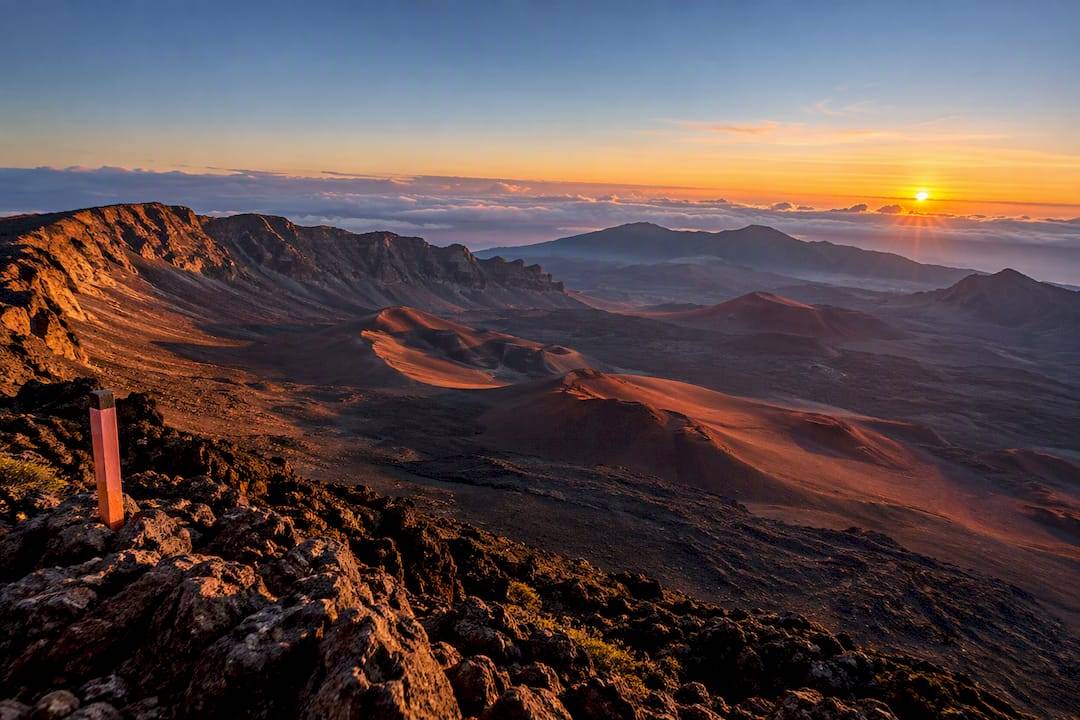
The must-do things in Maui break down into six headline experiences: watching sunrise from Haleakalā, driving the Road to Hāna, snorkeling Molokini Crater, whale watching in season, relaxing on Kāʻanapali or Wailea beaches, and taking in a luau or cultural show. The smartest itineraries follow the local idea of “mauka to makai,” mountain to ocean, pairing a high-elevation morning with a saltwater afternoon. One booking note matters more than any other: Haleakalā sunrise requires a vehicle reservation on Recreation.gov, and it needs to happen well before you land.
TL;DR:
- Haleakalā sunrise reservations must be booked 60 days in advance through Recreation.gov and cost $1.00 per vehicle, with limited slots releasing at 7:00 AM Hawaii Standard Time.
- The Road to Hāna requires a slow drive with strategic turnarounds at Keʻanae to avoid an exhausting 10 to 12 hour round trip and to maximize scenic stops.
- Ocean excursions like Molokini snorkeling and whale-watching trips are best booked several days ahead, especially for early morning departures with calmer conditions.
- Maui’s water sports extend beyond snorkeling to surfing, windsurfing, paddleboarding, and scuba diving, which should be booked with safety briefings and current conditions in mind.
- For bad weather days, Flight of Aloha indoor flying theater offers a cultural and scenic experience without the need for outdoor plans or high costs.
Must-See Attractions in Maui, Organized Mauka to Makai
Maui rewards travelers who think in pairs, not checklists. Locals plan trips around mauka (mountain) and makai (ocean) experiences, and the Lonely Planet guide to Maui backs that instinct up, recommending visitors balance high-elevation moments like Haleakalā with dedicated ocean time such as snorkeling or whale watching. That framing shapes everything below.
Mauka: mountain and upcountry experiences
1. Haleakalā Sunrise
Watching the sun break over a 10,023-foot volcanic summit ranks among the most photographed moments in Hawaii, and for good reason. The crater below looks lunar, all rust and ash, and the silence at 5:45 AM before the sky ignites is unlike anything at sea level. You cannot show up and hope for a spot anymore. The National Park Service requires a separate sunrise viewing reservation between 3:00 and 7:00 AM, on top of the park entrance fee. Book this the moment your flights are confirmed.
2. Waiheʻe Ridge Trail
This is the hike locals actually recommend, not the one that shows up on every generic list. The trail climbs through misty pastureland into cloud forest, with switchbacks that open onto sweeping views of the West Maui Mountains and the coast far below. Plan for 4 to 5 hours round trip, sturdy shoes, and a rain jacket even on clear mornings. Go early. Clouds usually roll in by midday and swallow the summit views.
3. Upcountry Farm Visits
Kula and Waipoli sit at elevations cool enough to grow lavender, protea, and strawberries, a strange contrast to the beach towns 20 minutes downhill. A stop at a working farm or the Kula Lodge area makes a natural bridge between a Haleakalā morning and an afternoon back at sea level. It also gives you a reason to try Maui-grown coffee that never leaves the island.

Drives and viewpoints
4. The Road to Hāna
Fifty-two miles, over 600 curves, and 59 bridges, many of them one lane. That is the Road to Hāna in numbers, but the real draw is what sits between the curves: waterfalls tumbling straight into rainforest, black sand beaches, and roadside stands selling banana bread still warm from the oven. Start no later than 7:00 AM to beat both traffic and the midday tour vans. Twin Falls and Waiʻānapanapa State Park’s black sand beach are worth the stop; Wailua Valley State Wayside gives you a panoramic overlook without adding hiking time.
Pro Tip: Don’t try to “do” Hāna town itself and drive back the same day unless you’re comfortable with a 10 to 12 hour round trip. Turning around at the Keʻanae Peninsula still delivers most of the scenery in half the time.
5. Iao Valley State Monument
Iao Needle rises 1,200 feet out of a lush valley just outside Wailuku, and it takes about 30 minutes total to walk the paved paths and take in the view. This is the easiest “must-see” on the island. No hiking boots, no reservation, no elevation gain worth mentioning. It works as a half-hour stop on the way to or from the airport.
Makai: ocean and snorkel experiences
6. Molokini Crater
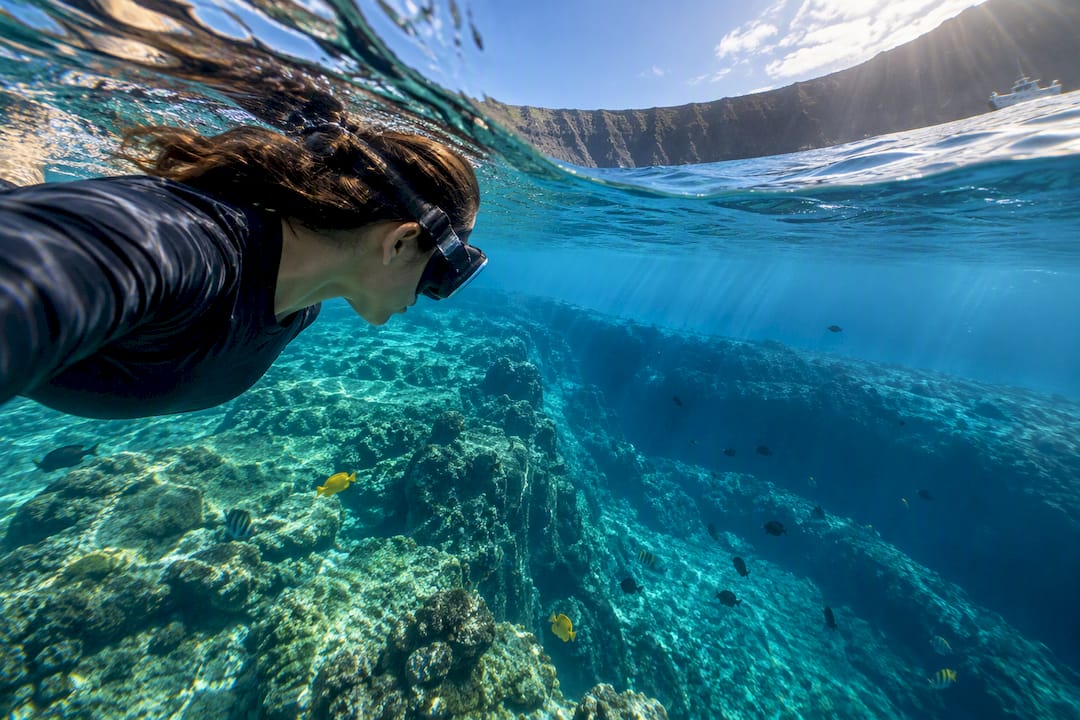
This partially submerged volcanic crater sits about 3 miles off Maui’s southern shore and holds some of the clearest water in the state, with visibility often exceeding 150 feet. Boat charters depart Māʻalaea or Kihei early, usually between 6:30 and 7:30 AM, because wind and chop build through the day. GoHawaii notes that morning departures consistently deliver calmer conditions and better sightlines for snorkeling and turtle viewing trips. Spots on the early boats fill fast in high season, so book at least a few days out.
7. Turtle Town
Off the coast near Wailea and Mākena, green sea turtles gather to graze on reef algae in water shallow enough for beginner snorkelers to manage. Most Molokini charters add a Turtle Town stop as the second leg of a half-day trip. It’s a gentler, warmer alternative if the open-ocean swell out at Molokini feels like too much.
8. Kāʻanapali and Kapalua Snorkeling
You don’t need a boat to see reef fish here. Black Rock at the north end of Kāʻanapali Beach and Kapalua Bay both offer shore-entry snorkeling with parrotfish, butterflyfish, and the occasional green sea turtle within a short swim of the sand. Kapalua Bay in particular stays calm most mornings, protected by the bay’s natural curve.
Beaches worth building a day around
- Kāʻanapali Beach: Three miles of sand backed by resorts, restaurants, and sunset catamaran departures. Good for families who want amenities within walking distance.
- Wailea and Mākena Beaches: Quieter, upscale, with Mākena (Big Beach) offering wide open sand and fewer crowds than the resort strip up north.
- Napili Bay: A crescent-shaped cove near Kapalua, smaller and calmer, popular with travelers who want a quiet morning swim before the wind picks up.
- Secret Cove (Paako Beach): A small, hard-to-find pocket beach near Mākena with no sign and limited parking. Ask locally or check a detailed map before you go; it rewards the extra effort with real privacy.
Cultural experiences
9. A Traditional Luau
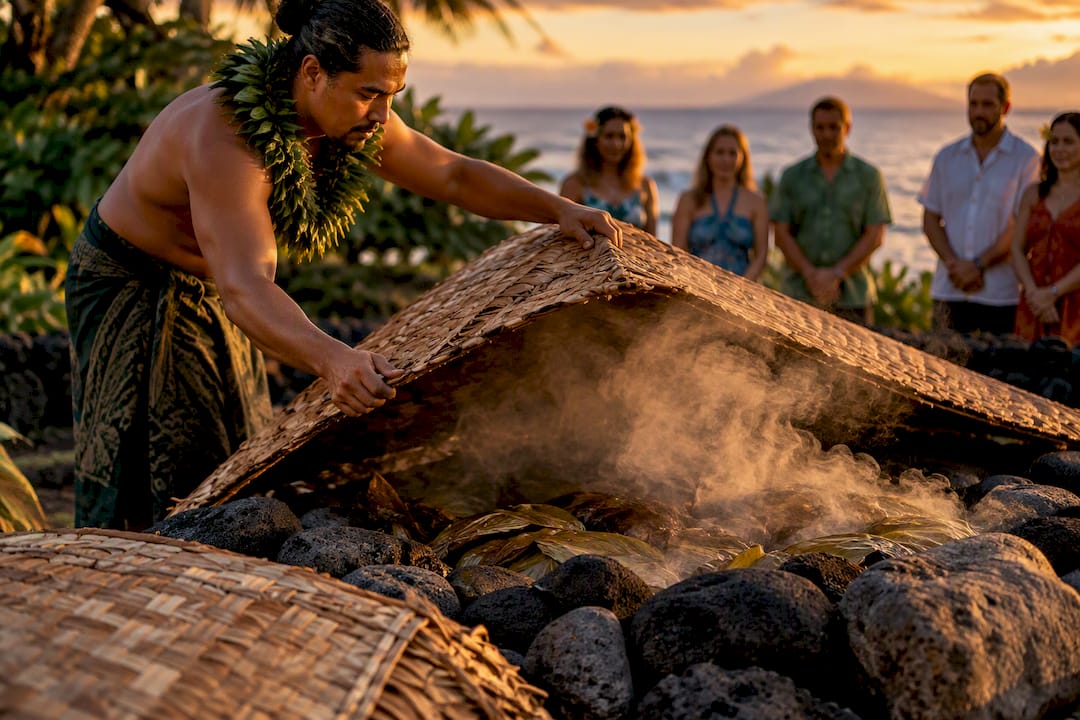
A luau is more than a buffet with a show. The better ones on Maui walk you through the imu ceremony (the underground oven used to cook the pig), hula that traces specific Hawaiian legends, and storytelling that explains why certain chants and movements matter. Reserve at least a week ahead during summer and winter holiday weeks, when the most reputable luaus sell out.
10. Small Museums and ʻĀina-Based Learning
Wailuku and Lahaina both have modest museums and cultural centers where guides explain Native Hawaiian land stewardship, or “ʻāina” practices, in plain terms. These stops take an hour, not a day, and they add context that makes the rest of the trip, especially Haleakalā, land differently once you understand its cultural weight.
Quick, cruise-friendly options
If your ship is only in port for a few hours, skip the Road to Hāna entirely; it eats a full day. Instead, look for something walkable near the tender dock that delivers a real Hawaiian experience without the drive time, a shore-entry snorkel spot, a short cultural stop, or an indoor attraction that works regardless of weather.
Booking Rules and Fees You Need to Know Before You Land
Most of Maui rewards spontaneity. Haleakalā does not.
Sunrise viewing at the summit requires a separate vehicle reservation through Recreation, booked in addition to the park’s regular entrance fee. Here is how the system actually works:
- 60 days out: The bulk of reservations release at 7:00 AM Hawaii Standard Time, exactly 60 days before the viewing date.
- 2 days out: A smaller batch releases for last-minute planners, but don’t count on this if your dates are fixed.
- $1.00 per vehicle: That’s the reservation fee itself, separate from park entrance.
- No phone or walk-up bookings: Reservations exist only through Recreation.gov.
- 3:00 to 7:00 AM window: Vehicles without a reservation cannot enter the summit area during these hours, per the National Park Service.
The NPS enforces this system for a reason beyond crowd control. Limited parking at the four viewing areas, the safety risk of unregulated vehicle traffic on dark mountain roads, and the protection of a summit that holds deep cultural significance for Native Hawaiians all factor into why reservations are non-negotiable, according to park guidance.
Popular sunrise dates often sell out within minutes of that 60-day release window, so know your travel dates and have a payment method ready before 7:00 AM HST hits on booking day.
Once you’re past the reservation, the park’s standard entrance fee runs $15 to $30 depending on your entry type (vehicle versus individual/bike/motorcycle). If you’re visiting Haleakalā more than once, or pairing it with other national parks on your trip, the Hawaiʻi Tri-Park Annual Pass or the America the Beautiful interagency pass both pay for themselves fast. One catch worth flagging: fee-free entrance days waive the park’s entrance charge, but they do not waive the sunrise reservation requirement. You’ll still need that $1 ticket.
For ocean excursions, Molokini snorkel charters and whale-watching boats operate on their own booking clocks. Morning departures sell out first, especially July through August and again around the December holidays, so lock in charter reservations a few days ahead rather than the morning-of. Luaus follow a similar pattern. Book any well-reviewed luau at least a week out during peak season.
Where to Stay and When to Visit
Your base on Maui shapes your whole trip more than people expect, since the island is bigger than it looks on a map and drive times add up fast.
- West Maui (Kāʻanapali, Kapalua): Resort-dense, walkable beaches, easiest access to snorkeling and sunset cruises. Best for travelers who want to minimize driving.
- South Maui (Wailea, Mākena): Sunnier and drier on average, with a quieter, more upscale beach scene. A strong pick for snorkel and whale-watching charters out of Māʻalaea.
- Central Maui (Kahului, Wailuku): Less scenic, but closest to the airport and to Iao Valley. Practical for short layovers or budget stays.
- East Maui (Hāna): Remote and green, best for travelers who want to spend a night or two past the Road to Hāna’s midpoint rather than rushing the drive both ways.
Timing matters almost as much as location. Whale-watching season runs December through April, with peak sightings typically in February and March as humpback whales migrate through the ʻAuʻau Channel between Maui, Lānaʻi, and Molokaʻi. Shoulder months, April to June and September to November, bring fewer crowds and often better hotel rates without sacrificing much weather. The east side around Hāna sees noticeably more rain than the leeward west and south coasts, so pack a light rain layer regardless of season if that drive is on your itinerary.
If you’re arriving by cruise ship, prioritize activities within walking distance of the Kahului tender dock or a short shuttle ride, since the Road to Hāna and Haleakalā sunrise both demand more time than a port call allows.
Getting Around Safely: Roads, Reefs, and Altitude
Maui’s biggest risks aren’t exotic. They’re the ordinary stuff: winding roads, strong currents, and cold mountain air that catches beach-dressed tourists off guard.
- Drive the Road to Hāna slowly and pull over for faster local traffic. Single-lane bridges and blind curves punish impatience. Pick a realistic turnaround point, like Keʻanae, rather than pushing all the way to Hāna town and back in one day.
- Check ocean conditions before you swim. Rip currents and shifting swells catch visitors who don’t know local beaches. Look for lifeguard flags and check Hawaii’s official ocean safety guidance before any snorkel or swim session, especially on unguarded beaches.
- Dress for cold at the Haleakalā summit. Temperatures there regularly drop near or below freezing before dawn, and there are no food or fuel services once you’re inside the park. Budget about 30 minutes of drive time from the entrance gate to the summit parking area.
- Understand your rental car’s fuel and insurance terms before you leave the lot. Some remote gas stations near Hāna close early or run out on busy weekends.
Pro Tip: If winding mountain roads or pre-dawn driving make you nervous, book a guided Road to Hāna or Haleakalā sunrise tour instead. A local driver who knows every pullout and viewpoint turns a stressful drive into an actual vacation day.
Sample Itineraries: 1, 3, and 5 Days
Short on time? Here’s how to prioritize.
- One day: Pick one beach morning (Kāʻanapali or Napili) and one indoor or cultural stop that doesn’t depend on weather, ideal for cruise passengers with a single port call.
- Three days: Day one, Haleakalā sunrise plus an Upcountry farm stop. Day two, a Molokini or Turtle Town snorkel charter. Day three, the Road to Hāna as far as Keʻanae, or a luau in the evening.
- Five days: Add a whale-watching cruise (December through April), a full Upcountry exploration day, and one true rest day at Wailea or Kapalua with no schedule at all.
A Local Note on Haleakalā and Choosing Wisely
Haleakalā means “house of the sun,” and Native Hawaiian tradition holds it as a place of real spiritual weight, not just a scenic overlook. Local guidance recommends observing any ceremonies you encounter from a respectful distance and asking before photographing anyone engaged in cultural practice at the summit.
That respect extends to how you plan your whole trip. You don’t need to chase every item on this list. You need two or three done well.
If it’s raining in Kona or the vog is sitting heavy over Kailua town, don’t scrap your cultural plans, just move them indoors. Flight of Aloha delivers the aerial views and the Hawaiian storytelling of a helicopter tour, without the $400 price tag or the motion sickness, and it’s climate controlled, which matters more than most visitors expect on a humid afternoon.
Choose based on your energy and mobility, not on how a list looks on paper. A sunrise hike and a snorkel charter in the same 48 hours will wear out most travelers.
Water Sports Beyond Snorkeling
Snorkeling gets the headlines, but Maui’s water sports scene runs deeper than a mask and fins.
Surfing put Maui on the map long before Instagram did. Lahaina’s breaks suit beginners taking their first lesson, while Hoʻokipa Beach Park on the North Shore draws experienced windsurfers and kitesurfers chasing consistent trade wind swell. Stand-up paddleboarding works well in the calmer waters of Kāʻanapali or Kihei, where mornings before the wind picks up offer glassy conditions even first-timers can handle.
Scuba diving opens up sites snorkelers never reach. Molokini’s back wall drops into deep blue water home to reef sharks and larger pelagic fish, a serious step up from the crater’s shallow inner rim. Certified divers can also explore lava tubes and swim-throughs off the south coast, while dive shops in Kihei and Lahaina run introductory dives for travelers without certification.
Whatever you choose, book through an operator that runs a safety briefing before entering the water. Currents and swell shift by season, and a five-minute condition check beats learning the hard way.
Wildlife and Nature Tours
Maui’s wildlife shows up on land, in the sky, and offshore, often on the same day if you plan it right.
Guided bird-watching walks through Kula’s Hosmer Grove or the higher slopes of Haleakalā turn up native forest birds like the ʻiʻiwi and ʻapapane, both increasingly rare and easiest to spot with someone who knows their calls. The nēnē, Hawaii’s state bird and a relative of the Canada goose, often wanders near the summit visitor centers, unbothered by traffic.
Offshore, whale-watching boats during the December through April season put you within legal viewing distance of humpback whales breaching and spy-hopping in the ʻAuʻau Channel. Outside whale season, the same boats often pivot to dolphin-watching trips, tracking spinner dolphin pods that rest in shallow bays during daylight hours.
Guided nature walks through Waikamoi Preserve, run in partnership with conservation groups, offer a slower, more detailed look at native forest ecology than a solo hike allows. These trips run on a limited schedule, so check availability well before your trip if a guided walk matters to you.
Nightlife and Entertainment After Dark
Maui isn’t a late-night island in the club sense, but it doesn’t go quiet at sunset either.
Front Street in Lahaina and the resort corridors of Kāʻanapali host live music several nights a week, ranging from slack-key guitar duos to full Hawaiian steel guitar trios playing on open-air lanais. Sunset cocktail hours at beachfront bars, timed to the actual sunset rather than a clock, are a genuine Maui ritual worth building an evening around.
For something more structured, cultural shows and luaus fill the entertainment gap that a mainland traveler might expect from nightlife. Hula performances that trace specific legends, fire knife dancing, and live chanting give visitors a real cultural touchpoint rather than generic tiki bar entertainment. A handful of resort properties run smaller nightly shows even outside full luau packages, worth asking about at check-in.
If weather turns and outdoor plans fall through, indoor options fill that gap without losing the cultural thread the evening was supposed to deliver.
Shopping for Local Arts, Crafts, and Souvenirs
Skip the generic tourist-trap shirts. Maui’s better shopping runs through small studios and weekend markets, not big box stores.
Lahaina’s Front Street and Paia town both host galleries selling koa wood bowls, hand-thrown ceramics, and original paintings from artists who actually live on the island. Look for quilts, too. Hawaiian quilting is a distinct craft tradition, and a hand-stitched piece from a local maker costs more than a printed import for good reason.
Weekend farmers markets, especially in Kihei and Upcountry Kula, mix produce stalls with local vendors selling honey, lavender products, and small batches of Maui-grown coffee. These markets double as a cultural stop and a shopping trip in one visit, and prices tend to run lower than resort gift shops for the same quality goods.
Buying direct from an artist or a farm stand, rather than a mass-produced souvenir shop, keeps more of your spending in the local economy, and you leave with something that actually says something about the island.
Local Food and Dining Worth Building a Day Around
Maui’s food scene runs on contrast, plate lunch counters sitting a mile from oceanfront fine dining, and both deserve a stop.
Start with the basics: a plate lunch loaded with kalua pork, rice, and macaroni salad; fresh poke from a grocery store deli counter (often better than restaurant versions); and musubi, the rice-and-spam snack wrapped in nori that locals grab on the way to the beach. Lahaina and Paia both have long-running food trucks worth a detour, especially for fresh-caught fish tacos and shave ice loaded with tropical syrups.
For something sit-down, Upcountry Maui has quietly become a real food destination, with farm-to-table restaurants sourcing produce from the same Kula farms you might visit on a mauka morning. Pair that with a stop at a Saturday farmers market for tree-ripened fruit you won’t find shipped to the mainland, lychee, rambutan, and Maui-grown pineapple that tastes nothing like the canned version.
Coffee deserves its own mention. Upcountry-grown Maui coffee, distinct from Kona coffee grown on Hawaiʻi Island, has a smaller, quieter following worth seeking out at a Kula café rather than a resort lobby.
The Mauka-to-Makai Mindset
Every recommendation in this guide comes back to one idea: balance. A trip stacked entirely with beach days misses the cultural and geological drama that makes Maui different from any other tropical destination. A trip built only around Haleakalā and Hāna misses the water that gives the island its color.
Book your Haleakalā reservation early, respect the cultural weight of the summit, and choose your ocean days based on season rather than habit. Whale season shifts the calculation from December through April; outside that window, snorkeling and diving take priority.
Most importantly, pick fewer things and do them properly. A rushed Road to Hāna followed by an exhausted sunrise the next morning serves nobody. Two or three deep experiences, chosen deliberately, beat eight shallow ones every time.
— Ola
Flight of Aloha: The Accessible Way to Fly Over Maui
Flight of Aloha belongs in the top three must-do experiences on Maui, and it’s the one nobody has to plan around weather, motion sickness, or a $400 helicopter budget. This is an immersive flying theater, 8K visuals, wind, scent, and motion effects combined with Hawaiian cultural storytelling, all indoors, all climate controlled.

Instead of strapping into a helicopter and hoping the vog stays clear over Kailua-Kona, you sit down in an attraction showcasing Hawaiian landscapes, minus the risk, the cost, and the queasy stomach. It’s the number one solution for a rainy day in Kona or Maui, or an afternoon when the heat and vog make outdoor plans miserable. Flight of Aloha operates in two locations built for exactly this kind of flexibility: Kailua-Kona, walking distance from Kailua Pier and the tender dock for cruise visitors on a tight port call, and Whalers Village in Kāʻanapali, Maui, right in the middle of the beach corridor covered earlier in this guide.
Films like Naupaka and Lahaina root the experience in real Hawaiian legend, not generic aerial footage. Travelers who want the full experience can add the VIP Package for premium seating, while repeat visitors or Maui locals should look at the Annual Pass for year-round value. For the full lineup of showtimes and packages, visit the flights page. Book online to secure your seat.
Sources
Confirm every booking rule and safety detail directly from the source before you finalize your itinerary.
- Recreation
- Haleakalā Sunrise Reservations FAQ – Haleakalā National Park (U.S. National Park Service)
- A first-time guide to Maui – Lonely Planet
FAQ
What Are the Must Things to Do in Maui?
The essentials are Haleakalā sunrise, the Road to Hāna, a Molokini or Turtle Town snorkel trip, whale watching in season (December through April), a top beach like Kāʻanapali or Wailea, and one cultural experience such as a luau. Balance mountain and ocean activities, known locally as mauka to makai, rather than stacking similar experiences back to back.
How Do I Reserve Haleakalā Sunrise Viewing?
Book your vehicle reservation on Recreation.gov, where the bulk of slots release 60 days in advance at 7:00 AM Hawaii Standard Time, with a smaller batch released two days before. The reservation costs $1.00 per vehicle and is separate from the park’s $15 to $30 entrance fee.
When Is Whale-Watching Season on Maui?
Humpback whale season runs December through April, with the highest concentration of sightings typically in February and March. Morning boat charters out of Māʻalaea or Lahaina offer the best odds, since calmer water in the early hours makes whales easier to spot.
What’s a Good Alternative if It’s Raining or Too Hot for Outdoor Plans?
Flight of Aloha, an immersive flying theater in Kailua-Kona and Whalers Village Kāʻanapali, delivers aerial Hawaiian views and cultural storytelling indoors, with no weather risk and no $400 helicopter price tag. It’s within walking distance of the Kailua Pier tender dock, making it a strong choice for cruise visitors and anyone escaping vog or heat.
Do I Need a Reservation for Molokini Snorkel Trips?
Yes, most charters recommend booking several days ahead, especially for the earliest morning departures, which tend to have calmer water and better visibility. Popular trips during summer and holiday weeks can sell out, so avoid waiting until the morning of your preferred date.