Native Hawaiian Owned Tourist Attractions: 2026 Guide
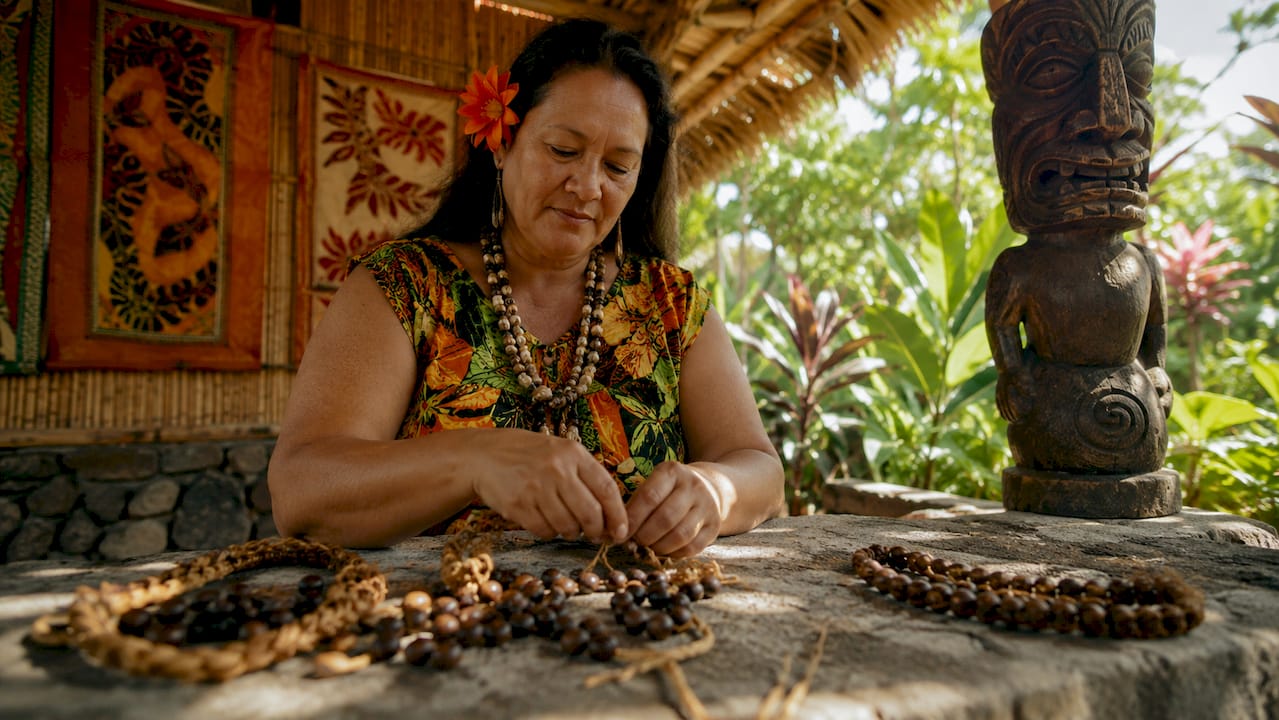
A native Hawaiian owned tourist attraction is defined as a cultural or recreational business that is legally owned and operated by people of Native Hawaiian indigenous descent, preserving and sharing genuine heritage with visitors. These attractions differ fundamentally from venues that use Hawaiian branding without indigenous ties. Choosing them means your tourism dollars support Native Hawaiian families, cultural transmission, and community sustainability. This guide covers the best verified options across the islands, from immersive lūʻau performances to traditional fishing villages, plus one standout experience in Kona and Maui that makes authentic Hawaiian culture accessible to everyone.
1. What makes a native Hawaiian owned tourist attraction authentic?
Authentic indigenous Hawaiian ownership means the business is founded, led, and majority-owned by people of Native Hawaiian descent. This is not just a cultural label. It is a legal and community distinction that determines where economic benefits flow. Native Hawaiian-owned businesses generate income that stays within indigenous communities, funds cultural education, and sustains traditional practices across generations.
The distinction matters because any business can legally use Hawaiian language in its name or marketing. The Native Hawaiian Legal Corporation confirms no law requires Native Hawaiian ownership or affiliation for businesses using ʻōlelo Hawaiʻi in trademarks. That means a resort, tour company, or lūʻau can carry a Hawaiian name with zero indigenous ownership behind it. Travelers who care about authenticity need to verify ownership independently.
2. Kaula Lūʻau at Ko Olina Resort
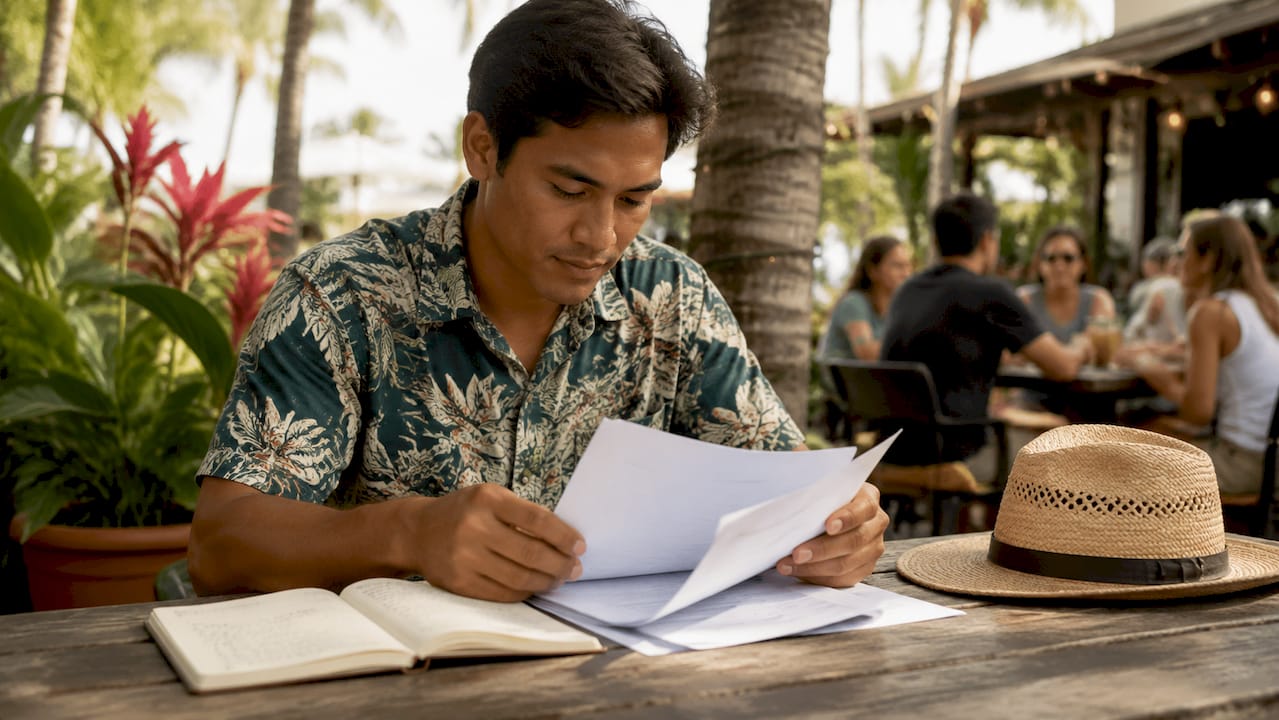
Kaula Lūʻau is one of the most celebrated Native Hawaiian-owned cultural experiences on Oʻahu. It runs Thursday through Monday with performances starting at 7:30 PM at Ko Olina Resort. What separates it from generic lūʻau shows is the depth of community investment behind the curtain.
Kaula employs 74 team members, with 90% living on Oʻahu’s Leeward Coast. That local employment model means the experience you watch was built by the community it represents. Guests participate in hands-on cultural activities before the main performance, including hula instruction, traditional games, and lei making. The production earned a nomination for the USA TODAY 10Best Readers’ Choice Award, a recognition that reflects genuine visitor enthusiasm.
Pro Tip: Arrive early to Kaula Lūʻau to take full advantage of the pre-show cultural activities. The hands-on portion is where the real cultural learning happens, and it fills up fast.
3. Mokauea Island: a living traditional fishing village
Mokauea Island is one of only two traditional fishing villages remaining in Hawaiʻi. It sits off the coast of Oʻahu near Honolulu Airport and is actively maintained by Native Hawaiian volunteers focused on fishpond restoration and invasive species removal. This is not a polished tourist attraction. It is a living cultural site where preservation work happens every week.
Visitors who gain access learn about traditional Hawaiian subsistence fishing, native plant ecology, and the ahupuaʻa land management system that sustained Hawaiian communities for centuries. The experience is educational in the truest sense because the people sharing knowledge are the same people doing the restoration work. This is what eco-friendly Hawaiian activities look like when they are led by indigenous communities rather than outside operators.
“Mokauea Island is not a standard tourist attraction. Access is limited and requires sensitivity to community preservation work. Visitors should honor those boundaries and approach the site as guests of a living cultural community, not as consumers of a packaged experience.”
Respecting access limits at Mokauea is not a restriction. It is a form of cultural respect that protects the site for future generations.
4. Castle Resorts & Hotels: Native Hawaiian-owned lodging
Castle Resorts & Hotels is the only Native Hawaiian-owned hotel and vacation rental management company operating at scale across Oʻahu and the neighbor islands. Choosing Castle properties means your lodging budget directly supports indigenous business leadership in the hospitality sector.
Here is why that matters beyond the feel-good factor:
- Economic circulation: Revenue stays within Native Hawaiian ownership structures rather than flowing to mainland or international hotel corporations.
- Cultural programming: Native Hawaiian-owned lodging providers are more likely to offer or partner with authentic cultural programming on-site.
- Community employment: Properties managed by Native Hawaiian companies tend to prioritize local hiring, creating jobs in the communities that host visitors.
- Verified ownership: Castle Resorts & Hotels appears in the Kuhikuhi.com directory, making it one of the easier businesses to verify before booking.
Booking through verified Native Hawaiian-owned accommodations sets the tone for your entire trip. It signals to the broader tourism industry that travelers will pay attention to who actually owns the experience.
5. How to verify genuine Native Hawaiian-owned businesses
Kuhikuhi.com is the authoritative directory for finding verified Native Hawaiian-owned businesses across all four main islands. It is free, searchable, and covers restaurants, tour guides, boutiques, wellness practitioners, and more. The directory was created by Native Hawaiian hospitality and commerce organizations specifically to give travelers a reliable verification tool.
Use this process before booking any Hawaiian cultural experience:
- Search the business name on Kuhikuhi.com before booking.
- Check whether the owner’s name and indigenous background are publicly listed on the business website.
- Look for community affiliations, such as membership in the Council for Native Hawaiian Advancement.
- Ask the business directly who owns it. Genuine Native Hawaiian-owned businesses are proud to answer.
- Cross-reference with travel directories that vet providers for authenticity and safety.
Pro Tip: A Hawaiian name in a business title is not proof of Native Hawaiian ownership. Legal ownership of Hawaiian language terms requires no indigenous affiliation at all. Always verify through Kuhikuhi.com or direct inquiry.
One well-known example worth understanding: the Polynesian Cultural Center is a large Pacific cultural attraction on Oʻahu staffed primarily by BYU-Hawaiʻi students and owned by The Church of Jesus Christ of Latter-day Saints. It offers genuine Pacific heritage performances across 42 acres, but it is not a Native Hawaiian-owned business. Knowing the difference helps you spend your travel budget with intention.
6. Merrie Monarch Festival and hula as living heritage
The Merrie Monarch Festival, held annually in Hilo on the Big Island, is the most prestigious hula competition in the world. It is organized by the Edith Kanaka’ole Foundation, a Native Hawaiian-led nonprofit dedicated to perpetuating traditional hula and chant. The festival draws hālau hula (hula schools) from across Hawaiʻi and the mainland for three nights of competition each april.
Attending Merrie Monarch is one of the most direct ways to witness authentic Hawaiian cultural expression at its highest level. The performances are not staged for tourists. They are the result of years of rigorous cultural training within Native Hawaiian traditions. Tickets are competitive and sell out quickly, so planning well in advance is necessary. The experience of watching hula kahiko (ancient hula) performed in Hilo, the cultural heartland of the Big Island, is unlike anything available at a resort show.
7. Traditional Hawaiian healing and wellness practitioners
Native Hawaiian healing traditions, including lomi lomi massage, laʻau lapaʻau (plant medicine), and hoʻoponopono (conflict resolution and spiritual healing), are practiced by licensed Native Hawaiian practitioners across the islands. These are not spa treatments rebranded with Hawaiian names. They are living medical and spiritual traditions passed down through family lineages.
Supporting authentic cultural transmission means seeking out practitioners who trained within indigenous lineages rather than wellness centers that adopted Hawaiian terminology for marketing. The Kuhikuhi.com directory lists verified Native Hawaiian wellness practitioners alongside tour operators and restaurants. A genuine lomi lomi session with a Native Hawaiian practitioner carries cultural context that a resort spa version simply cannot replicate.
8. Hawaiian heritage sites worth visiting respectfully
Hawaiʻi’s most significant heritage sites are managed by a mix of state agencies, federal bodies, and Native Hawaiian organizations. Puʻuhonua o Hōnaunau National Historical Park on the Big Island, commonly called the Place of Refuge, is a National Park Service site that preserves a sacred place of ancient Hawaiian law and redemption. The park employs Native Hawaiian cultural demonstrators who share traditional practices with visitors.
Waipiʻo Valley on the Big Island is another site of deep cultural significance. It was the home of Hawaiian royalty and remains privately owned by Native Hawaiian families. Visitors should enter only through guided tours operated by Native Hawaiian-owned companies, not by driving personal vehicles into the valley, which damages the land and disrespects community wishes. Choosing local Hawaiian attractions led by indigenous guides at sites like Waipiʻo ensures your presence contributes rather than extracts.
9. Flight of Aloha: immersive Native Hawaiian-owned entertainment
Flight of Aloha is a Native Hawaiian-owned immersive flying theater experience located in Kailua-Kona and at Whalers Village Kaanapali in Maui. It blends 8K visuals, motion effects, scents, and wind to simulate soaring over Hawaiʻi while telling stories rooted in Hawaiian legends, including films like Naupaka, Lahaina, and Whale Song. Think of it as what you would get if a helicopter tour and a Disney ride had a baby, rooted in aloha.
Flight of Aloha is the most accessible attraction in Hawaiʻi. The Kona location sits walking distance from Kailua Pier, making it ideal for cruise passengers on shore excursions. It is fully climate-controlled, which makes it the best option on rainy days in Kona or Maui and a welcome escape from heat and vog. At a fraction of the cost of a helicopter tour, it delivers aerial views of the islands without motion sickness or weather risk.
Key takeaways
Authentic Native Hawaiian-owned attractions are verified by indigenous ownership, not by Hawaiian branding or language use alone.
| Point | Details |
|---|---|
| Verify ownership first | Use Kuhikuhi.com to confirm Native Hawaiian ownership before booking any cultural experience. |
| Kaula Lūʻau leads in community impact | 90% of its 74 team members live on Oʻahu’s Leeward Coast, keeping economic benefits local. |
| Hawaiian names don’t guarantee ownership | No law requires indigenous affiliation for businesses using ʻōlelo Hawaiʻi in branding. |
| Flight of Aloha is accessible and authentic | Native Hawaiian-owned, located near Kailua Pier, and the top choice for rainy days or vog. |
| Mokauea Island requires respectful access | It is one of two traditional fishing villages left in Hawaiʻi and is not a standard tourist stop. |
Why I think most travelers get this wrong
Most visitors to Hawaiʻi leave without ever spending a dollar at a genuinely Native Hawaiian-owned business. That is not because they don’t care. It is because the tourism industry is very good at presenting Hawaiian aesthetics without Hawaiian ownership. A resort lūʻau with torch lighting and a buffet can feel deeply Hawaiian while funneling every dollar to a mainland hospitality corporation.
What I have found is that the most memorable experiences in Hawaiʻi are almost always the ones where the person telling the story has a personal stake in it. When a Native Hawaiian cultural practitioner shares the legend behind a hula, or a fishpond restoration volunteer explains why a particular species matters to their family’s history, the experience lands differently. You feel the weight of what is being preserved.
The uncomfortable truth is that cultural tourism can either sustain indigenous communities or slowly hollow them out, depending entirely on who owns the experience. Travelers have more power here than they realize. Spending one afternoon at a verified Native Hawaiian-owned attraction, whether that is Kaula Lūʻau, a lomi lomi session with a lineage practitioner, or Flight of Aloha in Kona, sends a signal that authenticity has market value. That signal matters.
My honest recommendation: use Kuhikuhi.com before every booking. Ask who owns the business. And when you find a genuine Native Hawaiian-owned experience, leave a review that mentions the ownership. That visibility helps other travelers make the same choice.
— Ola
Flight of Aloha: authentic culture with the best seat in the house
Flight of Aloha is the Native Hawaiian-owned attraction that makes Hawaiian cultural experiences accessible to every visitor, regardless of budget, fitness level, or weather.
Located steps from Kailua Pier in Kona and at Whalers Village Kaanapali in Maui, Flight of Aloha is the perfect stop for cruise passengers and resort guests alike. The fully air-conditioned theater is the best escape from rain, heat, and vog on either island. You get sweeping aerial views of Hawaiʻi through 8K visuals and motion effects, all grounded in genuine Hawaiian storytelling, at a fraction of what a helicopter tour costs. It is the most accessible activity in Hawaiʻi, welcoming families, seniors, and guests of all abilities. Book online to secure your seat before you arrive.
FAQ
What is a native Hawaiian owned tourist attraction?
A native Hawaiian owned tourist attraction is a tourism business legally owned and operated by people of Native Hawaiian indigenous descent. Ownership determines where economic benefits flow and whether cultural practices are shared with genuine community authority.
How do I verify if a Hawaiian business is truly Native Hawaiian-owned?
Search the business on Kuhikuhi.com, the free directory of verified Native Hawaiian-owned businesses across all four main islands. You can also ask the business directly or check for membership in the Council for Native Hawaiian Advancement.
Is the Polynesian Cultural Center Native Hawaiian-owned?
No. The Polynesian Cultural Center is owned by The Church of Jesus Christ of Latter-day Saints and staffed primarily by BYU-Hawaiʻi students. It offers Pacific cultural performances but is not a Native Hawaiian-owned business.
What is the most accessible Native Hawaiian-owned attraction in Hawaii?
Flight of Aloha, located in Kailua-Kona and at Whalers Village Kaanapali in Maui, is the most accessible Native Hawaiian-owned attraction in Hawaiʻi. It is climate-controlled, steps from Kailua Pier, and suitable for visitors of all ages and abilities.
Can any business legally use Hawaiian language in its name?
Yes. No law requires Native Hawaiian ownership or indigenous affiliation for businesses using ʻōlelo Hawaiʻi in their names or trademarks. This makes independent verification through directories like Kuhikuhi.com necessary for travelers who want to support genuine indigenous businesses.