
Why Return to Local Spots: Cultural Impact for Families
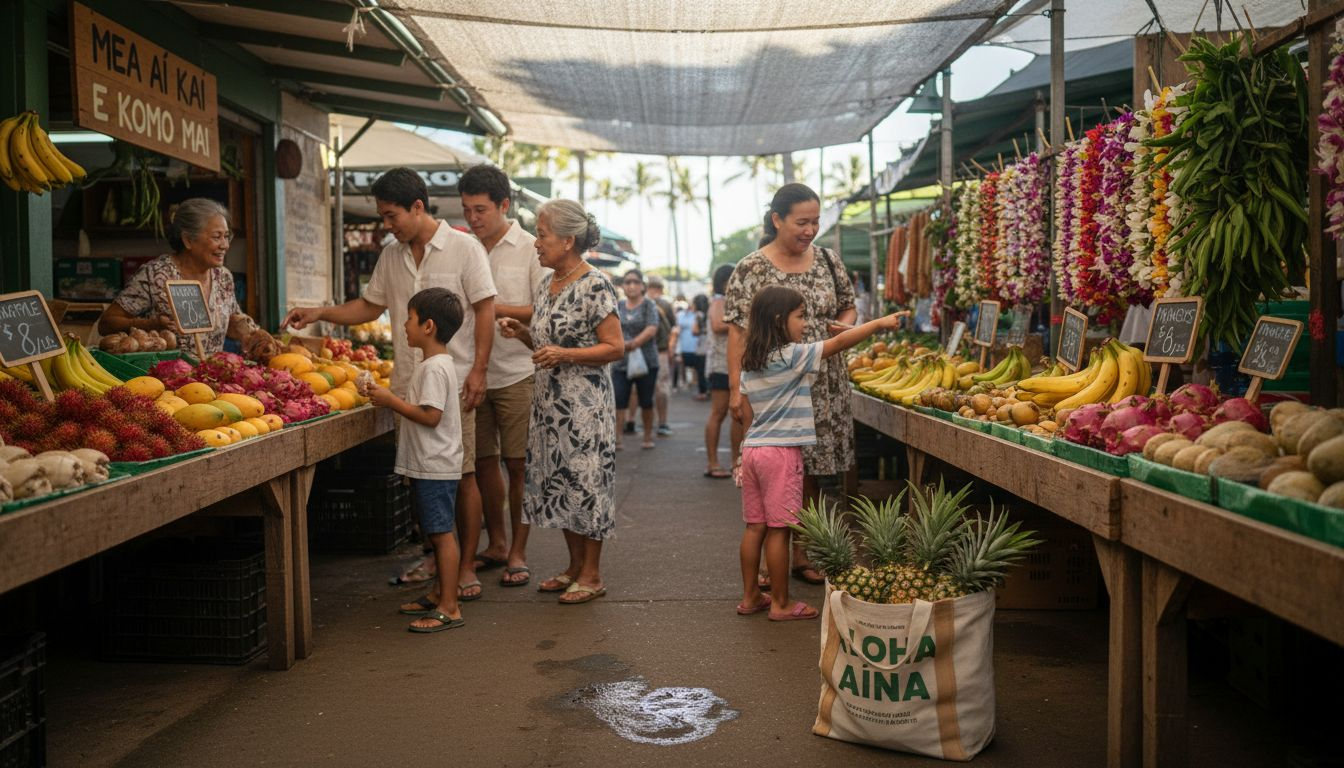
Nearly 80 percent of American families say hands-on cultural activities make their vacations more memorable for children. For those visiting the Big Island of Hawaii, exploring genuine local spots unlocks powerful opportunities for connection and learning. These community-driven experiences immerse your family in Hawaiian stories, traditional crafts, and vibrant attractions that turn every adventure into a window on local life, creating shared memories and deeper appreciation for cultural diversity.
Table of Contents
- Defining Local Spots And Their Value
- Types Of Local Experiences In Hawaii
- How Immersive Attractions Engage Families
- The Role Of Cultural Storytelling
- Economic And Social Benefits For Communities
- Comparing Local Spots Vs National Chains
Key Takeaways
| Point | Details |
|---|---|
| Local Spots Enhance Community Resilience | Supporting local businesses fosters economic sustainability and strengthens community ties, leading to healthier neighborhoods. |
| Cultural Experiences Are Educational | Engaging in local traditions and stories offers families valuable insights into regional identity and history. |
| Immersive Attractions Foster Deep Engagement | Utilizing technologies in attractions promotes interactive learning and meaningful family connections across generations. |
| Choosing Locally Supports Authenticity | Selecting local spots over national chains ensures a genuine cultural experience and keeps economic benefits within the community. |
Defining Local Spots and Their Value
Local spots represent more than just physical locations – they are vibrant centers of community connection, economic vitality, and cultural preservation. These dynamic spaces range from farmer markets and cooperative grocery stores to community gathering points that serve as critical infrastructure for neighborhood life. Understanding their deeper significance reveals why returning to local spots matters for families seeking meaningful experiences.
The Local Foods, Local Places program highlights how these community centers stimulate economic opportunities while preserving local character. By connecting residents directly with local producers and agriculture, these spots create sustainable ecosystems that support small businesses and enhance community resilience. Local food systems demonstrate remarkable adaptability, offering diverse market connections that bring consumers closer to the origins of their daily necessities.
Beyond economic benefits, local spots serve critical social functions. They become gathering spaces where generational knowledge transfers, cultural traditions remain alive, and community relationships deepen. For families, these locations offer educational opportunities about local history, agricultural practices, and regional identity. Children learn about food production, community interdependence, and the importance of supporting local economies through direct, hands-on experiences.
Understanding local spots requires recognizing their multifaceted roles – they are simultaneously economic engines, educational platforms, and social glue that bind communities together. By valuing and supporting these spaces, families contribute to preserving local character and creating sustainable, interconnected neighborhoods.
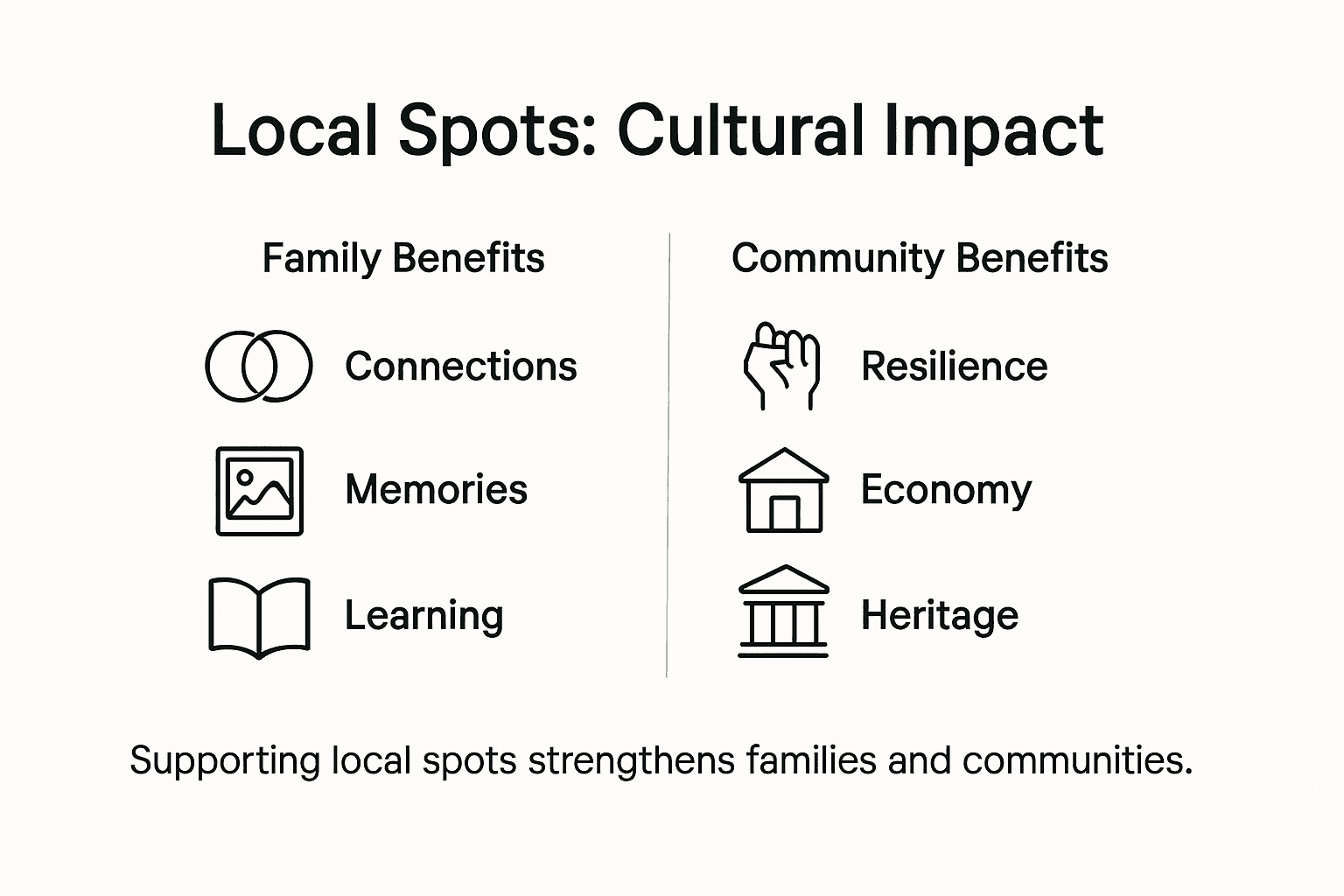
Here’s a summary of the roles local spots play in communities:
| Role | Impact on Families | Community Benefit |
|---|---|---|
| Economic Engine | Supports family-owned stores | Stimulates local economy |
| Educational Platform | Teaches local history | Preserves traditions |
| Social Connector | Builds lasting relationships | Strengthens neighborhood |
| Cultural Preserver | Shares regional identity | Celebrates diversity |
Pro tip: When visiting local spots, engage children by turning the experience into an interactive learning opportunity about community connections and regional traditions.
Types of Local Experiences in Hawaii
Hawaii offers a rich tapestry of cultural experiences that go far beyond typical tourist attractions, providing families with immersive opportunities to connect deeply with the islands’ vibrant heritage. Cultural festivals and community events represent the most authentic ways for visitors to understand the nuanced traditions and living history of Hawaiian communities.
Traditional experiences like attending luaus, exploring historic sites, and participating in local festivals allow families to engage intimately with Hawaiian culture. Visitors can explore remarkable venues such as the Bishop Museum, which houses extensive collections of Hawaiian artifacts, or visit significant locations like Queen Emma Summer Palace that tell powerful stories of Hawaiian royal history. Unique cultural offerings range from music festivals like the Ukulele Festival to ecosystem-sensitive tours that highlight Hawaii’s remarkable natural environment.
These local experiences provide more than entertainment – they serve as educational platforms where families can learn about Hawaiian traditions, environmental stewardship, and community values. Children can witness traditional crafts, listen to native storytelling, observe traditional dance performances, and understand the deep connections between Hawaiian people and their ancestral lands. Each experience offers a window into the rich cultural landscape that makes Hawaii truly unique.
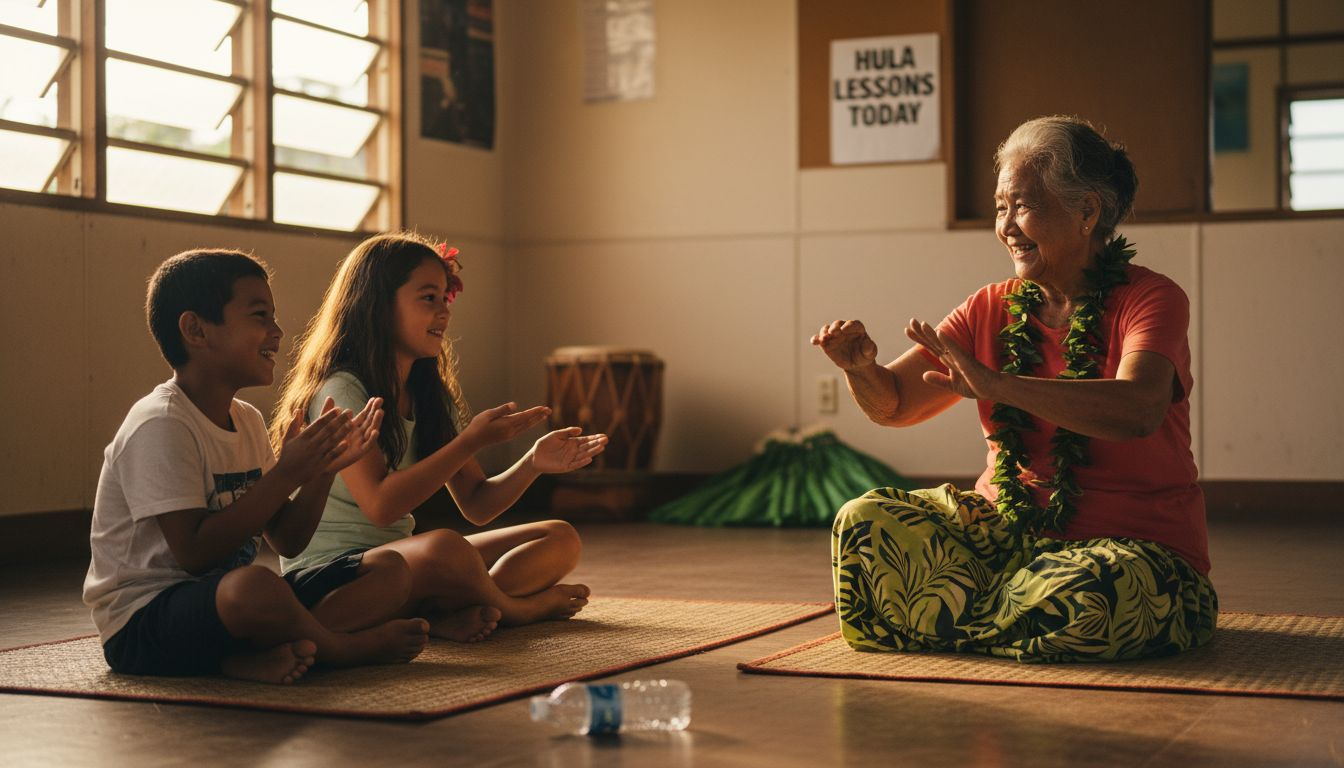
By participating in these local experiences, families create lasting memories while supporting community-driven tourism that respects and preserves Hawaiian cultural heritage. The interactions go beyond surface-level tourism, offering genuine connections that transform a simple vacation into a meaningful cultural journey.
Pro tip: Research and book cultural experiences in advance, and approach each encounter with respect, curiosity, and a willingness to learn about local traditions.
How Immersive Attractions Engage Families
Immersive attractions represent a revolutionary approach to family entertainment, transforming passive experiences into interactive journeys that captivate and educate simultaneously. Advanced technologies like augmented and virtual reality have dramatically reshaped how families interact with cultural and educational content, creating multisensory experiences that engage multiple learning styles and generations.
These cutting-edge attractions break down traditional barriers by offering interactive environments that adapt to different family members’ interests and learning preferences. Immersive learning technologies enable families to explore complex topics through hands-on, experiential approaches that make learning feel like an exciting adventure rather than a structured educational exercise. Children can dive into historical narratives, scientific concepts, and cultural experiences in ways that traditional museums or guided tours could never achieve.
The power of immersive attractions lies in their ability to create emotional connections. By allowing families to become active participants rather than passive observers, these experiences foster deeper understanding and meaningful engagement. Interactive storytelling techniques enable children and adults to explore historical contexts, cultural nuances, and complex narratives through personalized, memorable journeys that resonate on a profound emotional level.
Moreover, these attractions serve as powerful tools for intergenerational learning, creating shared experiences that bridge age gaps and spark meaningful conversations. Parents and children can explore, discover, and learn together, developing shared memories and mutual understanding through interactive, technology-enhanced experiences that transcend traditional educational boundaries.
Pro tip: Encourage family members to discuss and reflect on their immersive experiences, transforming technological interactions into meaningful learning opportunities.
The Role of Cultural Storytelling
Cultural storytelling is a profound mechanism for preserving heritage, transmitting knowledge, and creating deep connections across generations. Storytelling serves as a fundamental cultural practice that goes beyond simple narrative sharing, acting as a critical method for communities to maintain identity, communicate values, and bridge generational understanding.
In the context of Hawaiian culture, storytelling becomes an intricate art form that breathes life into historical experiences and ancestral wisdom. Strategic communication through cultural narratives helps shape regional identity, transforming local stories into powerful tools for community engagement and cultural preservation. These narratives are not mere entertainment but living bridges that connect past traditions with present experiences, allowing families to understand their roots more deeply.
Through storytelling, complex cultural concepts become accessible and engaging, particularly for younger generations. Traditional stories help children understand nuanced cultural values, historical contexts, and community principles in ways that formal education cannot replicate. Each story becomes a dynamic learning experience that interweaves emotion, history, and personal connection, creating a rich tapestry of understanding that extends far beyond simple historical recitation.
Moreover, cultural storytelling plays a crucial role in community resilience and cultural continuity. By sharing personal and collective narratives, communities reinforce their shared experiences, celebrate their unique identity, and create a sense of belonging that transcends individual experiences. For families visiting Hawaii, these stories offer an authentic window into the islands’ rich cultural landscape, transforming tourism from passive observation to meaningful cultural exchange.
Pro tip: Listen to stories with an open heart and ask respectful questions to gain deeper insights into the cultural significance behind each narrative.
Economic and Social Benefits for Communities
Community-driven attractions and local experiences generate far more than simple economic transactions – they create powerful ecosystems of mutual growth and social development. Investments in local infrastructure and cultural experiences generate substantial economic opportunities that extend well beyond immediate financial returns, fostering comprehensive community development and social mobility.
Economic impact emerges through multiple channels when communities invest in authentic, locally-driven experiences. Tourism that prioritizes genuine cultural engagement attracts more discerning travelers, stimulates small business growth, and creates sustainable employment opportunities. These experiences transform traditional economic models by centering local knowledge, skills, and narratives as valuable economic assets that cannot be replicated by generic, mass-produced attractions.
Public investment in community-driven experiences yields significant social dividends beyond monetary metrics. By creating platforms for cultural exchange, these experiences promote social cohesion, reduce cultural barriers, and enhance mutual understanding. Particularly in multicultural contexts like Hawaii, such interactions become critical mechanisms for building inclusive, resilient communities that value diversity as a fundamental strength.
Moreover, community-centered attractions serve as powerful educational platforms that transfer generational knowledge, preserve cultural heritage, and inspire younger generations. By positioning local experiences as valuable economic and social resources, communities can create sustainable models of cultural preservation that simultaneously generate economic opportunities and strengthen social bonds.
Pro tip: Prioritize experiences that directly benefit local communities and creators, ensuring your participation contributes to sustainable economic and cultural development.
Comparing Local Spots vs National Chains
Local spots represent far more than simple business locations – they are living ecosystems of community connection and cultural authenticity. Local businesses provide deeply personalized experiences that national chains cannot replicate, offering unique value through their intimate understanding of community dynamics and immediate responsiveness to local needs.
The economic implications of choosing local spots extend beyond immediate transactions. While national chains often compete on price and convenience, local businesses create a more sustainable economic model by keeping financial resources circulating within the community. These local establishments generate multiplier effects that support neighborhood infrastructure, create more diverse employment opportunities, and maintain the distinctive character that makes each community unique.
Regulatory environments significantly influence the balance between local spots and national chains, with local governments playing a critical role in maintaining economic diversity. By implementing strategic land use policies and supporting small business development, communities can create environments where local spots can thrive alongside larger commercial entities, preserving cultural identity while remaining economically competitive.
Ultimately, the choice between local spots and national chains represents a deeper decision about community values. Local businesses serve as cultural anchors, preserving traditions, supporting local talent, and creating spaces that reflect the genuine spirit of a region. For families seeking meaningful experiences, local spots offer authenticity, personal connections, and a genuine sense of place that transcends standardized, mass-produced encounters.
This table compares local spots and national chains in terms of value and effect:
| Aspect | Local Spots | National Chains |
|---|---|---|
| Economic Impact | Keeps money in community | Profits leave region |
| Cultural Authenticity | Reflects local traditions | Standardized across areas |
| Social Contribution | Fosters community ties | Limited local engagement |
| Unique Experiences | Personalized service | Uniform experience |
Pro tip: When traveling, intentionally seek out locally owned businesses to support community economic resilience and gain more authentic cultural experiences.
Experience Hawaii’s Culture Like Never Before with Flight of Aloha
The article highlights how local spots play a vital role in preserving cultural storytelling and offering immersive educational experiences for families. Many visitors struggle to find authentic ways to connect with Hawaiian heritage while creating lasting family memories. Flight of Aloha solves this challenge by delivering a breathtaking immersive flying theater attraction in Kailua-Kona. It blends 8K visuals, motion effects, scents, and wind to simulate flying over Hawaii’s stunning landscapes while sharing rich cultural narratives rooted in Hawaiian legends such as “Naupaka” and “Lahaina.” This unique fusion transforms traditional cultural storytelling into an emotional, multisensory adventure the entire family can enjoy.

Don’t miss the chance to support local cultural preservation and create unforgettable moments for your family. Visit Flight of Aloha today to explore our ride films and learn about VIP packages or annual passes. Book your immersive Hawaiian experience now and turn your trip into a meaningful cultural journey that uplifts community values and celebrates authentic island heritage.
Frequently Asked Questions
What are local spots and why are they important for families?
Local spots are community-centered locations that foster connections, economic vitality, and cultural preservation. They serve as gathering places where families can engage in meaningful experiences and learn about local history and traditions.
How do local spots contribute to the local economy?
Local spots stimulate economic opportunities by supporting family-owned businesses, keeping financial resources within the community, and creating diverse employment opportunities that enhance economic resilience.
What types of educational opportunities do local spots offer for children?
Local spots provide children with hands-on experiences related to local history, agricultural practices, and cultural traditions, which foster a deeper understanding of community interdependence and regional identity.
Why should families prioritize visiting local spots over national chains?
Visiting local spots allows families to experience authentic cultural engagement, personalized service, and a unique sense of place that national chains often cannot provide, ultimately contributing to the preservation of local character.
Recommended
- Why Family Attractions Matter For Vacation Fun | Flight Of Aloha
- Why Support Local Attractions: Complete Guide | Flight Of Aloha
- Role Of Local Art In Attractions: Complete Guide | Flight Of Aloha
- Advantages Of Cultural Tourism: Complete Guide | Flight Of Aloha
- 7 Tips for Exciting Photography Scavenger Hunts – The Zoofamily
- Dog Safety for Families – Enhancing Trust and Security – iPupPee