
Step by Step Immersive Ride Prep: Your Full Guide 🌺

Step by step immersive ride prep is the process of systematically preparing for an immersive ride attraction to maximize your engagement, comfort, and enjoyment from the first moment you walk in. Whether you’re heading to a flying theater like Flightofaloha in Kailua-Kona, a themed experience like Mandalorian Smugglers Run at Disneyland, or an extreme haunted house, the right preparation separates a forgettable visit from a truly breathtaking one. This immersive ride preparation guide covers everything: what to bring, how to arrive, how to pace yourself, and how to get the most out of every scene.
What to prepare before you arrive at an immersive ride
Preparation for an immersive ride starts well before you reach the entrance. The physical, mental, and logistical groundwork you lay in advance determines how fully you can sink into the experience.
Physical prep: what to wear and eat
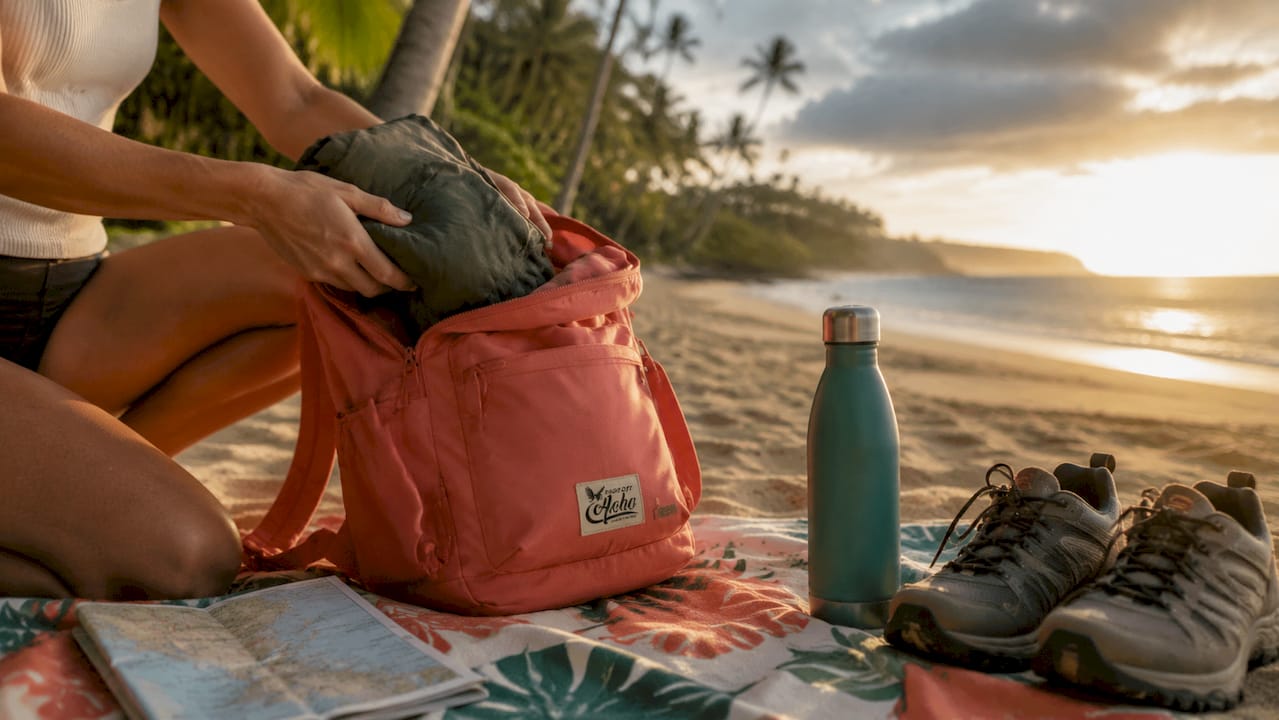
Closed-toe shoes with ankle support are the single most important gear choice you can make. Loose clothing and dangling accessories create real hazards in low-visibility or active environments. Wear layers you can adjust, because temperature swings between outdoor queues and air-conditioned interiors are common. Eating a light snack before arrival prevents hunger-related fatigue, which matters because immersive rides range from 25-minute experiences to 2–6 hour events. Hunger kills presence faster than any distraction.
Mental prep: know the rules before you go
Understanding rules and safe-word protocols transforms a potentially stressful experience into a controlled thrill. Read every email or pre-show instruction the venue sends you. Skim the attraction’s story framework online so the narrative feels familiar rather than confusing. Knowing what to expect reduces the cognitive overload that pulls you out of immersion.
Your pre-arrival checklist
- ✅ Comfortable, closed-toe shoes with ankle support
- ✅ Layered clothing appropriate for indoor and outdoor temps
- ✅ Light snack eaten 60–90 minutes before arrival
- ✅ Pre-show instructions read and safe words memorized
- ✅ Phone charged but set to silent (not vibrate)
- ✅ Small bag or no bag at all (bulky items slow you down)
- ✅ Any required medical disclosures submitted in advance
What to leave behind: large backpacks, open-toed sandals, strong perfume (it conflicts with scent effects at attractions like Flightofaloha), and anything you would be devastated to lose.
Pro Tip: Arrive knowing at least the basic story premise of the ride. Attractions like Flightofaloha’s “Naupaka” film are rooted in Hawaiian legend. Spending five minutes reading about the legend beforehand makes the visuals land with far more emotional weight.
How to execute your visit step by step
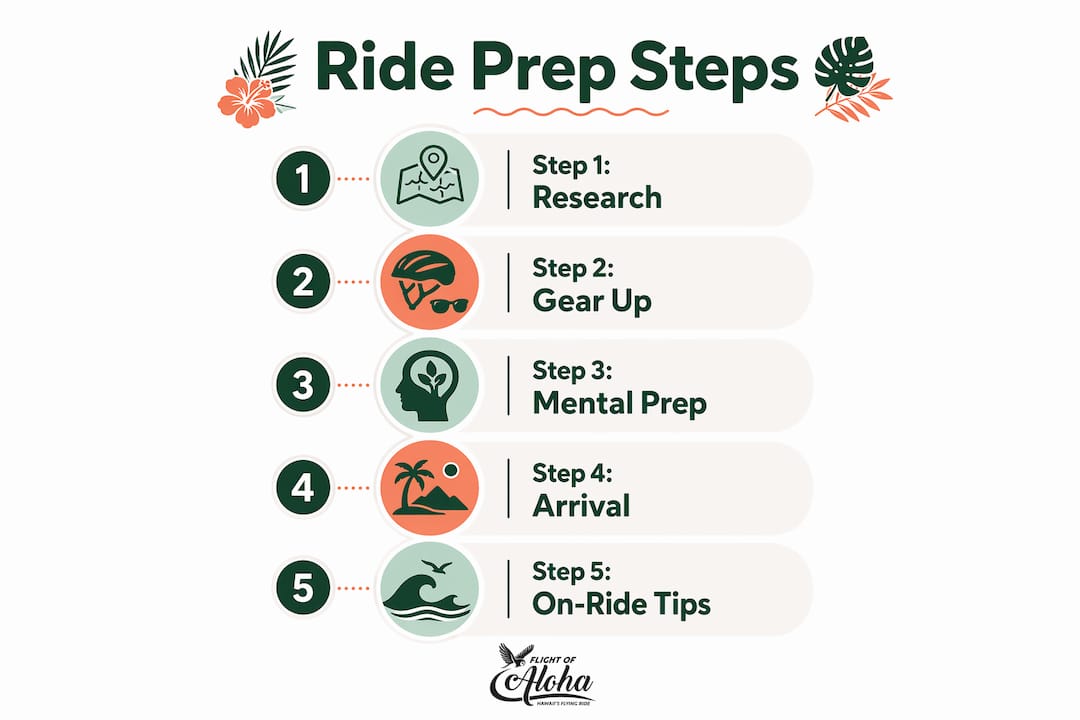
A structured walkthrough of your actual visit makes the difference between drifting through and fully living the experience. Here is the stepwise immersive ride setup that works for most themed attractions.
-
Arrive 20–30 minutes early. Check-in lines move faster than you expect, and you want time to absorb the environment before the ride begins. Rushing to your seat is the fastest way to miss the mood-setting details built into the queue design.
-
Use the first 15 minutes to acclimate. The first 15 minutes of an immersive event set the narrative framework for everything that follows. Missing this window impairs full immersion for the rest of the experience. Look at the decor, read any posted story text, and listen to ambient audio.
-
Choose your seat with intention. Front seats tend to be smoother; back seats deliver more motion. At a flying theater like Flightofaloha, center seats give the most balanced field of view across the 8K screen. Pick based on your comfort level, not just availability.
-
Follow the characters and explore the environment. Active participation rewards guests with richer story elements. If a character moves toward a corner, follow. If a prop looks interactive, engage with it. Passive observers consistently report shallower experiences than active ones.
-
Pace your food and drinks during multi-phase events. Pacing intake throughout the event keeps you present and relaxed. Eat and drink during transition moments, not during narrative peaks. Overindulging early leads to sluggishness during the most exciting scenes.
-
Respect immersion etiquette. Keep commentary minimal. Avoid narrating the experience to your group in real time. Let the story breathe. Other guests paid for the same immersion you did.
-
Stay through the final moments. Many attractions save their most powerful beats for the closing sequence. Leaving early to beat the crowd means missing the payoff the entire experience was building toward.
Pro Tip: At Disneyland’s Mandalorian Smugglers Run, single rider lines can place you in a different seat assignment, giving you a completely different role and perspective. Use this strategy at any attraction that assigns interactive roles by seat position.
How does prep differ across immersive ride types?
Not every immersive ride demands the same preparation. Planning an immersive ride experience correctly means matching your prep to the specific format you are visiting. Immersive rides differ widely in physical intensity, narrative style, and interactivity, and each type has distinct gear and mindset requirements.
| Ride Type | Duration | Intensity | Dress Recommendation | Interaction Level |
|---|---|---|---|---|
| Flying Theater (e.g., Flightofaloha) | 10–20 min | Low physical | Comfortable casual, layers | Passive, sensory |
| VR Experience | 15–45 min | Low to moderate | Loose clothing, no hats | Moderate, controller-based |
| Themed Roller Coaster | 3–5 min | High physical | Secure footwear, no loose items | Low, seat-based |
| Immersive Theater / Walking Tour | 1–3 hours | Moderate walking | Supportive shoes, layers | High, character-driven |
| Extreme Haunted House | 30–90 min | Moderate to high | Dark, form-fitting clothing | High, physical contact possible |
Reading this table: the higher the interaction level, the more mental prep you need. A flying theater like Flightofaloha requires almost no physical preparation beyond comfortable seating. An extreme haunted house requires safe-word knowledge, physical readiness, and a clear understanding of consent boundaries before you step inside.
Medical disclosures also vary by type. High-intensity roller coasters require disclosure of heart conditions and pregnancy. Flying theaters typically have height and weight guidelines. VR experiences may trigger motion sickness in susceptible guests. Check the attraction’s website for specific restrictions before you book.
How do you stay safe and comfortable during the ride?
Sustaining comfort across a full immersive experience is an active practice, not a passive one. These are the best practices for ride preparation that keep you present and enjoying every moment.
- Hydrate before, not during. Drink water in the 30 minutes before your ride rather than carrying a bottle inside. Most immersive environments discourage open containers, and stopping to drink pulls you out of the story.
- Manage motion sickness proactively. For flying theaters and VR, sit in the center of the seating area and fix your gaze on the horizon line of the screen. Ginger chews taken 20 minutes before the ride reduce nausea for most guests.
- Build an internal map. Reading about an attraction’s layout before you arrive reduces novelty shock and cognitive overload. Your brain stops spending energy on orientation and starts spending it on enjoyment.
- Use safe words correctly. If an attraction provides a safe word, treat it as a real tool, not a last resort. Using it early when discomfort starts is smarter than pushing through and having a bad experience.
- Wander with purpose. Hidden story elements in immersive theater and themed environments reward guests who explore off the main path. Look mauka (toward the mountain) and makai (toward the ocean) in outdoor-themed environments for details most guests miss.
- Know when to stay vs. leave early. If you feel genuinely unwell, leave. If you feel mildly uncomfortable because the story is intense, stay. Discomfort from narrative tension is the point. Physical distress is not.
“The guests who get the most out of immersive experiences are the ones who treat the environment as a world to explore, not a show to watch.” — Ashwin Gane, immersive event guide
Comfortable layered clothing also plays a larger role than most guests expect. Physical fatigue from poor footwear or temperature discomfort pulls attention away from the story faster than almost any other factor.
Key takeaways
Thorough preparation before an immersive ride is the single most reliable way to convert a good visit into an unforgettable one.
| Point | Details |
|---|---|
| Arrive 20–30 minutes early | The first 15 minutes set the narrative foundation; missing them weakens full immersion. |
| Match prep to ride type | Flying theaters, VR, and haunted houses each require different gear, mindset, and safety knowledge. |
| Eat light before you go | A small snack 60–90 minutes pre-ride prevents fatigue during events that run 25 minutes to 6 hours. |
| Choose your seat deliberately | Front seats offer smoother rides; back seats deliver more motion; center seats maximize screen coverage. |
| Stay through the final moments | Closing sequences carry the emotional payoff the entire experience builds toward. |
What i’ve learned from showing up prepared (and unprepared)
The first immersive experience I walked into without any preparation, I spent the opening 10 minutes confused, slightly anxious, and completely outside the story. I was physically fine. I just had no context. The narrative was already three chapters ahead of me, and I never caught up.
The second time, I read the story background the night before, wore shoes I could walk in for two hours, and arrived 25 minutes early. The difference was not subtle. I noticed details in the queue design that foreshadowed the ending. I made choices during the experience that felt meaningful because I understood what was at stake in the story.
Small practical decisions matter more than people expect. Shoe choice affects how long you can stay engaged. Snack timing affects your energy during the climax. Knowing the safe word before you need it means you never freeze when things get intense.
My honest advice: approach every immersive ride as an explorer, not a spectator. The story is not happening to you. You are inside it. The guests who treat it that way consistently walk out with the best stories to tell.
And if you want an experience that does all the heavy lifting for you, a flying theater is the most accessible entry point. No physical demands, no scare factor, and the narrative is woven into every sensory detail from the first second.
— Ola
Experience immersive hawaii at Flightofaloha
Flightofaloha is the top indoor immersive attraction on the Big Island, and the smartest alternative to a $400 helicopter tour. Located inside King Kamehameha’s Kona Beach Hotel, it is walking distance from Kailua Pier, making it perfect for shore excursions from cruise ships. The experience blends 8K visuals, motion effects, wind, and authentic Hawaiian scents to simulate soaring over Hawai’i in films like “Naupaka” and “Lahaina,” both rooted in real Native Hawaiian cultural storytelling. It is Native Hawaiian-owned, family friendly, and offers the best air conditioning in Kona, making it the #1 escape from heat and vog on a rainy or sweltering Big Island day.

Whether you’re a first-time visitor or a Kona local looking for one of the best immersive ride experiences on the island, Flightofaloha delivers wonder without the wait. VIP packages and annual passes are available. Book online to secure your seat.
FAQ
What should i wear to an immersive ride?
Wear closed-toe shoes with ankle support and comfortable layered clothing. Avoid loose items and dangling accessories, especially in low-visibility or active environments.
How early should i arrive for an immersive ride experience?
Arrive 20–30 minutes before your scheduled time. The first 15 minutes of most immersive events establish the narrative framework, and missing them reduces full immersion for the rest of the visit.
How do i manage motion sickness on a flying theater ride?
Sit in the center of the seating area and focus on the screen’s horizon line. Taking ginger chews 20 minutes before the ride reduces nausea for most guests at attractions like Flightofaloha.
What is a safe word and do i need to know it before i go?
A safe word is a verbal signal that stops the experience immediately if you feel genuinely distressed. Knowing it before you enter means you can use it calmly and early rather than panicking mid-experience.
Can i re-ride an immersive attraction for a different experience?
Yes. At attractions with assigned seating or interactive roles, different seat positions deliver different physical intensity or story perspectives. Single rider lines at themed rides like Mandalorian Smugglers Run can place you in a new role with minimal additional wait time.