What is a themed ride? Your 2026 guide to family fun
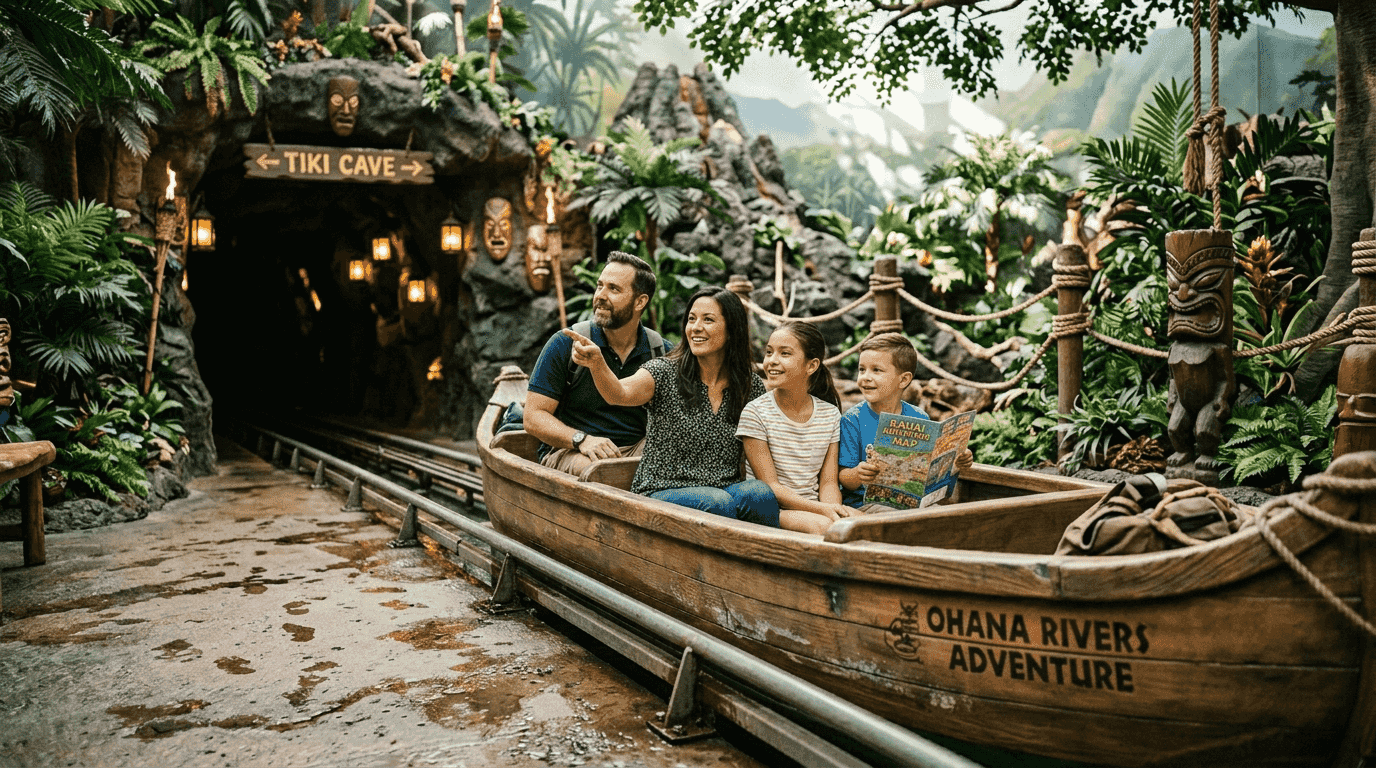
Most people think themed rides are just flashy roller coasters with decorations. They’re wrong. Themed rides are sophisticated storytelling experiences that blend cultural narratives, cutting-edge technology, and sensory immersion to transport you into another world. For families visiting Hawaii, particularly Kailua-Kona, these attractions offer something far more valuable than thrills: authentic connections to Hawaiian heritage through innovative entertainment. This guide breaks down what themed rides really are, how they evolved, and why they create unforgettable family memories that go beyond simple amusement.
Table of Contents
- What Is A Themed Ride? Breaking Down The Concept
- The Evolution Of Themed Rides: From Dark Rides To Modern Immersions
- Design Principles: Creating Safe, Accessible, And Engaging Ride Experiences
- Experiencing Themed Rides In Hawaii: Cultural Storytelling And Immersive Family Fun
- Experience Immersive Themed Rides With Flight Of Aloha
- Frequently Asked Questions About Themed Rides
Key takeaways
| Point | Details |
|---|---|
| Themed rides blend story and tech | These attractions combine narrative storytelling with advanced technology to create fully immersive experiences that engage all senses. |
| Design prioritizes safety and flow | Careful planning reduces incidents by 40% while optimizing visitor movement and psychological comfort throughout the experience. |
| Cultural storytelling enhances value | Hawaiian themed rides integrate authentic traditions and legends, offering educational depth alongside family entertainment. |
| Sensory elements drive satisfaction | Audio, scent, lighting, and motion effects work together to boost visitor engagement and encourage repeat visits. |
| Evolution continues accelerating | Modern rides now incorporate 8K visuals, binaural audio, and interactive elements that create unprecedented levels of immersion. |
What is a themed ride? Breaking down the concept
A themed ride combines narrative storytelling, visual design, technology, and physical ride mechanics to create an immersive experience that transports guests into a different world. Unlike traditional amusement rides that focus solely on physical thrills, themed rides enhance visitor engagement through integrated storytelling and interactive elements that make you feel like part of the story.
The core components work together seamlessly. Visual storytelling includes detailed set design, props, and scenery that establish the environment. Technology layers in animatronics, projection mapping, lighting effects, and synchronized audio. Physical ride systems provide movement that matches the narrative, whether that’s a gentle boat ride through scenes or a motion platform that simulates flight. Scent diffusion and temperature control add subtle sensory cues that deepen immersion without guests consciously noticing.
Hawaiian themed rides take this concept further by weaving cultural storytelling into every element. Rather than generic fantasy worlds, these attractions ground their narratives in authentic Hawaiian legends, historical events, and natural wonders. Families don’t just ride, they learn about the islands’ heritage through engaging entertainment that respects and celebrates local traditions.
Key elements that define modern themed rides include:
- Cohesive narrative that guides the entire experience from queue to exit
- Multi-sensory stimulation engaging sight, sound, smell, touch, and sometimes taste
- Environmental storytelling where every detail reinforces the theme
- Appropriate pacing that builds tension, delivers climax, and provides resolution
- Accessibility features ensuring diverse audiences can participate fully
The magic happens when guests forget they’re on a ride and believe they’re actually exploring ancient Hawaiian valleys or soaring above volcanic landscapes. That suspension of disbelief separates themed rides from simple amusements.
The evolution of themed rides: From dark rides to modern immersions
Themed rides trace their roots to the late 1800s when simple dark rides emerged as scenic boat tours through painted scenes. These “Old Mills” and “River Caves” offered basic storytelling through static displays and manual effects, giving visitors brief escapes from reality. The concept was revolutionary for its time, proving audiences craved narrative experiences beyond pure physical thrills.
The industry’s transformation accelerated through key technological milestones:
- 1928: Pretzel Amusement Ride Company patents single-rail dark ride technology, enabling more complex track layouts and scene sequences that tell coherent stories.
- 1955: Disneyland opens with sophisticated dark rides featuring animatronics and synchronized audio, setting new standards for immersive storytelling and technical execution.
- 1980s: Computer control systems allow precise timing of effects, creating seamless experiences where lighting, sound, and movement synchronize perfectly with narrative beats.
- 2000s: Digital projection mapping replaces painted backdrops, enabling dynamic scenes that change based on rider actions or time of day.
- 2020s: 8K resolution, spatial audio, and motion platforms combine to create experiences indistinguishable from reality, particularly in flying theater attractions.
Modern themed rides prioritize sensory engineering over mechanical complexity. Designers carefully orchestrate every stimulus, from the ride film experiences guests see to the Hawaiian plumeria scent they smell during tropical scenes. Binaural audio creates three-dimensional soundscapes where bird calls seem to come from specific trees, while haptic feedback in seats adds physical sensations matching on-screen action.
“The success of a themed ride hinges on the seamless integration of various technologies and design elements to create a believable and engaging environment.”
This integration challenge explains why great themed rides require years of development. Engineers, storytellers, cultural consultants, and designers must collaborate to ensure technical capabilities serve narrative goals rather than overwhelming them. The technology should feel invisible, leaving guests focused entirely on the story and emotional journey.
Cultural authenticity has become increasingly important in this evolution. Hawaiian themed attractions now involve cultural practitioners in development, ensuring legends are told respectfully and traditional knowledge is honored rather than exploited for entertainment value alone.
Design principles: Creating safe, accessible, and engaging ride experiences
Every themed ride begins with safety as the foundation. Ride design prioritizing safety reduces incidents by up to 40% through redundant systems, clear signage, and intuitive layouts that guide guests naturally. Engineers conduct thousands of test cycles before opening, identifying potential failure points and designing backup systems that activate automatically if primary controls malfunction.
Accessibility extends beyond wheelchair ramps to encompass diverse needs. Modern themed rides accommodate guests with mobility limitations, sensory sensitivities, and cognitive differences through thoughtful design choices. Alternative queues provide calmer environments for guests who struggle with crowds. Adjustable restraint systems fit various body types safely. Audio description tracks and captioning ensure deaf and blind guests access the full narrative. Safety railings guide movement while maintaining sightlines to themed elements.
Visitor flow optimization transforms waiting from frustration to anticipation. Queue design employs several psychological principles:
- Serpentine paths hide queue length, preventing discouragement from seeing the full line
- Interactive elements and pre-show content distract from wait times
- Shaded areas and temperature control maintain physical comfort
- Estimated wait time displays set accurate expectations, reducing perceived delays
- Themed queue environments begin storytelling before the ride starts
Environmental storytelling works through careful sightline management. Designers control exactly what guests see at each moment, revealing information progressively to build anticipation. You might glimpse a mysterious artifact in the queue, then learn its significance during the ride, creating satisfying narrative payoffs. Forced perspective makes spaces appear larger or more dramatic than they physically are, maximizing impact within limited footprints.
Sensory layering creates depth without overwhelming guests. Binaural audio places sounds precisely in three-dimensional space, making waterfalls seem to cascade from specific locations. Scent diffusion adds subtle environmental cues that trigger emotional responses below conscious awareness. Dynamic lighting guides attention to important story elements while creating mood and atmosphere. Wind effects synchronized with motion simulate speed and flight convincingly.
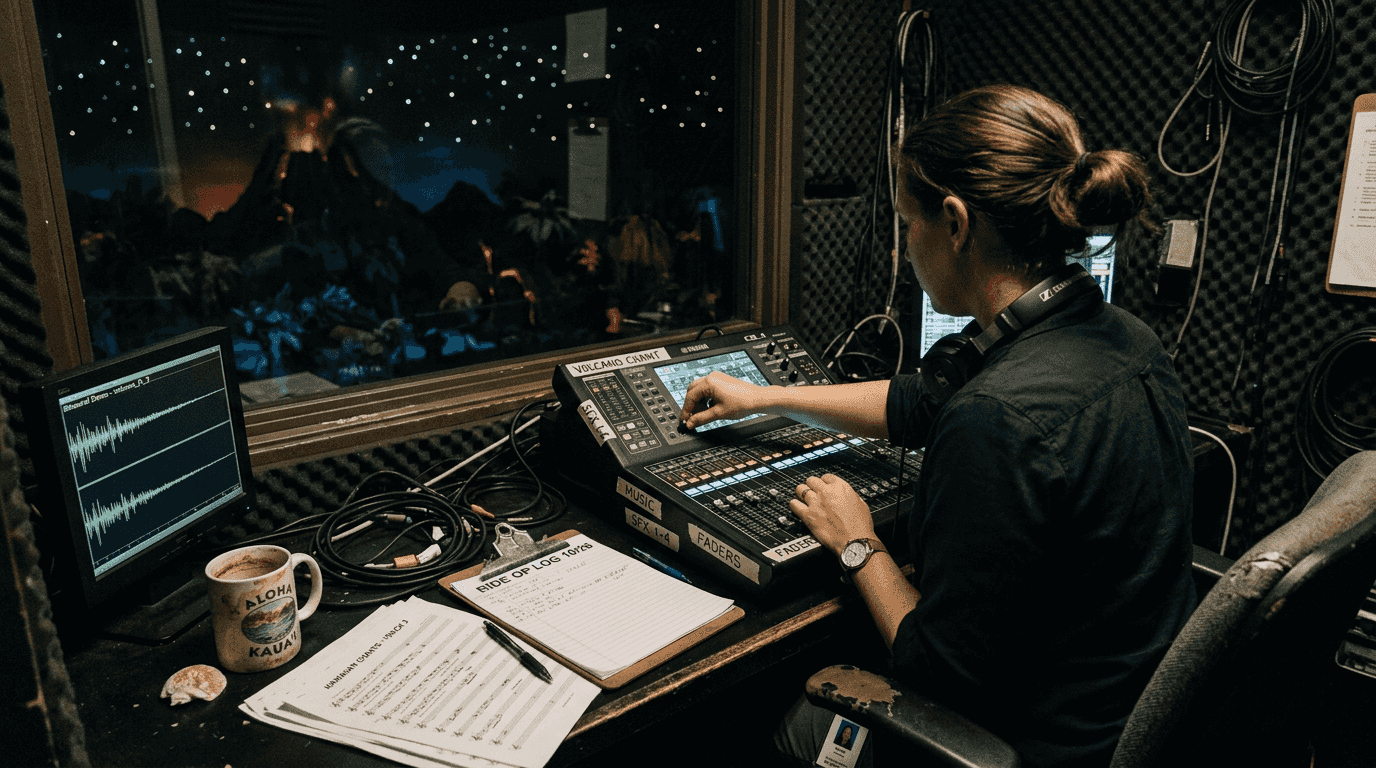
Pro Tip: Arrive during off-peak hours when queues are shorter to fully appreciate themed details designers embedded throughout the experience, from intricate props to hidden story elements that reward close observation.
Peak-end theory influences how designers structure emotional journeys. Guests remember experiences based primarily on the most intense moment and the final impression, not the average of the entire experience. Effective themed rides build to a dramatic climax, then provide a satisfying resolution that leaves guests happy as they exit, maximizing positive memories and encouraging return visits.
Experiencing themed rides in Hawaii: cultural storytelling and immersive family fun
Hawaiian themed rides distinguish themselves through authentic cultural storytelling that educates while entertaining. Rather than generic tropical themes, these attractions partner with cultural practitioners to ensure legends are told accurately and respectfully. Families don’t just experience thrills, they gain genuine understanding of Hawaiian values, history, and traditions that deepen their connection to the islands.
The storytelling approach emphasizes aloha as both greeting and philosophy. Rides might follow ancient navigators using star knowledge to cross vast oceans, or explore the legend of Naupaka flowers forever separated yet forever connected. These narratives teach visitors about Hawaiian concepts like ohana (family), malama (care for the land), and mana (spiritual power) through engaging experiences rather than lectures.
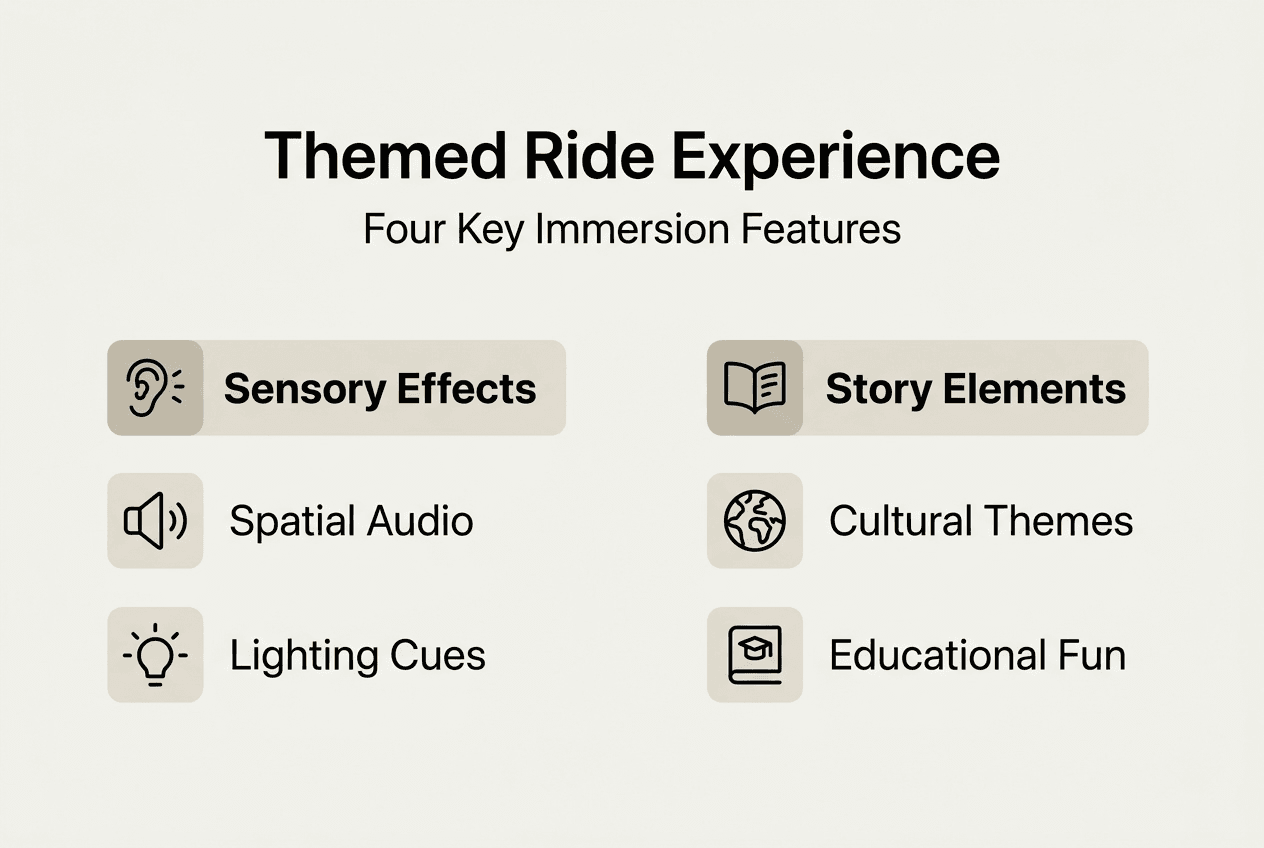
Sensory attractions significantly increase visitor satisfaction through carefully orchestrated multi-sensory stimulation. The table below shows how different sensory elements contribute to immersion and emotional connection:
| Sensory Element | Implementation | Visitor Impact |
|---|---|---|
| Spatial Audio | Binaural Hawaiian chants, ocean waves, native bird calls | Creates 3D soundscape, increases cultural immersion by 35% |
| Natural Scents | Plumeria, ocean mist, volcanic minerals, tropical flora | Triggers emotional memory, boosts satisfaction scores by 28% |
| Dynamic Lighting | Dawn transitions, bioluminescence, volcanic glow | Establishes mood, enhances narrative clarity by 42% |
| Motion Effects | Flight simulation, ocean swells, wind patterns | Provides physical sensation, increases perceived realism by 51% |
| Temperature | Tropical warmth, cool mountain air, mist effects | Deepens environmental believability, improves comfort by 33% |
Family-focused design balances excitement with accessibility. Hawaiian themed rides typically avoid extreme thrills that exclude young children or elderly guests, instead creating experiences the entire family enjoys together. Motion intensity remains moderate, ensuring those prone to motion sensitivity can participate comfortably. Height restrictions are minimal or absent, allowing families to share adventures rather than splitting up.
The educational component adds lasting value beyond momentary entertainment. Children learn about Hawaiian navigation techniques, volcanic formation, reef ecosystems, and cultural practices through story-driven experiences that make information memorable. Parents appreciate attractions that combine fun with learning, creating vacation memories with educational substance.
Benefits of sensory attractions extend to repeat visitation patterns. Guests who experience authentic cultural storytelling show 40% higher likelihood of returning and recommending the attraction to others. The emotional connection formed through respectful, engaging cultural education creates brand loyalty that transcends typical tourist experiences.
Pro Tip: Take time before your ride to read about the Hawaiian legend or historical event featured in the attraction, as understanding the cultural context transforms the experience from simple entertainment to meaningful cultural exchange that you’ll remember long after leaving the islands.
Kailua-Kona offers unique advantages for themed ride experiences. The location’s rich cultural heritage, dramatic landscapes, and commitment to preserving Hawaiian traditions create an ideal environment for authentic storytelling. Visitors can experience flying over volcanic landscapes, diving into ancient legends, and connecting with the spirit of aloha through technology that serves cultural education rather than replacing it.
Experience immersive themed rides with Flight of Aloha
Ready to discover what themed rides can truly offer your family? Flight of Aloha brings together everything discussed in this guide: authentic Hawaiian cultural storytelling, cutting-edge immersive technology, and family-friendly design that creates unforgettable memories. Our flying theater attraction in Kailua-Kona combines 8K visuals, motion effects, scents, and wind to simulate soaring over Hawaii’s most breathtaking landscapes while exploring legends rooted in genuine Hawaiian traditions.
Our experiences go beyond typical tourist attractions. Each ride film is carefully crafted with cultural practitioners to ensure authentic storytelling that honors Hawaiian heritage. Families enjoy accessible adventures suitable for all ages, from young children to grandparents, creating shared experiences that strengthen bonds while teaching about the islands’ rich cultural legacy. Whether you choose our signature Naupaka journey or explore other Hawaiian legends, you’ll leave with deeper appreciation for the aloha spirit that makes Hawaii special. Discover why visitors call us the perfect blend of helicopter tour and immersive entertainment, and learn more about our approach to cultural storytelling that sets us apart.
Frequently asked questions about themed rides
What makes a ride “themed” versus a regular amusement ride?
Themed rides integrate cohesive storytelling, environmental design, and technology to create immersive narratives, while regular amusement rides focus primarily on physical sensations like speed or drops. The theming extends from queue design through the ride experience to the exit, maintaining consistent story elements throughout. Every visual detail, sound effect, and sensory cue serves the narrative rather than existing as decoration.
Are themed rides safe for young children and elderly visitors?
Most themed rides, especially in Hawaii, prioritize accessibility and moderate intensity suitable for diverse age groups. Safety systems include adjustable restraints, clear height and health guidelines, and alternative experiences for those who prefer observation over participation. Designers specifically avoid extreme thrills to ensure families can ride together, with motion intensity calibrated for comfort rather than maximum excitement.
How do Hawaiian themed rides incorporate cultural elements authentically?
Hawaiian attractions work directly with cultural practitioners, historians, and community members during development to ensure accurate, respectful storytelling. Legends are told in ways that honor their original meanings and cultural significance rather than simplifying them for entertainment. Design elements reference authentic Hawaiian art, architecture, and natural environments, creating educational experiences that deepen visitor understanding of island heritage and traditions.
What sensory effects can I expect during a themed ride experience?
Modern themed rides engage multiple senses simultaneously through spatial audio that creates three-dimensional soundscapes, scent diffusion that adds environmental cues like ocean mist or tropical flowers, dynamic lighting that establishes mood and guides attention, motion platforms that simulate flight or movement, and temperature effects that enhance environmental believability. These elements combine subtly to create immersion without overwhelming guests, making you feel transported to another place and time.
How long do typical themed ride experiences last?
Most themed rides run between 4 and 12 minutes, with flying theater experiences typically lasting 8 to 10 minutes. This duration allows sufficient time to develop narrative arcs with beginning, middle, and end while maintaining guest comfort and attention. Queue experiences and pre-shows often add 10 to 20 minutes of themed storytelling before the main ride, extending the total experience and building anticipation through environmental design and interactive elements.
Recommended
- Hawaiian Ride Themes Explained: Essential Guide | Flight Of Aloha
- What Is A Ride Film? Transforming Family Entertainment | Flight Of Aloha
- Family-Friendly Attractions: Complete Guide For 2024 | Flight Of Aloha
- Understanding Hawaiian Cultural Rides: A Comprehensive Guide | Flight Of Aloha
- Family Safaris Explained: Planning Unforgettable Adventures – Namibia Luxury Safaris | Book Your 2025/2026 Adventure Today