What Is a Ride Film? Transforming Family Entertainment
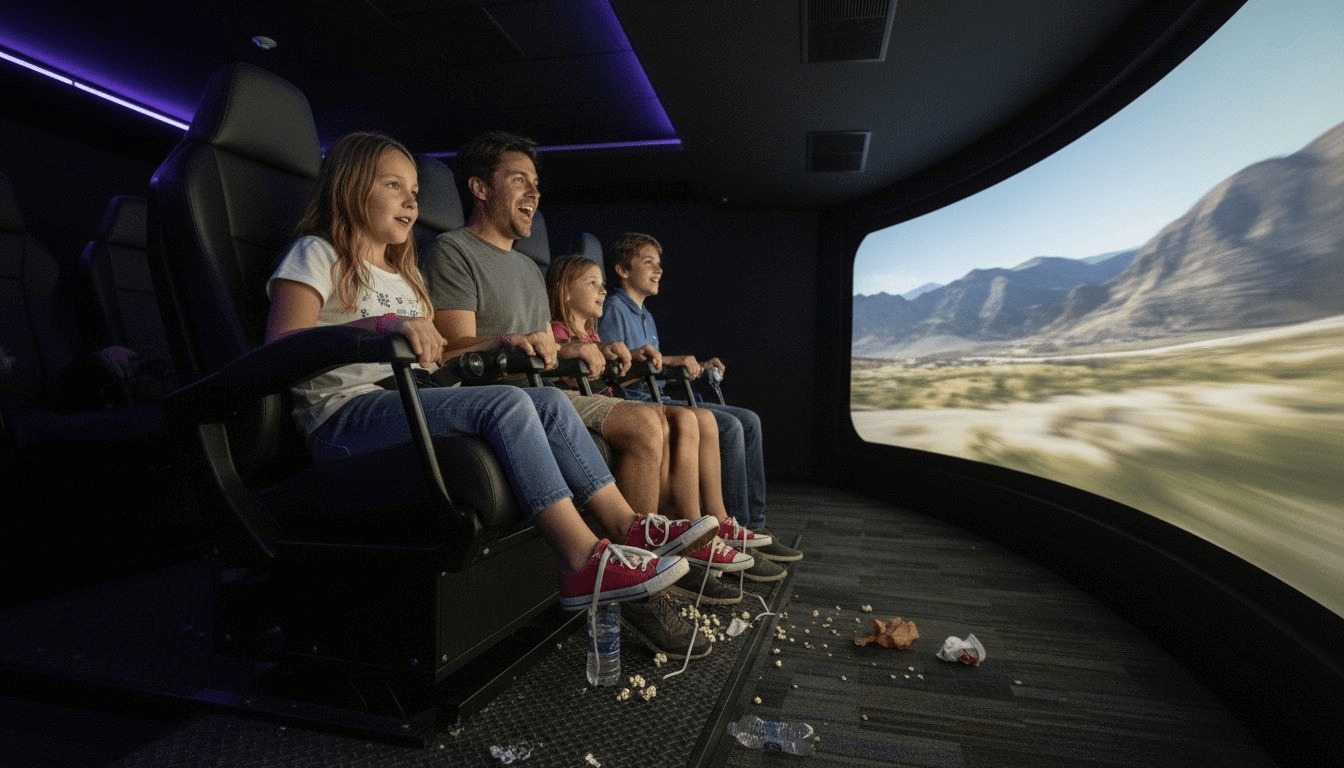
Every family on vacation in Hawaii faces the challenge of finding activities that excite both kids and adults while offering real cultural value. In Kailua-Kona, ride films deliver a multisensory approach that transforms passive viewing into active, embodied experience, immersing you in Hawaiian legends through motion, wind, scent, and stunning visuals. If you want to create shared memories without the risks or restrictions of traditional rides, these immersive experiences bridge entertainment and local history in ways everyone can enjoy.
Table of Contents
- Defining Ride Films And Interactive Experiences
- Types Of Ride Films And How They Differ
- Key Features: Motion Effects, Visuals, And Scents
- Ride Film Experiences At Flight Of Aloha
- Comparing Ride Films To Traditional Attractions
Key Takeaways
| Point | Details |
|---|---|
| Ride Films Offer Immersive Experiences | Combines motion effects, spatial audio, and scents to create a multisensory journey that deeply engages viewers. |
| Accessible for All Ages | Ride films can be enjoyed safely by children as young as four and accommodate varying mobility levels, making them ideal for families. |
| Quick and Convenient Entertainment | With a runtime of about 45 minutes, ride films provide a substantial experience for cruise passengers and visitors with limited time. |
| Cultural Engagement | Flight of Aloha’s ride films integrate authentic Hawaiian storytelling, enriching the audience’s cultural understanding while they enjoy the experience. |
Defining Ride Films and Interactive Experiences
A ride film is far more than a traditional movie playing on a screen. It’s an immersive cinematic experience that engages multiple senses simultaneously to transport you to another world entirely. Unlike sitting in a theater with popcorn, a ride film combines motion effects, spatial audio, wind sensations, scents, and synchronized motion platform movements with stunning visuals to create what feels like genuine presence in the story unfolding before you. When you’re watching a ride film, your body experiences the sensations that match what you’re seeing, which tricks your brain into believing you’re actually flying over waterfalls, soaring through canyons, or exploring tropical islands. This multisensory approach transforms passive viewing into an active, embodied experience that stays with you long after you leave the theater.
Ride films fundamentally differ from interactive films in a crucial way. Interactive film experiences typically allow viewers to make choices that influence narrative direction and branching storylines through direct interaction. Ride films, by contrast, focus on creating an immersive sensory journey where the motion platform and environmental effects respond to the story’s action rather than to your personal input. At Flight of Aloha, our ride films transport you through Hawaiian landscapes and cultural narratives, with every movement, sound, and scent carefully orchestrated to enhance the storytelling. The platform beneath you rises and dips as your aircraft navigates volcanic terrain, while wind effects simulate the rush of flight and aromatic elements transport you to specific locations. What makes this experience particularly powerful for families is that everyone participates in exactly the same thrilling journey simultaneously, creating shared memories and reactions that spark conversations long after the experience ends.
The technology powering ride films creates what experts call immersive experiences that engage multiple senses to generate a compelling sense of presence. This means every element works together intentionally. The 8K visuals provide stunning clarity and detail. The motion platform synchronizes with the action on screen, so when you “fly” downward, the floor tilts beneath you. The spatial audio places sounds all around you, from behind to above, creating directional realism. Wind effects simulate movement through air. Even scents play a role, anchoring memories to specific moments in the story. At Flight of Aloha, these elements unite to tell stories rooted in Hawaiian culture and Hawaiian ride themes that respect the islands while creating unforgettable adventures. Whether you’re exploring the Legend of Naupaka or discovering the history of Lahaina, each ride film delivers cultural storytelling with production values that rival major theme parks, all while being accessible to families visiting Kailua-Kona. The experience is particularly valuable for cruise passengers on tight shore excursion schedules because the entire experience, including pre-show content, runs efficiently while delivering maximum impact in a shorter timeframe.
What sets ride films apart from other immersive entertainment is their ability to accommodate diverse audiences without requiring active decision-making or physical participation from visitors. Children as young as four can enjoy them safely because they’re seated comfortably in motion platforms designed for all ages. Adults appreciate the technical sophistication and cultural depth. Families with varying mobility levels can participate together. Unlike virtual reality experiences that require headsets and can cause motion sickness, ride films surround you with environmental storytelling while keeping you grounded in a motion chair. This design philosophy makes ride films particularly well-suited to family entertainment, where the goal is creating shared experiences rather than individual interactive gameplay.
Here’s how ride films and interactive films differ fundamentally:
| Aspect | Ride Films Experience | Interactive Film Experience |
|---|---|---|
| Audience Participation | Passive, sensory immersion | Active, narrative choices |
| Sensory Effects | Motion, wind, scents, visuals | Primarily visual and interactive |
| Group Synchronization | Same experience for all viewers | Personalized, varies by choice |
| Accessibility | Suitable for all ages and abilities | May exclude younger children |
Pro tip: Arrive 10 minutes early to read the pre-show cultural context about Hawaiian legends and themes, which deepens your understanding of the story and makes every sensory element feel intentional rather than random.
Types of Ride Films and How They Differ
Ride films come in several distinct varieties, each crafted to deliver different emotional experiences and storytelling approaches. The primary distinction lies in their thematic focus and the way they emphasize particular sensations and narratives. Adventure ride films prioritize exploration and discovery, taking you through unfamiliar landscapes while emphasizing movement and the sensation of a journey. Cultural immersion ride films center on storytelling rooted in authentic traditions and heritage, allowing you to experience historical events or legendary tales from a perspective that respects the source material. Action-driven ride films emphasize thrills and high-speed sequences, with motion effects and visual effects synchronized to create intense, adrenaline-pumping moments. Scenic journey ride films focus on breathtaking visuals and serene sensations, allowing you to experience natural wonders at a more contemplative pace. At Flight of Aloha, our offerings combine elements of adventure, cultural immersion, and scenic beauty to create experiences that feel both thrilling and respectful of Hawaiian traditions.
What makes each ride film type unique is how the narrative styles and cinematic techniques are applied to create distinct emotional responses. A cultural ride film like our Naupaka experience emphasizes storytelling depth and emotional connection, slowing the pacing to allow you to absorb the legend’s meaning and significance. The motion effects serve the narrative rather than dominating it. In contrast, an adventure-focused ride film accelerates the sensory experience, using rapid motion platform movements and dynamic wind effects to create excitement and energy. The visuals shift quickly, and the audio intensifies. This fundamental difference means families with younger children might prefer the paced storytelling of cultural ride films, while teenagers and thrill-seeking adults gravitate toward action-oriented experiences. The beauty of having multiple ride film types available is that different family members can find experiences suited to their comfort levels and interests, all within the same venue.
Another critical differentiation involves the specific sensory elements emphasized in each ride film type. Some ride films prioritize the motion platform experience, using complex movements that simulate flying, diving, or navigating challenging terrain. Others emphasize environmental storytelling, where scents and wind effects work alongside visuals to create spatial presence without intense motion. Still others focus on visual spectacle, using 8K technology to showcase stunning landscapes and special effects that demand your full visual attention. Flight of Aloha’s diverse ride film catalog ensures that whether you’re visiting during a rainy day in Kona, seeking an escape from the heat and vog on the Big Island, or fulfilling a quick shore excursion from a cruise stop at Kailua Pier, you’ll find an experience tailored to your needs. Our air-conditioned theater provides relief from outdoor heat while delivering the same jaw-dropping sensory experience as any outdoor adventure. Cruise passengers particularly benefit from our location walking distance from Kailua Pier and Tender Dock, making a 45-minute ride film experience an ideal shore excursion without requiring lengthy transportation.
Understanding these distinctions helps you choose the right ride film experience for your family or group. If you’re seeking cultural education combined with entertainment, our Hawaiian-themed ride films deliver both. If you’re looking for pure thrills and sensory intensity, action-focused experiences provide exactly that. If you want to experience Hawaii’s natural beauty without hiking hours on volcanic terrain, scenic journey ride films accomplish that goal efficiently. Unlike helicopter tours that cost $400 and may cause motion sickness, ride films offer similar aerial perspectives of Hawaiian landscapes while keeping you comfortable and grounded. The diversity of ride film types means you can experience Hawaii’s stories, legends, and natural wonders in ways tailored specifically to what your family wants from their vacation or shore excursion time.
Pro tip: Check the intensity and theme descriptions before booking to match the ride film type to your group’s preferences, especially if you have children under eight or family members who prefer calmer experiences.
Key Features: Motion Effects, Visuals, and Scents
Ride films succeed because they orchestrate multiple sensory channels simultaneously, creating an experience that feels shockingly real. The motion platform beneath you moves in perfect synchronization with the action on screen. When your aircraft dives toward a waterfall, the seat tilts downward. When you bank left around a volcanic ridge, the platform shifts left. This isn’t random motion. Every movement corresponds precisely to what you’re watching, which tricks your brain into believing your body is actually flying through space. The motion platform synchronization with on-screen visuals creates what researchers call an embodied viewing experience, meaning your physical sensations integrate with visual information to generate genuine presence. At Flight of Aloha, this technology allows you to feel the rush of wind as your aircraft descends into Lahaina, the subtle tilts as you navigate volcanic terrain, and the gentle rises as you climb toward breathtaking vistas. Unlike traditional theater seats that anchor you in one spot, motion platforms make your body an active participant in the story.
The visual component of ride films pushes beyond what traditional cinema can deliver. Flight of Aloha uses 8K resolution technology, which provides four times the detail of standard 4K resolution. This means every frond on a palm tree, every wave pattern in the ocean, and every texture on volcanic rock displays with stunning clarity. The visual field wraps around you because the screen isn’t a flat rectangle in front of you but rather a curved or dome-shaped surface that fills your peripheral vision. You can’t see the edges of the screen because they extend beyond your natural line of sight. This wrap-around approach, combined with synchronized motion and spatial audio, creates what experts call immersive flying technology that engages your visual system completely. The Hawaiian landscapes in our ride films showcase the islands’ natural beauty without requiring you to hike for hours in the Kona heat or brave the vog that sometimes limits visibility. Families particularly appreciate this because children and older adults can experience breathtaking aerial views of waterfalls, cliffs, and ocean vistas while remaining comfortably seated in air-conditioned comfort.
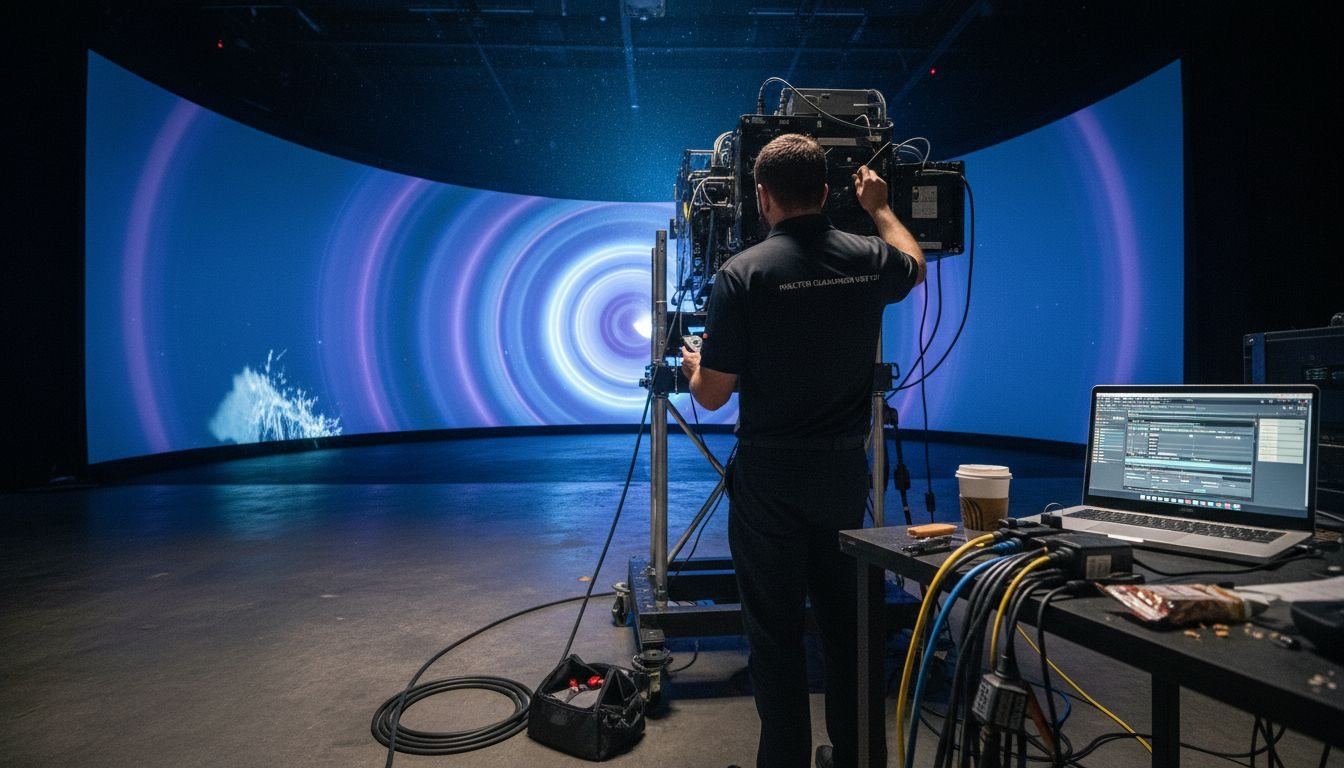
Scents represent perhaps the most underestimated sensory component of ride films, yet they anchor memories more powerfully than almost any other sense. When you smell tropical flowers during an aerial flight over Hawaiian gardens, your brain creates a multisensory memory that combines the visual beauty, the physical sensations of motion, and the olfactory experience. This is why people often remember scent details years after experiencing a ride film. Advanced ride films employ sensory effects including scent dispensers coordinated with film content that release aromas at precisely timed moments. At Flight of Aloha, when your virtual aircraft passes through a coffee farm region, you smell Kona coffee. When you soar over ocean spray, you experience salt air. These aren’t random ambient scents. They’re released in sync with specific visual moments to reinforce what you’re seeing and heighten emotional engagement. Additionally, wind effects simulate the sensation of movement through air, rain effects occasionally mist your face during storm sequences, and temperature variations create environmental realism. Together, these elements transform a seated experience into something that feels like genuine aerial exploration.
The coordination of all these sensory elements distinguishes premium ride film experiences from basic motion theater attractions. Lower-cost alternatives might offer motion seats without synchronized visuals, or basic visuals without motion or scent. Flight of Aloha integrates everything simultaneously. Your motion responds to visuals. Scents appear at narratively significant moments. Wind effects match the speed and direction of your virtual flight. Audio surrounds you with spatial clarity so sounds appear to come from above, behind, and beside you, not just from speakers in front. This comprehensive sensory integration explains why ride film visitors report feeling genuinely present in the Hawaiian landscapes, even though they never left the theater. Families with children as young as four can safely enjoy these experiences because the motion is designed to feel thrilling rather than nauseating, the sensory effects enhance rather than overwhelm, and the cultural storytelling respects young viewers’ ability to understand narratives. For cruise passengers seeking a shore excursion that delivers maximum impact in minimal time, this sensory richness means you experience more in 45 minutes than you might experience in hours of traditional sightseeing.
Below is a summary of key features in premium ride film experiences:
| Feature | How It Works | Impact on Audience |
|---|---|---|
| Synchronized Motion | Platforms move with on-screen action | Creates sense of presence |
| 8K Visuals | High clarity, wrap-around screens | Heightened visual immersion |
| Scents Integration | Timed aromas match scenes | Anchors multisensory memory |
| Spatial Audio | Surround sound placement | Realistic environment cues |
Pro tip: Sit toward the middle of the motion platform rather than the very back or front, as this position provides the most balanced sensory experience and optimal motion effects without feeling overly intense.
Ride Film Experiences at Flight of Aloha
Flight of Aloha stands apart as a Native Hawaiian-owned attraction that combines cutting-edge immersive technology with authentic cultural storytelling rooted in Hawaiian legends and history. Located inside King Kamehameha’s Kona Beach Hotel in Kailua-Kona, this venue offers multiple distinct ride film experiences designed for families, tourists, and cultural enthusiasts seeking something beyond typical entertainment attractions. The facility operates with a philosophy that technology should serve storytelling, not dominate it. Every sensory effect, from motion platform movements to scent releases, reinforces the narrative rather than existing for spectacle alone. This approach honors Hawaiian traditions while delivering the kind of jaw-dropping production values visitors expect from premium attractions. Whether you’re escaping a rainy day in Kona, seeking refuge from the heat and vog that occasionally affects the Big Island, or maximizing limited time during a cruise shore excursion from nearby Kailua Pier and Tender Dock, Flight of Aloha provides an experience that feels personal and culturally grounded rather than generic.
The attraction features signature ride films including the Legend of Naupaka and the History of Lahaina, each representing a different storytelling approach yet maintaining consistent technical excellence. The Naupaka experience emphasizes emotional cultural connection, walking you through a Hawaiian legend with pacing that allows for narrative depth and character development. The Lahaina experience blends historical events with scenic beauty, showcasing the transformation of this historic whaling town through dynamic visuals and environmental effects. Both experiences employ the same advanced motion platform technology, 8K visuals, spatial audio, wind effects, and scent integration. The difference lies in narrative intensity and thematic focus rather than technical quality. This means families can choose experiences aligned with their preferences without compromising on sensory immersion. The immersive journey narratives that combine travel perspectives with cinematic techniques create a sense of exploration that transforms passive viewing into active cultural participation. At Flight of Aloha, you’re not watching Hawaii from a safe distance. You’re soaring over it, breathing its aromas, feeling its wind, and connecting with stories that shaped the islands.
Flight of Aloha also offers specialized packages designed for different visitor needs. VIP experiences provide priority seating, extended pre-show cultural education, and exclusive access to premium viewing positions. Annual passes serve locals and repeat visitors who want ongoing engagement with cultural storytelling and seasonal updates to ride film content. Group packages accommodate tour operators and cruise lines seeking coordinated experiences for larger parties. The facility’s location within a hotel means visitors can easily combine their ride film experience with dining, shopping, or other hotel amenities without extensive transportation logistics. For cruise passengers with limited shore excursion time, this accessibility matters significantly. A quick tender boat ride from your ship deposits you at Kailua Pier, a short walk places you inside King Kamehameha’s Kona Beach Hotel, and 45 minutes later you’ve experienced world-class immersive entertainment that would cost significantly more in major theme park destinations. Compare this to helicopter tours priced around $400 that carry motion sickness risks and depend on weather conditions, and the value proposition becomes clear. Flight of Aloha delivers similar aerial perspectives and sensory intensity while maintaining comfort, affordability, and reliability.
The booking process accommodates both spontaneous visitors and advance planners. You can book your flight experience online to secure preferred time slots or simply walk up to the box office if schedules allow. Online booking guarantees seat availability and allows you to select specific experiences like the Naupaka film adventure or the step-by-step Lahaina experience. The website provides detailed descriptions of each ride film’s intensity level, cultural content, and sensory effects, helping families make informed choices. Children as young as four can participate in most experiences, though parents should review specific age recommendations for individual ride films to ensure comfort levels match content intensity. The facility maintains high safety standards while ensuring motion effects remain thrilling rather than nauseating. Staff members are trained in cultural protocol and can answer questions about Hawaiian history and legends referenced in the ride films, enriching understanding beyond the cinematic experience itself.
Pro tip: Book your preferred time slot online the night before your visit to guarantee availability, especially during peak vacation seasons, and arrive 15 minutes early to allow time for the mandatory safety briefing and to settle into your motion platform seat.
Comparing Ride Films to Traditional Attractions
Ride films represent a fundamental shift in how attractions engage audiences compared to traditional theme park experiences. Traditional roller coasters and physical rides rely on mechanical thrills, speed, and g-forces to create excitement. You’re strapped into a vehicle that accelerates, spins, and drops, generating adrenaline through pure physics. The storytelling exists around the ride rather than within it. Meanwhile, ride films use animated narratives and immersive storytelling that blend technology with media-driven content to maximize visitor engagement and emotional connection. At Flight of Aloha, you experience Hawaiian legends not through a pre-show movie then a disconnected coaster, but through synchronized sensory effects that make you feel present in the story itself. The motion beneath you reinforces narrative moments. Scents anchor you to specific locations mentioned in the legend. Wind simulates movement through space. This integration means your emotional response doesn’t come from the fear of falling but from the beauty of discovering a sacred Hawaiian place or the thrill of understanding a legendary character’s journey.
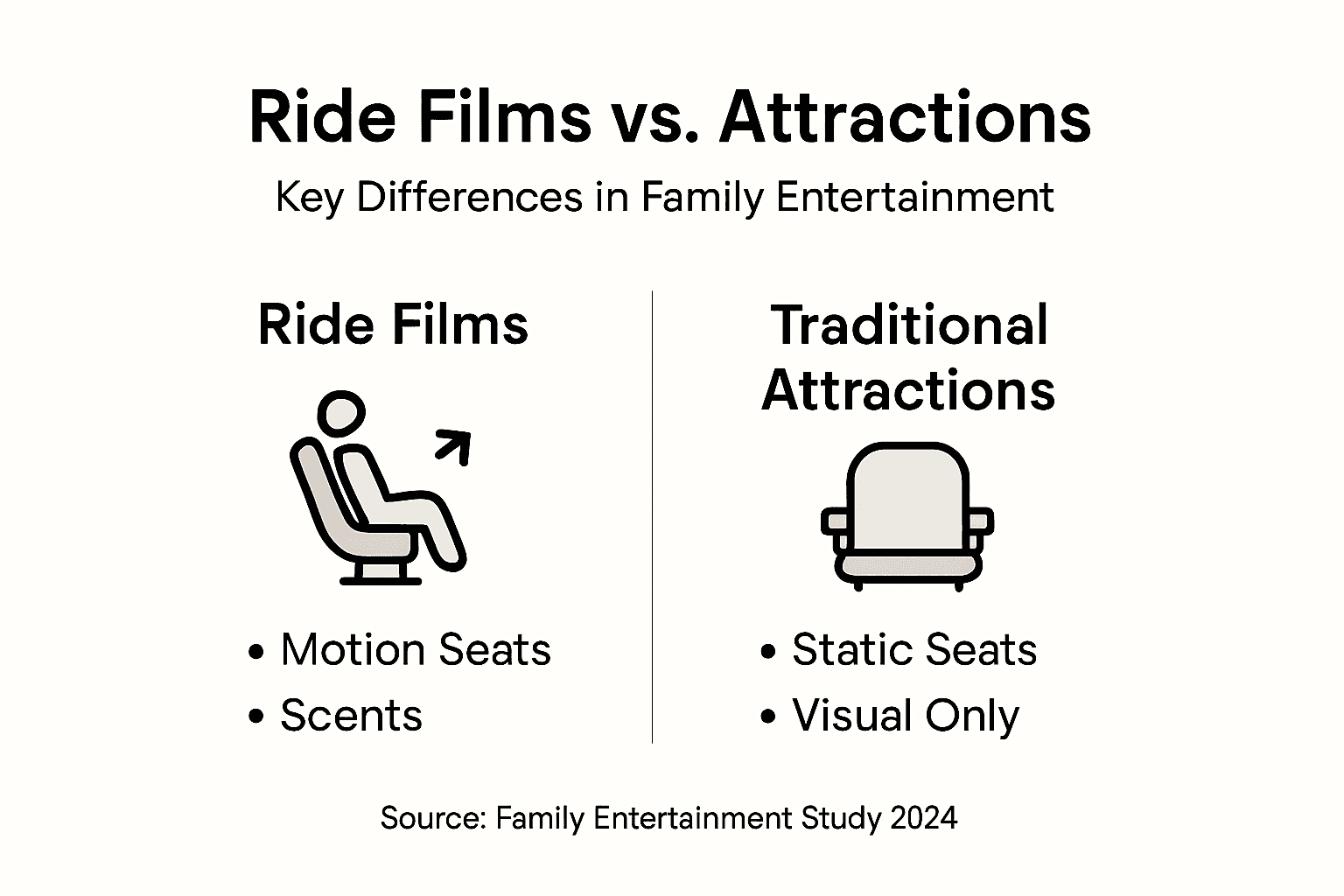
The practical differences between ride films and traditional attractions shape how families approach vacation planning. Traditional roller coasters terrify some riders while boring others. Height restrictions exclude younger children. Fear of motion sickness prevents some adults from enjoying them. Line management becomes intense during peak hours because the throughput is limited by mechanical loading and unloading times. Ride films eliminate most of these barriers. Children as young as four can enjoy them safely without fear of physical danger. Motion effects simulate thrills without generating actual g-forces or nausea risk. There are no height or physical ability restrictions beyond basic mobility to sit in the motion platform. The theater-style loading means groups can enter together rather than restricting party size. The experience lasts approximately 45 minutes, providing substantial entertainment value compared to a three-minute coaster ride. For cruise passengers, this matters enormously. A helicopter tour offers aerial views but costs $400 per person, takes 45 minutes, and carries motion sickness risks. A traditional theme park requires hours of travel from Kona. Ride films at Flight of Aloha deliver comparable sensory intensity and Hawaiian immersion in a walkable location at a fraction of the cost.
Another crucial distinction involves how cinematic techniques and sensory effects create interactive multisensory experiences compared to conventional rides that emphasize physical spectacle and linear storytelling. Traditional attractions are one-way experiences. You ride, you exit, you’re done. Ride films engage multiple processing systems simultaneously. Your visual cortex processes stunning 8K imagery. Your vestibular system responds to motion platform effects. Your olfactory system anchors memories to scents. Your auditory system locates sounds directionally around you. Your tactile system feels wind and temperature changes. This multisensory approach creates memories that feel more complete and emotionally resonant than single-sensory thrills. You don’t just remember screaming on a coaster. You remember the smell of Kona coffee as your aircraft descended past farms. You remember feeling wind on your face as you flew through canyons. You remember the pacing and emotional beats of a Hawaiian legend because the sensory environment reinforced the narrative rather than distracting from it. This is why ride film visitors often report feeling genuinely present in the experience rather than simply entertained by it.
When choosing between traditional attractions and ride films, consider what your family actually values. If pure adrenaline and speed matter most, traditional roller coasters deliver that. If you’re seeking memorable, emotionally resonant experiences that everyone can participate in safely, ride films excel. If you’re visiting Kailua-Kona on a rainy day, a ride film provides indoor entertainment you can’t get elsewhere. If you’re escaping heat and vog, our air-conditioned theater becomes attractive utility plus entertainment. If you have limited time during a cruise shore excursion, the walkability from Kailua Pier makes ride films efficient. If you want to connect with Hawaiian culture authentically, ride films offer that unique value. Many families actually combine experiences, enjoying both traditional attractions elsewhere and ride films during their Kona visit. What makes ride films distinctly valuable isn’t that they’re better than all other attractions but that they fill a different niche. They prioritize immersion, accessibility, and narrative engagement over physical thrills, creating experiences suited to diverse family compositions and vacation priorities.
Pro tip: If you’re torn between booking a helicopter tour or experiencing Flight of Aloha, choose the ride film first, since the cost is substantially lower and you’ll avoid motion sickness risk while still experiencing breathtaking Hawaiian vistas from an aerial perspective.
Discover the Ultimate Ride Film Experience at Flight of Aloha
If you are looking to transform your family entertainment into something truly immersive and culturally meaningful the challenge of finding an experience that combines breathtaking visuals with safe and accessible thrills ends here. Flight of Aloha solves the common pain points of traditional attractions by offering synchronized motion platforms, 8K wrap-around visuals, and carefully orchestrated scents and wind effects that bring Hawaiian legends vividly to life. This is not just a ride film it is an emotional journey designed for all ages that creates shared memories without the need for active interaction or physical strain.
Step into a world where every sensory detail is crafted to connect you deeply with Hawaii’s rich heritage and stunning landscapes. Whether you want to explore the poignant story of Naupaka or experience the dynamic history of Lahaina Flight of Aloha invites you to enjoy premium cultural storytelling within an air-conditioned theater just minutes from Kailua Pier. Don’t miss your chance to book this uniquely accessible and awe-inspiring adventure online today at Flight of Aloha. Plan your visit with detailed ride descriptions and secure your preferred experience by reserving ahead. Embrace a ride film experience that blends technology and tradition with aloha spirit.
Frequently Asked Questions
What is a ride film?
A ride film is an immersive cinematic experience that combines motion effects, spatial audio, scents, and synchronized movement to engage multiple senses and create a feeling of genuine presence within the story.
How do ride films differ from traditional movies?
Unlike traditional movies that are viewed passively in a theater, ride films use motion platforms and environmental effects to actively immerse viewers in the experience, making them feel as though they are part of the adventure.
What types of sensory effects are involved in ride films?
Ride films incorporate a variety of sensory effects including motion synchronization with visuals, 8K resolution for stunning clarity, scents that match scenes, and spatial audio that surrounds audiences, all designed to enhance the storytelling experience.
Are ride films suitable for all ages and mobility levels?
Yes, ride films are designed to be accessible to a wide range of audiences, accommodating families with children as young as four and individuals with varying mobility levels without the need for active decision-making or physical participation.
Recommended
- Lahaina Ride Explained: Immersive Hawaiian Experience | Flight Of Aloha
- Why Kids Love Flying Theaters: The Magic Explained | Flight Of Aloha
- Hawaiian Ride Themes Explained: Essential Guide | Flight Of Aloha
- Why Family Attractions Matter For Vacation Fun | Flight Of Aloha
- Fantasiereisen für Kinder gestalten und kreativ erzählen – Edory AI – Edukative Kindergeschichten