
Why Kids Love Flying Theaters: The Magic Explained
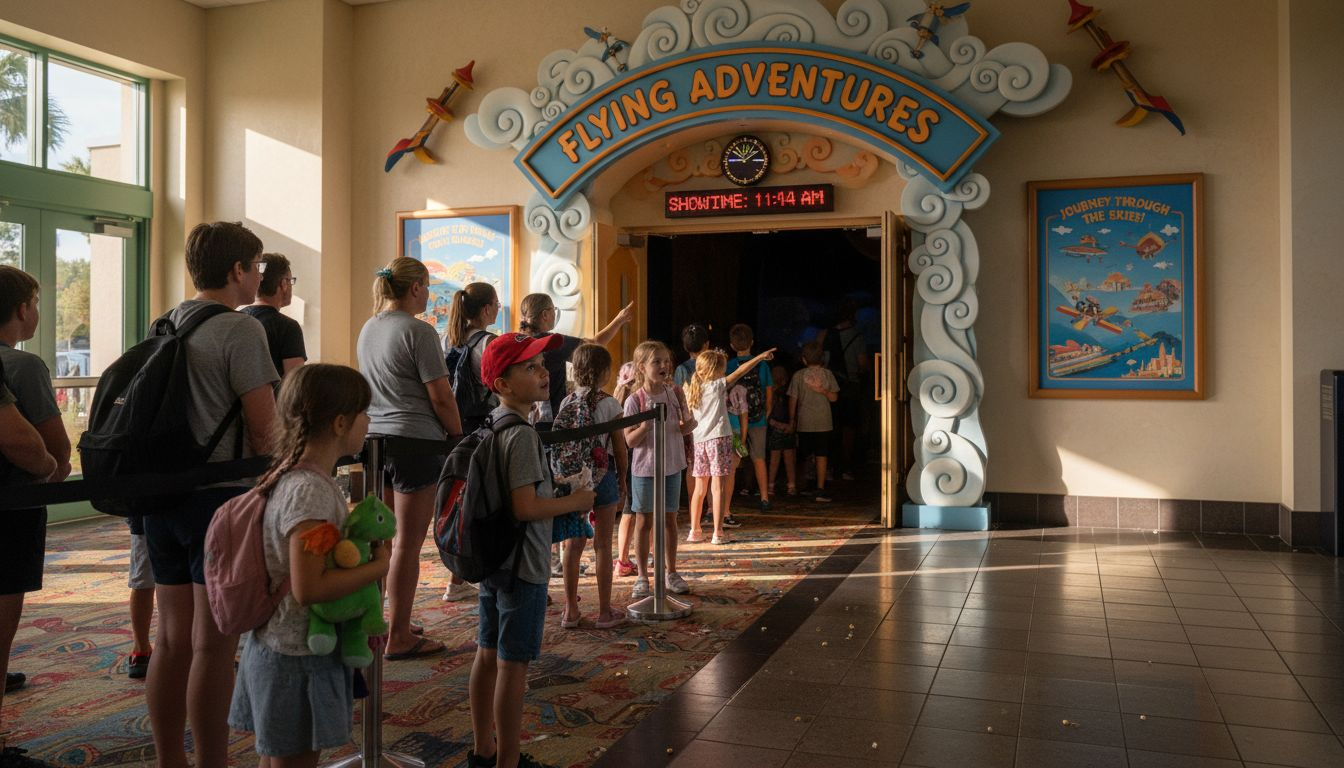
Over 80 percent of American families say vacations are better when their kids learn something new while having fun. Choosing the right activity in Hawaii can be a challenge, especially in Kailua-Kona where families want experiences that feel both exciting and deeply meaningful. Discover how innovative flying theater attractions blend the thrill of immersive technology with authentic Hawaiian storytelling, creating unforgettable adventures your whole family will talk about for years.
Table of Contents
- Flying Theater Experiences For Kids: What They Are
- Sensory Adventure: How Technology Delights Children
- Imagination, Learning, And Emotional Impact
- Cultural Storytelling And Unique Themes In Hawaii
- Comparing Flying Theaters To Other Family Rides
- Safety, Accessibility, And Practical Tips For Families
Key Takeaways
| Point | Details |
|---|---|
| Immersive Experience | Flying theaters transform traditional viewing into multi-sensory adventures that engage children. |
| Emotional and Cognitive Development | These attractions foster imagination and emotional intelligence, enhancing children’s learning experiences. |
| Cultural Education | Hawaiian flying theaters provide cultural storytelling that deepens understanding of local heritage. |
| Safety and Accessibility | Ensure to review accessibility features and age/height restrictions before visiting flying theaters. |
Flying Theater Experiences for Kids: What They Are
Flying theaters represent an extraordinary immersive entertainment technology that transforms traditional viewing experiences into interactive adventures. First developed by Disney in 2001, these innovative attractions combine sophisticated motion systems with panoramic screens to create the thrilling illusion of flight.
At their core, flying theaters use synchronized seating movements paired with high-definition visual projections, creating a multi-sensory experience that makes children feel like they are genuinely soaring through landscapes. The technology involves suspended or platform-based systems that move in coordination with expansive screens, allowing guests to experience simulated flight with incredible realism. Specialized theaters feature massive screens measuring up to 80 feet wide, surrounding viewers in breathtaking imagery and creating an unparalleled sense of movement.
These experiences typically involve large motion platforms that tilt, rise, and move in sync with on-screen visuals, complete with wind effects, ambient sounds, and sometimes even scent technologies. For children, this means transforming a simple movie-watching experience into an extraordinary adventure where they feel like they’re actually flying over stunning landscapes, exploring new worlds, and experiencing incredible journeys without leaving their seats.
Pro tip: Always check age and height requirements before booking a flying theater experience to ensure your children will be comfortable and safely accommodated.
Sensory Adventure: How Technology Delights Children
Modern flying theater technology has revolutionized children’s entertainment by creating immersive experiences that engage multiple senses simultaneously. Advanced motion platform technologies transform passive viewing into an interactive journey that captivates young imaginations.
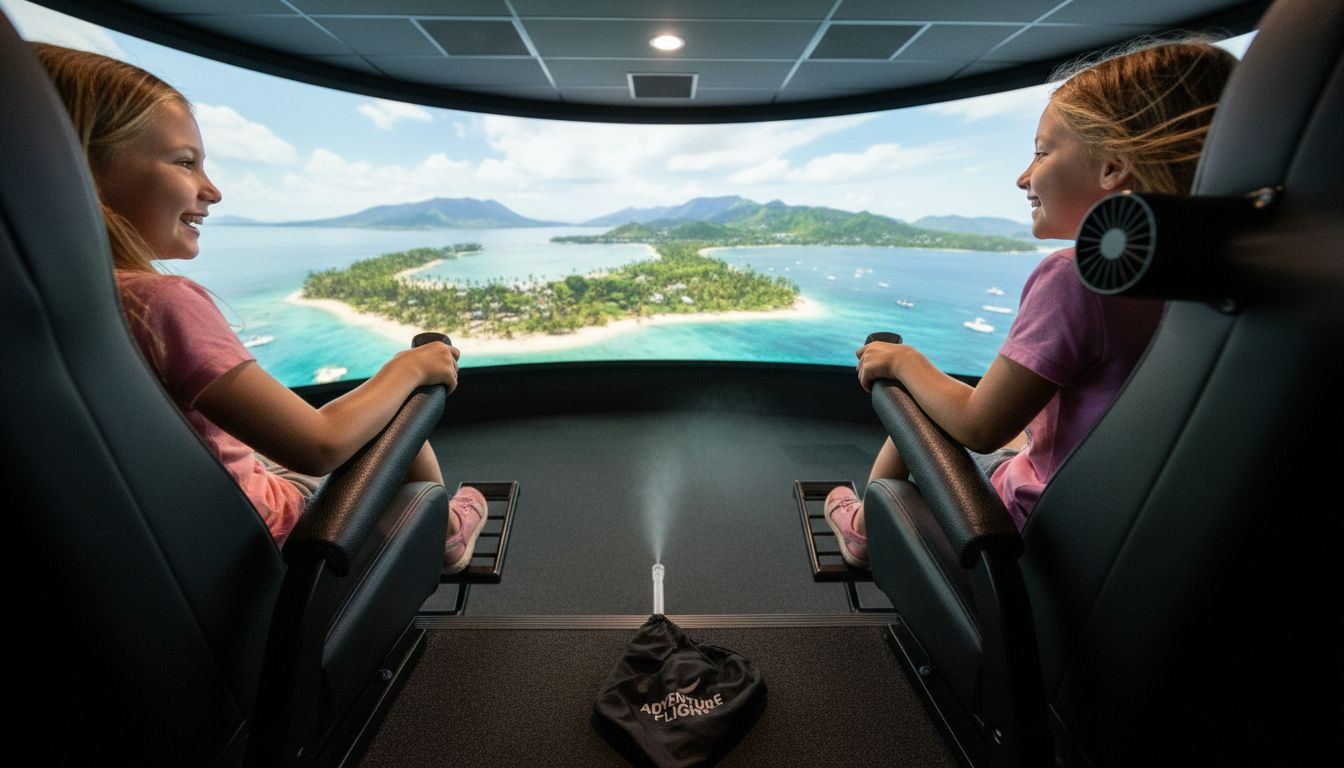
The magic happens through sophisticated six-degree-of-freedom (6DOF) motion systems that precisely synchronize seat movements with on-screen visuals. These platforms can tilt, rise, and simulate realistic flight sensations, while additional sensory effects like wind, mist, and carefully crafted scents create an extraordinarily immersive environment. Children literally feel like they are flying, with environmental feedback that stimulates their visual, auditory, and tactile senses in a way traditional entertainment cannot match.
What makes these experiences truly special is how they transform learning and exploration into pure excitement. By combining high-definition projection systems with multi-sensory effects, flying theaters can transport children to different worlds, historical moments, or natural landscapes with unprecedented realism. Whether soaring over Hawaiian valleys, exploring underwater ecosystems, or experiencing historical journeys, these attractions turn education into an thrilling adventure that sparks curiosity and wonder.
Pro tip: Select flying theater experiences that offer age-appropriate content to ensure maximum engagement and comfort for your children.
Imagination, Learning, and Emotional Impact
Flying theaters are more than just entertainment – they are powerful tools for emotional and cognitive development. Immersive storytelling technologies create profound experiences that nurture children’s imagination and emotional intelligence in ways traditional media cannot match.
These extraordinary experiences tap into children’s natural curiosity by transforming learning into an adventure. Imagination plays a critical role in developing problem-solving skills, emotional resilience, and cognitive flexibility. By presenting complex narratives through sensory-rich environments, flying theaters help children explore challenging concepts, historical moments, and diverse perspectives in a deeply engaging manner.
The emotional impact of these experiences extends far beyond simple entertainment. Children develop empathy by virtually experiencing different worlds, cultures, and perspectives. The multisensory nature of flying theaters allows young minds to process information more deeply, creating lasting memories that spark curiosity and inspire future learning. Whether soaring over breathtaking landscapes or diving into historical narratives, these experiences help children understand the world in more nuanced and compassionate ways.
Pro tip: Discuss the experience with your children after the ride, asking open-ended questions to help them process and reflect on what they’ve learned.
Cultural Storytelling and Unique Themes in Hawaii
Hawaiian flying theaters represent a revolutionary approach to cultural education, transforming traditional storytelling into an immersive, multisensory experience. Flight of Aloha’s innovative attraction brings Hawaiian legends and history to life through cutting-edge 8K visuals and atmospheric storytelling that captivates audiences of all ages.
The attraction’s unique film experiences, such as “Lāhainā” and “Naupaka,” are more than simple entertainment. These carefully crafted narratives dive deep into Hawaiian cultural heritage, presenting complex historical moments and traditional legends through an engaging, accessible medium. By using 4D motion seats and giant dome screens, the experience allows visitors to not just observe, but to feel and empathize with the stories of Hawaii, creating a profound connection to the islands’ rich cultural tapestry.
What sets these cultural storytelling experiences apart is their commitment to authenticity and emotional depth. Instead of presenting a superficial tourism experience, the flying theater invites visitors to understand Hawaiian culture through immersive narratives that respect and celebrate the islands’ complex history. Children and adults alike are transported beyond passive observation, becoming active participants in a journey of cultural discovery that challenges traditional boundaries between education, entertainment, and emotional connection.
Pro tip: Research the specific cultural stories behind each flying theater film beforehand to enhance your understanding and appreciation of the experience.
Comparing Flying Theaters to Other Family Rides
Unlike traditional family attractions, flying theaters offer a uniquely immersive experience that transcends typical ride formats. Family entertainment technologies have evolved dramatically, with flying theaters representing a groundbreaking approach to storytelling and sensory engagement that sets them apart from conventional rides.
Whereas traditional theme park attractions like roller coasters focus on physical thrills and dark rides emphasize narrative progression, flying theaters create a holistic experience that combines emotional storytelling with technological innovation. The synchronized motion platforms, high-definition visual projections, and multi-sensory effects allow families to experience breathtaking journeys without the physical risks associated with more intense ride formats. Children can soar over landscapes, explore historical moments, and engage with cultural narratives in a safe, controlled environment that stimulates imagination and curiosity.
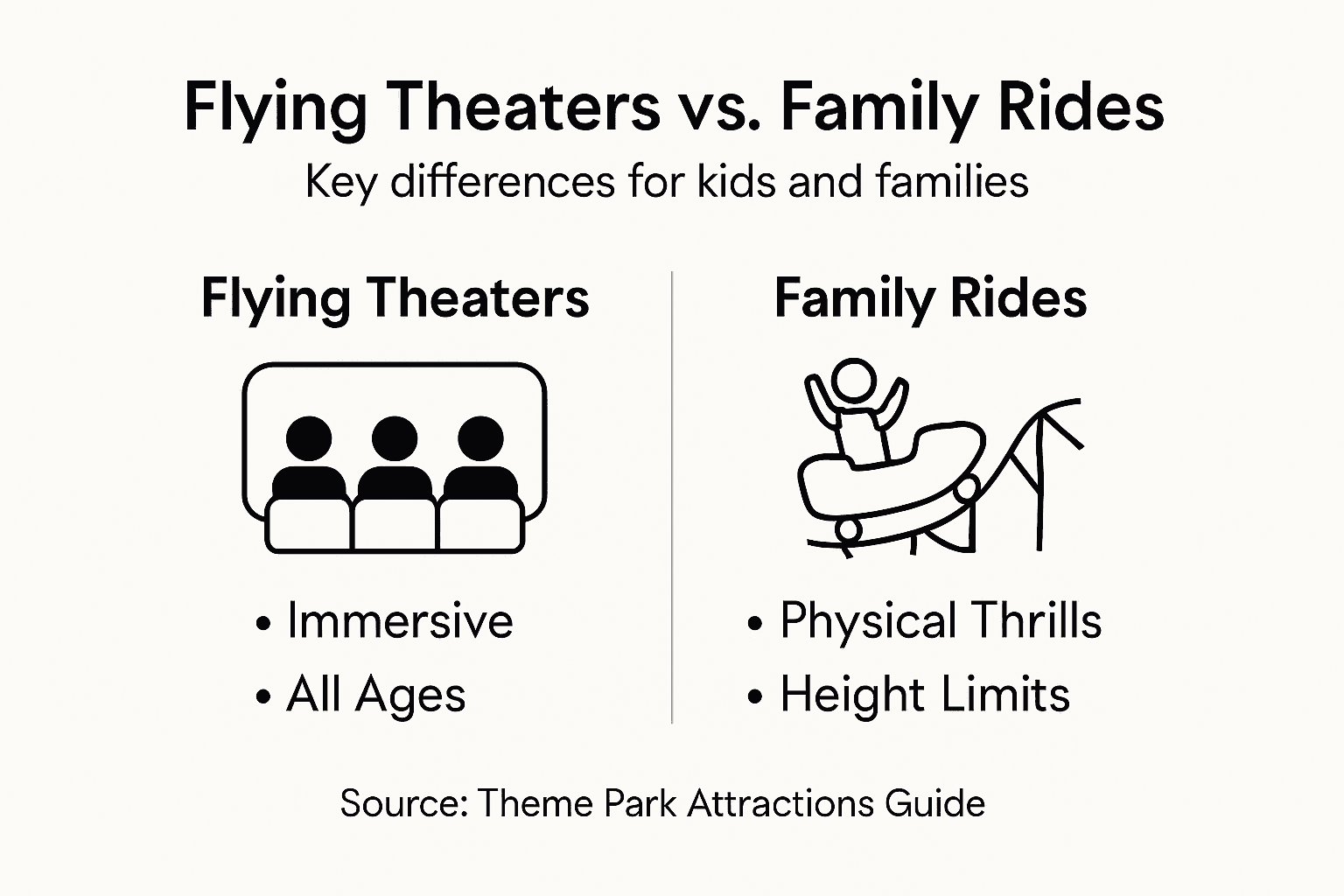
The key differentiator for flying theaters is their universal appeal across age groups. Unlike height-restricted roller coasters or complex interactive experiences that might overwhelm younger children, flying theaters provide an inclusive adventure that can be enjoyed by entire families. The combination of gentle motion, stunning visuals, and engaging narratives creates an experience that transforms passive observation into active participation, making them a more interactive and emotionally resonant alternative to traditional amusement park attractions.
Here’s a concise comparison of flying theaters and other popular family attractions:
| Feature | Flying Theater Experience | Roller Coaster | Dark Ride |
|---|---|---|---|
| Type of Engagement | Multi-sensory, immersive | Physical thrill | Story-based, visual |
| Age Accessibility | Suitable for all ages | Often restricted | Varies by theme |
| Safety Considerations | Low physical risk | Height/health limits | Typically safe, low risk |
| Educational Value | High, offers learning moments | Minimal | Moderate, themed stories |
Pro tip: Compare the age recommendations and motion intensity across different family attractions to find the most suitable experience for your children’s comfort level.
Safety, Accessibility, and Practical Tips for Families
Flying theaters offer an inclusive entertainment experience that prioritizes safety and comfort for families of all abilities. Accessible travel strategies are crucial for ensuring every family member can enjoy the attraction without unnecessary stress or complications.
Prior to visiting, families should carefully review specific accessibility features. This includes confirming wheelchair accessibility, understanding motion intensity levels, and checking height and age restrictions. Many flying theaters provide detailed pre-visit information to help families prepare, such as sensory sensitivity warnings, precise motion descriptions, and recommendations for children with specific physical or neurological conditions. Understanding these details in advance allows parents to make informed decisions about whether the experience will be suitable for their children.
The most important considerations involve matching the attraction’s characteristics with individual family needs. Some flying theaters offer specialized accommodations like reduced motion settings, noise-canceling headphones, or designated quieter viewing areas for children with sensory processing challenges. Parents should not hesitate to contact attraction staff directly to discuss specific requirements, as most modern entertainment venues are committed to creating welcoming experiences for diverse audiences.
Below is a summary of key safety and accessibility tips for families visiting flying theaters:
| Consideration | Why It Matters | How to Prepare |
|---|---|---|
| Height/Age Restrictions | Ensures safe participation | Check before booking |
| Sensory Environment | Comfort for sensitive children | Request noise-canceling devices |
| Wheelchair Access | Inclusion for all abilities | Confirm ramps/elevator access |
| Staff Communication | Personalized accommodation | Contact venue in advance |
Pro tip: Contact the attraction directly before your visit to discuss any specific accessibility needs or concerns for your family members.
Discover Why Kids Love Flying Theaters With Flight of Aloha
The article reveals how flying theaters captivate children by combining multi-sensory technology with immersive storytelling to spark imagination and emotional connection. Many families face the challenge of finding entertainment that is both thrilling and educational while accommodating different ages and sensory needs. Flight of Aloha solves this perfectly by offering a unique Hawaiian flying theater experience that blends 8K visuals, synchronized motion, wind, and scents to simulate soaring over the islands. With cultural storytelling deeply rooted in Hawaiian legends like “Naupaka” and “Lahaina,” kids and adults alike enjoy an adventure that entertains, educates, and inspires empathy.
Experience the magic firsthand and see how Flight of Aloha transforms traditional rides into unforgettable journeys filled with wonder and aloha spirit.

Ready to create lasting memories with your family through an immersive flying theater experience? Visit the Flight of Aloha official site to explore ride films, book your tickets, and learn more about our VIP packages and annual passes that make every visit special. Don’t miss this opportunity to introduce your children to a world where technology meets cultural storytelling right in Kailua-Kona. Check out our detailed descriptions and start planning your visit today at Flight of Aloha.
Frequently Asked Questions
What are flying theaters?
Flying theaters are immersive entertainment experiences that combine motion seating with high-definition visual projections, creating the sensation of flight.
How do flying theaters engage children’s senses?
Flying theaters utilize synchronized seat movements, environmental effects like wind and mist, and immersive visuals to stimulate children’s visual, auditory, and tactile senses, making them feel like they are soaring through different landscapes.
Are flying theater experiences safe for kids?
Yes, flying theaters are designed with safety in mind, offering low physical risk and typically having age and height restrictions to ensure a safe experience for all participants.
What educational value do flying theaters provide for children?
Flying theaters transform learning into an adventure by immersing children in complex narratives and environments, promoting curiosity, empathy, and a deeper understanding of different cultures and historical moments.