
Benefits of Sensory Attractions: Why They Enhance Visitor Emotion

Over 85 percent of American visitors say that multisensory attractions give them more vivid and lasting memories than traditional venues. As expectations for interactive and personalized experiences grow, many American travelers are seeking venues that spark genuine emotional responses. Uncover how sensory attractions are reshaping the way people connect with destinations by engaging sight, sound, and even scent to create moments that truly linger.
Table of Contents
- Why Sensory Attractions Matter
- How Multisensory Experiences Enhance Emotion
- Cultural Storytelling Through Sensory Design
- Therapeutic And Wellness Benefits
- Practical Design And Visitor Comfort Factors
Key Takeaways
| Point | Details |
|---|---|
| Importance of Sensory Engagement | Sensory attractions enhance visitor experiences by incorporating multiple sensory elements, leading to deeper emotional connections and memorable encounters. |
| Neurological Synchronization | Engaging multiple senses simultaneously allows for more comprehensive emotional responses, creating more authentic and memorable experiences. |
| Cultural Storytelling Enhancement | Multisensory design transforms cultural narratives into immersive experiences, fostering active engagement and deeper understanding. |
| Visitor Comfort Considerations | Thoughtful design that balances sensory stimuli ensures visitor comfort, allowing for enjoyable and inclusive engagement in multisensory environments. |
Why sensory attractions matter
Sensory attractions represent a revolutionary approach to engaging visitors, transforming passive experiences into immersive journeys that connect deeply with human perception. By strategically incorporating multiple sensory elements, these experiences tap into our fundamental neurological responses, creating memories that extend far beyond traditional tourism encounters. Interactive tourism strategies demonstrate how engaging multiple senses can dramatically enhance emotional connection and retention.
Research confirms that environmental design profoundly impacts human emotional states. Scientists have discovered that sensory properties like color, light, sound, and smell can significantly influence psychological responses. Multisensory interior design research reveals how carefully crafted environments can transform visitor experiences from mere observation to deep emotional engagement.
The power of sensory attractions lies in their ability to create immersive storytelling environments. By stimulating multiple sensory pathways simultaneously, these experiences can transport visitors into rich, memorable narratives. Whether it’s wind simulation, carefully curated scents, or high-resolution visual landscapes, each sensory element works together to create a holistic experience that resonates on a profound emotional level. Public spaces that incorporate such multisensory design have been shown to increase community engagement and provide more therapeutic, relaxing environments.
Pro Tip: Sensory Experience Selection: When choosing a sensory attraction, prioritize experiences that engage at least three of your primary senses for maximum emotional impact and memorable engagement.
Here’s a summary of how different senses contribute to multisensory visitor attractions:
| Sense Engaged | Example Activation | Emotional Impact | Common Applications |
|---|---|---|---|
| Visual | High-resolution projections | Awe, excitement | Light shows, VR landscapes |
| Auditory | Thematic soundscapes | Immersion, tranquility | Music, environmental sounds |
| Olfactory | Curated scents | Nostalgia, relaxation | Scented rooms, aroma zones |
| Tactile | Wind, temperature, touch | Engagement, relaxation | Wind tunnels, textured walls |
| Gustatory | Cultural tastings | Curiosity, pleasure | Food sampling, drink tasting |
How multisensory experiences enhance emotion
Multisensory experiences represent a sophisticated approach to emotional engagement, leveraging complex neurological processes to create profound psychological responses. Emotional multisensory integration research reveals that our brain processes emotional cues from multiple sensory channels simultaneously, creating a rich, integrated perception that transcends individual sensory inputs.
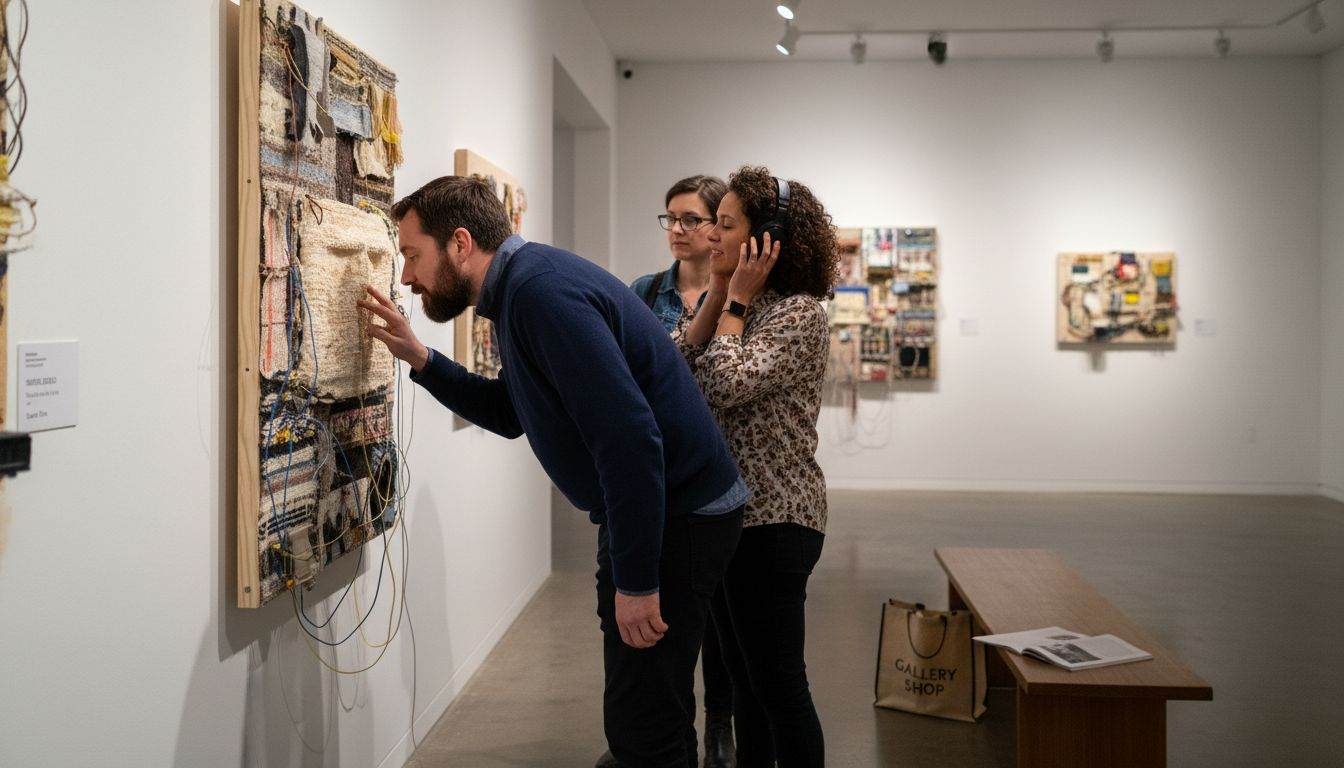
The scientific mechanism behind emotional enhancement through multisensory experiences involves intricate neural networks that synthesize information from different sensory modalities. When visual, auditory, olfactory, and tactile stimuli are carefully coordinated, they trigger more comprehensive emotional responses than single-sense experiences. This neurological synchronization allows visitors to experience deeper, more nuanced emotional landscapes that feel more authentic and memorable.
These experiences work by creating emotional resonance through carefully designed sensory interactions. For instance, a wind simulation combined with specific soundscapes and visual imagery can transport individuals into an emotional journey that feels remarkably immersive. By engaging multiple sensory pathways, attractions can evoke complex emotional states like wonder, nostalgia, excitement, and tranquility with unprecedented depth and authenticity. Location-based attraction techniques demonstrate how strategic sensory design can transform passive observation into active emotional participation.
Pro Tip: Emotional Sensory Mapping: When designing or experiencing multisensory attractions, consciously pay attention to how different sensory elements interact and build emotional complexity, allowing yourself to fully immerse in the holistic experience.
Cultural storytelling through sensory design
Cultural storytelling has evolved beyond traditional narrative methods, leveraging multisensory design to create immersive experiences that communicate complex cultural narratives. Cultural perception research demonstrates how exposure to cultural experiences can profoundly shape emotional understanding and perception, transforming passive learning into active engagement.
Multisensory learning models provide powerful tools for communicating cultural stories with unprecedented depth and emotional resonance. By integrating visual, auditory, and tactile elements, these experiences can recreate historical contexts and cultural nuances that traditional methods often fail to capture. Multisensory learning interventions reveal that combining multiple sensory inputs not only enhances understanding but also reduces psychological barriers like anxiety, creating a more welcoming environment for cultural exploration.
The art of cultural storytelling through sensory design relies on precise sensory orchestration. Each sensory element becomes a narrative instrument, carefully curated to evoke specific emotional responses and cultural insights. From wind simulations that mimic traditional environments to carefully crafted soundscapes that reproduce historical atmospheres, these experiences transform storytelling from a linear narrative to a holistic, immersive journey. Interactive tourism strategies demonstrate how technology can be seamlessly integrated to amplify cultural storytelling without losing authenticity.
Pro Tip: Cultural Sensory Immersion: When experiencing a cultural attraction, consciously engage with each sensory element as a storytelling component, allowing yourself to move beyond observation and into a deeper, more empathetic understanding of the culture being presented.
Therapeutic and wellness benefits
Multisensory experiences have emerged as powerful therapeutic tools, offering profound benefits for mental and emotional well-being. Multisensory stimulation research demonstrates remarkable potential in addressing cognitive challenges, showing significant reductions in symptoms like agitation and depression, particularly among older adults with cognitive impairments.
Beyond clinical applications, sensory experiences can fundamentally transform emotional landscapes. Awe-inducing sensory experiences reveal that intentional engagement with sensory stimuli can dramatically improve psychological states, helping individuals broaden their sense of connectedness and cultivate deeper happiness. These experiences work by interrupting negative mental patterns and redirecting attention toward immersive, positive sensory interactions.
The neurological reset provided by multisensory attractions goes beyond simple entertainment. By carefully designing experiences that engage multiple sensory pathways, these attractions can trigger profound psychological shifts. Location-based attraction techniques demonstrate how strategically crafted environments can create therapeutic interventions that feel natural, engaging, and profoundly healing. Wind simulations, precise soundscapes, and immersive visual narratives can help individuals process emotions, reduce stress, and reconnect with positive psychological states.
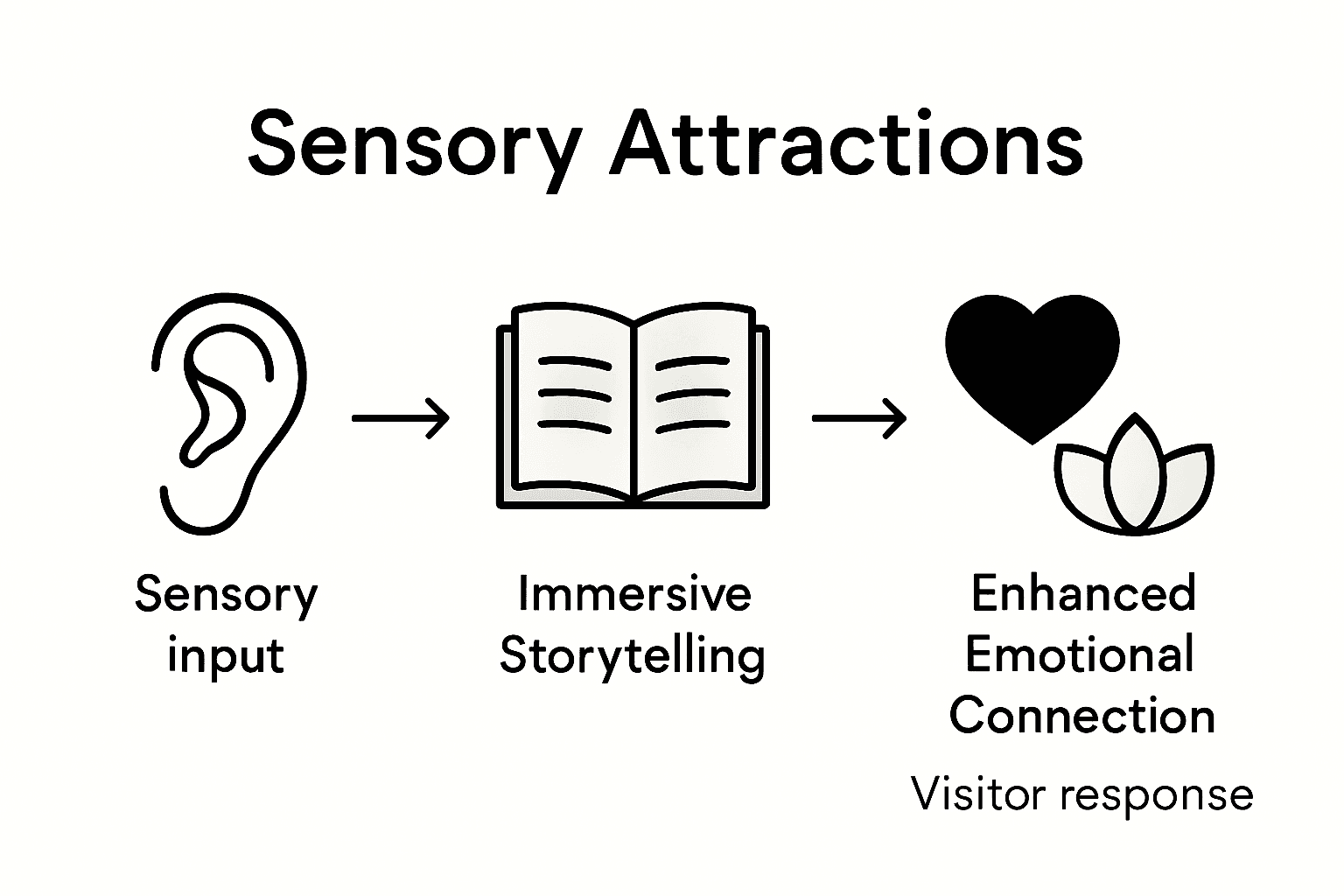
Pro Tip: Sensory Wellness Exploration: Approach multisensory experiences with intentional mindfulness, allowing yourself to fully absorb each sensory element and notice how different stimuli impact your emotional and mental state.
Compare key benefits of multisensory attractions across cultural, emotional, and wellness dimensions:
| Aspect | Cultural Storytelling | Emotional Resonance | Wellness & Therapy |
|---|---|---|---|
| Main Focus | Authentic cultural immersion | Deep psychological impact | Stress relief, healing |
| Typical Senses | Visual, auditory, tactile | Multisensory integration | Calming multisensory setup |
| Intended Outcome | Greater understanding | Stronger memories | Improved mood, reduced anxiety |
Practical design and visitor comfort factors
Creating exceptional sensory attractions requires meticulous attention to visitor comfort and design principles that seamlessly integrate technological innovation with human experience. Multisensory public space research demonstrates that strategic design elements like color coordination, material selection, and soundscapes can dramatically enhance visitors’ willingness to engage with and enjoy immersive environments.
The core of visitor comfort lies in thoughtful sensory calibration. Multisensory learning approaches reveal that effective experiences must balance stimulation intensity, ensuring that sensory inputs are engaging without becoming overwhelming. This involves carefully modulating elements like wind simulation, sound volume, visual brightness, and environmental temperature to create a harmonious, inclusive experience that accommodates diverse visitor sensitivities.
Interactive tourism strategies highlight the importance of flexibility in sensory design. Practical considerations include providing adjustable experiences, clear safety instructions, and alternative engagement options for visitors with specific sensory sensitivities. Key design factors include ergonomic seating, clear sight lines, comfortable temperature ranges, and intuitive navigation that allows visitors to control their level of sensory immersion without feeling disoriented or anxious.
Pro Tip: Sensory Comfort Assessment: Before fully immersing yourself in a multisensory attraction, take a moment to understand the experience’s sensory parameters and identify any potential comfort adjustments that might enhance your personal enjoyment.
Discover How Sensory Attractions Like Flight of Aloha Deeply Engage Your Emotions
The article highlights how sensory attractions elevate visitor experiences by engaging multiple senses to create emotional resonance and lasting memories. If you are looking to transform your tourism or entertainment visit into an immersive adventure that blends stunning visuals, evocative scents, motion, and wind simulation then Flight of Aloha offers exactly that. Rooted in the rich cultural storytelling of Hawaii, this immersive flying theater attraction uses 8K visuals and coordinated sensory design to stimulate visual, auditory, olfactory, and tactile senses for a truly transformative experience.
Experience firsthand how the principles of multisensory emotional integration come alive in our attraction. Whether you want to enjoy breathtaking Hawaiian landscapes or deepen your cultural understanding through soaring cinematic adventures Flight of Aloha creates an emotional connection that lingers long after the ride. See why visitors say it feels like if a helicopter tour and a Disney ride had a baby rooted in aloha.
Start your sensory journey today by visiting Flight of Aloha and explore our immersive ride films including ‘Naupaka’ and ‘Lahaina’.

Don’t miss this chance to engage your senses and emotions on a new level. Book your tickets now to enjoy VIP packages, annual passes, and exclusive experiences designed for families, tourists, and groups. Enhance your next trip to Kailua-Kona with a multisensory attraction that truly brings Hawaiian culture and nature to life.
Frequently Asked Questions
What are sensory attractions?
Sensory attractions are immersive experiences designed to engage multiple senses, such as sight, sound, touch, taste, and smell. They aim to create memorable journeys that connect deeply with visitors on an emotional level.
How do multisensory experiences enhance emotional engagement?
Multisensory experiences enhance emotional engagement by synchronizing various sensory inputs, which creates more comprehensive emotional responses. This integration allows visitors to experience deeper, more nuanced feelings, resulting in a more authentic and memorable visit.
What types of senses should be engaged in sensory attractions for maximum impact?
To maximize emotional impact, it’s recommended to engage at least three primary senses. Common combinations include visual elements alongside auditory and olfactory stimuli, which work together to create a holistic and immersive experience.
What are the therapeutic benefits of sensory attractions?
Sensory attractions can offer therapeutic benefits by reducing symptoms of anxiety, depression, and agitation. Carefully designed multisensory experiences can help individuals connect with positive emotions and improve overall mental well-being.
Recommended
- What Makes A Unique Attraction: Complete Guide | Flight Of Aloha
- Why Family Attractions Matter For Vacation Fun | Flight Of Aloha
- Complete Guide To Why Choose Indoor Attractions | Flight Of Aloha
- What Is A Location-Based Attraction? Complete Guide | Flight Of Aloha
- Role of Music in German Festivals – Elevating Cultural Events
- What is Perspective in Photography? Understanding Its Impact – Amateur Photographer Guide