
Themed entertainment in Hawaii: cultural experiences
{
“@type”: “Article”,
“image”: {
“url”: “https://csuxjmfbwmkxiegfpljm.supabase.co/storage/v1/object/public/blog-images/organization-5115/1773016972469_image.png”,
“@type”: “ImageObject”,
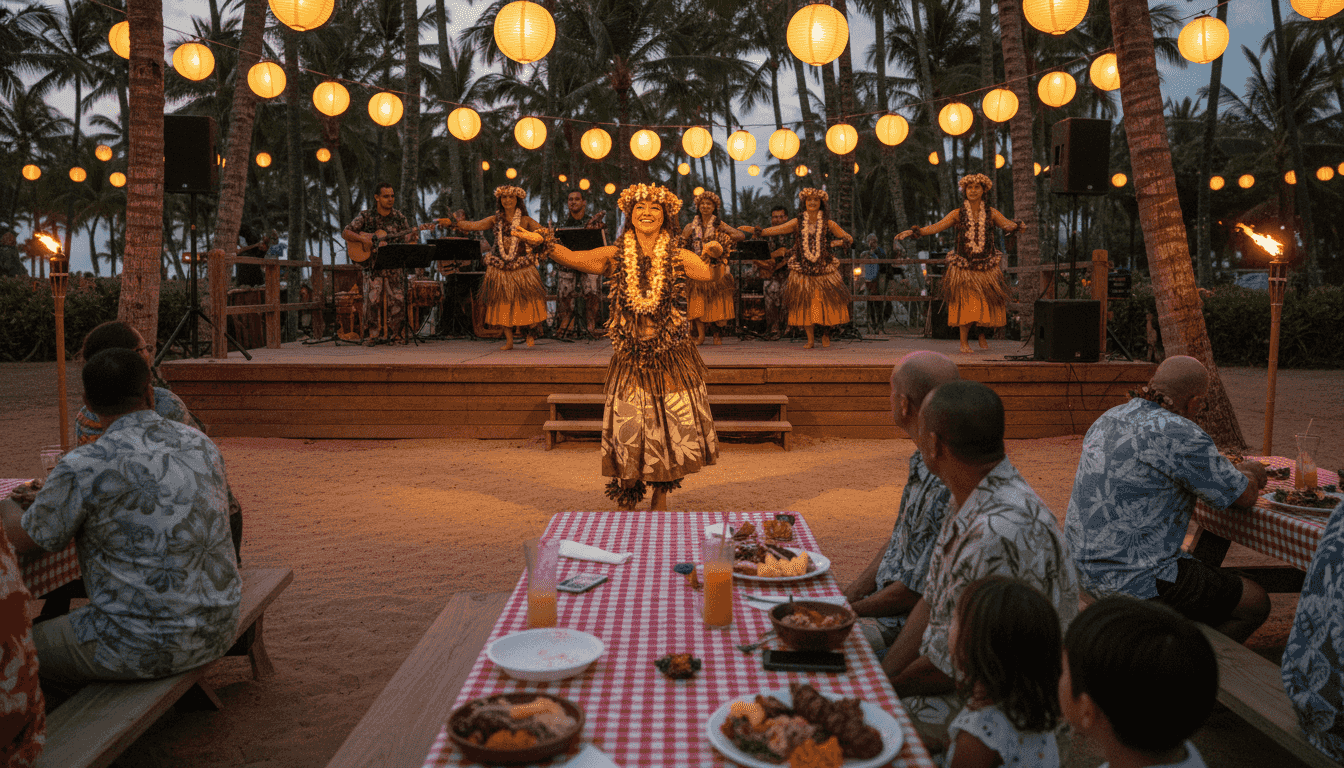
“caption”: “Hawaiian dancers performing outdoor luau at night”
},
“author”: {
“url”: “https://flightofaloha.com”,
“name”: “Flightofaloha”,
“@type”: “Organization”
},
“@context”: “http://schema.org”,
“headline”: “Themed entertainment in Hawaii: cultural experiences”,
“publisher”: {
“url”: “https://flightofaloha.com”,
“name”: “Flightofaloha”,
“@type”: “Organization”
},
“inLanguage”: “en-US”,
“articleBody”: “Discover how themed entertainment in Hawaii combines cultural storytelling, immersive technology, and family-friendly experiences to create unforgettable island adventures.”,
“description”: “Discover how themed entertainment in Hawaii combines cultural storytelling, immersive technology, and family-friendly experiences to create unforgettable island adventures.”,
“datePublished”: “2026-03-09T00:42:59.388Z”
}
Themed entertainment isn’t just rides and roller coasters. This global industry generates over $66 billion annually, blending storytelling with cutting-edge technology to create memorable experiences. In Hawaii, themed attractions offer visitors immersive cultural journeys that combine Hawaiian legends, sensory effects, and family-friendly adventure. This guide explains what themed entertainment really means and how it transforms your island visit into something unforgettable.
Table of Contents
- Understanding Themed Entertainment: Definition And Components
- Role Of Cultural Storytelling In Themed Entertainment
- Immersive Technology And Sensory Experiences
- Family-Friendly Aspects And Flying Theaters In Hawaii
- Common Misconceptions About Themed Entertainment
- Themed Entertainment’s Role In Hawaii Tourism
- Case Study: Flight Of Aloha
- Experience Themed Entertainment With Flight Of Aloha
- Frequently Asked Questions
Key takeaways
| Point | Details |
|---|---|
| Definition and scope | Themed entertainment combines narrative storytelling, immersive technology, and sensory design to create engaging multi-dimensional experiences. |
| Cultural integration | Hawaiian legends and authentic cultural narratives boost visitor engagement by 40-60% while providing educational value. |
| Technology’s role | Multi-sensory elements like 8K visuals, motion seats, scents, and wind effects increase emotional connection and memory retention. |
| Family appeal | Flying theaters offer safe thrills suitable for all ages, with family groups representing over 60% of attendees. |
| Common myths | Most visitors prioritize cultural storytelling over pure thrills, with 58% valuing narrative experiences above physical effects. |
Understanding themed entertainment: definition and components
Themed entertainment creates environments where visitors become part of a story rather than passive observers. This industry sector combines narrative design with physical spaces and technology to build complete sensory worlds. Unlike traditional museums or static displays, these attractions engage multiple senses simultaneously.
The core components work together seamlessly. Narrative themes provide the foundation, giving every element purpose and meaning. Immersive technology brings stories to life through visual projections, motion simulation, and synchronized effects. Sensory stimuli complete the experience with carefully designed scents, sounds, and physical sensations like wind or temperature changes.
This approach transforms entertainment into something deeper. The themed entertainment industry’s global revenue reflects growing demand for meaningful experiences that educate while entertaining. Hawaii themed entertainment specifically leverages the islands’ rich cultural heritage to create unique attractions.
Key elements include:
- Storytelling frameworks that guide visitor journeys from beginning to end
- Environmental design that supports narrative themes through architecture and landscaping
- Technology integration including projection systems, audio design, and motion platforms
- Sensory layers adding smell, touch, and atmospheric effects
Pro Tip: The best themed entertainment feels effortless because technology serves the story rather than overshadowing it.
Role of cultural storytelling in themed entertainment
Authentic cultural narratives create emotional resonance that generic themes cannot match. When attractions root themselves in real traditions and legends, visitors form deeper connections with both the experience and the culture it represents. Hawaiian stories passed down through generations offer particularly rich material for themed entertainment.
Cultural storytelling boosts guest engagement significantly, with research showing 40-60% increases when authentic narratives anchor experiences. This approach transforms entertainment into education, giving families meaningful talking points long after their visit ends. Children remember Hawaiian legends about volcanic goddesses or separated lovers more vividly than generic adventure plots.
Integrated design elements reinforce these stories throughout the experience. Cultural storytelling in attractions uses visual cues, music, and narrative pacing that reflects traditional Hawaiian communication styles. Interpretive signage provides context without disrupting immersion, helping visitors understand cultural significance.
Effective cultural integration includes:
- Consultation with cultural experts and community leaders
- Language incorporation using Hawaiian terms with clear explanations
- Historical accuracy in visual representations and story details
- Respect for sacred elements and appropriate cultural protocols
This depth separates themed entertainment from simple amusement. A Hawaiian cultural storytelling guide shows how proper implementation enriches visitor understanding while honoring the culture being shared.
Immersive technology and sensory experiences
Modern themed entertainment leverages technology to trigger emotional responses that create lasting memories. High-resolution visuals project environments so detailed that your brain accepts them as real spaces. Motion seats synchronize with visual content, making your body feel sensations that match what your eyes see. Scent delivery systems add another layer, because smell connects directly to memory centers in your brain.
Research confirms these effects work. Multi-sensory technology increases visitor engagement by 72%, with visitors reporting stronger emotional connections and better recall. Wind effects simulating ocean breezes or volcanic updrafts complete the illusion, engaging touch receptors that reinforce the experience’s reality.
Technology tourism cultural connection demonstrates how these elements work together. An 8K projection showing Hawaii’s coastline becomes more powerful when paired with salt-air scent and seats that move with wave patterns. Your senses confirm each other, building conviction that you’re actually flying.
Key technologies include:
- Ultra-high-resolution projection systems (4K to 8K) for visual clarity
- Motion platforms with multiple axes of movement
- Directional scent diffusion matched to story moments
- Wind and temperature effects synchronized with visuals
- Spatial audio creating three-dimensional soundscapes
“The magic happens when visitors forget they’re in a theater. Technology should be invisible, leaving only the story and emotion.” This principle guides effective themed entertainment design, where signage trends for events support rather than distract from immersion.
Family-friendly aspects and flying theaters in Hawaii
Flying theaters solve a common family challenge by offering excitement suitable for multiple age groups simultaneously. These attractions combine motion simulation with storytelling, creating thrills without the physical intensity of roller coasters. Grandparents and young children can share the same experience safely, making them ideal for multi-generational travel.
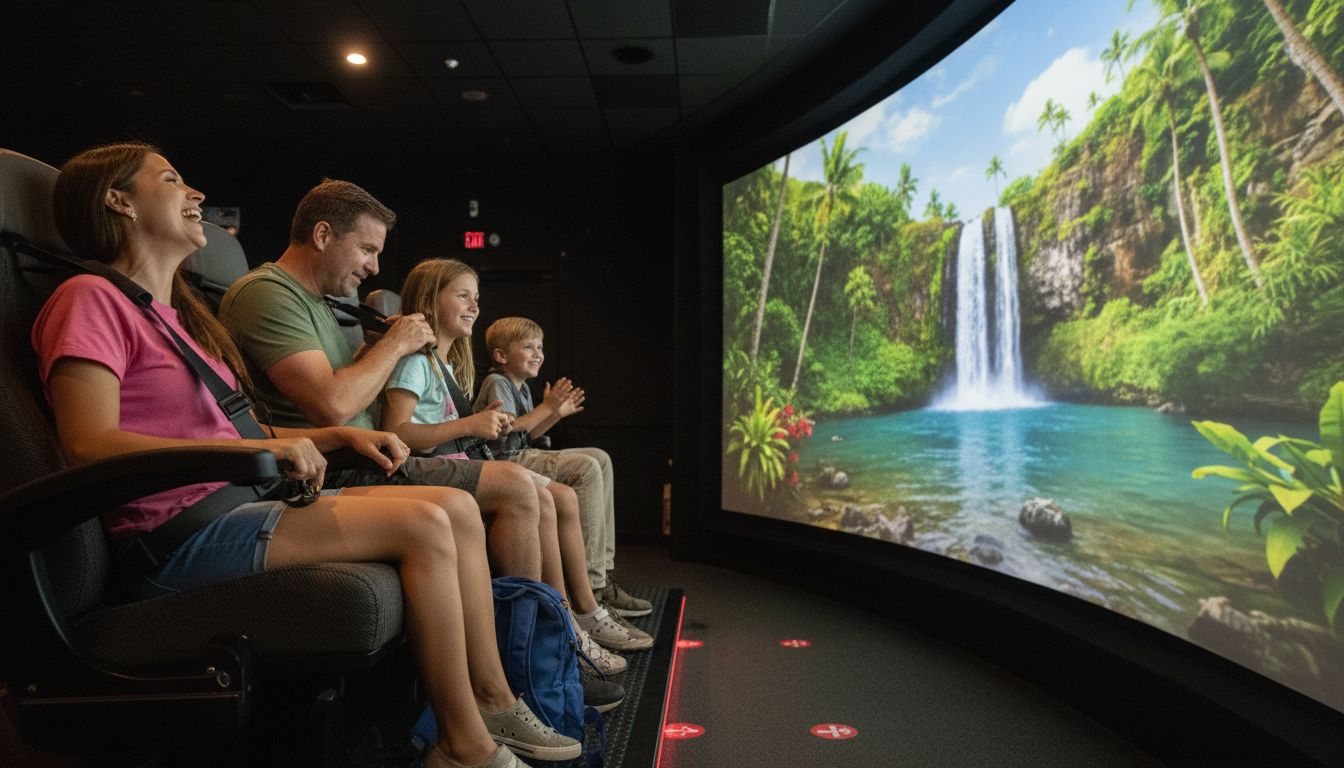
The statistics tell the story. Flying theaters experienced 25% annual growth through 2025, with family groups making up over 60% of visitors. This popularity stems from carefully calibrated experiences that balance excitement with accessibility. Height restrictions remain minimal compared to traditional thrill rides, and motion intensity adjusts to comfortable levels.
Hawaii family attractions compared shows flying theaters ranking high for group satisfaction. These venues accommodate varying mobility levels and provide clear expectations about what participants will experience. Parents appreciate knowing exactly what their children will encounter, reducing pre-visit anxiety.
Benefits for families include:
- Shared experiences that create common memories across age groups
- Educational content woven naturally into entertainment
- Climate-controlled comfort regardless of weather conditions
- Predictable duration allowing easier schedule planning
- Cultural exposure enhancing overall trip educational value
Pro Tip: Book flying theater visits during midday heat when outdoor activities become less comfortable. You’ll maximize both comfort and itinerary efficiency.
Common misconceptions about themed entertainment
Many visitors assume themed entertainment prioritizes physical thrills over substance. This misconception causes people to skip experiences that would actually align perfectly with their interests. The reality flips this assumption, particularly in cultural destinations like Hawaii.
Research reveals 58% of visitors prioritize story and culture over thrill rides when choosing themed entertainment. These experiences succeed by engaging minds and emotions rather than just bodies. A well-told Hawaiian legend with modest motion effects often creates stronger memories than intense physical sensations without narrative context.
Another myth suggests themed entertainment targets only children. Adults frequently report higher satisfaction than kids because they better appreciate storytelling nuances and cultural references. Cultural entertainment in Hawaii attracts sophisticated travelers seeking meaningful experiences beyond typical tourist activities.
Common misconceptions include:
- Themed entertainment equals amusement parks (they’re distinct categories with different goals)
- Technology matters more than story (effective design makes tech invisible)
- Experiences are too intense for young children or older adults (most calibrate for broad accessibility)
- Cultural content makes attractions boring (authentic stories often prove most engaging)
Pro Tip: Read detailed attraction descriptions before assuming an experience won’t match your interests. Signage for festivals guide principles apply here too, as clear communication prevents mismatched expectations.
Themed entertainment’s role in Hawaii tourism
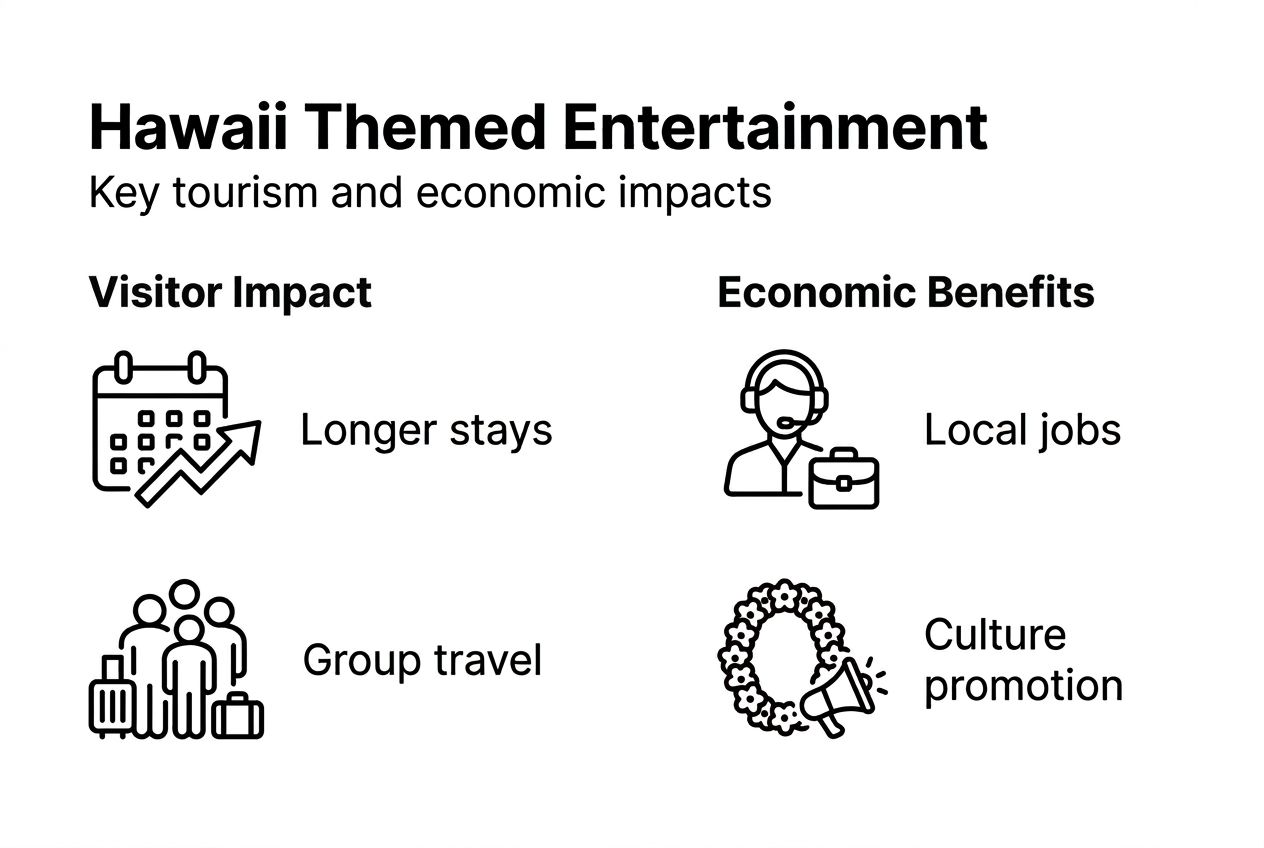
Themed attractions diversify Hawaii’s tourism portfolio beyond beaches and hiking. Visitors increasingly seek experiences that deepen cultural understanding while providing entertainment value. This shift benefits local economies by encouraging longer stays and higher spending per visitor.
The numbers support this trend. Themed attractions increase visitor stay duration by 15-20% and boost group tourism by 25%. Families planning Hawaii trips now allocate time for cultural immersion alongside traditional activities. This balanced approach creates more resilient tourism that weathers seasonal fluctuations better.
Entertainment trends in Hawaii show themed experiences drawing visitors during weather events when outdoor activities close. This reliability helps tourism businesses maintain revenue during typically slow periods. Hotels and restaurants near themed attractions benefit from extended visitor circulation throughout communities.
| Impact Area | Measurement | Benefit |
|---|---|---|
| Stay duration | 15-20% increase | More nights booked, higher accommodation revenue |
| Group tourism | 25% growth | Larger party sizes, increased spending per visit |
| Weather resilience | Year-round operation | Stable revenue during off-peak or poor weather |
| Cultural engagement | 40-60% boost | Enhanced visitor satisfaction and return rates |
| Local business support | Extended circulation | Restaurant, retail, and service sector growth |
These economic benefits extend beyond immediate attraction revenue. Visitors who engage with Hawaiian culture through themed entertainment often purchase related products, book additional cultural experiences, and return for future visits. The educational component creates emotional investment in Hawaii’s preservation and prosperity.
Case study: Flight of Aloha
Flight of Aloha exemplifies how themed entertainment can authentically represent Hawaiian culture while delivering world-class visitor experiences. This Kailua-Kona attraction uses 8K visual technology combined with motion seats, scent delivery, and wind effects to simulate flying over Hawaii’s diverse landscapes. The result feels like a helicopter tour merged with cultural storytelling.
The attraction’s film content roots itself in genuine Hawaiian narratives. “Naupaka” tells the legend of separated lovers transformed into flowers, weaving this traditional story through flights over volcanic landscapes and coastal regions where the naupaka plant grows. “Lahaina” connects visitors to West Maui’s cultural heritage through immersive visual journeys that honor the town’s significance.
Technical execution matches storytelling ambition. Motion seats synchronize precisely with visual content, creating physical sensations that reinforce what eyes see. When the screen shows flight over ocean waters, subtle mist and salt-air scent complete the illusion. Wind effects mirror altitude changes and coastal breezes, engaging multiple senses simultaneously.
Key features include:
- 8K resolution projections providing unprecedented visual clarity
- Multi-axis motion platforms calibrated for family comfort
- Environmental effects including scent, wind, and temperature
- Cultural narratives developed with Hawaiian cultural advisors
- VIP packages offering enhanced experiences and cultural context
- Accessibility features accommodating diverse visitor needs
The Flight of Aloha flying ride represents themed entertainment’s potential when technology serves authentic storytelling. Families gain cultural education painlessly integrated into thrilling entertainment. This model succeeds because it respects both visitor expectations and Hawaiian cultural integrity.
Experience themed entertainment with Flight of Aloha
Ready to understand themed entertainment through direct experience? Flight of Aloha offers the perfect introduction to how immersive technology and cultural storytelling combine. This award-winning flying theater transforms Hawaiian legends into sensory journeys you’ll remember long after your vacation ends.

Families appreciate how Flight of Aloha accommodates all ages while delivering genuine thrills. The multi-sensory experience engages children and adults equally, creating shared memories that strengthen family bonds. VIP packages add cultural depth for visitors wanting enhanced understanding of Hawaiian traditions and natural environments.
Booking Flight of Aloha enriches your Hawaii itinerary with weather-proof entertainment that complements outdoor adventures. Located in Kailua-Kona, the attraction provides comfortable respite during midday heat while deepening your connection to the islands’ cultural heritage. Annual passes offer exceptional value for returning visitors or extended stays.
Frequently asked questions
What exactly is themed entertainment?
Themed entertainment creates immersive experiences by combining storytelling, environmental design, and sensory technology into cohesive narratives. Unlike passive entertainment where you watch performers, themed attractions make you part of the story through multi-sensory engagement. These experiences use coordinated visual effects, motion simulation, sound design, and environmental elements to transport visitors into carefully crafted worlds that educate while entertaining.
How does themed entertainment differ from regular amusement parks?
Traditional amusement parks focus on physical thrills through rides and games with minimal narrative connection between attractions. Themed entertainment prioritizes cohesive storytelling where every element supports a central narrative or cultural theme. Technology serves the story rather than existing for its own sake, and success measures by emotional engagement and educational value rather than just adrenaline levels. Many modern attractions blend both approaches, but true themed entertainment maintains narrative consistency throughout.
Why should families choose themed entertainment in Hawaii?
Themed attractions offer climate-controlled comfort, multi-generational appeal, and cultural education woven seamlessly into entertainment. Flying theaters and similar experiences accommodate varying mobility levels while providing thrills suitable for ages five to ninety-five. The cultural storytelling component enriches your overall Hawaii visit by deepening understanding of traditions and natural environments you’ll encounter elsewhere, creating context that enhances appreciation for everything from hotel artwork to local cuisine.
What should I expect at a flying theater attraction?
Flying theaters seat you in motion-synchronized chairs facing a large curved screen that fills your peripheral vision. As films begin, seats move in coordination with visual content while environmental effects like wind, scent, and temperature changes enhance realism. Most experiences last 10-15 minutes and simulate flight over landscapes, combining the perspective of aerial tours with the comfort and cultural narration of traditional theater. Motion intensity remains gentle enough for most visitors while providing genuine excitement.
Do I need to love thrill rides to enjoy themed entertainment?
Absolutely not. Research shows 58% of themed entertainment visitors prioritize cultural narrative and storytelling over physical thrills. Many successful attractions use minimal motion while focusing on visual beauty, educational content, and emotional resonance. Hawaii’s themed entertainment particularly emphasizes cultural connection and natural wonder rather than intense physical sensations, making these experiences ideal for visitors who avoid traditional thrill rides but want engaging, memorable activities.
How does themed entertainment support Hawaiian culture?
Authentic themed entertainment consults with cultural experts, employs local storytellers, and represents traditions accurately rather than through stereotypes. Revenue from culturally-focused attractions often supports cultural preservation programs and provides economic opportunities for Native Hawaiian communities. Visitor education through entertainment creates awareness and appreciation that translates into respectful behavior and support for cultural initiatives, making quality themed entertainment a force for positive cultural impact when done correctly.
Recommended
- Why Choose Cultural Entertainment In Hawaii | Flight Of Aloha
- What Is Hawaii Themed Entertainment? Understanding Its Charm | Flight Of Aloha
- Cultural Entertainment: Shaping Experiences In Hawaii | Flight Of Aloha
- Understanding Hawaiian History In Themed Attractions | Flight Of Aloha
- Interpretive Signage in Architecture: Enhancing Engagement –