
The Role of Entertainment in Learning: A 2026 Guide 🌺

Entertainment in learning is defined as the intentional use of engaging, enjoyable media and experiences to improve educational outcomes by capturing attention, building emotional connection, and making knowledge stick. Research published in 2026 confirms that students exposed to edutainment tools score dramatically higher on engagement measures than peers in traditional classrooms. The field sits at the intersection of cognitive science and media design, and it is reshaping how educators, parents, and learners think about what a classroom can look like. Whether you are choosing an app for your child, designing a lesson plan, or simply curious about why some experiences teach better than others, understanding this field changes everything.
What does research say about the role of entertainment in learning?
The evidence is clear: entertainment-based learning outperforms traditional instruction on nearly every engagement measure. A peer-reviewed study found that 71.4% of students using edutainment tools rated their experience “good” or “very good,” while 71.4% of the control group rated traditional methods “not good.” That gap is not a minor statistical blip. It reflects a fundamental difference in how the brain responds to enjoyable versus neutral stimuli.
Cognitive science explains why this happens. Entertainment activates attention, emotional engagement, and memory consolidation simultaneously, three processes that passive instruction rarely triggers at the same time. When a learner feels something, they remember it. Storytelling and audiovisual stimuli are the delivery mechanisms that make this possible.
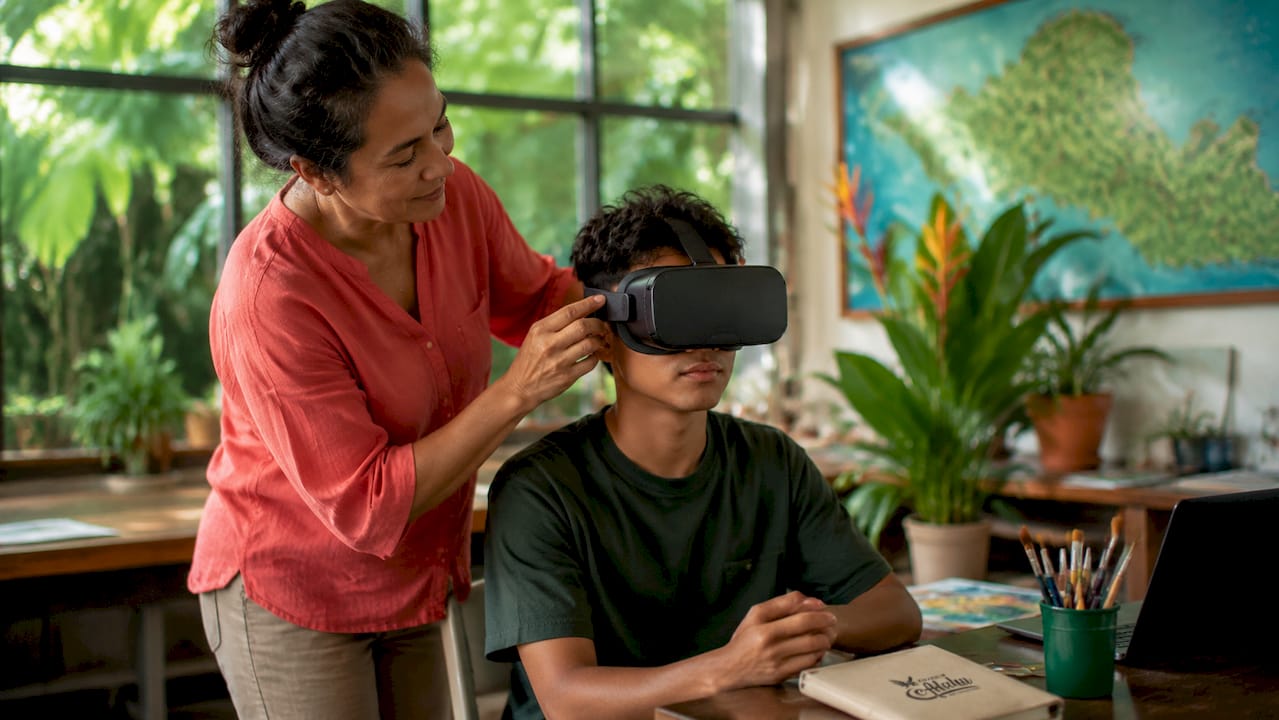
Immersive aesthetics play a bigger role than most educators realize. Poor audiovisual design causes distraction, while well-crafted immersive environments produce meaningful psychological engagement. This is why a beautifully produced educational film lands differently than a slideshow covering the same content.
| Learning Environment | Engagement Rate | Retention Outcome |
|---|---|---|
| Traditional instruction | Low to moderate | Short-term recall |
| Edutainment tools | High | Improved long-term recall |
| Immersive audiovisual media | Very high | Emotional and conceptual retention |
| Gamified AI-driven platforms | High | Personalized, sustained retention |
Pro Tip: When evaluating any educational media for your classroom or home, ask one question first: does this content make the learner feel something? Emotional engagement is the single strongest predictor of retention.
How do edutainment and entertainment-education differ?
These two terms sound interchangeable, but the distinction matters enormously for outcomes. Edutainment places education at the center and adds entertainment as a supplement. Think of a quiz app that rewards correct answers with animations. The lesson is obvious. The entertainment is a bonus. Entertainment-education, by contrast, prioritizes story over lesson, embedding educational content so deeply into a compelling narrative that the audience absorbs learning as a natural side effect.
Entertainment-education is more effective for long-term behavior change. Soap operas in countries like Mexico and India have been used to shift attitudes on public health, family planning, and literacy. Audiences watched for the drama. They changed their behavior because the story made the lesson feel personal, not prescribed. That is a level of impact edutainment rarely achieves on its own.
The practical implication for educators and parents is significant. Edutainment works well for skill-building and knowledge acquisition in structured settings. Entertainment-education works better when the goal is attitude change, cultural awareness, or motivating learners who resist formal instruction.
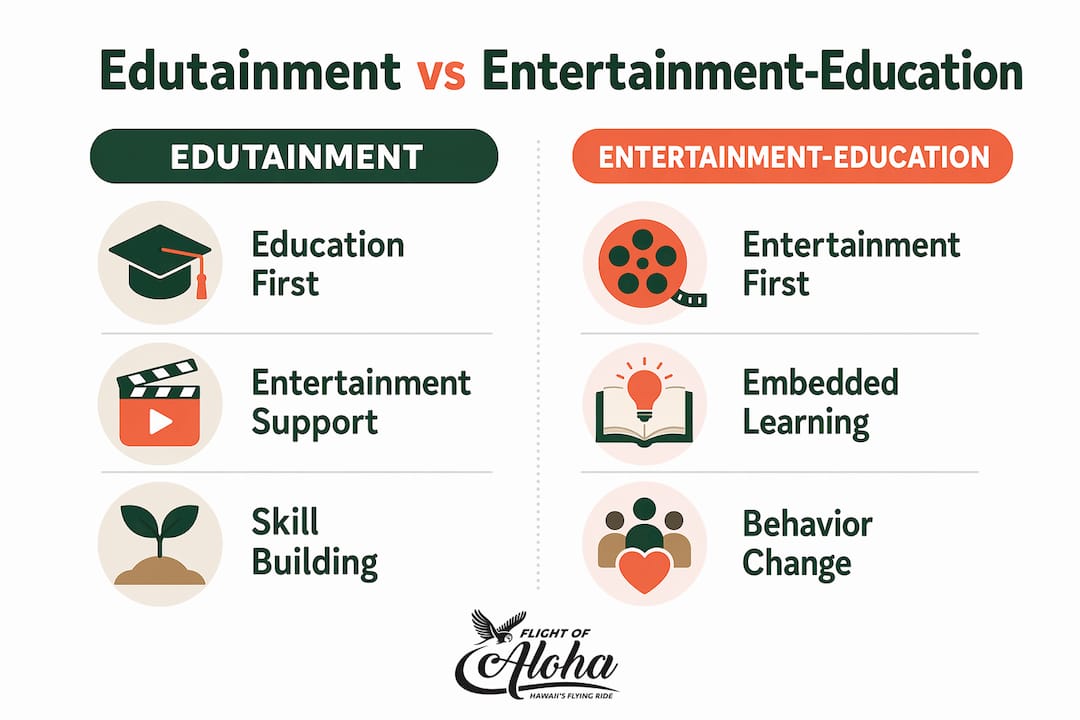
| Approach | Primary Focus | Educational Method | Best Use Case |
|---|---|---|---|
| Edutainment | Education first | Entertainment as reward or supplement | Classroom skill-building, quiz apps |
| Entertainment-Education | Story first | Learning embedded in narrative | Behavior change, cultural learning, reluctant learners |
Pro Tip: For reluctant readers or disengaged students, choose entertainment-education formats like narrative-driven games or story-based films over straightforward quiz apps. The story does the teaching without the learner noticing.
What practical applications bring entertainment into modern education?
The range of formats available today is wider than at any point in history. Gamified AI-driven learning platforms personalize the pace and complexity of instruction to match each learner’s needs, preventing cognitive overload and correcting misconceptions in real time. Platforms like these treat learning as a game with clear goals, social purpose, and optimal challenge rather than a series of lectures.
Beyond screens, immersive physical experiences are proving equally powerful. Museum exhibits, flying theater attractions, VR environments, and interactive storytelling installations all create the kind of experiential design that shapes learning intentions. These formats work because they engage the body, the senses, and the emotions at the same time.
Here are the most effective formats in use today:
- Gamified learning apps: Tools like Duolingo and Khan Academy use points, streaks, and narrative arcs to keep learners returning daily. Map-based quiz games add geographic and spatial thinking to the mix.
- Educational films and documentaries: Audiovisual storytelling activates emotional memory. A well-produced documentary on ocean ecosystems teaches more in 45 minutes than most textbook chapters.
- Immersive theater and flying attractions: Experiences that combine 8K visuals, motion, scent, and wind simulate real environments and trigger the same emotional encoding as being there in person.
- VR simulations: Immersive VR environments place learners inside historical events, scientific phenomena, or cultural settings that no classroom can replicate.
- Interactive museum exhibits: Hands-on displays at institutions like the Smithsonian or Bishop Museum in Honolulu turn passive observation into active discovery.
- Edutainment apps for young learners: Apps combining gaming narratives with educational objectives teach creativity and problem-solving through play, which is the original learning mode for children.
The common thread across all these formats is that learning through play and sensory engagement produces outcomes that passive instruction cannot match. The role of interactive experiences in informal learning settings is growing precisely because these environments remove the pressure of formal assessment and replace it with genuine curiosity.
What benefits and challenges should educators and parents consider?
The benefits of entertainment in education are well-documented and compelling. Here is what the research and practice consistently show:
- Increased motivation: Learners engage longer and return more often when content is enjoyable. Gamified systems with clear goals and rewards sustain motivation across sessions.
- Improved memory retention: Emotional engagement via storytelling and audiovisual stimuli improves comprehension and long-term recall, as confirmed by cognitive science research.
- Accessibility for diverse learners: Entertainment formats reach learners who struggle with text-heavy instruction, including visual learners, English language learners, and students with attention challenges.
- Emotional connection to content: When a story makes a learner care about an outcome, the underlying facts become meaningful rather than arbitrary.
- Cultural awareness: Cultural storytelling in entertainment builds empathy and curiosity about communities and histories beyond a learner’s own experience.
The challenges are real, though, and worth naming directly. Entertainment can overshadow educational goals when content prioritizes spectacle over substance. A visually stunning app that teaches nothing is just entertainment. Poor design causes distraction rather than focus, which is why immersive aesthetics and audiovisual harmony are not optional features but core requirements for effective edutainment.
Educators and parents should also watch for passive consumption masquerading as learning. Watching a video is not the same as engaging with it. The best entertainment-based learning tools prompt reflection, decision-making, or creative output alongside the enjoyable experience.
Pro Tip: Before selecting any edutainment tool, identify the specific learning objective first. Then ask whether the entertainment format serves that objective or competes with it. If the fun and the learning point in the same direction, you have a winner.
Key takeaways
Entertainment in learning works because it activates emotional engagement, attention, and memory simultaneously, producing outcomes that passive instruction consistently fails to match.
| Point | Details |
|---|---|
| Entertainment boosts engagement | Students using edutainment tools rate their experience positively at far higher rates than those in traditional settings. |
| Edutainment vs. entertainment-education | Edutainment supplements learning with fun; entertainment-education embeds learning inside compelling stories for deeper behavior change. |
| Immersive design is non-negotiable | Poor audiovisual design causes distraction; well-crafted immersive environments produce meaningful psychological engagement. |
| Practical formats are widely available | Gamified apps, VR, educational films, and immersive attractions all deliver entertainment-based learning across age groups. |
| Balance entertainment with clear goals | The most effective tools align the enjoyable experience directly with the learning objective rather than treating them as separate. |
Why I think we underestimate what entertainment actually teaches
I have spent years watching people learn in formal and informal settings, and the pattern is always the same. The lessons that stick are the ones that felt like something. Not the worksheets. Not the lectures. The moments when a story pulled someone in so completely that the facts inside it became unforgettable.
What surprises me is how often educators treat entertainment as a reward for learning rather than a vehicle for it. That framing gets the relationship backwards. The most powerful educational experiences I have encountered, whether inside a museum, a theater, or an immersive attraction, work because the entertainment IS the learning. The story carries the knowledge. The emotion seals it in memory.
My honest concern is that we reach for edutainment apps too quickly without asking whether the entertainment and the learning are actually connected. A quiz with confetti animations is not the same as a narrative that makes a learner care about the answer. The difference between those two things is the difference between short-term recall and genuine understanding.
For parents and educators, my recommendation is simple. Prioritize experiences that make learners feel something real. Cultural storytelling, immersive environments, and narrative-driven media are not luxuries. They are the most reliable path to learning that lasts beyond the test.
— Ola
Experience the role of entertainment in learning firsthand in Kona

Flightofaloha is the Big Island’s most vivid example of entertainment and education working together. Located inside King Kamehameha’s Kona Beach Hotel and walking distance from Kailua Pier, this Native Hawaiian-owned flying theater attraction combines 8K visuals, motion effects, wind, and authentic scents to simulate soaring over Hawai’i. Films like Naupaka and Lahaina are rooted in real Hawaiian legends, making every flight a cultural learning experience. Think of it as what you would get if a helicopter tour and a Disney ride had a child raised on aloha. It is the perfect indoor activity for rainy days in Kona, a smart alternative to a $400 helicopter tour, and one of the best shore excursions Kona has to offer for families and groups. Whether you are exploring immersive family travel or looking for top things to do in Kona, Flightofaloha delivers. Book online to secure your seat.
FAQ
What is the role of entertainment in learning?
Entertainment in learning refers to using enjoyable, engaging media and experiences to improve educational outcomes by activating attention, emotional engagement, and memory at the same time. Research confirms that edutainment tools produce significantly higher engagement scores than traditional instruction.
What is the difference between edutainment and entertainment-education?
Edutainment places education first and uses entertainment as a supplement, while entertainment-education embeds learning inside a compelling story so audiences absorb it naturally. Entertainment-education is more effective for long-term behavior change and reaching reluctant learners.
How does entertainment improve memory retention?
Emotional engagement triggered by storytelling and audiovisual stimuli improves comprehension and long-term recall. When learners feel connected to content, the underlying facts become meaningful and are encoded more deeply in memory.
What are the best formats for entertainment-based learning?
Gamified apps like Duolingo, educational films, VR simulations, interactive museum exhibits, and immersive theater attractions are among the most effective formats. The best options align the enjoyable experience directly with a specific learning objective.
Can entertainment-based learning work for all ages?
Yes. Gamified platforms address cognitive needs across age groups by personalizing pace and complexity, while immersive experiences and narrative-driven media engage both children and adults through emotional connection and sensory stimulation.