
What is family entertainment? A 2026 guide for Hawaii fun
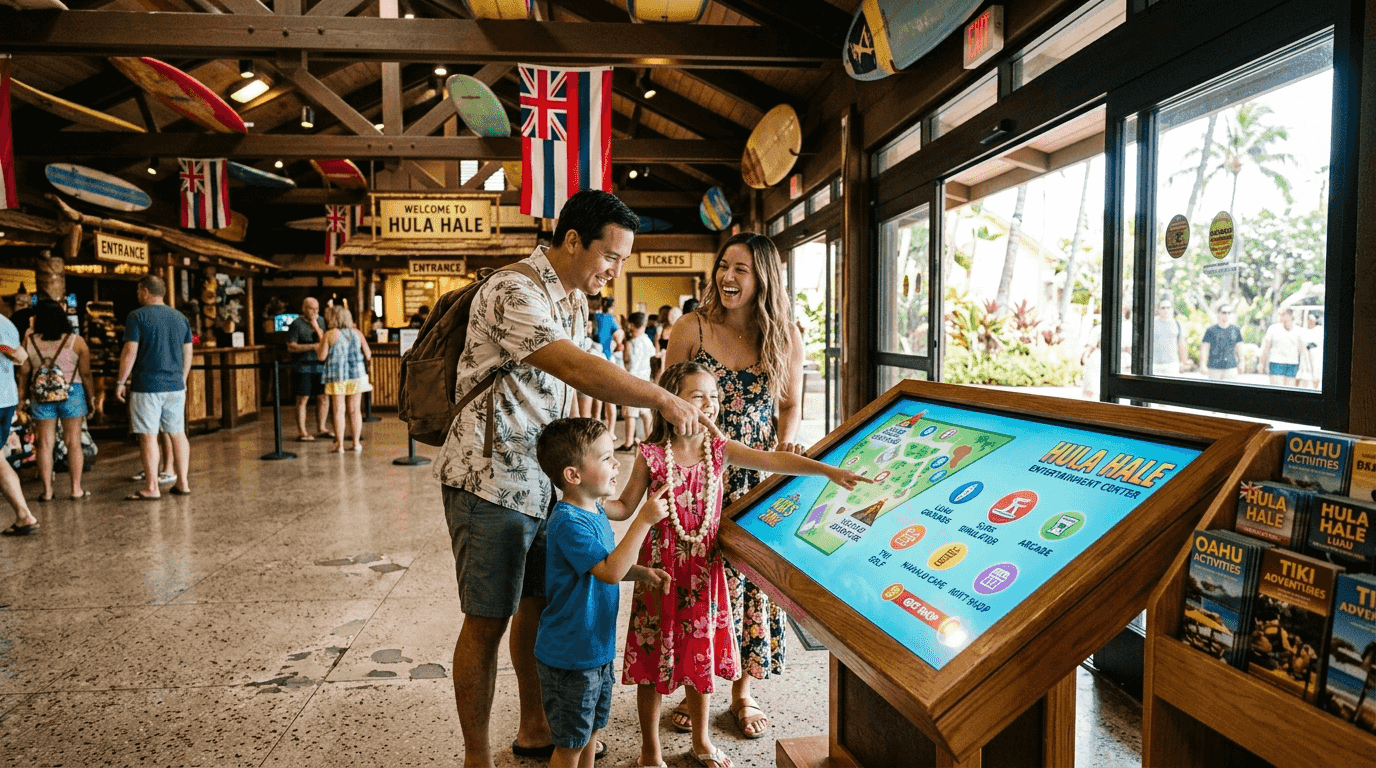
Family entertainment has evolved far beyond simple amusement parks and cartoon characters. Today’s families seek immersive experiences that blend cutting-edge technology with cultural storytelling, creating meaningful memories that shape identity and strengthen bonds. In Hawaii, this shift is particularly striking, where venues combine interactive multi-sensory environments with authentic island narratives. This guide explores what modern family entertainment truly means, how immersive technologies transform leisure experiences, and why Hawaii’s unique approach to cultural storytelling creates unforgettable moments for visitors of all ages. You’ll discover practical insights to maximize your family’s next adventure.
Table of Contents
- Understanding Family Entertainment: Beyond Simple Amusement
- How Immersive Technology Transforms Family Entertainment In Hawaii
- Designing Multi-Generational Entertainment Spaces For Vibrant Family Experiences
- The Booming Family Indoor Entertainment Market And Future Trends
- Experience Immersive Family Entertainment With Flight Of Aloha
Key takeaways
| Point | Details |
|---|---|
| Modern definition | Family entertainment now emphasizes interactive, multi-sensory experiences that support learning and identity formation rather than passive amusement. |
| Technology’s role | Immersive tech like projection mapping, motion tracking, and VR creates emotionally engaging experiences customized for venues of all sizes. |
| Cultural integration | Hawaiian storytelling enriches family leisure by connecting visitors to authentic island legends through technology-enhanced narratives. |
| Market momentum | The family indoor entertainment sector reached $26.7 billion in 2024 and projects explosive growth to $69.5 billion by 2034. |
| Multi-generational design | Successful venues balance high-energy zones with respite areas, accommodating diverse age groups and stimulation preferences. |
Understanding family entertainment: beyond simple amusement
Family entertainment serves a deeper purpose than momentary distraction. Research shows that children’s travel experiences shape identity through casual learning opportunities embedded in leisure activities. When families engage with interactive exhibits, cultural demonstrations, or immersive rides, kids process these experiences in ways that influence their worldview and self-concept.
These shared moments do more than entertain. Family leisure and social bonding research demonstrates how attractions reinforce family identity and create opportunities for parents to model values and behaviors. A father explaining Hawaiian navigation techniques during a flying theater experience isn’t just passing time but actively shaping how his children understand heritage and exploration.
Modern family entertainment prioritizes active engagement over passive consumption. Instead of simply watching a screen, families participate in narratives through motion-responsive seats, scent effects, and interactive elements that respond to their presence. This shift reflects growing demand for experiences that stimulate multiple senses simultaneously and create lasting emotional connections.
The distinction between traditional amusement and contemporary family entertainment lies in intentionality. Consider these differences:
- Traditional amusement focuses on momentary thrills without deeper context
- Modern experiences integrate educational elements seamlessly into entertainment
- Passive observation gives way to interactive participation
- Generic content is replaced by culturally specific storytelling
- One-size-fits-all approaches evolve into multi-generational design
Hawaii’s immersive attractions and family travel landscape exemplifies this evolution. Venues combine island culture with technology to create experiences that feel both authentic and innovative. Families don’t just learn about Hawaiian legends; they fly through valleys where those stories unfolded, feeling wind and mist as they soar past waterfalls.
“The most memorable family entertainment doesn’t distract from reality but enhances our ability to connect with each other and the world around us.”
This philosophy guides how successful venues approach design and storytelling. They recognize that families seek more than temporary escape. Parents want their children to gain perspective, develop curiosity, and build memories anchored in meaningful experiences rather than superficial entertainment.
How immersive technology transforms family entertainment in Hawaii
Immersive technology has revolutionized how families experience entertainment venues. Immersive theme parks innovations utilize projection mapping, motion tracking, and 3D animation to create dynamic environments that respond to visitor movement and interaction. These systems transform static spaces into living narratives where families become active participants rather than passive observers.
The beauty of modern immersive tech lies in its flexibility. Scalable immersive tech solutions can be customized for venues ranging from compact zones to expansive halls, making cutting-edge experiences accessible regardless of facility size. A small theater in Kailua-Kona can deliver the same emotional impact as massive mainland installations through smart technology integration.
Several key technologies power these transformative experiences:
- Projection mapping creates seamless visual environments that wrap around viewers, eliminating the frame limitations of traditional screens
- Motion tracking systems detect visitor positions and adjust content in real time for personalized interactions
- Synchronized motion platforms coordinate seat movements with on-screen action, creating physical sensations of flight or movement
- Environmental effects generators produce scents, wind, mist, and temperature changes that deepen sensory immersion
- Spatial audio systems position sounds in three-dimensional space, enhancing realism and emotional engagement
Research on immersive tech in cultural tourism demonstrates how VR, AR, and mixed reality enhance user engagement through multi-sensory interaction and scenario-based services. When families experience Hawaiian legends through these technologies, they don’t just hear stories but inhabit them, creating neural pathways that strengthen memory retention and emotional connection.
Hawaii’s immersive technology in tourism sector has embraced these innovations to showcase island culture in unprecedented ways. Flying theaters combine all these elements to simulate soaring over volcanic landscapes, diving beneath ocean waves, and gliding through rainforests, all while seated safely in climate-controlled comfort.
Pro Tip: When selecting immersive experiences for your family, prioritize venues that combine multiple sensory elements rather than relying solely on visual effects. The most impactful memories come from experiences that engage smell, touch, and motion alongside sight and sound.
The table below compares different immersive technology applications in family entertainment:
| Technology Type | Primary Function | Family Benefit | Hawaii Application |
|---|---|---|---|
| Projection Mapping | Creates seamless visual environments | Eliminates screen boundaries for full immersion | Showcases island landscapes in 8K detail |
| Motion Platforms | Synchronizes physical movement with visuals | Adds visceral thrill and realism | Simulates flying over volcanoes and coastlines |
| Environmental Effects | Generates scents, wind, and temperature changes | Deepens sensory engagement | Recreates ocean mist and tropical breezes |
| Spatial Audio | Positions sounds in 3D space | Enhances emotional connection to narrative | Brings Hawaiian chants and nature sounds to life |
The integration of these technologies creates what researchers call “presence,” the psychological sensation of actually being in the depicted environment rather than merely observing it. For families, this translates to shared experiences that feel authentic and memorable, even when they involve fantastical elements like flying unaided through canyons.
Modern ride film experiences in Hawaii leverage these technologies to tell culturally rooted stories that resonate across generations. Grandparents, parents, and children all find different entry points into the same narrative, creating shared reference points that strengthen family bonds long after the experience ends.
For families interested in the technical side, venues like those using immersive display projectors demonstrate how commercial-grade equipment creates professional results that rival Hollywood productions in visual quality and emotional impact.
Designing multi-generational entertainment spaces for vibrant family experiences
Successful family entertainment venues recognize that different ages require different stimulation levels. Multi-generational entertainment dynamics research emphasizes the importance of spatial zoning that balances high-energy areas with respite zones where families can decompress between activities.

These zones serve distinct purposes. High-stimulation areas feature intense sensory input, rapid movement, and interactive challenges that appeal to energetic children and thrill-seeking teens. Moderate zones offer engaging content without overwhelming effects, perfect for younger kids and adults seeking entertainment without intensity. Low-stimulation spaces provide quiet areas for rest, feeding infants, or simply catching your breath.
Certain entertainment formats naturally accommodate multiple generations. Inherently multigenerational formats like carousel rides allow toddlers and grandparents to participate side by side, creating shared experiences despite vastly different physical capabilities and preferences.
Flying theaters represent another inherently multigenerational format. Flying theater technology overview explains how these attractions use motion systems synchronized with film, sound, and special effects to create realistic flying sensations. Unlike roller coasters that exclude many family members due to height, health, or courage requirements, flying theaters accommodate nearly everyone through adjustable intensity and accessibility features.
The comparison below illustrates how different entertainment formats serve multi-generational groups:
| Format Type | Age Range | Intensity Level | Accessibility | Cultural Integration Potential |
|---|---|---|---|---|
| Traditional Carousel | All ages | Low | Excellent | Limited |
| Roller Coaster | Teens and adults | Very high | Poor | Minimal |
| Flying Theater | Ages 3+ | Moderate to high | Good | Excellent |
| Interactive Museum | All ages | Low to moderate | Excellent | Excellent |
| Water Park | Ages 5+ | High | Moderate | Limited |
Hawaii’s approach to immersive flying Hawaii experiences demonstrates how venues can serve diverse age groups simultaneously. A five-year-old experiences wonder at soaring over waterfalls, while a teenager appreciates the technical sophistication of synchronized motion and visuals. Grandparents connect emotionally with cultural narratives woven throughout the experience.
Pro Tip: Before visiting any family entertainment venue, check their website for recommended age ranges and accessibility information. Many attractions offer preview videos that help you assess whether the experience matches your family’s comfort levels and interests.
The physical design of entertainment spaces profoundly impacts family enjoyment. Successful venues create natural flow patterns that prevent bottlenecks while offering clear sightlines so parents can monitor children. Queue areas incorporate interactive elements that transform waiting from frustration into entertainment. Rest areas feature comfortable seating with charging stations and climate control.
These design considerations reflect understanding that family attractions popularity stems from venues that respect the practical realities of traveling with multiple generations. Families appreciate thoughtful details like family restrooms, stroller parking, and flexible scheduling that accommodates nap times and meal preferences.
Key elements families should look for when choosing entertainment venues include:
- Clear information about age appropriateness and physical requirements
- Flexible ticketing that allows families to customize their experience
- Rest areas positioned throughout the venue for convenient breaks
- Food options that accommodate dietary restrictions and preferences
- Staff trained to assist families with special needs or concerns
The most successful multi-generational venues create layered experiences where surface-level entertainment appeals to younger visitors while deeper cultural or educational content engages adults. This approach ensures everyone finds value regardless of age or background.
The booming family indoor entertainment market and future trends
The family entertainment industry is experiencing unprecedented growth. Family indoor entertainment market forecast data shows the sector reached $26.7 billion in 2024 and projects explosive expansion to $69.5 billion by 2034, representing a compound annual growth rate of 9.9%.
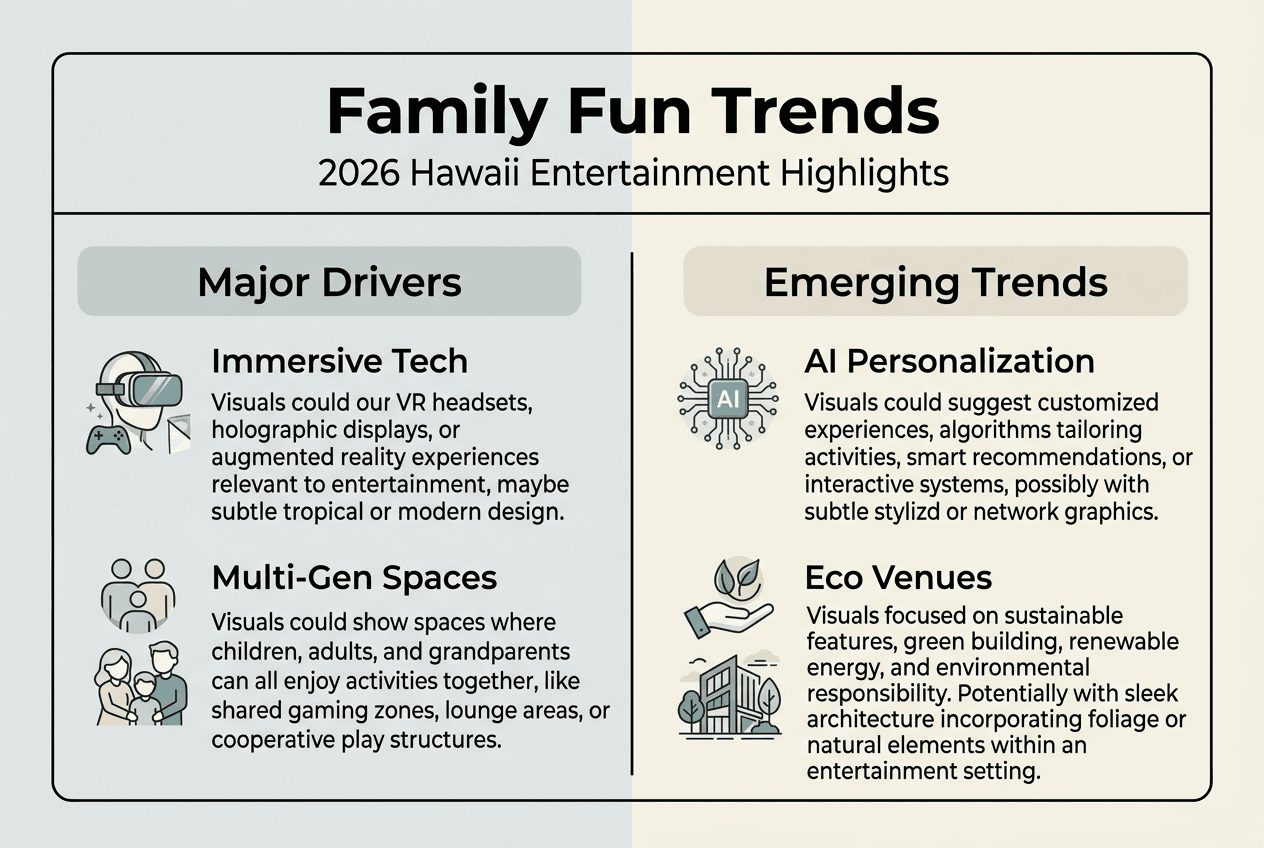
Several factors drive this remarkable expansion. Market growth drivers include accelerating urbanization that limits outdoor recreation options, rising disposable income in developing markets, and increasing demand for safe, climate-controlled entertainment that functions year-round regardless of weather conditions.
Technology plays a central role in this growth trajectory. Tech innovations fueling market expansion include augmented reality games, AI-powered personalization, and gamification elements that increase appeal and encourage repeat visits. Families no longer settle for generic experiences when technology enables customized adventures tailored to their interests and preferences.
The market breakdown reveals interesting patterns:
- North America leads in market share due to established entertainment infrastructure and high consumer spending
- Asia-Pacific shows the fastest growth rate driven by expanding middle class and urbanization
- Europe maintains steady growth with emphasis on educational and cultural entertainment
- Emerging markets in Latin America and Middle East invest heavily in family entertainment infrastructure
Key demographic trends shaping the industry include:
- Millennial parents prioritize experiences over material goods for their children
- Multi-generational travel increases as extended families vacation together
- Health-conscious families seek active entertainment alternatives to screen time
- Cultural awareness drives demand for authentic, educational experiences
- Safety concerns elevate indoor venues over unpredictable outdoor activities
The following table illustrates projected market growth across regions:
| Region | 2024 Market Value | 2034 Projection | Growth Rate | Key Drivers |
|---|---|---|---|---|
| North America | $9.8 billion | $24.1 billion | 9.4% | Technology adoption, disposable income |
| Asia-Pacific | $8.2 billion | $23.5 billion | 11.1% | Urbanization, middle class expansion |
| Europe | $6.1 billion | $15.2 billion | 9.6% | Cultural tourism, educational focus |
| Rest of World | $2.6 billion | $6.7 billion | 9.9% | Infrastructure investment |
Looking ahead to 2026 and beyond, families can expect several emerging trends. Artificial intelligence will enable attractions that adapt in real time to visitor reactions, creating unique experiences for each family. Biometric technology may allow venues to adjust content based on detected stress or excitement levels, optimizing engagement without overwhelming guests.
Sustainability will become a differentiating factor as environmentally conscious families seek venues that minimize ecological impact. Expect more attractions highlighting conservation themes and using renewable energy to power immersive technologies. Hawaii’s 2026 Hawaii immersive entertainment trends already reflect this shift toward eco-conscious storytelling.
Virtual and augmented reality will blur boundaries between physical and digital experiences. Families might explore Hawaiian reefs through AR overlays that identify marine species in real time, or use VR to experience historical events at the locations where they occurred. These technologies transform passive observation into active discovery.
The integration of social features will allow families to share experiences instantly with distant relatives, creating virtual co-presence even when physically separated. Imagine grandparents on the mainland experiencing a flying theater ride simultaneously with grandchildren in Hawaii through synchronized streaming and haptic feedback devices.
Pro Tip: Watch for venues that emphasize repeat visit value through seasonal content updates and membership programs. The most forward-thinking attractions treat families as ongoing relationships rather than one-time transactions.
Experience immersive family entertainment with Flight of Aloha
Ready to witness how immersive technology and Hawaiian culture combine to create unforgettable family memories? Flight of Aloha in Kailua-Kona offers a cutting-edge flying theater experience that embodies everything discussed in this guide. You’ll soar over volcanic landscapes, dive beneath ocean waves, and glide through rainforests while seated in comfort with motion effects, 8K visuals, scents, and wind creating complete sensory immersion.

Our attraction blends authentic Hawaiian legends with state-of-the-art technology, offering multiple ride films including cultural narratives like Naupaka and historical journeys through Lahaina. Families appreciate our multi-generational design that accommodates ages three and up, with VIP packages available for enhanced experiences. Book online to secure your preferred time slot and discover why visitors call Flight of Aloha the perfect fusion of helicopter tour thrills and theme park magic, all rooted in the spirit of aloha.
FAQ
What are the best family entertainment activities in Hawaii?
Hawaii offers diverse family entertainment ranging from immersive flying rides and cultural shows to interactive museums and ocean adventures. Flight of Aloha stands out as a top-rated immersive flying theater that combines cutting-edge technology with authentic Hawaiian storytelling, suitable for ages three and up.
How do immersive technologies enhance family entertainment?
Immersive technologies create interactive, sensory-rich environments that engage multiple senses simultaneously, fostering deeper emotional connections than traditional entertainment. These experiences support learning and identity formation while accommodating multi-generational groups through adjustable intensity levels and accessible design.
What should families know before visiting a flying theater attraction?
Flying theaters offer seated flight simulations using synchronized motion, visuals, sound, and environmental effects to create realistic flying sensations. Most venues accommodate broad age ranges starting around age three, though you should check specific height and health requirements. Expect a blend of gentle motion with spectacular visuals that feels thrilling without the intensity of roller coasters.
Why is immersive family entertainment growing so fast?
Demand for safe, climate-controlled, technology-driven entertainment continues rising as families seek meaningful experiences over material goods. Immersive technologies like AR, VR, and AI-powered personalization encourage repeat visits by offering unique experiences each time, while urbanization limits outdoor recreation options for many families.
Recommended
- Family-Friendly Attractions: Complete Guide For 2024 | Flight Of Aloha
- Family-friendly Cultural Tourism Checklist Hawaii 2026 | Flight Of Aloha
- Understanding Entertainment Trends In Hawaii 2025 | Flight Of Aloha
- 7 Ways To Enjoy Year-Round Family Fun In Hawaii | Flight Of Aloha
- Complete Guide to Entertaining Guests at Home – Projector Display