
Immersive Technology in Tourism: Transforming Travel Experiences
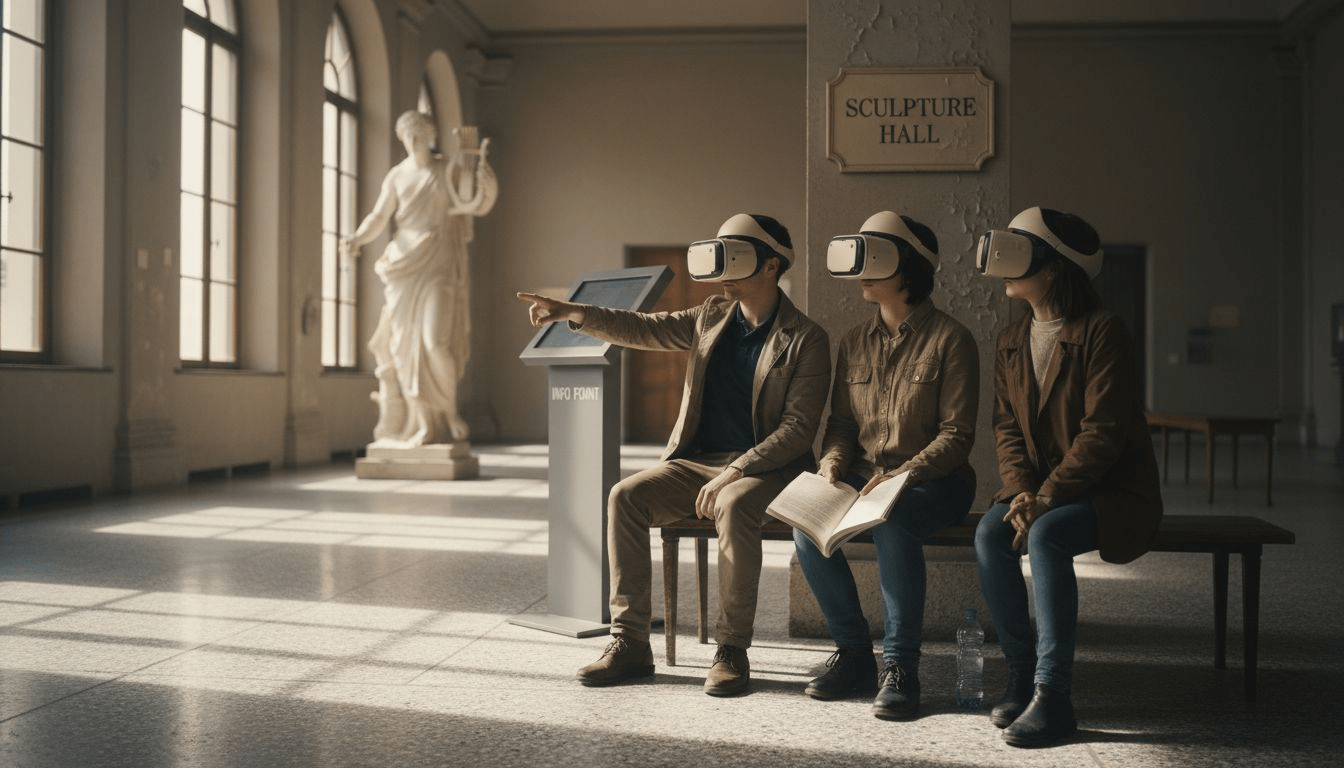
Every family adventure in Hawaii sparks the search for something beyond just sightseeing. Travel enthusiasts now crave experiences that not only showcase the natural beauty of Kailua-Kona but also invite deeper cultural connection. With immersive technology transforming the way visitors engage with destinations like Flight of Aloha, families can explore Hawaiian heritage through interactive storytelling and sensory-rich encounters that make every trip unforgettable.
Table of Contents
- Defining Immersive Technology In Tourism
- Types Of Immersive Experiences For Travelers
- How Virtual And Augmented Reality Work
- Immersive Storytelling And Cultural Engagement
- Challenges In Adoption And Safety Concerns
- Comparing Alternatives To Traditional Tourism
Key Takeaways
| Point | Details |
|---|---|
| Immersive Technology Revolutionizes Tourism | Technologies like VR, AR, and MR transform traditional tourism by creating interactive experiences that enhance engagement and education. |
| Diverse Immersive Experiences Available | Travelers can explore destinations through VR simulations, AR enhancements, and MR integrations, providing rich learning opportunities. |
| Challenges in Adoption | High costs and technical complexities hinder widespread implementation, raising concerns about safety and user experience. |
| Differences from Traditional Tourism | Immersive experiences prioritize active participation and personalized learning, making cultural insights more accessible to diverse audiences. |
Defining Immersive Technology in Tourism
Immersive technology represents a groundbreaking digital approach that transforms traditional tourism experiences by creating interactive, multisensory environments that transcend physical limitations. These advanced technologies enable travelers to explore destinations, learn about cultures, and engage with experiences in ways previously unimaginable. Advanced digital platforms now allow tourists to simulate travel environments without physically being present.
At its core, immersive technology encompasses Virtual Reality (VR), Augmented Reality (AR), and Mixed Reality (MR) systems that blend digital and physical worlds. These technologies create hybrid experiences by integrating real and digital objects, allowing tourists to interact with destinations through sophisticated sensory interfaces. The reality-virtuality continuum provides a framework for understanding how these technologies map digital interactions onto physical experiences, ranging from completely real environments to fully synthetic digital worlds.
Tourism industries worldwide are rapidly adopting immersive technologies to enhance visitor engagement, provide educational experiences, and offer innovative marketing approaches. These technologies enable potential travelers to preview destinations, understand cultural contexts, and make more informed travel decisions. By simulating environments with high-fidelity graphics, motion tracking, and interactive elements, immersive technologies create compelling narratives that go beyond traditional promotional materials.
Pro tip: When exploring immersive tourism experiences, always check the technological specifications and recommended hardware to ensure the most authentic and engaging interaction possible.
Types of Immersive Experiences for Travelers
Immersive technologies have revolutionized travel experiences by offering diverse and engaging ways for tourists to explore destinations. Heritage tourism technologies now provide multiple interactive platforms that transform how travelers interact with cultural and historical environments. These immersive experiences range from fully digital simulations to augmented reality encounters that enhance real-world exploration.
The primary types of immersive experiences for travelers include Virtual Reality (VR), Augmented Reality (AR), and Mixed Reality (MR) platforms. Virtual Reality experiences completely transport users into digital environments, allowing them to explore destinations through 360-degree simulations. Augmented Reality overlays digital information onto real-world settings, enabling travelers to access additional context, historical information, and interactive elements while physically visiting a location. Mixed Reality combines both approaches, creating hybrid experiences that seamlessly blend digital and physical interactions.
Tourism destinations are increasingly adopting these technologies to provide unique, educational, and engaging experiences. Interactive museum exhibits now use AR to bring historical artifacts to life, while VR platforms allow travelers to preview destinations before booking. Some immersive experiences offer cultural simulations, language learning environments, and historical reconstructions that provide deeper understanding beyond traditional travel methods. These technologies not only enhance tourist engagement but also create more accessible and inclusive travel experiences for individuals with mobility limitations or financial constraints.
Pro tip: Research destination-specific immersive technology offerings before your trip to maximize your interactive exploration and cultural understanding.
Here’s a side-by-side summary of immersive technologies used in tourism:
| Technology Type | Key Features | Common Applications | Impact on Travelers |
|---|---|---|---|
| Virtual Reality (VR) | Full digital immersion | Destination previews, simulations | Enables remote, interactive exploration |
| Augmented Reality (AR) | Digital overlays on real world | Museum exhibits, guided tours | Enhances physical visits with context |
| Mixed Reality (MR) | Blends digital and real elements | Interactive displays, hybrid tours | Creates flexible, dynamic experiences |
How Virtual and Augmented Reality Work
Virtual Reality (VR) and Augmented Reality (AR) represent sophisticated technological platforms that transform user experiences through complex digital interactions. Immersive technology mechanisms enable these systems to create remarkable sensory environments by integrating advanced hardware and software components. These technologies fundamentally differ in how they manipulate visual perception and user interaction with digital content.
In Virtual Reality, users are completely immersed in computer-generated environments through specialized head-mounted displays that block out the physical world. These systems utilize high-resolution screens, motion tracking sensors, and sophisticated graphics processors to create 360-degree digital landscapes. Key components include motion sensors that track head and body movements, depth-perception technologies that create three-dimensional spatial awareness, and haptic feedback systems that simulate physical sensations. The goal is to create a seamless, convincing alternative reality that responds dynamically to user interactions.
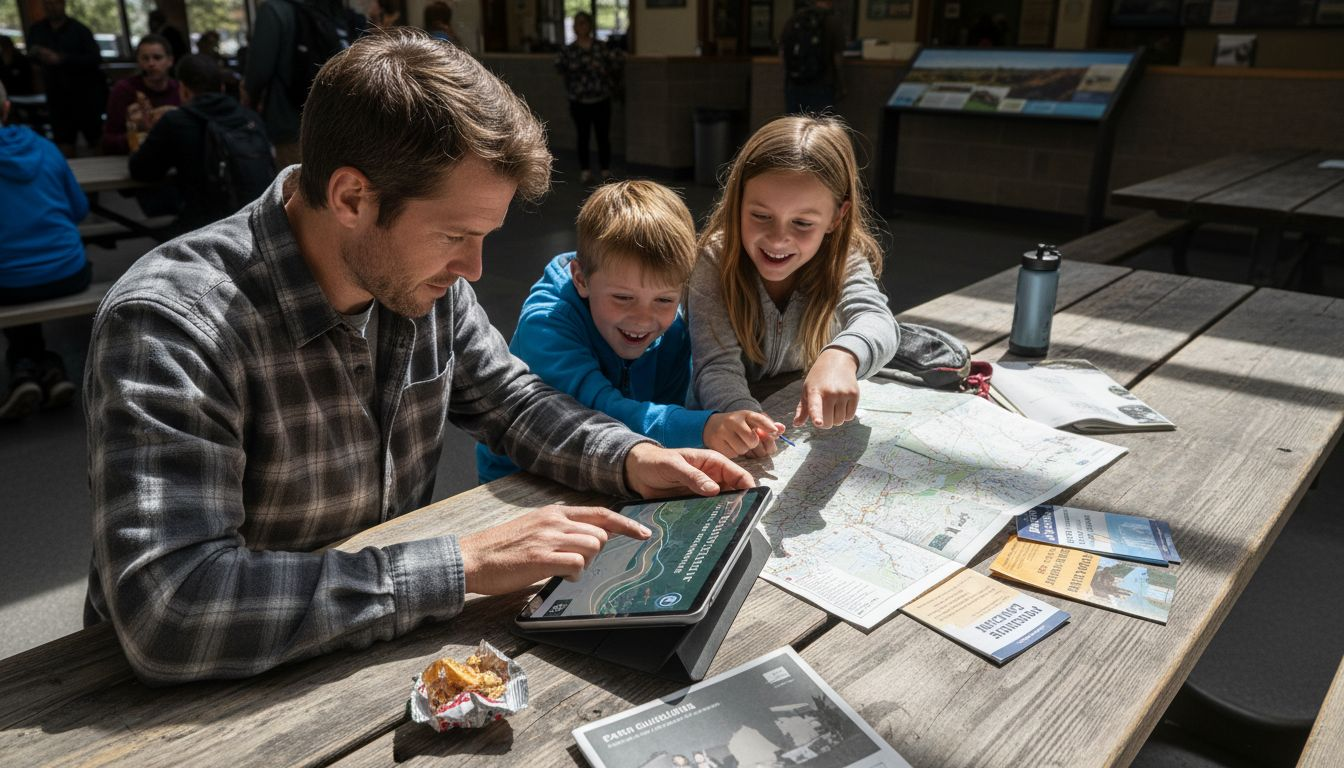
Augmented Reality takes a different approach by overlaying digital information onto the real world, typically through smartphone cameras, specialized glasses, or heads-up displays. This technology uses computer vision algorithms to recognize physical environments and precisely place digital elements within real-world contexts. AR systems employ complex image recognition, spatial mapping, and real-time rendering techniques to ensure digital objects appear naturally integrated with physical surroundings. From historical site annotations to interactive museum exhibits, AR creates a layered experience that enriches users’ understanding of their immediate environment without completely replacing it.
Pro tip: When exploring VR or AR experiences, test the system’s calibration and adjust personal settings to maximize comfort and immersion.
Immersive Storytelling and Cultural Engagement
Immersive technologies have revolutionized cultural storytelling by transforming passive observation into active participation. Multi-sensory cultural interactions now enable travelers to engage with cultural narratives through deeply interactive and personalized experiences. These technologies bridge historical understanding and modern exploration, creating powerful connections between visitors and cultural heritage.
Immersive storytelling leverages advanced technological platforms to craft narrative experiences that go beyond traditional interpretation methods. Through sophisticated audiovisual technologies, travelers can now step into historical moments, experience cultural traditions from insider perspectives, and interact with narratives in ways previously unimaginable. Virtual reconstructions allow visitors to walk through ancient sites, listen to personal stories, and understand cultural contexts with unprecedented depth and emotional resonance.
Cultural engagement through immersive technologies involves multiple sensory channels, creating comprehensive learning experiences. Interactive exhibits might allow travelers to hear traditional music, watch historical reenactments, or participate in cultural simulations that provide authentic insights into local traditions. These experiences are particularly powerful in preserving and transmitting cultural knowledge, especially for indigenous and historically marginalized communities. By democratizing access to cultural narratives, immersive technologies help break down barriers of distance, language, and traditional educational limitations.
Pro tip: Select immersive experiences that prioritize authentic local perspectives and community-developed narratives to ensure a genuine cultural understanding.
Challenges in Adoption and Safety Concerns
Immersive technologies in tourism, while promising, face significant hurdles in widespread implementation. Technological adoption challenges reveal complex barriers that range from technical limitations to user experience complications. These obstacles require careful navigation to ensure successful integration of immersive experiences in travel and cultural sectors.
Technological barriers represent the most immediate challenge, with high equipment costs and complex infrastructure requirements limiting accessibility. Virtual Reality (VR) and Augmented Reality (AR) systems demand sophisticated hardware, specialized software, and continuous technological upgrades. Small tourism businesses often struggle with the substantial initial investment, creating an uneven technological landscape where only well-funded organizations can provide cutting-edge immersive experiences. Additionally, technical compatibility issues between different platforms and devices further complicate widespread adoption.
Safety concerns extend beyond technological limitations, encompassing user privacy, psychological impacts, and physical comfort. Prolonged VR experiences can cause motion sickness, visual fatigue, and disorientation, particularly for users unaccustomed to immersive technologies. Privacy risks emerge from data collection mechanisms inherent in these interactive systems, raising critical questions about user information protection and consent. Cultural sensitivity also becomes a significant consideration, as immersive technologies must carefully represent historical and cultural narratives without causing unintended misrepresentation or offense.
Pro tip: Always request a brief technology demonstration and comfort assessment before committing to extended immersive experiences to mitigate potential physical or psychological discomfort.
Comparing Alternatives to Traditional Tourism
Traditional tourism experiences have long been characterized by passive observation and predefined itineraries, but immersive technologies are dramatically reshaping travelers’ expectations and engagement models. Interactive tourism approaches offer dynamic alternatives that transform travelers from passive spectators to active participants in their travel narratives.
While traditional tourism relies on physical travel, guided tours, and printed materials, immersive technologies create multi-dimensional experiences that transcend physical limitations. Virtual tourism allows travelers to explore destinations without geographical constraints, providing access to locations that might be physically challenging or economically prohibitive. These digital platforms enable detailed, interactive explorations that go far beyond traditional photography or documentary-style presentations, offering sensory-rich experiences that simulate real-world interactions.
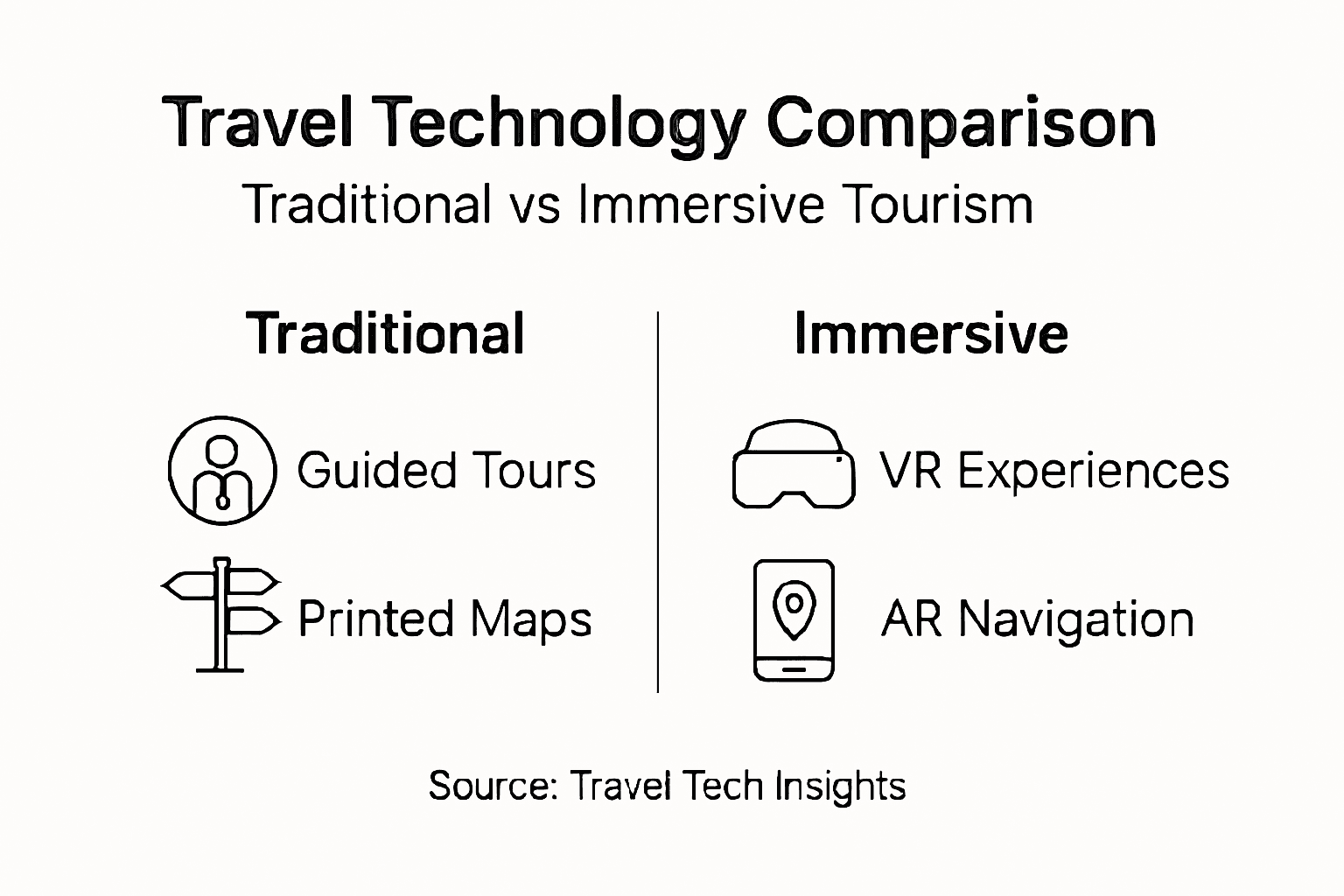
The key differences between traditional and immersive tourism extend beyond technological capabilities. Traditional tourism focuses on geographical movement and surface-level cultural interactions, whereas immersive technologies prioritize deep, contextualized understanding. Immersive platforms can reconstruct historical environments, provide real-time language translations, offer cultural context through interactive narratives, and create personalized learning experiences that adapt to individual traveler interests. This approach democratizes travel experiences, making cultural exploration more accessible to individuals with physical, financial, or time-related constraints.
Consider these differences between traditional and immersive tourism approaches:
| Aspect | Traditional Tourism | Immersive Technology |
|---|---|---|
| Engagement | Mostly passive | Highly interactive |
| Accessibility | Location-dependent | Global and remote access |
| Learning Depth | Surface-level | Contextual, personalized |
| Experience Customization | Fixed itineraries | Adaptable to interests |
Pro tip: Combine immersive digital experiences with physical travel to create a more comprehensive and enriching cultural exploration strategy.
Experience Immersive Hawaiian Travel Like Never Before
The article highlights challenges travelers face when seeking authentic and deeply engaging cultural experiences through immersive technology. If you have ever wanted to truly connect with a destination beyond surface-level tourism or wondered how virtual and augmented reality can create meaningful storytelling, Flight of Aloha offers the perfect solution right in Kailua-Kona. Our immersive flying theater combines 8K visuals, motion effects, scents, and wind to simulate flying over Hawaii in a way that overcomes technological barriers and enhances cultural engagement while delivering safe and accessible entertainment.

Don’t settle for passive sightseeing when you can step into the heart of Hawaiian legends through immersive storytelling rooted in indigenous culture. Whether you seek a family-friendly adventure or a unique group experience, Flight of Aloha provides an unforgettable journey blending cutting-edge immersive technology with authentic island narratives. Discover more details and secure your spot today by visiting Flight of Aloha. Explore our immersive ride films like “Naupaka” and “Lahaina” and consider upgrading to VIP experiences or annual passes for even greater access and benefits.
Frequently Asked Questions
What is immersive technology in tourism?
Immersive technology in tourism refers to advanced digital approaches such as Virtual Reality (VR), Augmented Reality (AR), and Mixed Reality (MR) that create interactive, multisensory experiences for travelers, allowing them to explore destinations and engage with cultures in innovative ways.
How does Virtual Reality enhance travel experiences?
Virtual Reality creates fully immersive environments that allow users to explore destinations through 360-degree simulations, enabling remote interaction with travel experiences and making it possible to preview locations before visiting in person.
What are the differences between Augmented Reality and Virtual Reality in tourism?
Augmented Reality overlays digital information onto the real world, enhancing physical visits with additional context, while Virtual Reality immerses users in fully digital environments, providing a complete sensory experience without physical presence.
What are the challenges associated with adopting immersive technologies in tourism?
Challenges include high equipment costs, technical compatibility issues, user privacy concerns, potential physical discomfort from prolonged use, and the need for cultural sensitivity in representing historical narratives.